
The world of materials science is constantly evolving, with researchers continually seeking to create stronger, lighter, and more versatile fibers. The fiber spinning process plays a crucial role in achieving these advancements. It’s the method by which polymers are transformed into continuous filaments, which can then be used in a wide range of applications.
Understanding the intricacies of the fiber spinning process is essential for anyone involved in the development or application of high-performance fibers. This article will provide a comprehensive overview of the various fiber spinning techniques, the factors that influence fiber properties, and the diverse applications of spun fibers.
From the clothes we wear to the composites used in aerospace engineering, fiber spinning is a fundamental process that impacts our daily lives. Let’s examine the different techniques and their specific applications, along with the science that governs the process.
Overview of Fiber Spinning Techniques
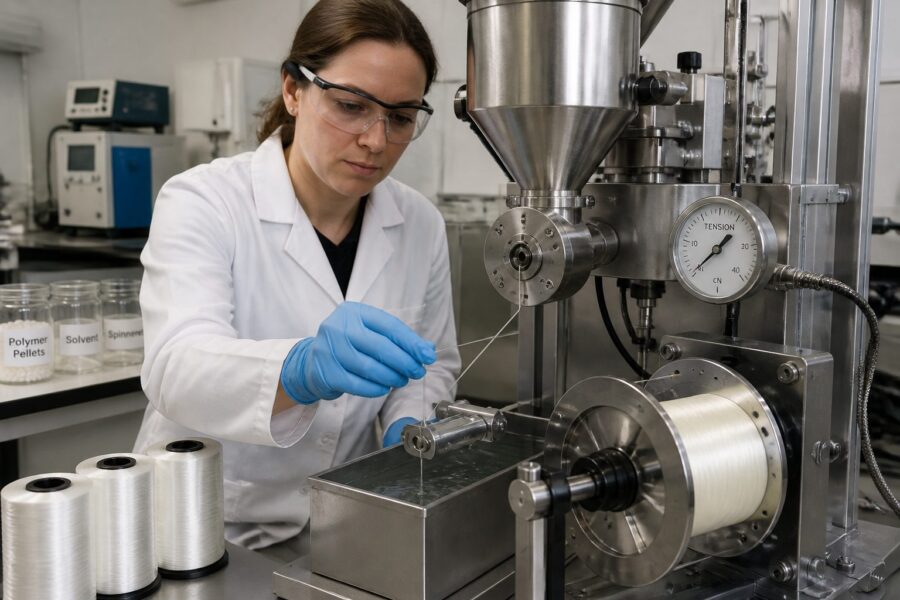
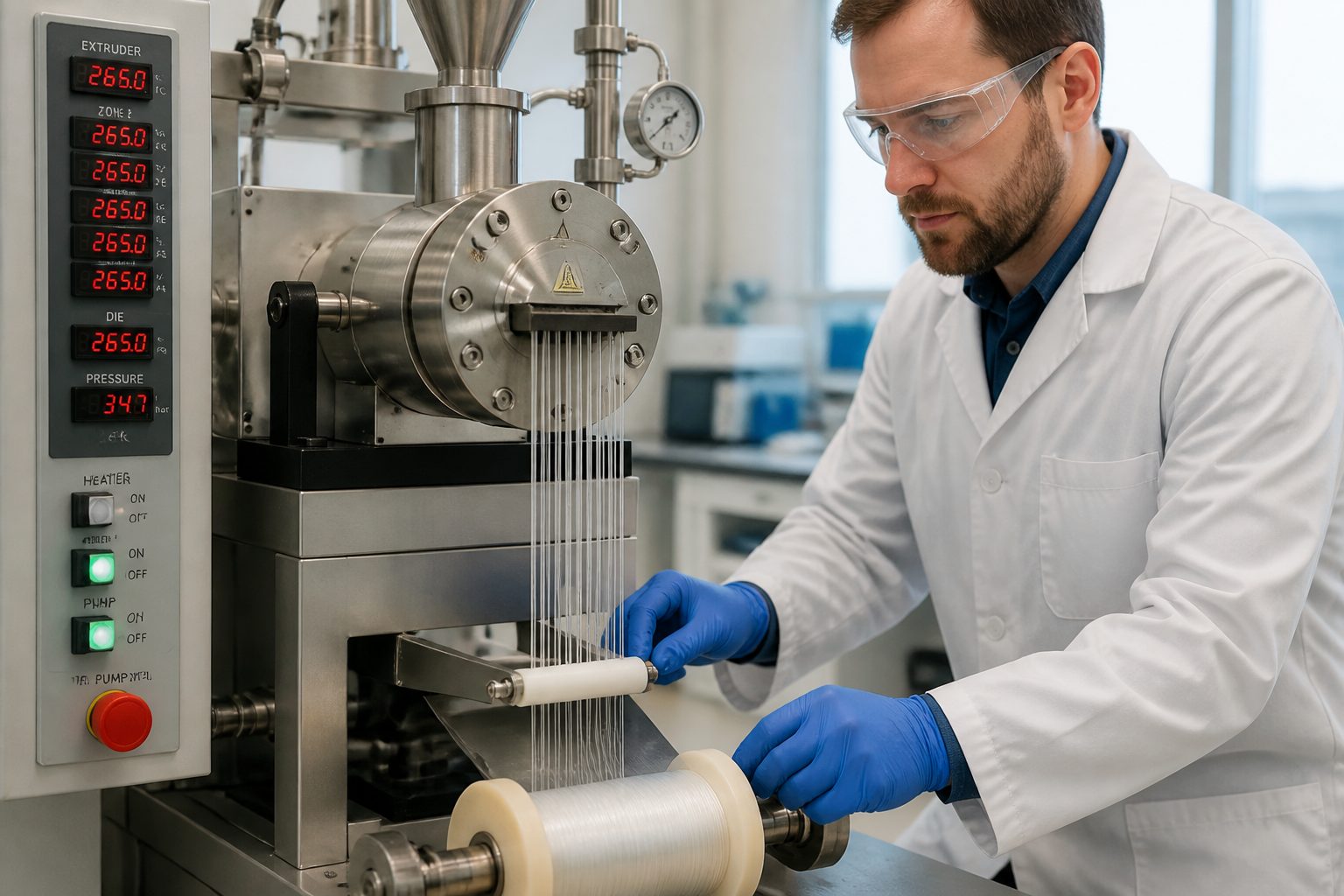
The fiber spinning process involves dissolving or melting a polymer and then forcing it through a spinneret, a device with small holes. This creates continuous filaments that solidify into fibers.
There are three primary methods of fiber spinning: melt spinning, wet spinning, and dry spinning. Each technique is suited for different types of polymers and offers unique advantages in terms of fiber properties and production efficiency.
Melt spinning is commonly used for thermoplastics, where the polymer is melted and extruded. Wet spinning involves dissolving the polymer in a solvent and then precipitating it in a coagulation bath.
Dry spinning also uses a solvent, but the solvent is evaporated in a heated chamber to solidify the fiber. The choice of spinning method depends on factors such as the polymer’s chemical structure, thermal stability, and solubility.
Beyond these primary methods, variations and hybrid techniques exist, each designed to optimize specific fiber characteristics. For instance, electrospinning uses an electric field to draw charged threads of polymer solutions, creating exceptionally fine fibers.
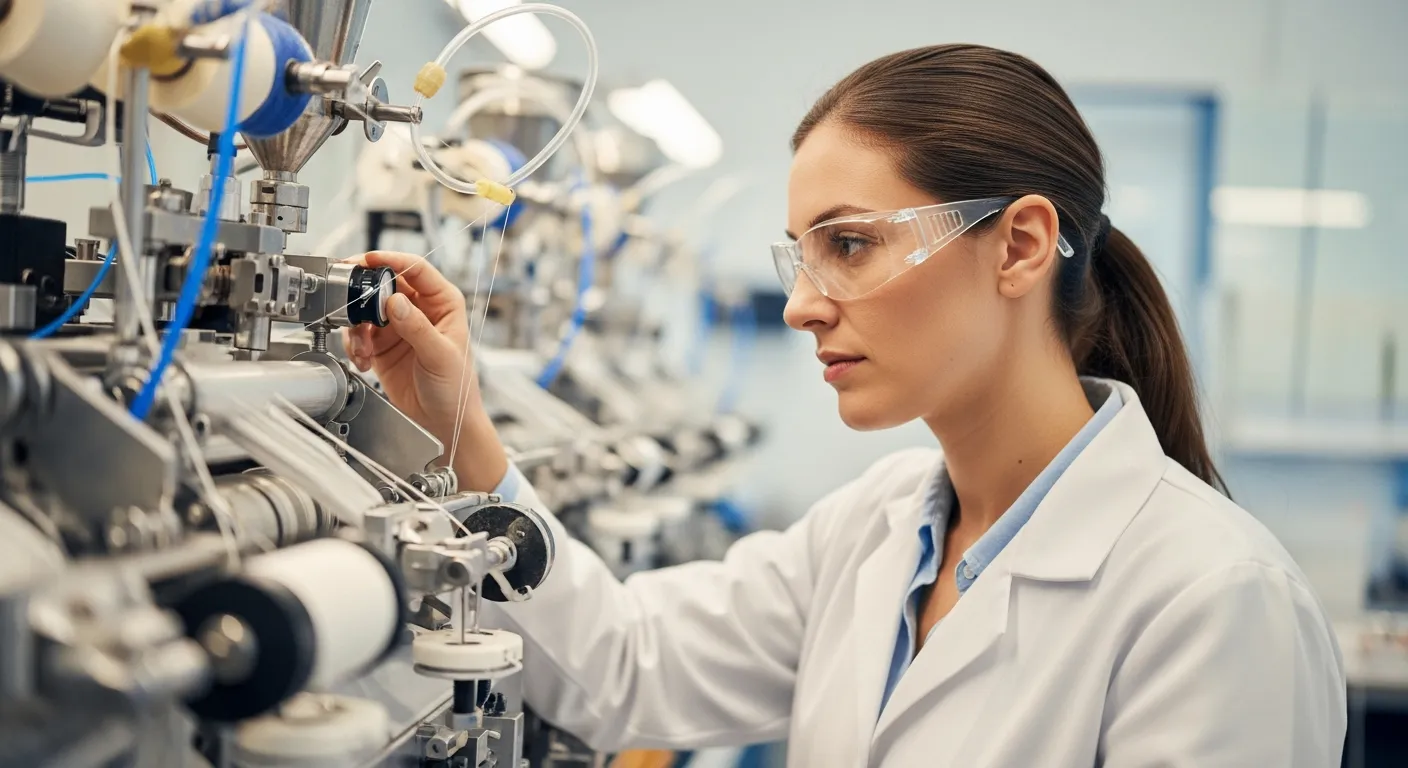
Another variation is gel spinning, which involves spinning a highly concentrated polymer solution in a gel-like state. This method is often used to produce high-strength fibers with excellent orientation.
The development of these diverse techniques reflects the ongoing efforts to tailor fiber properties for an ever-expanding range of applications. The selection of the most appropriate technique is a critical decision in the fiber manufacturing process.
Furthermore, the environmental impact of each technique is also a significant consideration, with increasing emphasis on sustainable practices. This includes minimizing solvent usage, recovering and recycling solvents, and developing bio-based polymers.
Melt Spinning: A Common Method for Thermoplastics
Melt spinning is one of the most widely used fiber spinning process techniques, particularly for thermoplastic polymers. These polymers can be repeatedly softened by heating and hardened by cooling, making them ideal for this method.
The process begins with heating the polymer until it reaches a molten state. This molten polymer is then pumped through a spinneret, which contains numerous small holes to create continuous filaments.
As the filaments emerge from the spinneret, they are cooled by air or a cooling liquid, causing them to solidify into fibers. The solidified fibers are then wound onto bobbins or spools for further processing.
One of the key advantages of melt spinning is its simplicity and cost-effectiveness. It does not require the use of solvents, which eliminates the need for solvent recovery and reduces environmental concerns.
The efficiency of melt spinning also allows for high-speed production, making it suitable for large-scale manufacturing. Polymers commonly used in melt spinning include polyester, nylon, polypropylene, and polyethylene.
The properties of the resulting fibers can be controlled by adjusting the spinning temperature, cooling rate, and draw ratio. The draw ratio refers to the amount the fiber is stretched after it solidifies, which affects its orientation and strength.
Melt spinning is also amenable to modifications, such as co-spinning, where two or more polymers are spun together to create composite fibers. This allows for the combination of desirable properties from different polymers into a single fiber.
Furthermore, the shape of the spinneret holes can be modified to create fibers with different cross-sectional shapes, influencing their texture and performance characteristics. These variations make melt spinning a highly versatile technique for producing a wide range of fibers.
Detailed Steps in the Melt Spinning Process
The melt spinning process can be broken down into several key steps, each contributing to the final fiber properties. First, the solid polymer is fed into an extruder, where it is heated and melted.
The extruder ensures that the polymer is uniformly melted and free of any air bubbles or contaminants. The molten polymer is then pumped through a filtration system to remove any remaining impurities.
Next, the filtered polymer is forced through the spinneret, which is a metal plate with precisely drilled holes. The diameter and shape of these holes determine the diameter and cross-sectional shape of the resulting fibers.
After exiting the spinneret, the filaments are cooled and solidified. This cooling step is critical for controlling the fiber’s crystallinity and orientation, which affect its mechanical properties.
The cooling process can involve air cooling, where the filaments are exposed to a stream of cool air, or liquid cooling, where they are passed through a cooling bath. The choice of cooling method depends on the polymer and the desired fiber properties.
After cooling, the fibers are often drawn or stretched to further align the polymer chains and increase their strength. This drawing process can be done in one or more stages, with each stage contributing to the final fiber properties.
Finally, the fibers are wound onto bobbins or spools, ready for further processing, such as twisting, texturing, or weaving. Quality control checks are performed throughout the process to ensure that the fibers meet the required specifications.
Advanced monitoring systems are often used to track parameters such as temperature, pressure, and flow rate to maintain consistent fiber quality. These systems help to optimize the process and minimize defects.
Wet Spinning: Creating Fibers from Solutions
Wet spinning is a fiber spinning process technique used for polymers that cannot be easily melted or dissolved in environmentally friendly solvents. This method involves dissolving the polymer in a suitable solvent to create a spinning solution.
The spinning solution is then forced through a spinneret, which is submerged in a coagulation bath. This bath contains a chemical that causes the polymer to precipitate out of the solution and solidify into fibers.
| Polymer | Solvent | Coagulant |
|---|---|---|
| Acrylic | Dimethylformamide (DMF) | Water |
| Rayon | Sodium Hydroxide (NaOH) | Sulfuric Acid (H2SO4) |
| Aramid | Sulfuric Acid (H2SO4) | Water |
| Cellulose | N-Methylmorpholine N-oxide (NMMO) | Water |
Wet spinning is particularly useful for polymers with high melting points or those that degrade at high temperatures. The process allows for the creation of fibers with unique properties, such as high absorbency or specific chemical resistance.
The selection of the solvent and coagulant is crucial for achieving the desired fiber properties. The solvent must be able to dissolve the polymer completely and remain stable under the spinning conditions.
The coagulant must be able to effectively precipitate the polymer without causing unwanted side reactions. The concentration of the polymer in the spinning solution also affects the fiber properties, with higher concentrations generally leading to stronger fibers.
One of the challenges of wet spinning is the recovery and recycling of the solvent, which can be costly and environmentally unfriendly. However, advancements in solvent recovery technologies are helping to mitigate these issues.
Furthermore, research is ongoing to develop more environmentally friendly solvents for wet spinning. These efforts aim to make the process more sustainable and reduce its environmental footprint.
Steps Involved in Wet Spinning
The wet spinning process begins with the preparation of the spinning solution. The polymer is dissolved in a solvent, often at elevated temperatures, to create a homogeneous mixture.
This solution is then filtered to remove any undissolved particles or impurities. The filtered solution is pumped through the spinneret, which is immersed in the coagulation bath.
As the polymer solution exits the spinneret, it comes into contact with the coagulant, causing the polymer to precipitate and form solid fibers. The fibers are then washed to remove any residual solvent and coagulant.
Finally, the fibers are dried and wound onto bobbins for further processing. The choice of solvent and coagulant is crucial for controlling the fiber formation and properties.
The coagulation bath’s temperature and composition also play a vital role in determining the fiber’s final characteristics. Precise control over these parameters is necessary to ensure consistent fiber quality.
The washing step is critical to remove any remaining solvent or coagulant, which could compromise the fiber’s performance or cause environmental issues. Multiple washing stages may be required to achieve the desired purity.
After washing, the fibers are carefully dried to remove any remaining water without causing damage or shrinkage. The drying process can involve air drying, oven drying, or vacuum drying, depending on the polymer and the desired fiber properties.
The entire wet spinning process requires careful monitoring and control to ensure that the fibers meet the required specifications. Advanced process control systems are often used to automate and optimize the process.
Dry Spinning: Removing Solvent to Form Fibers
Dry spinning is another technique used for polymers that are soluble in volatile solvents. In this method, the polymer is dissolved in a solvent to create a spinning solution, similar to wet spinning.
However, instead of using a coagulation bath, the spinning solution is extruded into a heated chamber. The heat causes the solvent to evaporate, leaving behind solid fibers.
Dry spinning is often used for polymers that are sensitive to water or other chemicals used in wet spinning. It’s also a simpler process compared to wet spinning, as it does not require solvent recovery from a coagulation bath.
The choice of solvent is critical in dry spinning, as it must evaporate quickly and completely without leaving any residue in the fibers. Common solvents used in dry spinning include acetone, dimethylformamide (DMF), and methylene chloride.
The temperature and airflow within the heated chamber are carefully controlled to optimize solvent evaporation and fiber formation. Insufficient heat can lead to incomplete solvent removal, while excessive heat can degrade the polymer.
The rate of solvent evaporation also affects the fiber’s structure and properties. Rapid evaporation can lead to the formation of voids or pores within the fiber, while slow evaporation can result in denser fibers.
Solvent recovery is an essential aspect of dry spinning to minimize environmental impact and reduce costs. The evaporated solvent is typically condensed and purified for reuse in the spinning process.
Advanced solvent recovery systems can achieve high recovery rates, making dry spinning a more sustainable process. The choice of solvent is also influenced by its toxicity and environmental impact, with increasing emphasis on using less harmful solvents.
The Dry Spinning Procedure
The dry spinning process begins with dissolving the polymer in a volatile solvent to create a spinning solution. The concentration of the polymer in the solution is carefully controlled to achieve the desired fiber properties.
The solution is then filtered to remove any impurities that could affect the fiber quality. The filtered solution is pumped through a spinneret into a heated chamber, where the solvent evaporates.
The temperature and airflow in the chamber are carefully controlled to ensure uniform solvent evaporation and fiber solidification. As the solvent evaporates, the polymer chains come together to form solid fibers.
These fibers are then collected and wound onto bobbins. The evaporated solvent is typically recovered and recycled to reduce environmental impact and improve process economics.
The spinneret design plays a crucial role in determining the fiber’s cross-sectional shape and diameter. Different spinneret designs can be used to create fibers with unique properties and applications.
The drawing process, which involves stretching the fibers after they have solidified, is also an important step in dry spinning. Drawing helps to align the polymer chains and increase the fiber’s strength and elasticity.
The speed at which the fibers are drawn and the temperature at which they are drawn can both affect the final fiber properties. Optimal drawing conditions must be determined for each polymer and fiber type.
The dry spinning process is a complex interplay of various parameters that must be carefully controlled to achieve the desired fiber properties. Advanced process control systems are used to monitor and adjust these parameters in real-time.
Factors Affecting Fiber Properties During Spinning
The properties of the fibers produced during the fiber spinning process are influenced by several factors. These include the type of polymer used, the spinning method employed, and the process parameters.
Understanding these factors is crucial for tailoring the fiber properties to meet specific application requirements. The molecular weight and molecular weight distribution of the polymer play a significant role in determining the fiber’s strength and elasticity.
Higher molecular weight polymers generally result in stronger fibers due to increased chain entanglement. The spinning temperature, draw ratio, and cooling rate also affect the fiber’s crystallinity and orientation.
These factors, in turn, influence the fiber’s mechanical properties, such as tensile strength, elongation at break, and modulus. For example, increasing the draw ratio can align the polymer chains, leading to higher tensile strength.
The spinneret design also plays a significant role, influencing the fiber’s cross-sectional shape and surface texture. The presence of additives, such as stabilizers, lubricants, and colorants, can also affect the fiber’s properties.
The spinning speed and the take-up speed of the fibers can influence their diameter and uniformity. Careful control of these parameters is essential for producing high-quality fibers with consistent properties.
The humidity and temperature of the spinning environment can also affect the fiber formation process, particularly in wet and dry spinning. Maintaining a stable and controlled environment is crucial for achieving consistent results.
The interactions between these various factors are complex and often require careful optimization to achieve the desired fiber properties. Advanced modeling and simulation techniques are increasingly being used to predict and optimize the fiber spinning process.
Influence of Polymer Type and Additives
The chemical structure of the polymer dictates its inherent properties, such as thermal stability, chemical resistance, and flexibility. Different polymers are suitable for different spinning methods and applications.
For example, polyethylene terephthalate (PET) is commonly melt-spun due to its good thermal stability and mechanical properties. Additives can also be incorporated into the polymer solution or melt to modify the fiber properties.
These additives can include stabilizers, flame retardants, colorants, and lubricants. Stabilizers protect the polymer from degradation during processing and use, while flame retardants improve the fiber’s resistance to burning.
Colorants add color to the fibers, and lubricants reduce friction during spinning and subsequent processing. The choice and concentration of additives must be carefully controlled to avoid compromising the fiber’s desired properties.
The molecular weight distribution of the polymer also affects the fiber’s properties, with narrower distributions generally leading to more uniform fibers. The presence of branching in the polymer chains can also influence the fiber’s strength and flexibility.
The use of chain extenders can increase the molecular weight of the polymer, leading to stronger fibers. Nucleating agents can promote the formation of smaller crystals, resulting in improved clarity and mechanical properties.
The compatibility of the additives with the polymer is crucial for ensuring that they are uniformly dispersed throughout the fiber. Incompatible additives can lead to phase separation and reduced fiber performance.
The selection of the appropriate polymer and additives is a critical step in the fiber spinning process, requiring careful consideration of the desired fiber properties and application requirements.
Applications of Different Spun Fibers
The fiber spinning process produces fibers with a wide range of properties, making them suitable for diverse applications. These applications span various industries, including textiles, healthcare, aerospace, and automotive.
In the textile industry, spun fibers are used to create fabrics for clothing, home furnishings, and industrial textiles. High-performance fibers, such as aramids and carbon fibers, are used in composite materials for aerospace and automotive applications.
- Textiles: Clothing, home furnishings, industrial fabrics
- Healthcare: Sutures, wound dressings, drug delivery systems
- Aerospace: Composite materials for aircraft structures
- Automotive: Tire reinforcement, interior components
- Filtration: Water filters, air filters, industrial filters
In healthcare, spun fibers are used in sutures, wound dressings, and drug delivery systems. Filtration applications include water filters, air filters, and industrial filters.
Spun fibers are also used in geotechnical engineering for soil stabilization and erosion control. They are used in the construction industry for reinforcing concrete and other building materials.
In the packaging industry, spun fibers are used to create nonwoven fabrics for packaging and protective materials. They are used in agriculture for crop covers and weed control fabrics.
Spun fibers are also used in the energy industry for battery separators and fuel cell membranes. The diverse applications of spun fibers reflect their versatility and adaptability to various industries and needs.
The ongoing development of new fiber spinning techniques and materials is further expanding the range of applications for spun fibers. This continuous innovation is driving the growth and evolution of the fiber spinning industry.
Specific Fiber Applications by Type
Polyester fibers, produced by melt spinning, are widely used in clothing due to their durability and wrinkle resistance. Nylon fibers, also melt-spun, are used in carpets, hosiery, and tire cords due to their high strength and elasticity.
Acrylic fibers, produced by wet or dry spinning, are used in sweaters and blankets due to their softness and warmth. Rayon fibers, produced by wet spinning, are used in clothing and home furnishings due to their good absorbency and drape.
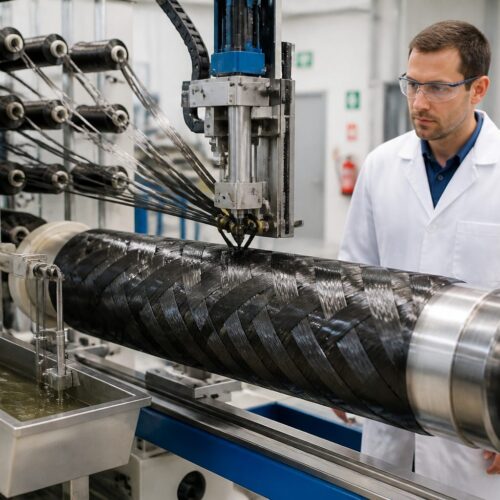
Aramid fibers, such as Kevlar, are produced by wet spinning and used in bulletproof vests and protective clothing due to their high strength and impact resistance. Carbon fibers, produced by a specialized spinning process followed by carbonization, are used in aerospace composites due to their high strength-to-weight ratio.
Polypropylene fibers, produced by melt spinning, are used in outdoor furniture, ropes, and geotextiles due to their resistance to moisture and UV degradation. Spandex fibers, also melt-spun, are used in athletic wear and swimwear due to their high elasticity.
Cellulose acetate fibers, produced by dry spinning, are used in linings and cigarette filters due to their good drape and filtration properties. Glass fibers, produced by a specialized melt spinning process, are used in insulation and composite materials due to their high strength and thermal resistance.
Each type of spun fiber offers a unique combination of properties that makes it suitable for specific applications. The fiber spinning process allows for the creation of fibers tailored to meet the demands of various industries.
The ongoing research and development efforts are focused on creating new and improved spun fibers with enhanced properties and expanded applications. This continuous innovation is driving the growth and evolution of the fiber spinning industry.
Advancements and Future Trends in Fiber Spinning
The field of fiber spinning is continuously evolving, with ongoing research focused on developing new spinning techniques and improving existing ones. Nanofiber spinning, also known as electrospinning, has emerged as a promising method for producing fibers with diameters in the nanometer range.
These nanofibers have unique properties, such as high surface area and porosity, making them suitable for applications in filtration, drug delivery, and tissue engineering. Additive manufacturing techniques, such as 3D printing, are also being explored for creating complex fiber structures with tailored properties.
Sustainability is another key driver of innovation in fiber spinning. Researchers are working on developing biodegradable and bio-based polymers for fiber production to reduce the environmental impact of synthetic fibers.
Solvent recovery and recycling technologies are also being improved to minimize waste and reduce the use of hazardous chemicals. The future of fiber spinning lies in creating high-performance fibers that are also sustainable and environmentally friendly.
The development of smart fibers with integrated sensors and actuators is another exciting area of research. These smart fibers can be used in wearable electronics, medical implants, and structural health monitoring.
The use of artificial intelligence and machine learning is also transforming the fiber spinning process. These technologies can be used to optimize process parameters, predict fiber properties, and detect defects in real-time.
The integration of nanotechnology into fiber spinning is leading to the creation of fibers with enhanced properties, such as improved strength, conductivity, and biocompatibility. These advanced fibers are opening up new possibilities for a wide range of applications.
The future of fiber spinning is bright, with ongoing research and innovation paving the way for new and exciting developments. These advancements will continue to drive the growth and evolution of the fiber spinning industry.
Conclusion
The fiber spinning process is a versatile and essential technique for creating high-performance fibers from polymers. Melt spinning, wet spinning, and dry spinning each offer unique advantages and are suited for different types of polymers.
By understanding the factors that affect fiber properties during spinning, it is possible to tailor the fibers to meet specific application requirements. From textiles to healthcare to aerospace, spun fibers play a crucial role in various industries, and ongoing research is paving the way for even more advanced and sustainable fiber technologies.
The continuous innovation in fiber spinning techniques and materials is driving the development of new and improved products. These advancements are contributing to a more sustainable and technologically advanced future.
The fiber spinning industry is poised for continued growth and innovation in the years to come. This growth will be driven by the increasing demand for high-performance fibers in various industries and the ongoing efforts to develop more sustainable and environmentally friendly processes.