
Advanced ceramic materials are revolutionizing industries with their exceptional properties. These materials offer a unique combination of strength, durability, and resistance to extreme conditions.
Unlike traditional ceramics like pottery or brick, advanced ceramic materials are engineered for high-performance applications. They are designed to meet the demanding requirements of modern technology and engineering.
This article explores the fascinating world of advanced ceramic materials. We will examine their defining characteristics, key properties, diverse types, and widespread applications.
What Defines an Advanced Ceramic Material?
Advanced ceramic materials, also known as technical ceramics or high-performance ceramics, stand apart from their conventional counterparts due to their superior properties and specifically tailored compositions. These materials are meticulously engineered to exhibit exceptional performance in demanding environments.
The composition of advanced ceramic materials involves high-purity raw materials and precisely controlled manufacturing processes. This careful attention to detail results in enhanced mechanical, thermal, and chemical properties.
One key differentiator is their ability to maintain structural integrity at elevated temperatures. Traditional ceramics often degrade or lose strength at high temperatures, limiting their use in certain applications.
Advanced ceramics, however, can withstand temperatures exceeding 1,000°C without significant degradation. This makes them ideal for applications in aerospace, energy, and high-temperature processing.
Furthermore, advanced ceramics often exhibit superior resistance to chemical attack. They can withstand exposure to corrosive substances that would quickly degrade other materials. This makes them suitable for applications in chemical processing and harsh industrial environments.
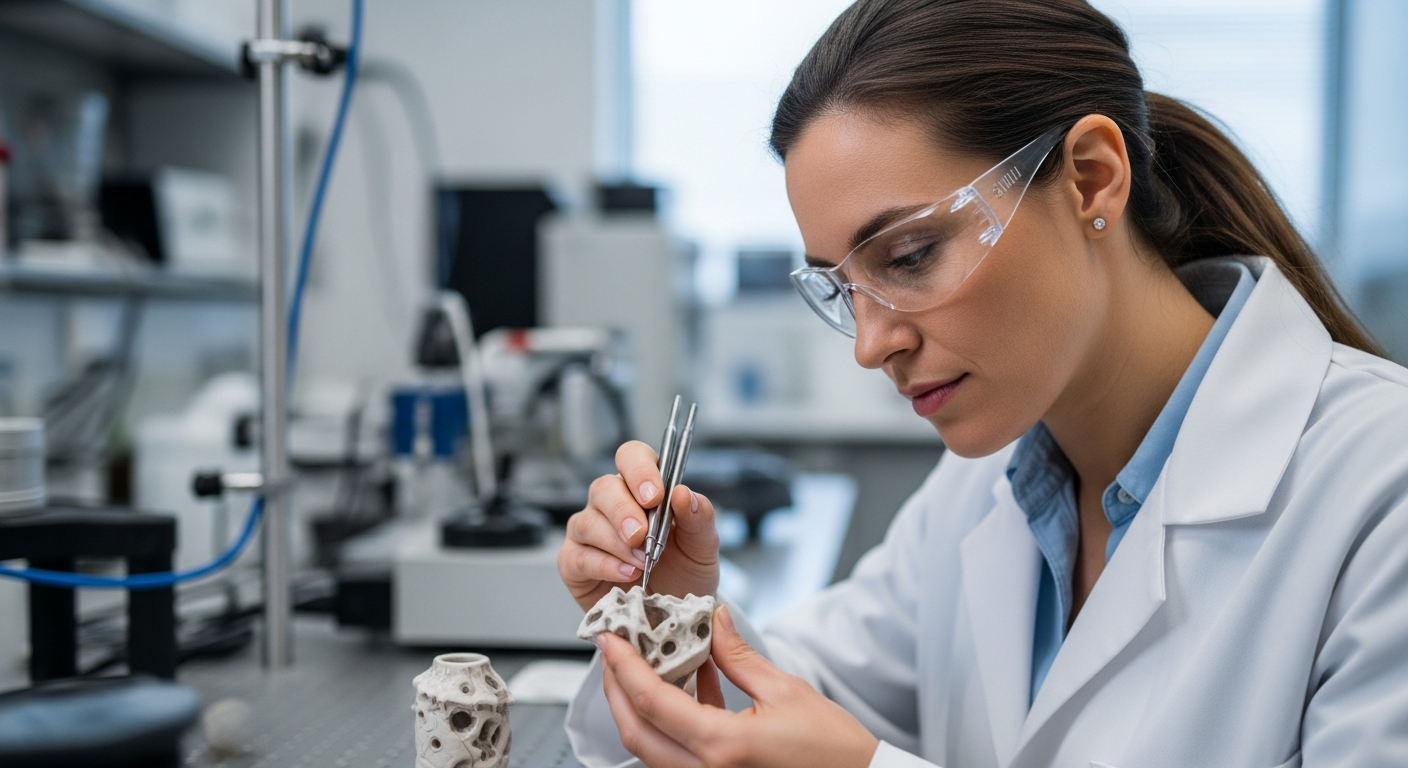
The controlled microstructure of advanced ceramics also contributes to their enhanced properties. Grain size, porosity, and phase distribution are carefully managed during manufacturing to optimize performance. This level of control is not typically found in traditional ceramic production.
Another distinguishing factor is the use of advanced processing techniques. These techniques, such as hot pressing, sintering, and chemical vapor deposition, allow for the creation of materials with exceptional density and homogeneity. These advanced processes are crucial for achieving the desired properties in the final product.
In summary, advanced ceramics are defined by their high-purity compositions, controlled microstructures, advanced processing techniques, and superior properties. These characteristics set them apart from traditional ceramics and enable their use in a wide range of demanding applications. The precise engineering and careful manufacturing are what truly define these materials.
The development of advanced ceramic materials has been a continuous process of innovation. Researchers are constantly exploring new compositions and processing techniques to further enhance their properties and expand their applications. This ongoing effort ensures that advanced ceramics will continue to play a crucial role in technological advancements.
Key Properties of Advanced Ceramics
Advanced ceramic materials possess a unique set of properties that make them highly desirable for a wide range of applications. These properties include high hardness, exceptional wear resistance, and remarkable chemical inertness.
Their ability to maintain these properties in harsh conditions sets them apart from other materials. Let’s examine these key properties in more detail.
High hardness is a defining characteristic, allowing advanced ceramics to resist scratching and indentation. This makes them suitable for applications where abrasion resistance is critical, such as cutting tools and wear-resistant coatings.
Exceptional wear resistance further enhances their durability in demanding environments. Components made from advanced ceramics can withstand prolonged exposure to friction and erosion without significant material loss.
Chemical inertness is another crucial property, enabling advanced ceramics to resist degradation in corrosive environments. This makes them suitable for applications in chemical processing, biomedical implants, and other demanding environments. They can withstand exposure to acids, bases, and other harsh chemicals without significant degradation.
In addition to these key properties, advanced ceramics often exhibit excellent electrical insulation. This makes them useful in electrical and electronic applications, such as insulators, substrates, and capacitors. Their ability to prevent the flow of electricity is crucial in many electronic devices.
Furthermore, some advanced ceramics possess high thermal conductivity, allowing them to efficiently transfer heat. This property is valuable in applications such as heat sinks, thermal management systems, and high-temperature heat exchangers. The ability to dissipate heat quickly and efficiently is essential in many electronic and industrial applications.
The combination of these properties makes advanced ceramics ideal for applications where other materials would fail. Their ability to withstand extreme conditions, resist wear, and maintain their properties over time makes them a valuable asset in many industries. The specific combination of properties can be tailored by selecting the right type of ceramic and controlling the manufacturing process.
It is important to note that not all advanced ceramics possess all of these properties to the same degree. The specific properties of a given ceramic material depend on its composition, microstructure, and processing history. Therefore, careful material selection is crucial for ensuring optimal performance in a given application.
The unique combination of hardness, wear resistance, chemical inertness, electrical insulation, and thermal conductivity makes advanced ceramics indispensable in modern technology. As technology continues to advance, the demand for these materials will only continue to grow.
Common Types of Advanced Ceramics
The world of advanced ceramics encompasses a diverse range of materials, each with its own unique properties and applications. Some of the most common types include alumina, zirconia, silicon carbide, and silicon nitride.
Understanding the characteristics of each type is crucial for selecting the right material for a specific application. Here’s a brief overview of these common advanced ceramic materials.
| Ceramic Type | Key Properties | Typical Applications |
|---|---|---|
| Alumina (Al2O3) | High hardness, good electrical insulation, chemical resistance | Cutting tools, insulators, biomedical implants |
| Zirconia (ZrO2) | High strength, toughness, thermal stability | Thermal barrier coatings, oxygen sensors, dental implants |
| Silicon Carbide (SiC) | High hardness, high-temperature strength, thermal conductivity | Abrasives, high-temperature components, semiconductors |
| Silicon Nitride (Si3N4) | High strength, thermal shock resistance, wear resistance | Bearings, cutting tools, engine components |
Alumina (Al2O3) is one of the most widely used advanced ceramics due to its excellent combination of properties and relatively low cost. It is known for its high hardness, good electrical insulation, and chemical resistance. Alumina is commonly used in cutting tools, insulators, and biomedical implants.
Zirconia (ZrO2) stands out for its high strength, toughness, and thermal stability. It is often used in applications where high mechanical stress and thermal cycling are present. Zirconia finds applications in thermal barrier coatings, oxygen sensors, and dental implants.
Silicon Carbide (SiC) is renowned for its exceptional hardness, high-temperature strength, and thermal conductivity. These properties make it suitable for demanding applications such as abrasives, high-temperature components, and semiconductors. Silicon carbide is also used in brake rotors for high-performance vehicles.
Silicon Nitride (Si3N4) is valued for its high strength, thermal shock resistance, and wear resistance. It is often used in applications where rapid temperature changes and high mechanical stress are present. Silicon nitride is commonly found in bearings, cutting tools, and engine components.
Beyond these common types, there are many other advanced ceramic materials with specialized properties. These include boron carbide, aluminum nitride, and various ceramic composites. Each material is tailored to specific applications based on its unique properties and performance characteristics.
The selection of the appropriate advanced ceramic material is a critical step in the design process. Engineers must carefully consider the operating environment, mechanical loads, thermal conditions, and chemical exposures to choose the best material for the job. The properties of each ceramic type must be carefully evaluated to ensure optimal performance and longevity.
Applications Across Various Industries
Advanced ceramic materials have found widespread use across a multitude of industries due to their exceptional properties. From aerospace to biomedicine, these materials are enabling innovations and improving performance in critical applications.
Their ability to withstand extreme conditions and provide superior performance has made them indispensable in many sectors. Let’s explore some key applications across various industries.
In the aerospace industry, advanced ceramics are used in thermal barrier coatings for turbine blades. These coatings protect the underlying metal from extreme temperatures, improving engine efficiency and extending component life.
The biomedical field utilizes advanced ceramics in implants and prosthetics due to their biocompatibility and wear resistance. Hip implants made from zirconia, for example, offer excellent durability and reduce the risk of rejection by the body.
The automotive industry benefits from advanced ceramics in engine components, brake systems, and sensors. Ceramic components can withstand high temperatures and reduce friction, improving engine performance and fuel efficiency. Ceramic brake rotors offer superior wear resistance and braking performance compared to traditional materials.
In the electronics industry, advanced ceramics are used as substrates, insulators, and capacitors. Their excellent electrical insulation and thermal conductivity make them ideal for these applications. Ceramic substrates provide a stable platform for mounting electronic components, while ceramic capacitors store electrical energy.
The chemical processing industry utilizes advanced ceramics in pumps, valves, and reactors due to their chemical inertness and wear resistance. Ceramic components can withstand exposure to corrosive chemicals and abrasive slurries, extending the lifespan of equipment and reducing maintenance costs.
Advanced ceramics also play a crucial role in the energy sector, particularly in fuel cells and solar energy systems. Ceramic electrolytes enable efficient energy conversion in fuel cells, while ceramic materials are used in solar concentrators and thermal storage systems. These applications contribute to cleaner and more sustainable energy production.
The diverse range of applications for advanced ceramics highlights their versatility and importance in modern technology. As technology continues to advance, the demand for these materials will only continue to grow across various industries. Their unique properties and ability to perform in demanding environments make them indispensable in many critical applications.
Manufacturing Processes for Advanced Ceramics
The manufacturing of advanced ceramics involves a series of carefully controlled processes to achieve the desired properties and microstructure. These processes often differ significantly from those used for traditional ceramics.
Precision and control are paramount to ensure the final product meets the stringent requirements of high-performance applications. Here are some of the key manufacturing processes involved.
Powder synthesis is the first step, involving the creation of high-purity ceramic powders with controlled particle size and morphology. These powders serve as the building blocks for the final ceramic component.
Forming techniques such as pressing, slip casting, and injection molding are then employed to shape the powder into the desired geometry. Each technique offers different advantages in terms of shape complexity, production rate, and material uniformity.
Sintering is a crucial step in which the formed ceramic part is heated to a high temperature, causing the particles to bond together and densify. This process reduces porosity and increases the strength and density of the material. Sintering parameters, such as temperature, time, and atmosphere, are carefully controlled to achieve the desired microstructure.
Machining is often necessary to achieve the final dimensions and surface finish of the ceramic component. Due to the hardness and brittleness of advanced ceramics, specialized machining techniques such as diamond grinding, laser cutting, and ultrasonic machining are employed. These techniques allow for precise shaping and finishing of the material without causing damage or cracking.
Surface finishing processes, such as polishing and coating, are often applied to improve the surface properties of the ceramic component. Polishing reduces surface roughness and improves wear resistance, while coatings can provide additional protection against corrosion, wear, or high temperatures. The choice of surface finishing process depends on the specific application and desired performance characteristics.
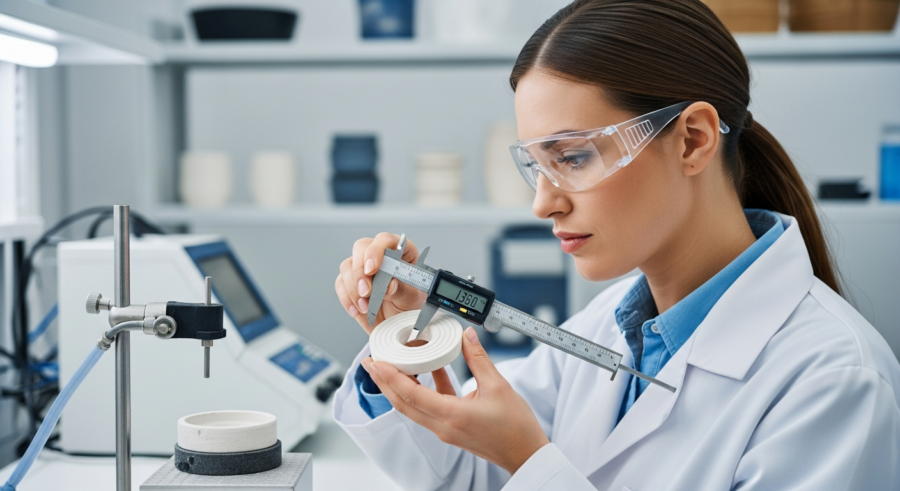
Quality control is an essential part of the manufacturing process, ensuring that the final product meets the required specifications. Non-destructive testing techniques, such as ultrasonic testing and X-ray imaging, are used to detect defects and ensure the integrity of the ceramic component. Careful monitoring and control of each manufacturing step are crucial for producing high-quality advanced ceramics.
The development of advanced manufacturing techniques is an ongoing area of research and development. Researchers are constantly exploring new methods for improving the efficiency, precision, and cost-effectiveness of ceramic manufacturing. These advancements will enable the wider adoption of advanced ceramics in a variety of applications.
The Role of Fiber Science in Ceramic Reinforcement
Fiber science plays a crucial role in enhancing the properties of advanced ceramic materials. By incorporating fibers into a ceramic matrix, engineers can significantly improve toughness, strength, and resistance to crack propagation.
This approach leads to the creation of ceramic matrix composites (CMCs), which offer superior performance compared to monolithic ceramics. Let’s explore how fiber reinforcement enhances ceramic properties.
The addition of fibers acts as a crack arrestor, preventing cracks from propagating rapidly through the material. When a crack encounters a fiber, it must either break the fiber or debond the fiber from the matrix, both of which require energy and slow down crack growth.
Commonly used fibers include carbon fibers, silicon carbide fibers, and alumina fibers, each offering different levels of reinforcement and compatibility with various ceramic matrices. The choice of fiber depends on the specific application and desired properties.
The orientation and distribution of fibers within the ceramic matrix also play a significant role in determining the composite’s properties. Aligned fibers provide maximum reinforcement in the direction of the fiber orientation, while randomly oriented fibers offer more isotropic properties. The fiber volume fraction, which is the percentage of fibers in the composite, also affects the overall strength and toughness.
The interface between the fiber and the ceramic matrix is a critical factor in determining the performance of CMCs. A weak interface allows for fiber debonding and pullout, which absorbs energy and increases toughness. However, a strong interface can lead to brittle fracture. Therefore, the interface properties must be carefully controlled to optimize the composite’s performance.
Manufacturing processes for CMCs include techniques such as chemical vapor infiltration (CVI), polymer infiltration and pyrolysis (PIP), and slurry infiltration. These processes allow for the creation of complex shapes with controlled fiber architecture and matrix density. The choice of manufacturing process depends on the specific materials and desired properties.
CMCs are used in a variety of high-performance applications, including aerospace components, brake systems, and high-temperature structural components. Their ability to withstand extreme temperatures and high mechanical stress makes them ideal for these demanding environments. As technology continues to advance, the demand for CMCs will only continue to grow.
Polymer Engineering’s Contribution to Ceramic Processing
Polymer engineering plays a vital role in the processing and shaping of advanced ceramic materials. Polymers are often used as binders, dispersants, and plasticizers in ceramic formulations to improve their workability and green strength.
These additives help to create a homogeneous mixture of ceramic particles and allow for easier forming and shaping of the material. Let’s examine how polymer engineering contributes to ceramic processing.
Polymers act as binders, holding the ceramic particles together during the forming process. This is particularly important in techniques like injection molding, where the ceramic powder is mixed with a polymer binder and injected into a mold.
Dispersants, which are often polymeric in nature, help to prevent the ceramic particles from agglomerating in the suspension. This ensures a uniform distribution of particles and improves the density and homogeneity of the final ceramic component.
Plasticizers are added to ceramic formulations to improve their flexibility and reduce cracking during drying and firing. These polymers increase the plasticity of the ceramic mixture, allowing it to be shaped more easily and reducing the risk of defects. The choice of plasticizer depends on the specific ceramic material and processing conditions.
Polymer processing techniques, such as extrusion, injection molding, and tape casting, are often adapted for use in ceramic manufacturing. These techniques allow for the creation of complex shapes with high precision and uniformity. The use of polymers as processing aids enables the production of advanced ceramic components with tailored properties and geometries.
The removal of polymers from the ceramic component is a critical step in the manufacturing process. This is typically achieved through a process called debinding, in which the polymer binder is burned out at a controlled temperature. The debinding process must be carefully controlled to prevent cracking or distortion of the ceramic part.
The selection of the appropriate polymer additive is crucial for achieving the desired properties and performance of the ceramic component. Factors to consider include the polymer’s compatibility with the ceramic material, its effect on the processing characteristics, and its ease of removal during debinding. Careful selection and optimization of polymer additives are essential for successful ceramic processing.
Challenges and Future Trends
Despite their many advantages, advanced ceramic materials face certain challenges that need to be addressed to further expand their applications. These challenges include high manufacturing costs, brittleness, and difficulty in machining complex shapes.
Overcoming these hurdles will pave the way for wider adoption and new innovations in the field. Here are some of the key challenges and emerging trends.
- Reducing manufacturing costs through process optimization
- Improving toughness and fracture resistance
- Developing new ceramic compositions with enhanced properties
- Exploring additive manufacturing techniques for complex shapes
- Expanding applications in energy storage and conversion
Reducing manufacturing costs is a major focus of research and development efforts. Process optimization, automation, and the use of lower-cost raw materials can help to make advanced ceramics more competitive with other materials. The development of more efficient manufacturing techniques is crucial for wider adoption.
Improving toughness and fracture resistance is another key challenge. Researchers are exploring various techniques for toughening ceramics, including fiber reinforcement, transformation toughening, and the development of new ceramic compositions with improved fracture toughness. Overcoming the inherent brittleness of ceramics is essential for expanding their applications in structural components.
The development of new ceramic compositions with enhanced properties is an ongoing area of research. Researchers are exploring new combinations of elements and processing techniques to create ceramics with improved strength, thermal stability, and chemical resistance. The discovery of new ceramic materials with tailored properties will open up new possibilities for applications.
Additive manufacturing, also known as 3D printing, is emerging as a promising technique for creating complex shapes from advanced ceramics. This technology allows for the fabrication of intricate geometries that are difficult or impossible to achieve with traditional manufacturing methods. Additive manufacturing has the potential to revolutionize the design and manufacturing of ceramic components.
Expanding applications in energy storage and conversion is a growing trend. Advanced ceramics are being used in batteries, fuel cells, and solar energy systems to improve their performance and efficiency. The development of new ceramic materials for energy applications will contribute to a more sustainable energy future.
Advanced Ceramic Materials in Sustainable Technologies
Advanced ceramic materials are increasingly playing a significant role in sustainable technologies, offering solutions for energy efficiency, renewable energy generation, and environmental protection. Their unique properties make them ideal for various applications aimed at reducing our environmental impact.
From fuel cells to solar energy systems, advanced ceramics are contributing to a more sustainable future. Let’s explore some key applications in sustainable technologies.
In solid oxide fuel cells (SOFCs), advanced ceramics are used as electrolytes, enabling efficient conversion of chemical energy into electrical energy. SOFCs offer high energy conversion efficiency and can operate on a variety of fuels, making them a promising technology for clean power generation.
Solar energy systems utilize advanced ceramics in concentrators and thermal storage materials. These materials can withstand high temperatures and efficiently capture and store solar energy, improving the overall performance of solar power plants.
Advanced ceramics are also used in catalytic converters for reducing emissions from vehicles and industrial processes. These ceramic-based catalysts promote the conversion of harmful pollutants into less harmful substances, contributing to cleaner air quality. The use of advanced ceramics in catalytic converters is a key technology for reducing air pollution.
In water purification systems, advanced ceramics are used as filters for removing contaminants and bacteria. These ceramic filters offer high porosity and chemical resistance, making them effective for purifying water for drinking and industrial use. The use of advanced ceramics in water purification is essential for ensuring access to clean and safe water.
Advanced ceramics are also being explored for use in energy-efficient lighting systems. Ceramic metal halide lamps offer high luminous efficacy and long lifespan, reducing energy consumption and maintenance costs. The use of advanced ceramics in lighting systems contributes to energy conservation and reduced greenhouse gas emissions.
The use of advanced ceramics in sustainable technologies is expected to grow significantly in the coming years. As the demand for cleaner energy and environmental protection increases, the unique properties of advanced ceramics will make them indispensable in various sustainable applications. Ongoing research and development efforts will continue to drive innovation and expand the role of advanced ceramics in creating a more sustainable future.
Conclusion
Advanced ceramic materials represent a cutting-edge class of materials with exceptional properties and diverse applications. Their ability to withstand extreme conditions, resist wear, and maintain structural integrity at high temperatures makes them invaluable in numerous industries.
As manufacturing processes improve and new compositions are developed, advanced ceramics will continue to drive innovation and shape the future of technology. The ongoing research and development efforts promise even more exciting applications in the years to come.
From aerospace and biomedicine to energy and environmental protection, advanced ceramics are enabling breakthroughs and improving the performance of critical systems. Their unique combination of properties makes them essential for addressing some of the world’s most pressing challenges. The future of advanced ceramics is bright, with continued innovation and expansion into new applications on the horizon.
The development and application of advanced ceramic materials require a multidisciplinary approach, involving expertise in materials science, engineering, chemistry, and physics. Collaboration between researchers, engineers, and manufacturers is essential for driving innovation and translating research findings into real-world applications. The continued investment in research and development is crucial for unlocking the full potential of advanced ceramics.
As we move towards a more sustainable future, advanced ceramics will play an increasingly important role in enabling cleaner energy, reducing emissions, and conserving resources. Their unique properties make them ideally suited for addressing the challenges of climate change and environmental degradation. The development and deployment of advanced ceramic technologies will contribute to a more sustainable and prosperous future for all.