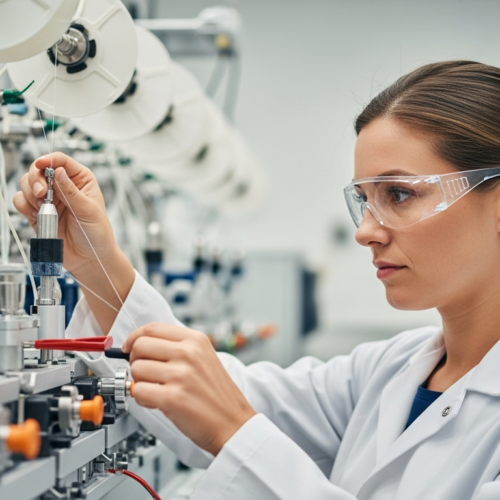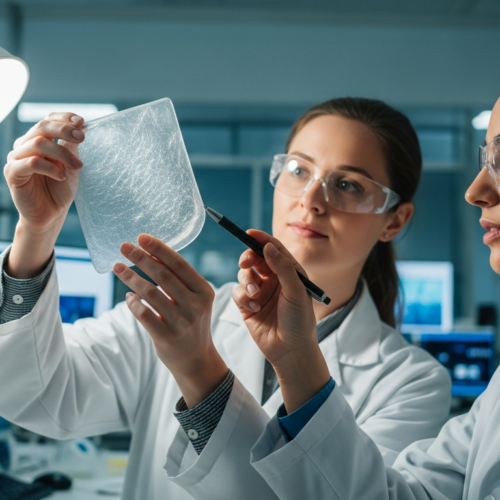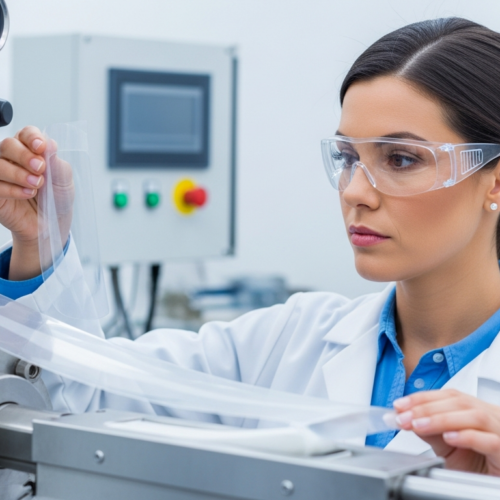

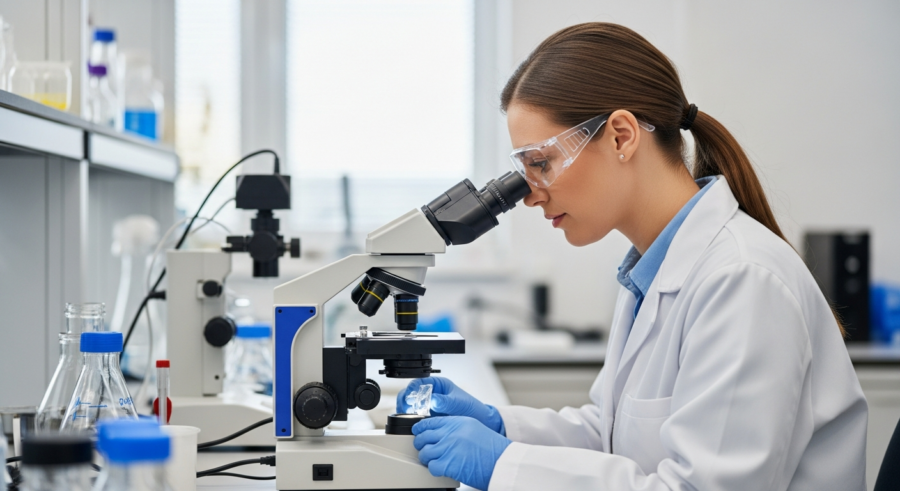
Polymers are everywhere, from the plastics in our cars to the coatings on our medical devices. While their bulk properties often dictate their primary uses, the surface characteristics are just as critical. Polymer surface modification is the process of altering the outermost layer of a polymer material to achieve specific properties without changing the bulk material.
This technique allows us to tailor the surface for improved adhesion, enhanced biocompatibility, or increased resistance to wear and corrosion. Understanding and controlling polymer surface modification is essential for creating high-performance materials suited for a wide range of applications.
By carefully selecting modification methods, we can unlock new possibilities for existing polymers. This article will explore the reasons behind surface modification, common techniques used, and the diverse applications of these modified polymers.
Why Modify Polymer Surfaces?
The surface of a polymer is often the first point of contact with its environment. This interaction dictates how the material performs in its intended application. Modifying the surface allows us to overcome inherent limitations of the bulk polymer and impart new functionalities.
One common reason for modification is to improve adhesion. Many polymers are naturally hydrophobic, making it difficult for adhesives or coatings to bond effectively. Surface modification can increase the surface energy, promoting better wetting and stronger adhesion.
Biocompatibility is another key driver for surface modification, especially in biomedical applications. Polymers used in implants or drug delivery systems must interact favorably with biological tissues and fluids. Modifying the surface can reduce the risk of rejection, promote cell adhesion, and control protein adsorption.
Durability is often enhanced through surface modification. Polymer surfaces can be prone to wear, scratching, and degradation from UV exposure or chemical attack. Applying a protective layer or altering the surface chemistry can significantly extend the lifespan of the material.
Consider the example of a polymer used in automotive interiors. Untreated, it may be susceptible to fading from sunlight or scratching from everyday use. Surface modification can introduce UV resistance and scratch resistance, extending the life and improving the aesthetic appeal of the component.
In the realm of packaging, polymers often need to provide a barrier against moisture or oxygen. Surface treatments can deposit thin films that drastically reduce permeability. This is crucial for preserving the freshness and extending the shelf life of food products.
Another important aspect is the ability to impart specific chemical functionalities. For instance, a polymer surface can be modified to become catalytic, enabling chemical reactions to occur on the surface. This opens up possibilities for sensors, reactors, and other advanced applications.
Furthermore, surface modification can be used to control the tribological properties of polymers. This includes reducing friction, increasing wear resistance, or creating self-lubricating surfaces. These properties are crucial in applications involving moving parts, such as gears, bearings, and seals.
The ability to precisely control the surface properties of polymers is a powerful tool. It allows engineers and scientists to tailor materials to meet the specific demands of a wide range of applications. By understanding the underlying principles and techniques, we can unlock the full potential of polymers.
Common Techniques for Polymer Surface Modification
Numerous techniques exist for modifying polymer surfaces, each with its own advantages and limitations. The choice of method depends on the desired surface properties, the type of polymer, and the scale of production.
Plasma treatment is a popular method that uses ionized gas to alter the surface chemistry. Surface grafting involves chemically attaching new molecules to the polymer surface. Chemical etching uses reactive chemicals to create surface texture.
Coating is a straightforward approach where a thin layer of a different material is applied to the polymer surface. Layer-by-layer assembly builds up a multilayer film with controlled composition and thickness. Each method provides a unique way to tailor polymer surface properties.
Selecting the appropriate technique requires careful consideration of the desired outcome and the polymer’s characteristics. Cost, scalability, and environmental impact are also important factors in the decision-making process. Understanding the intricacies of each method is crucial for successful polymer surface modification.
Beyond these common techniques, there are also more specialized methods such as ion implantation, which involves bombarding the surface with ions to alter its composition. Another approach is the use of self-assembled monolayers (SAMs), where molecules spontaneously form an ordered layer on the surface.
Laser surface modification is another technique that uses lasers to selectively ablate or modify the surface. This can be used to create patterns, textures, or even to induce chemical reactions. The choice of technique often depends on the desired level of control and the specific properties that need to be achieved.
For example, if the goal is to improve the biocompatibility of a polymer for a medical implant, plasma treatment or surface grafting with biocompatible molecules might be the preferred approach. If the goal is to create a hydrophobic surface for a water-repellent coating, fluorocarbon plasma treatment or coating with a hydrophobic polymer might be more suitable.
The scalability of the technique is also an important consideration. Some techniques, like plasma treatment, are easily scalable for large-volume production. Others, like layer-by-layer assembly, may be more suitable for smaller-scale applications or research purposes.
Finally, the environmental impact of the technique should be considered. Some techniques involve the use of hazardous chemicals or generate significant waste. Choosing more environmentally friendly alternatives is becoming increasingly important.
Plasma Treatment: Altering Surface Chemistry
Plasma treatment is a versatile technique that uses ionized gas to modify the surface of polymers. The plasma, often generated using radio frequency or microwave energy, contains a variety of energetic species, including ions, electrons, and radicals.
These species interact with the polymer surface, leading to a range of chemical and physical changes. The specific effects depend on the gas used, the plasma parameters, and the polymer’s composition.
| Gas | Effect on Polymer Surface | Applications |
|---|---|---|
| Oxygen | Increases hydrophilicity, introduces oxygen-containing functional groups | Improved adhesion, enhanced biocompatibility |
| Nitrogen | Introduces nitrogen-containing functional groups | Enhanced adhesion, improved barrier properties |
| Argon | Surface cleaning, crosslinking | Improved adhesion, increased wear resistance |
| Fluorocarbon | Increases hydrophobicity, creates a low-energy surface | Improved water repellency, reduced friction |
One of the main advantages of plasma treatment is its ability to modify the surface without significantly affecting the bulk properties. It’s a dry process, minimizing the use of solvents and reducing environmental concerns.
The mechanism of plasma treatment involves several complex processes. The energetic species in the plasma can break chemical bonds on the polymer surface, creating free radicals. These radicals can then react with other species in the plasma, leading to the formation of new functional groups.
The plasma can also cause crosslinking of the polymer chains, increasing the surface hardness and wear resistance. The depth of the modification is typically limited to a few nanometers, ensuring that the bulk properties of the polymer remain unchanged.
The plasma parameters, such as the gas pressure, power, and treatment time, can be carefully controlled to tailor the surface properties. For example, increasing the power can increase the density of energetic species in the plasma, leading to a faster and more aggressive modification.
The choice of gas also plays a crucial role. Oxygen plasma is commonly used to increase the hydrophilicity of polymer surfaces, while fluorocarbon plasma is used to create hydrophobic surfaces. Argon plasma is often used for surface cleaning and etching.
Plasma treatment is a versatile and cost-effective technique for polymer surface modification. It’s widely used in various industries, including automotive, aerospace, electronics, and biomedical.
Surface Grafting: Attaching New Molecules
Surface grafting involves chemically attaching new molecules, such as polymers or monomers, to the surface of a base polymer. This technique allows for the introduction of specific functionalities and properties that are not inherent to the original material.
There are several methods for initiating surface grafting, including chemical initiation, radiation initiation, and plasma initiation. Chemical initiation typically involves the use of free radical initiators to create active sites on the polymer surface.
Radiation initiation uses UV light or electron beams to generate radicals. Plasma initiation employs the reactive species in a plasma to create grafting sites. The choice of initiation method depends on the polymer, the desired grafting density, and the compatibility with the grafting monomer.
A wide range of monomers can be grafted onto polymer surfaces, allowing for the creation of tailored properties. For example, grafting hydrophilic monomers can improve the wettability and biocompatibility of hydrophobic polymers. Grafting hydrophobic monomers can enhance the water resistance and barrier properties of hydrophilic polymers.
Surface grafting is a powerful tool for creating polymers with specialized surface properties. It finds applications in areas such as biomedical engineering, where biocompatibility and controlled drug release are crucial. It’s also useful in the development of advanced coatings and adhesives.
The grafting process typically involves several steps. First, the polymer surface is activated to create reactive sites. This can be done by chemical treatment, radiation, or plasma. Then, the monomer is brought into contact with the activated surface.
The monomer reacts with the reactive sites, forming a chemical bond and attaching the monomer to the surface. The grafting process can be controlled by adjusting the reaction time, temperature, and monomer concentration. The density of the grafted molecules can be controlled by varying the activation conditions.
One of the advantages of surface grafting is that it allows for the creation of highly controlled surface properties. The type of monomer, the grafting density, and the distribution of the grafted molecules can be precisely controlled. This allows for the creation of surfaces with specific functionalities and properties.
Surface grafting is used in a wide range of applications, including biomedical engineering, materials science, and chemical engineering. It’s a versatile technique for creating polymers with tailored surface properties.
Chemical Etching: Creating Surface Texture
Chemical etching is a process that uses reactive chemicals to selectively remove material from a polymer surface, creating a textured or patterned surface. The process involves immersing the polymer in a chemical solution that attacks specific regions of the material.
The rate and selectivity of the etching process depend on the etchant, the polymer, and the process conditions. Chemical etching is often used to increase surface area, improve adhesion, or create micro- and nano-scale features.
One common application of chemical etching is in the preparation of polymer surfaces for metallization. By creating a rough surface, the adhesion of metal coatings can be significantly improved. Chemical etching can also be used to create microfluidic channels or other microstructures on polymer chips.
The choice of etchant depends on the polymer being etched. For example, strong acids or bases are often used to etch polymers like polycarbonates or polyesters. Solvents or solvent mixtures can be used to selectively dissolve certain components of a polymer blend.
Chemical etching offers a relatively simple and cost-effective way to modify polymer surfaces. The process can be scaled up for mass production. However, it’s important to carefully control the etching conditions to achieve the desired surface texture and avoid damaging the bulk material.
The etching process is influenced by factors such as temperature, etchant concentration, and immersion time. Higher temperatures generally accelerate the etching rate. Higher etchant concentrations also lead to faster etching.
The immersion time determines the extent of etching. Over-etching can lead to excessive material removal and damage to the polymer. The selectivity of the etchant is crucial for creating patterned surfaces. Selective etchants attack certain regions of the polymer more readily than others.
This can be achieved by using etchants that react specifically with certain chemical groups or by using masking techniques to protect certain regions of the polymer from the etchant. Chemical etching is a versatile technique for creating a wide range of surface textures and patterns on polymers.
It’s used in various applications, including microelectronics, microfluidics, and materials science. Careful control of the etching conditions is essential for achieving the desired surface properties.
Applications of Surface Modified Polymers
Surface modified polymers find application in a wide array of industries. The ability to tailor surface properties without altering bulk characteristics makes them highly versatile.
From biomedical implants to advanced packaging, surface modification plays a critical role. Each application leverages the unique benefits of modified polymer surfaces.
- Biomedical implants with improved biocompatibility
- Drug delivery systems for controlled release
- Adhesives with enhanced bonding strength
- Coatings with increased wear resistance
- Packaging films with improved barrier properties
These examples represent only a fraction of the potential applications. As research continues, new and innovative uses for surface modified polymers will undoubtedly emerge.
In the automotive industry, surface modified polymers are used for interior and exterior components. They enhance scratch resistance, UV stability, and paint adhesion. This results in more durable and aesthetically pleasing vehicles.
The electronics industry also benefits greatly from surface modified polymers. They are used in printed circuit boards, displays, and packaging. Surface modification improves conductivity, insulation, and adhesion of electronic components.
In the textile industry, surface modified polymers are used to create fabrics with enhanced properties. These include water repellency, stain resistance, and antimicrobial activity. This leads to more comfortable, durable, and hygienic clothing.
Surface modified polymers are also used in the energy sector. They improve the performance of solar cells, fuel cells, and batteries. This contributes to more efficient and sustainable energy technologies.
Surface Modification in Biomedical Engineering
In biomedical engineering, the surface properties of polymers are paramount. The success of implants, tissue scaffolds, and drug delivery systems hinges on how well they interact with the body.
Surface modification plays a critical role in enhancing biocompatibility, promoting cell adhesion, and controlling protein adsorption. Polymers used in implants must be hemocompatible, meaning they do not promote blood clotting.
Surface modification techniques like plasma treatment and surface grafting can be used to introduce anticoagulant molecules or create surfaces that resist protein adsorption. This reduces the risk of thrombosis and improves the long-term performance of the implant. Cell adhesion is crucial for tissue integration and wound healing.
Modifying the surface with cell adhesion peptides or growth factors can promote cell attachment and proliferation. This accelerates tissue regeneration and improves the integration of the implant with surrounding tissues. Controlled drug release is another important application of surface modified polymers.
By incorporating drug-loaded nanoparticles or grafting drug-releasing polymers onto the surface, drugs can be released at a controlled rate over a prolonged period. This improves the therapeutic efficacy of the drug and reduces side effects.
Consider the example of a hip implant. The polymer surface can be modified to promote bone ingrowth, leading to better integration with the surrounding bone tissue. This reduces the risk of implant loosening and improves the long-term stability of the implant.
In the case of drug delivery systems, surface modification can be used to control the release rate of the drug. The polymer surface can be modified with a layer of biodegradable material that degrades over time, releasing the drug in a controlled manner. This allows for targeted drug delivery and reduces side effects.
Surface modification is also used to create antibacterial surfaces for medical devices. The polymer surface can be modified with antibacterial agents that kill bacteria on contact. This reduces the risk of infection associated with medical devices.
The development of new and innovative surface modification techniques is crucial for advancing biomedical engineering. These techniques will lead to the development of more biocompatible, effective, and safe medical devices.
Enhancing Adhesion with Surface Modification
Adhesion is a critical property in many applications, from adhesives and coatings to composites and electronics. The strength and durability of an adhesive bond depend on the interaction between the adhesive and the substrate.
Many polymers have inherently low surface energy, making it difficult for adhesives to wet the surface and form a strong bond. Surface modification can increase the surface energy, improve wetting, and create chemical bonds between the adhesive and the substrate.
Plasma treatment is often used to increase the surface energy of polymers. Introducing polar functional groups like hydroxyl or carboxyl groups improves wetting and adhesion. Chemical etching can create a rough surface, increasing the surface area available for bonding.
Surface grafting can be used to introduce chemical functionalities that react with the adhesive, forming covalent bonds. This significantly enhances the bond strength and durability. For example, grafting acrylic acid onto a polymer surface can improve its adhesion to epoxy adhesives.
Surface modification is a powerful tool for enhancing adhesion in a wide range of applications. Selecting the appropriate modification technique and optimizing the process conditions ensures a strong and durable bond.
In the automotive industry, surface modification is used to improve the adhesion of paints and coatings to plastic parts. This ensures that the paint job is durable and resistant to chipping and scratching. It also improves the overall appearance of the vehicle.
In the aerospace industry, surface modification is used to improve the adhesion of adhesives to composite materials. This is crucial for bonding structural components together and ensuring the safety and reliability of aircraft.
In the electronics industry, surface modification is used to improve the adhesion of solder to printed circuit boards. This ensures that the electronic components are securely attached to the board and that the electrical connections are reliable.
The choice of surface modification technique depends on the specific polymer and adhesive being used. It’s important to carefully select the appropriate technique and optimize the process conditions to achieve the desired level of adhesion.
Polymer Surface Modification: Future Trends
The field of polymer surface modification is constantly evolving, driven by the demand for high-performance materials and innovative applications. Several emerging trends are shaping the future of this field.
One trend is the development of more precise and controlled modification techniques. Researchers are exploring methods that allow for the creation of patterned surfaces with nanoscale features. These techniques include focused ion beam milling, self-assembly, and microcontact printing.
Another trend is the development of bio-inspired surface modifications. Nature provides many examples of surfaces with unique properties, such as self-cleaning surfaces, superhydrophobic surfaces, and adhesive surfaces. Researchers are trying to mimic these natural surfaces using polymer surface modification techniques.
The use of sustainable and environmentally friendly modification methods is also gaining importance. Traditional surface modification techniques often involve the use of harsh chemicals and solvents. There’s a growing interest in developing greener alternatives, such as enzymatic modification and plasma treatment using atmospheric air.
Finally, the integration of surface modification with other advanced materials technologies is opening up new possibilities. Combining surface modification with nanotechnology or additive manufacturing can create materials with unprecedented properties and functionalities. These advancements promise a bright future for polymer surface modification.
The development of smart surfaces that respond to external stimuli is another exciting area of research. These surfaces can change their properties in response to changes in temperature, pH, light, or electric field. This opens up possibilities for sensors, actuators, and other advanced devices.
The use of computational modeling and simulation is also becoming increasingly important in polymer surface modification. These tools can be used to predict the effects of different modification techniques on the surface properties of polymers. This allows researchers to optimize the modification process and design new materials with tailored properties.
The integration of artificial intelligence and machine learning is also expected to play a significant role in the future of polymer surface modification. These technologies can be used to analyze large datasets and identify patterns that can be used to optimize the modification process and develop new materials. They can also accelerate the discovery of new modification techniques and materials.
The future of polymer surface modification is bright. With continued research and development, we can expect to see even more innovative and impactful applications of this technology in the years to come.
Conclusion
Polymer surface modification is a powerful and versatile tool for tailoring the properties of polymeric materials. By carefully selecting and applying appropriate modification techniques, we can overcome the inherent limitations of polymers and create materials with enhanced performance and functionality.
From improving adhesion and biocompatibility to enhancing wear resistance and barrier properties, surface modification enables a wide range of applications across diverse industries. As research continues and new techniques emerge, the possibilities for surface modified polymers are virtually limitless.
The continued development of more sustainable and environmentally friendly modification methods is crucial for ensuring the long-term viability of this technology. By embracing greener alternatives and minimizing the use of hazardous chemicals, we can create a more sustainable future for polymer surface modification.
The integration of advanced materials technologies, such as nanotechnology and additive manufacturing, will further expand the capabilities of polymer surface modification. This will lead to the development of materials with unprecedented properties and functionalities.
Polymer surface modification is a key enabler for innovation in a wide range of industries. By continuing to invest in research and development, we can unlock the full potential of this technology and create a better future for all.