

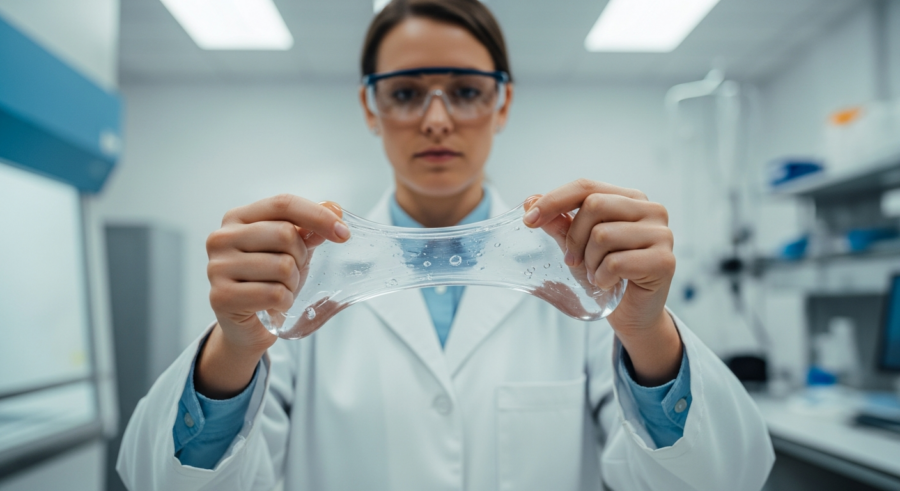
Shape memory polymers (SMPs) represent a fascinating class of smart materials, capable of changing shape in response to external stimuli. These materials are not just a novelty; they are finding their way into a multitude of applications, promising to revolutionize various industries. From biomedical devices to aerospace components, the unique properties of SMPs offer innovative solutions to complex engineering challenges.
The ability of SMPs to revert from a deformed state to their original shape when triggered by heat, light, or other stimuli opens up a world of possibilities. This article will explore the science behind shape memory polymers applications, their key characteristics, and their current and potential uses across diverse fields.
We will also examine the future trends and ongoing research that are shaping the evolution of these smart materials, ensuring their continued advancement and integration into cutting-edge technologies. So, let’s begin by defining what shape memory polymers are and what makes them so special.
What are Shape Memory Polymers?
Shape memory polymers are a type of smart material that can return to a predetermined shape from a deformed state when exposed to a specific stimulus. This stimulus can be heat, light, electricity, or even a chemical reaction, depending on the specific polymer composition.
Unlike shape memory alloys, which are metals, SMPs are polymers, offering advantages such as lower density, higher strain capacity, and easier processing. SMPs can be tailored to specific applications by adjusting their chemical structure and composition, allowing for a wide range of properties and functionalities.
The ability to program a temporary shape and then recover the original shape makes them attractive for applications where adaptability and responsiveness are crucial. The field of smart materials is rapidly expanding, and SMPs are at the forefront of this innovation, offering solutions that were once considered science fiction.
One of the most appealing aspects of SMPs is their ability to be customized for very specific needs. This customization extends to the temperature at which they activate, the speed of their shape recovery, and even the amount of force they can exert during the recovery process. This level of control is essential for applications that demand precision and reliability.
The development of SMPs has opened doors to creating devices that can adapt to their environment in real-time. Imagine a medical implant that changes shape to promote healing, or a structural component that adjusts to varying loads. These are just a few examples of the exciting possibilities that SMPs offer.
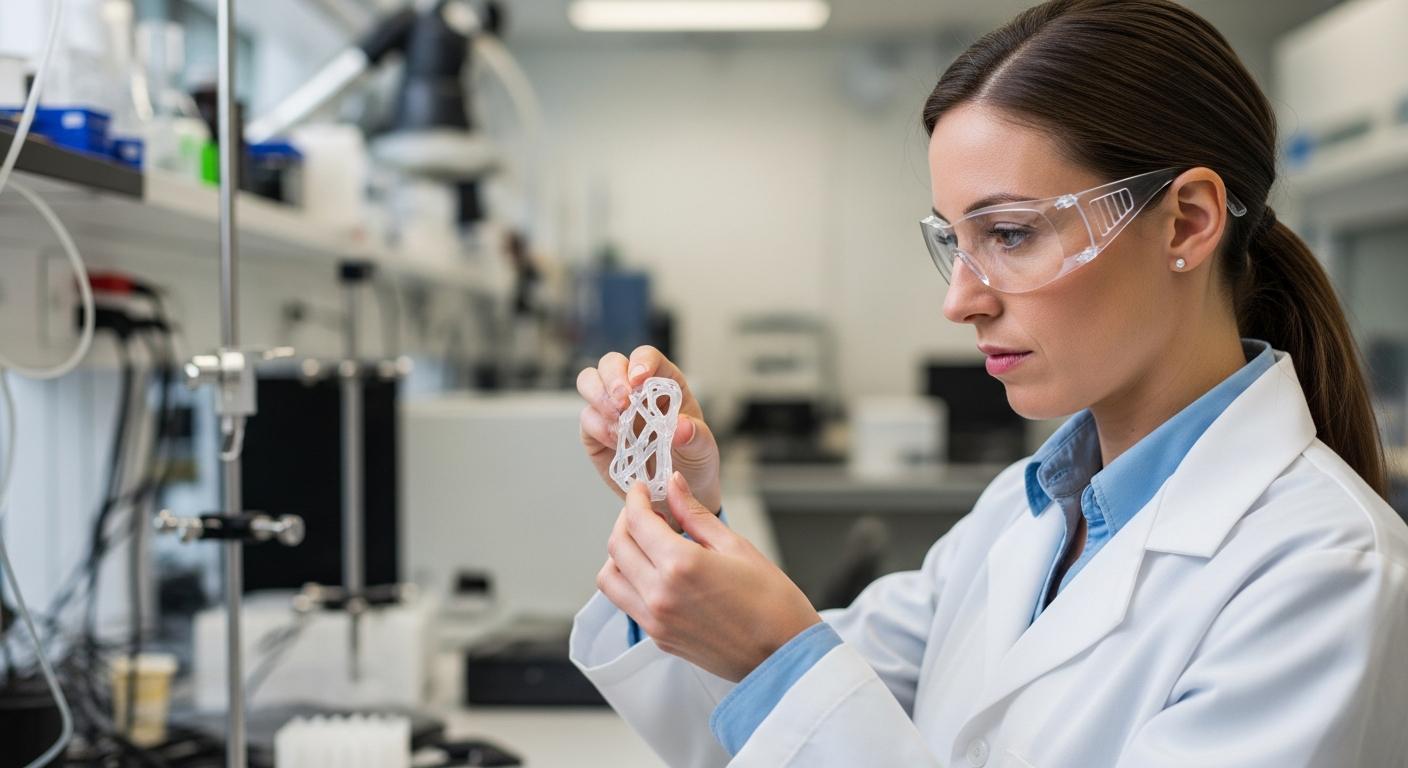
Furthermore, the relatively low cost of producing SMPs compared to shape memory alloys makes them an economically viable option for many applications. This cost-effectiveness, combined with their unique properties, is driving the increased adoption of SMPs across various industries.
One of the key advantages of SMPs is their versatility in terms of design and fabrication. They can be molded into complex shapes, processed using various techniques like 3D printing, and integrated with other materials to create composite structures. This design freedom allows engineers to create devices and systems with unique functionalities and tailored performance characteristics.
The potential for integrating SMPs with sensors and actuators is particularly exciting. This integration could lead to the development of truly intelligent systems that can not only sense changes in their environment but also respond to them in a predetermined manner. The future of SMPs is bright, with ongoing research continuously pushing the boundaries of what is possible.
How Shape Memory Polymers Work
The shape memory effect in polymers arises from their unique molecular structure, which typically consists of two phases: a hard phase and a soft phase. The hard phase provides the material with its permanent shape, while the soft phase allows it to be deformed and temporarily fixed into a different shape.
When the SMP is heated above its transition temperature, the soft phase becomes flexible, allowing the material to be easily deformed. This deformed shape can then be fixed by cooling the material below the transition temperature, which causes the soft phase to solidify and lock the temporary shape in place.
Upon reheating the material above the transition temperature again, the soft phase becomes flexible once more, allowing the polymer chains to return to their original arrangement dictated by the hard phase. This results in the material recovering its original, permanent shape. The transition temperature is a critical parameter that determines the temperature at which the shape memory effect is triggered.
Think of the hard phase as the skeleton of the material, providing structural integrity and defining the original shape. The soft phase, on the other hand, acts like a moldable matrix that can be deformed and then set in a new configuration.
The transition temperature is a critical design parameter, as it determines the conditions under which the shape memory effect will occur. By carefully selecting the materials and composition of the SMP, engineers can tailor the transition temperature to meet the specific requirements of an application.
The ability to precisely control the transition temperature is particularly important in biomedical applications, where the SMP may need to respond to body temperature or other physiological cues. This level of control ensures that the device will function as intended within the body.
The programming of SMPs involves carefully controlling the deformation and fixing processes to achieve the desired temporary shape. This can be done through various methods, such as stretching, bending, or compressing the material while it is in its flexible state. The ability to precisely control the programming process is essential for creating SMPs with reliable and predictable shape memory behavior.
The programming process is akin to teaching the SMP what temporary shape to hold. This process requires careful attention to detail and precise control over the temperature and deformation parameters. The more accurate the programming, the more reliable the shape memory effect will be.
Furthermore, the ability to repeatedly program and recover the shape of an SMP is a desirable characteristic for many applications. This cyclical behavior allows for the creation of devices that can adapt to changing conditions over time.
Key Properties of SMPs
Several key properties define the performance and applicability of shape memory polymers. These include the transition temperature, shape recovery rate, strain capacity, and mechanical strength.
Understanding and tailoring these properties is crucial for designing SMPs for specific applications. Let’s take a look at each of these properties in more detail.
| Property | Description | Importance |
|---|---|---|
| Transition Temperature | Temperature at which the SMP changes from rigid to flexible | Determines the activation temperature for shape recovery |
| Shape Recovery Rate | Speed at which the SMP returns to its original shape | Critical for applications requiring rapid response |
| Strain Capacity | Maximum amount of deformation the SMP can withstand | Affects the range of shapes the SMP can adopt |
| Mechanical Strength | Ability of the SMP to withstand external forces | Ensures the SMP can maintain its shape under load |
The transition temperature is a critical factor, as it determines the temperature at which the shape memory effect is triggered. The shape recovery rate is also important, especially for applications where a quick response is needed.
A low transition temperature may be desirable for biomedical applications where the SMP needs to respond to body temperature. A high transition temperature, on the other hand, may be suitable for applications in high-temperature environments.
The shape recovery rate is crucial for applications such as self-deploying stents or morphing aircraft wings, where a rapid response is essential. The strain capacity determines how much the SMP can be deformed before it loses its shape memory effect.
A high strain capacity allows the SMP to be used in applications that require large shape changes. The mechanical strength of the SMP is important for applications where it needs to withstand external forces or loads.
For structural applications, a high mechanical strength is essential to ensure that the SMP can maintain its shape and integrity under load. These properties are often interlinked, and optimizing one property may affect others. Therefore, careful consideration is required to select the appropriate SMP for a specific application.
Applications in Biomedical Engineering
In biomedical engineering, shape memory polymers are making significant strides in various applications, including drug delivery systems, self-deploying stents, and smart sutures. Their ability to respond to body temperature or other physiological stimuli makes them ideal for minimally invasive procedures.
For example, SMP-based drug delivery systems can be designed to release medication at a specific location in the body by responding to temperature changes or pH levels. Self-deploying stents can be inserted in a compressed state and then expand to their functional size upon reaching the target site, reducing the risk of damage to blood vessels.
Smart sutures made from SMPs can tighten or loosen in response to changes in tissue swelling or tension, promoting better wound healing and reducing the need for follow-up procedures. These applications demonstrate the potential of SMPs to improve patient outcomes and revolutionize medical treatments.
Imagine a drug delivery system that releases medication only when and where it is needed, minimizing side effects and maximizing therapeutic efficacy. This is the promise of SMP-based drug delivery systems, which can be tailored to respond to specific physiological cues.
Self-deploying stents offer a less invasive alternative to traditional stent placement procedures. By expanding to their functional size within the blood vessel, they can reduce the risk of complications and improve patient recovery times.
Smart sutures can adapt to the changing conditions of a wound, providing optimal support and promoting faster healing. This can lead to reduced scarring and improved cosmetic outcomes.
The biocompatibility of SMPs is also a crucial factor in biomedical applications. Researchers are developing SMPs with improved biocompatibility and biodegradability to minimize adverse reactions and ensure that the materials can be safely used within the body. The ongoing research in this area is paving the way for more advanced and effective biomedical devices based on SMPs.
Biocompatibility refers to the ability of a material to be compatible with living tissue or a living system by not being toxic or injurious. Biodegradability, on the other hand, refers to the ability of a material to decompose naturally in the body.
By developing SMPs with improved biocompatibility and biodegradability, researchers are minimizing the risk of adverse reactions and ensuring that the materials can be safely used within the body for long periods of time. This is essential for the long-term success of SMP-based biomedical devices.
Applications in Aerospace and Automotive
The aerospace and automotive industries are also exploring the use of shape memory polymers for various applications, including morphing aircraft wings, self-repairing components, and adaptive automotive structures. The lightweight and adaptable nature of SMPs makes them attractive for improving the performance and efficiency of vehicles and aircraft.
Morphing aircraft wings, for example, can change their shape in flight to optimize aerodynamic performance for different flight conditions, reducing fuel consumption and improving maneuverability. Self-repairing components made from SMPs can automatically fix minor damage, extending the lifespan of critical parts and reducing maintenance costs.
Adaptive automotive structures can adjust their stiffness and damping properties to improve ride comfort and handling, providing a more customized driving experience. These applications highlight the potential of SMPs to enhance the performance, safety, and sustainability of aerospace and automotive systems.
Imagine an aircraft wing that can seamlessly adapt to changing wind conditions, optimizing lift and reducing drag. This is the potential of morphing aircraft wings, which can significantly improve fuel efficiency and reduce emissions.
Self-repairing components can automatically fix minor damage, preventing it from escalating into more serious problems. This can extend the lifespan of critical parts and reduce the need for costly repairs.
Adaptive automotive structures can adjust their stiffness and damping properties to provide a more comfortable and controlled ride. This can enhance the driving experience and improve safety.
The durability and reliability of SMPs under extreme conditions are important considerations for aerospace and automotive applications. Researchers are working to develop SMPs with improved resistance to temperature variations, UV radiation, and mechanical stress, ensuring that the materials can withstand the harsh environments encountered in these industries.
Aerospace and automotive components are often exposed to extreme temperatures, UV radiation, and mechanical stress. Therefore, it is essential to develop SMPs that can withstand these harsh conditions without degrading or losing their shape memory effect.
Researchers are exploring various techniques to improve the durability and reliability of SMPs, such as adding reinforcing agents or applying protective coatings. These efforts are paving the way for the wider adoption of SMPs in aerospace and automotive applications.
Other Emerging Applications
Beyond biomedical, aerospace, and automotive, shape memory polymers are finding applications in textiles, robotics, and even consumer goods. The versatility of SMPs allows for creative solutions in diverse fields.
From self-adjusting clothing to shape-shifting robots, the possibilities seem endless. SMPs are truly materials of the future.
- Self-adjusting textiles for personalized comfort
- Shape-shifting robots for adaptive tasks
- Smart packaging that indicates temperature changes
- Self-erecting shelters for disaster relief
- Adaptive sports equipment for enhanced performance
In the textile industry, SMPs can be used to create clothing that adapts to the wearer’s body temperature or activity level, providing personalized comfort. In robotics, SMPs can enable robots to change their shape to navigate complex environments or perform different tasks.
Smart packaging made from SMPs can indicate whether a product has been exposed to temperature extremes, ensuring product quality and safety. The development of SMPs for these diverse applications demonstrates the broad appeal and potential of these smart materials.
Imagine clothing that automatically adjusts to your body temperature, keeping you comfortable in any weather. This is the promise of self-adjusting textiles, which can revolutionize the way we dress.
Shape-shifting robots can adapt to changing environments, making them ideal for search and rescue operations or exploring hazardous areas. These robots can navigate through tight spaces and overcome obstacles that would be impossible for traditional robots.
Smart packaging can alert consumers to temperature abuse, ensuring that perishable goods remain safe and fresh. This can reduce food waste and improve consumer safety.
Self-erecting shelters can provide immediate housing for disaster victims, offering protection from the elements. These shelters can be quickly deployed and provide a safe and secure environment for those in need.
Adaptive sports equipment can enhance performance and reduce the risk of injury. For example, a helmet made from SMPs could adapt to the impact force, providing optimal protection.
Challenges and Limitations
Despite their many advantages, shape memory polymers also face certain challenges and limitations that need to be addressed for their widespread adoption. These include their relatively low mechanical strength compared to metals, their limited long-term durability under cyclic loading, and their sensitivity to certain chemicals and environmental conditions.
Additionally, the cost of manufacturing SMPs can be higher than that of conventional polymers, which can be a barrier to their use in some applications. Overcoming these challenges requires ongoing research and development efforts focused on improving the material properties, reducing manufacturing costs, and enhancing the long-term reliability of SMPs.
One of the primary limitations of SMPs is their lower mechanical strength compared to metals. This limits their use in applications that require high load-bearing capacity.
The long-term durability of SMPs under cyclic loading is also a concern. Repeated deformation and recovery can lead to fatigue and degradation of the material.
The sensitivity of SMPs to certain chemicals and environmental conditions can also limit their use in certain applications. Exposure to harsh chemicals or extreme temperatures can degrade the material and affect its shape memory effect.
One of the key areas of research is the development of composite materials that combine SMPs with other materials, such as carbon fibers or nanoparticles, to enhance their mechanical strength and durability. Researchers are also exploring new manufacturing techniques, such as 3D printing, to reduce the cost of producing SMP-based devices and systems.
By combining SMPs with other materials, researchers can create composite materials with enhanced properties. For example, adding carbon fibers can significantly increase the mechanical strength of SMPs.
3D printing offers a cost-effective way to produce complex SMP-based devices and systems. This can reduce manufacturing costs and make SMPs more accessible for a wider range of applications.
Addressing the sensitivity of SMPs to certain chemicals and environmental conditions is also a priority. This involves developing protective coatings and encapsulation techniques that can shield the materials from degradation and ensure their reliable performance in various environments. By addressing these challenges, researchers can unlock the full potential of SMPs and enable their use in a wider range of applications.
Protective coatings can shield SMPs from harsh chemicals and UV radiation, preventing degradation and extending their lifespan. Encapsulation techniques can protect SMPs from moisture and other environmental factors.
By addressing these challenges, researchers are paving the way for the wider adoption of SMPs in various industries. This will enable the creation of new and innovative applications that were previously impossible.
Future Trends and Research
The future of shape memory polymers looks promising, with ongoing research focused on developing new materials with enhanced properties, improved functionality, and reduced costs. Some of the key trends in SMP research include the development of multi-stimuli responsive SMPs, self-healing SMPs, and biodegradable SMPs.
Multi-stimuli responsive SMPs can respond to multiple triggers, such as heat, light, and magnetic fields, allowing for more complex and controlled shape changes. Self-healing SMPs can automatically repair damage, extending their lifespan and reducing maintenance requirements.
Biodegradable SMPs can break down naturally in the environment, reducing their environmental impact and making them suitable for disposable applications. Researchers are also exploring the use of nanotechnology to enhance the properties of SMPs, such as their mechanical strength, thermal conductivity, and electrical conductivity.
Multi-stimuli responsive SMPs offer greater flexibility and control over shape changes. This can enable the creation of more sophisticated devices and systems.
Self-healing SMPs can automatically repair damage, extending their lifespan and reducing maintenance costs. This can significantly improve the durability and reliability of SMP-based products.
Biodegradable SMPs offer a more environmentally friendly alternative to traditional polymers. This can reduce the environmental impact of SMP-based products and make them suitable for disposable applications.
The integration of SMPs with other smart materials, such as sensors and actuators, is also a growing trend, enabling the creation of intelligent systems that can adapt to changing conditions and perform complex tasks autonomously. These advancements are paving the way for new and innovative applications of SMPs in various industries.
By integrating SMPs with sensors and actuators, researchers can create intelligent systems that can respond to their environment in real-time. This can enable the creation of autonomous robots, smart buildings, and other advanced technologies.
These advancements are paving the way for a future where SMPs are used in a wide range of applications, from healthcare to aerospace to consumer goods. The possibilities are endless.
Conclusion
Shape memory polymers are a fascinating class of smart materials with the potential to revolutionize various industries. Their ability to change shape in response to external stimuli opens up a world of possibilities for innovative applications.
From biomedical devices to aerospace components, SMPs offer unique solutions to complex engineering challenges, and ongoing research is continuously expanding their capabilities and reducing their limitations. As the field of smart materials continues to evolve, shape memory polymers are poised to play a key role in shaping the future of technology and engineering.
The development of new SMPs with enhanced properties, improved functionality, and reduced costs will further accelerate their adoption in various industries. The integration of SMPs with other smart materials and advanced manufacturing techniques will also enable the creation of intelligent systems with unprecedented capabilities.
The ongoing research and development efforts in the field of SMPs are continuously pushing the boundaries of what is possible. This is leading to the creation of new and innovative applications that were previously unimaginable.
Shape memory polymers applications truly represent a paradigm shift in materials science and engineering, offering a glimpse into a future where materials can adapt, respond, and even heal themselves. The journey of SMPs from a laboratory curiosity to a versatile engineering material is a testament to the power of innovation and the endless possibilities of scientific discovery.
The future of SMPs is bright, and their potential to transform various industries is undeniable. As researchers continue to explore the unique properties of these materials, we can expect to see even more innovative applications emerge in the years to come.