
Polymers are everywhere, from the plastics in our cars to the fibers in our clothing. These materials, composed of long chains of repeating units, provide the strength and flexibility needed for countless applications. However, polymers are not invincible; they are susceptible to degradation, a process that can compromise their structural integrity and functionality.
Understanding the various polymer degradation mechanisms is crucial for engineers and scientists working to develop more durable and sustainable materials. By identifying the factors that contribute to polymer breakdown, we can design strategies to prevent or mitigate degradation, extending the lifespan of these valuable resources. This article provides a comprehensive overview of polymer degradation, exploring its causes, effects, and prevention methods.
We will examine the common types of polymer degradation, including thermal, photo, chemical, and biological degradation. This guide also discusses the factors that influence the rate of degradation and how to identify the signs of polymer breakdown. Furthermore, it will cover methods for preventing and mitigating polymer degradation, ensuring the longevity and reliability of polymer-based products.
What is Polymer Degradation?
Polymer degradation refers to the alteration of a polymer’s properties, such as tensile strength, color, shape, or size. These changes are due to a variety of environmental factors like heat, light, chemicals, and biological agents.
Essentially, polymer degradation is the process where the long polymer chains are broken down into smaller molecules. This breakdown can lead to a significant reduction in the material’s performance and lifespan.
The degradation process can involve chain scission, where the bonds linking the monomers are broken, reducing the polymer’s molecular weight. Alternatively, it can involve cross-linking, where new bonds form between polymer chains, leading to embrittlement.
Ultimately, understanding the fundamental processes behind polymer breakdown is essential for developing strategies to combat it. By comprehending these mechanisms, engineers can develop more robust and durable polymer materials.
Common Types of Polymer Degradation
There are several distinct types of polymer degradation, each triggered by different environmental factors. These include thermal degradation, photodegradation, chemical degradation, and biological degradation.
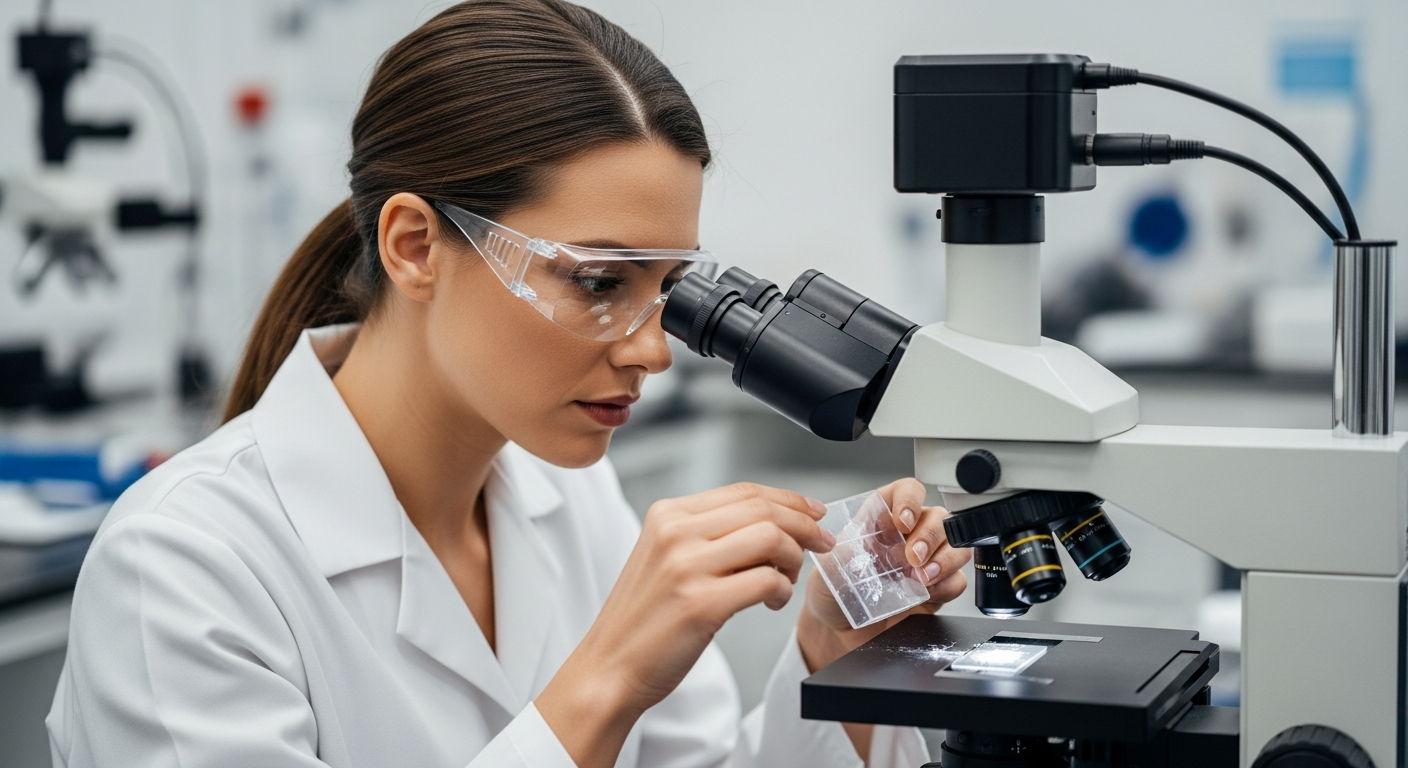
Each type of degradation follows its own unique pathway, leading to specific changes in the polymer’s properties. Understanding these different types is crucial for selecting appropriate materials and implementing effective protection strategies.
Thermal degradation occurs when polymers are exposed to high temperatures, causing the polymer chains to break down. This is a common issue in high-temperature applications, such as automotive components or aerospace materials.
Photodegradation, on the other hand, is caused by exposure to ultraviolet (UV) radiation from sunlight or artificial sources. The UV radiation can break chemical bonds in the polymer, leading to discoloration, cracking, and loss of strength, often requiring UV stabilizers.
Chemical degradation involves the reaction of polymers with chemicals, such as acids, bases, or oxidizing agents. This type of degradation can occur in industrial settings or in harsh chemical environments.
Finally, biological degradation is caused by the action of microorganisms, such as bacteria, fungi, or enzymes. This is particularly relevant for polymers used in biomedical applications or in environments where microorganisms are present.
Thermal Degradation: A Closer Look
Thermal degradation is a significant concern for polymers exposed to elevated temperatures. This process involves the breaking of chemical bonds within the polymer structure due to heat.
The effects of thermal degradation can range from subtle changes in color to a complete loss of structural integrity. The specific temperature at which degradation begins varies depending on the type of polymer.
| Polymer Type | Degradation Temperature (°C) | Primary Degradation Products |
|---|---|---|
| Polyethylene (PE) | 300-400 | Alkanes, Alkenes, Hydrogen |
| Polypropylene (PP) | 250-350 | Alkenes, Volatile Hydrocarbons |
| Polyvinyl Chloride (PVC) | 150-250 | Hydrogen Chloride (HCl), Aromatic Compounds |
| Polystyrene (PS) | 300-400 | Styrene Monomer, Oligomers |
| Polymethyl Methacrylate (PMMA) | 200-300 | Methyl Methacrylate Monomer |
Several factors influence the rate of thermal degradation, including the polymer’s chemical structure and the presence of stabilizers. Polymers with weaker bonds are more susceptible to thermal breakdown.
Photodegradation: The Impact of Light
Photodegradation is the breakdown of polymers caused by exposure to light, particularly UV radiation. This type of degradation is especially problematic for polymers used outdoors or in applications where they are exposed to sunlight.
The UV radiation can initiate a chain reaction that leads to the breaking of chemical bonds and the formation of free radicals. These free radicals then react with the polymer chains, causing chain scission and cross-linking.
The visible signs of photodegradation include discoloration, yellowing, cracking, and a loss of mechanical strength. The extent of photodegradation depends on the intensity and duration of light exposure, as well as the polymer’s chemical structure.
Certain polymers, such as polypropylene (PP) and polyvinyl chloride (PVC), are particularly susceptible to photodegradation. To mitigate this, UV stabilizers are often added to polymers to absorb UV radiation and prevent it from damaging the polymer chains.
Another approach to preventing photodegradation is to apply coatings that block UV radiation. These coatings can be applied to the surface of the polymer to protect it from the harmful effects of light.
The use of pigments can also provide some protection against photodegradation. Pigments can absorb or reflect UV radiation, reducing the amount of light that reaches the polymer chains.
Chemical Degradation: Reactions and Interactions
Chemical degradation occurs when polymers react with various chemical substances, leading to changes in their properties. This type of degradation can be caused by acids, bases, oxidizing agents, and other reactive chemicals.
The specific reactions involved in chemical degradation depend on the type of polymer and the chemical environment. For example, some polymers are susceptible to hydrolysis, where water molecules break the polymer chains.
Other polymers may undergo oxidation, where they react with oxygen, leading to chain scission and cross-linking. Chemical degradation can also occur through reactions with acids or bases, which can catalyze the breakdown of the polymer chains.
The effects of chemical degradation can include swelling, dissolution, embrittlement, and a loss of mechanical strength. The rate of chemical degradation depends on the concentration of the chemical, the temperature, and the polymer’s resistance to the chemical.
To prevent chemical degradation, it is important to select polymers that are resistant to the specific chemicals they will be exposed to. Protective coatings can also be applied to the surface of the polymer to prevent chemical contact.
Additionally, controlling the chemical environment, such as by reducing the concentration of reactive chemicals, can help to minimize chemical degradation. Regular monitoring of the polymer’s properties can also help to detect chemical degradation early on, allowing for timely intervention.
Biological Degradation: The Role of Microorganisms
Biological degradation is the breakdown of polymers by the action of microorganisms, such as bacteria, fungi, and enzymes. This type of degradation is particularly relevant for polymers used in biomedical applications, packaging, and agriculture.
Microorganisms can secrete enzymes that break down the polymer chains into smaller molecules, which they then consume as a food source. The rate of biological degradation depends on the type of polymer, the type of microorganism, and the environmental conditions, such as temperature and humidity.
Some polymers, such as cellulose and starch, are readily biodegradable, while others, such as polyethylene and polypropylene, are much more resistant to biodegradation. Biodegradable polymers are designed to break down in a relatively short period of time, making them suitable for applications where disposal is a concern.
However, even non-biodegradable polymers can undergo some degree of biological degradation over a long period of time. This can lead to changes in their properties and a loss of structural integrity.
To prevent biological degradation, antimicrobial agents can be added to polymers to inhibit the growth of microorganisms. Protective coatings can also be applied to the surface of the polymer to prevent microbial attack.
Additionally, controlling the environmental conditions, such as by reducing humidity and temperature, can help to minimize biological degradation. Regular cleaning and disinfection of polymer surfaces can also help to prevent microbial growth.
Factors Affecting Degradation Rate
The rate at which polymer degradation occurs is influenced by a variety of factors, both intrinsic and extrinsic. Intrinsic factors relate to the polymer’s inherent properties, while extrinsic factors are external environmental conditions.
Understanding these factors is crucial for predicting the lifespan of polymer materials and developing strategies to slow down the degradation process. The chemical structure of the polymer is one of the most important intrinsic factors affecting degradation rate.
Polymers with weaker chemical bonds are more susceptible to degradation than those with stronger bonds. The molecular weight of the polymer also plays a role, with lower molecular weight polymers generally degrading faster than higher molecular weight polymers.
Extrinsic factors include temperature, light exposure, chemical environment, and mechanical stress. Higher temperatures generally accelerate degradation processes, as do exposure to UV radiation and aggressive chemicals.
Mechanical stress can also contribute to degradation by creating microcracks and other defects in the polymer structure. The presence of oxygen and moisture can also accelerate degradation, particularly in the case of oxidation and hydrolysis.
Finally, the presence of additives, such as stabilizers and antioxidants, can significantly slow down the degradation rate. These additives work by scavenging free radicals, absorbing UV radiation, or otherwise protecting the polymer chains from degradation.
Identifying Signs of Polymer Degradation
Recognizing the signs of polymer degradation early on is crucial for preventing further damage and ensuring the safety and reliability of polymer-based products. Visual inspection is often the first step in identifying polymer breakdown.
Common visual signs include discoloration, cracking, crazing (the formation of fine cracks on the surface), and chalking (the formation of a powdery residue on the surface). Changes in the polymer’s surface appearance, such as a loss of gloss or the appearance of blisters, can also indicate degradation.
Changes in the polymer’s mechanical properties, such as a decrease in tensile strength, elongation, or impact resistance, can also indicate degradation. These changes can be measured using standard mechanical testing methods.
Changes in the polymer’s thermal properties, such as a decrease in melting point or glass transition temperature, can also indicate degradation. These changes can be measured using differential scanning calorimetry (DSC) or other thermal analysis techniques.
Chemical analysis techniques, such as infrared spectroscopy (IR) and nuclear magnetic resonance (NMR), can also be used to identify chemical changes in the polymer structure that indicate degradation. These techniques can detect the formation of new chemical groups or the breaking of existing bonds.
By carefully monitoring these signs, it is possible to detect polymer degradation early on and take appropriate action to prevent further damage. This may involve replacing the degraded material, applying protective coatings, or modifying the environmental conditions.
Preventing and Mitigating Polymer Degradation
Preventing and mitigating polymer degradation is essential for extending the lifespan and maintaining the performance of polymer-based products. There are several strategies that can be used to achieve this, including material selection, the use of additives, and environmental control.
Selecting the right polymer for a specific application is crucial for minimizing degradation. Consider the environmental conditions the polymer will be exposed to and choose a polymer that is resistant to those conditions.
- Use UV stabilizers to protect against photodegradation
- Add antioxidants to prevent oxidation
- Incorporate thermal stabilizers for high-temperature applications
- Apply protective coatings to prevent chemical attack
- Employ antimicrobial agents to inhibit biological degradation
Controlling the environmental conditions can also help to minimize polymer degradation. This may involve reducing the temperature, humidity, or exposure to UV radiation.
Applications Where Degradation is a Concern
Polymer degradation is a significant concern in a wide range of applications, from automotive and aerospace to biomedical and packaging. In the automotive industry, polymers are used in a variety of components, including interior trim, exterior panels, and under-the-hood parts.
These components are exposed to a variety of environmental conditions, including high temperatures, UV radiation, and chemicals, which can lead to degradation. In the aerospace industry, polymers are used in aircraft structures, interior components, and coatings.
These materials must be able to withstand extreme temperatures, UV radiation, and mechanical stress without degrading. In the biomedical field, polymers are used in medical devices, implants, and drug delivery systems.
These materials must be biocompatible and resistant to degradation in the body. The packaging industry relies heavily on polymers for food packaging, consumer product packaging, and industrial packaging.
These materials must protect the contents from environmental factors such as moisture, oxygen, and light, while also being resistant to degradation themselves. In agriculture, polymers are used in greenhouse films, irrigation pipes, and mulch films.
These materials are exposed to sunlight, moisture, and soil microorganisms, which can lead to degradation. Understanding and mitigating polymer degradation is therefore essential for ensuring the performance, safety, and longevity of products in these and many other applications.
The Role of Polymer Degradation Mechanisms in Recycling
While polymer degradation is often viewed as a negative phenomenon, it plays a crucial role in recycling and waste management. Controlled degradation can be utilized to break down polymers into smaller molecules that can be reused as raw materials.
This process, known as chemical recycling, offers a promising alternative to traditional mechanical recycling, which can only handle certain types of polymers and often results in lower-quality recycled materials. Chemical recycling can convert mixed plastic waste into valuable chemicals and fuels, reducing the reliance on virgin resources and minimizing environmental impact.
Different degradation methods can be employed in chemical recycling, including pyrolysis, hydrolysis, and gasification. Pyrolysis involves heating the polymer in the absence of oxygen, breaking it down into smaller molecules that can be further processed.
Hydrolysis uses water to break the polymer chains, while gasification converts the polymer into a gaseous mixture that can be used as a fuel or chemical feedstock. By understanding and controlling the polymer degradation mechanisms, we can develop more efficient and sustainable recycling processes.
This can help to reduce plastic waste, conserve resources, and create a circular economy for polymers. Further research and development in this area are essential for realizing the full potential of chemical recycling and addressing the global plastic waste challenge.
Conclusion
Polymer degradation is a complex phenomenon that can significantly impact the performance and lifespan of polymer-based products. Understanding the various degradation mechanisms, including thermal, photo, chemical, and biological degradation, is crucial for selecting appropriate materials and implementing effective protection strategies.
By considering the factors that affect degradation rate, such as chemical structure, temperature, and light exposure, engineers can design more durable and sustainable polymer materials. Early identification of degradation signs, such as discoloration, cracking, and changes in mechanical properties, is also essential for preventing further damage.
Preventing and mitigating polymer degradation involves a combination of material selection, the use of additives, and environmental control. Furthermore, controlled degradation plays a vital role in recycling and waste management, offering a sustainable solution for plastic waste.
Continued research and development in this field are essential for advancing our understanding of polymer degradation and developing innovative strategies to combat it. This will lead to the creation of more durable, sustainable, and environmentally friendly polymer materials for a wide range of applications.