
High-performance coatings are essential for protecting and enhancing the materials we use every day. From the cars we drive to the buildings we live in, these specialized coatings offer a shield against wear, corrosion, and environmental damage.
But their benefits extend beyond simple protection; they can also add functionality, improve aesthetics, and even contribute to energy efficiency. Understanding the science behind high performance coatings is key to unlocking their full potential across diverse industries.
This article will explore the world of high performance coatings, examining their types, properties, applications, and selection criteria. Whether you’re an engineer, designer, or simply curious about the materials that shape our world, this guide provides a comprehensive overview of this critical technology.
What are High-Performance Coatings?
High-performance coatings are specialized surface treatments designed to provide superior protection and enhanced functionality compared to conventional coatings. These coatings are engineered to withstand harsh conditions, resist degradation, and maintain their properties over extended periods.
Unlike standard paints or varnishes, high performance coatings are formulated with advanced materials and technologies to meet specific performance requirements. They are used in a wide array of applications, from aerospace and automotive to construction and marine industries.
The key differentiator of high-performance coatings lies in their ability to provide exceptional durability, chemical resistance, and physical strength. These coatings often incorporate specialized polymers, additives, and application techniques to achieve optimal performance.
Consider, for instance, the coatings used on offshore oil rigs, which must endure constant exposure to saltwater, extreme temperatures, and corrosive chemicals. Standard coatings would quickly fail under these conditions, leading to costly repairs and potential environmental hazards.
Types of High-Performance Coatings
The world of high-performance coatings is vast, encompassing a variety of chemistries and formulations tailored to specific needs. Each type offers unique advantages and is suited for different applications and environments.
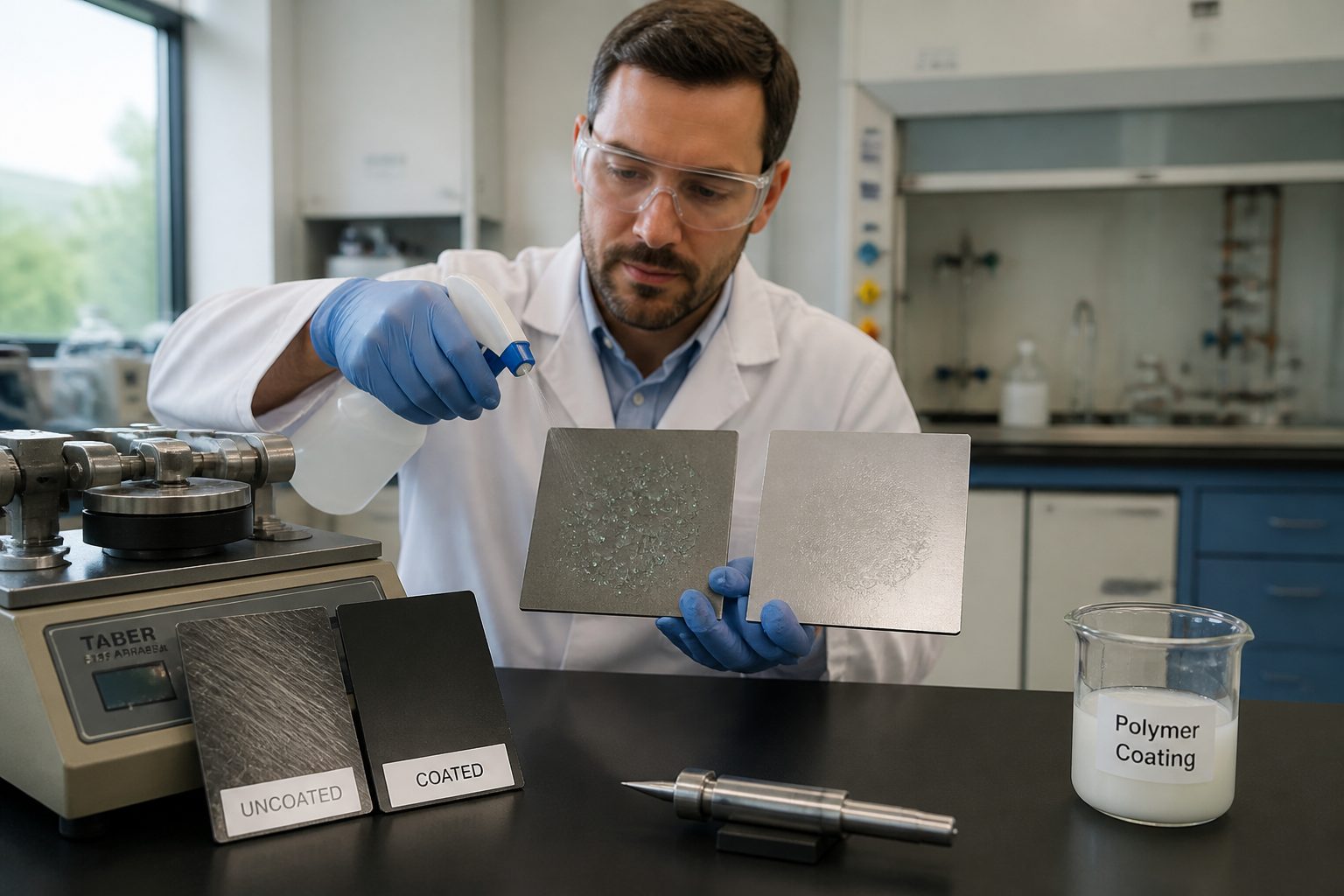
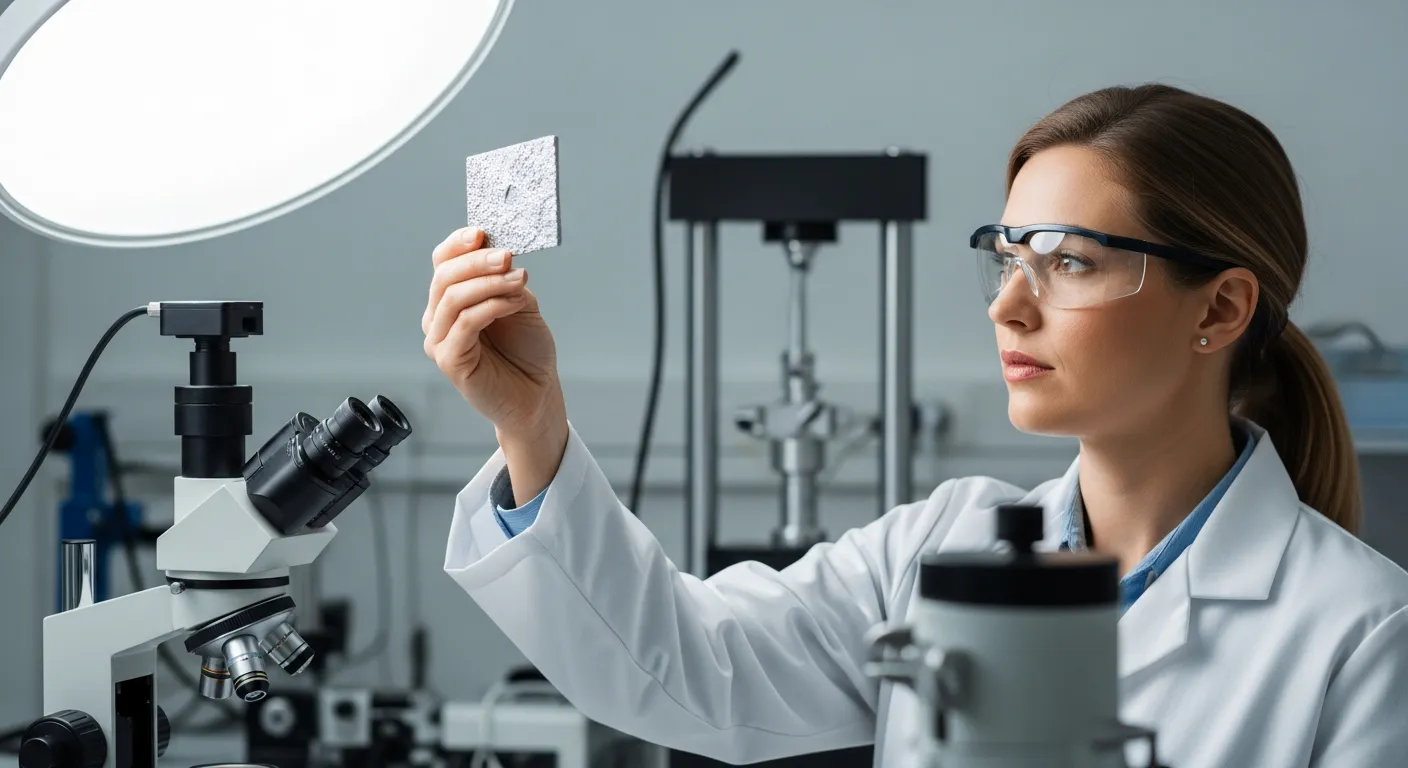
Here are some of the most common types of high performance coatings, along with their key characteristics and uses. Understanding these distinctions is crucial for selecting the right coating for a given project.
Epoxy coatings are known for their excellent adhesion, chemical resistance, and durability. They are widely used in industrial settings, such as flooring, pipelines, and storage tanks, where protection against corrosion and abrasion is paramount.
Polyurethane coatings offer exceptional flexibility, impact resistance, and UV protection. These coatings are often found in automotive finishes, aircraft coatings, and exterior architectural applications, providing long-lasting aesthetics and structural integrity.
Fluoropolymer coatings, such as Teflon, are prized for their non-stick properties, chemical inertness, and high-temperature resistance. They are commonly used in cookware, chemical processing equipment, and aerospace components, where friction reduction and chemical compatibility are essential.
Ceramic coatings provide superior hardness, abrasion resistance, and thermal stability. These coatings find applications in cutting tools, engine components, and high-wear surfaces, extending the lifespan of critical parts.
Key Properties of High-Performance Coatings
Several key properties define the performance of high-performance coatings and dictate their suitability for specific applications. These properties determine how well a coating protects a substrate and maintains its integrity over time.
Understanding these characteristics is essential for engineers and designers when selecting the appropriate coating for a given environment and performance requirement. Let’s examine some of the most important properties.
| Property | Description | Importance |
|---|---|---|
| Corrosion Resistance | Ability to withstand degradation from chemical or electrochemical reactions. | Critical for protecting metal substrates in harsh environments. |
| Abrasion Resistance | Ability to resist wear and tear from friction and mechanical contact. | Essential for surfaces exposed to frequent use or abrasive materials. |
| Chemical Resistance | Ability to resist degradation from exposure to various chemicals and solvents. | Important in chemical processing, storage, and transportation industries. |
| UV Resistance | Ability to withstand degradation from exposure to ultraviolet radiation. | Crucial for exterior applications to prevent fading, cracking, and chalking. |
| Thermal Stability | Ability to maintain properties over a range of temperatures. | Necessary for applications involving high or low-temperature environments. |
| Adhesion | Ability to bond strongly to the substrate material. | Fundamental for ensuring long-term coating performance and preventing delamination. |
Consider the example of a pipeline transporting corrosive chemicals; the coating must exhibit exceptional chemical resistance to prevent leaks and environmental contamination. Similarly, coatings on aircraft wings must possess excellent UV resistance to withstand the damaging effects of sunlight at high altitudes.
Applications Across Various Industries
High-performance coatings find applications in nearly every industry, providing critical protection and enhanced functionality to a wide range of products and infrastructure. Their versatility and ability to tailor properties make them indispensable in modern manufacturing and construction.
From aerospace to healthcare, these coatings play a vital role in ensuring the reliability, safety, and longevity of various components and structures. Let’s explore some specific examples across different sectors.
In the aerospace industry, high-performance coatings protect aircraft components from extreme temperatures, corrosion, and abrasion. These coatings are applied to engine parts, landing gear, and exterior surfaces to ensure safe and efficient operation.
The automotive industry relies on high performance coatings to enhance the durability, aesthetics, and corrosion resistance of vehicles. Coatings are used on car bodies, wheels, and interior components to protect against scratches, UV damage, and chemical exposure.
In the construction sector, high-performance coatings protect buildings and infrastructure from weathering, corrosion, and graffiti. These coatings are applied to bridges, skyscrapers, and other structures to extend their lifespan and reduce maintenance costs.
The marine industry utilizes high performance coatings to protect ships, offshore platforms, and underwater equipment from saltwater corrosion and biofouling. These coatings are essential for maintaining the structural integrity and operational efficiency of maritime assets.
Application Methods
The effectiveness of a high-performance coating is not solely determined by its formulation; the application method plays a crucial role in achieving optimal performance. Different techniques are suited for different coating types, substrate materials, and desired finish characteristics.
Selecting the appropriate application method is essential for ensuring proper adhesion, uniform thickness, and overall coating quality. Here are some of the most common application methods used for high-performance coatings.
- Spray Coating
- Electrostatic Spray Coating
- Powder Coating
- Dip Coating
- Brush and Roller Application
Consider the application of a fluoropolymer coating to cookware; spray coating is often used to achieve a thin, even layer with excellent non-stick properties. For large-scale applications, such as coating automotive parts, electrostatic spray coating provides efficient and uniform coverage.
The choice of application method also depends on the complexity of the part and the required level of precision. Intricate parts may require specialized techniques to ensure complete and consistent coverage.
Surface Preparation
Surface preparation is a critical step in the application of high-performance coatings, often dictating the long-term success of the coating system. Proper surface preparation ensures that the coating adheres properly to the substrate and provides the intended level of protection.
Neglecting surface preparation can lead to premature coating failure, resulting in costly repairs and potential damage to the underlying material. Here are some common surface preparation techniques.
Abrasive blasting involves using pressurized air to propel abrasive media, such as sand, steel grit, or aluminum oxide, against the surface to remove contaminants, rust, and old coatings. This method creates a rough surface profile, enhancing coating adhesion.
Chemical cleaning involves using solvents, acids, or alkaline solutions to remove grease, oil, and other contaminants from the surface. This method is often used in conjunction with abrasive blasting to ensure a clean and chemically receptive surface.
Mechanical cleaning involves using tools such as wire brushes, grinders, or sanders to remove loose material and surface imperfections. This method is suitable for smaller areas or when abrasive blasting is not feasible.
Phosphating is a chemical treatment that creates a thin layer of phosphate crystals on the surface of steel or aluminum. This layer improves corrosion resistance and provides a better surface for paint adhesion.
Curing and Drying
Curing and drying are essential processes in the application of high-performance coatings, as they determine the final properties and performance of the coating film. Curing involves chemical reactions that crosslink the polymer chains in the coating, creating a durable and resistant film.
Drying, on the other hand, involves the evaporation of solvents or water from the coating, allowing the film to solidify. The specific curing and drying methods depend on the type of coating and the desired performance characteristics.
Air drying is a simple method where the coating is left to dry at ambient temperature. This method is suitable for coatings with low solvent content and does not require specialized equipment.
Heat curing involves using ovens or infrared lamps to accelerate the curing process. This method is commonly used for coatings that require high crosslinking density and fast turnaround times.
UV curing utilizes ultraviolet light to initiate the polymerization process in the coating. This method is fast, energy-efficient, and produces coatings with excellent scratch and chemical resistance.
Moisture curing involves using atmospheric moisture to trigger the curing reaction. This method is often used for polyurethane coatings and provides good adhesion to damp surfaces.
Quality Control and Testing
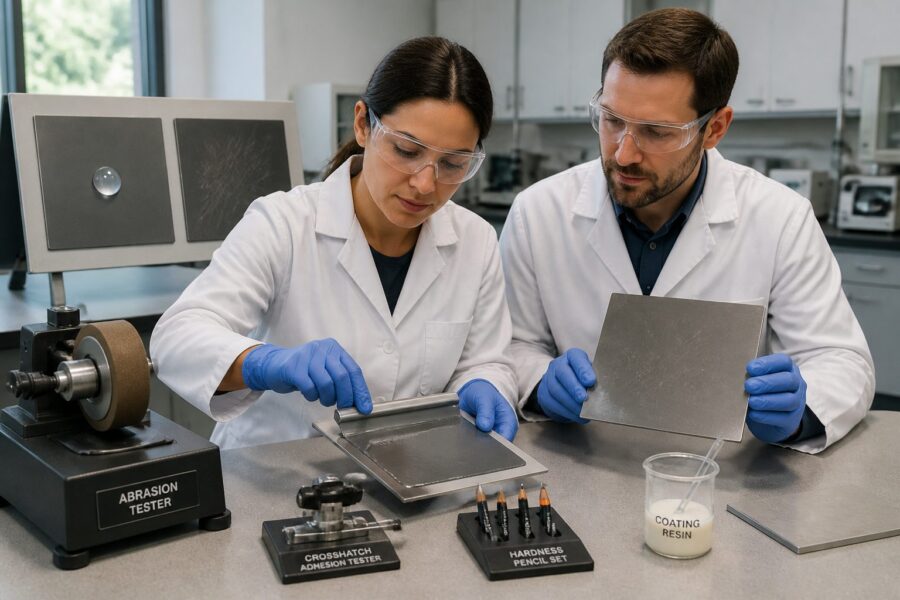
Quality control and testing are crucial to ensure that high-performance coatings meet the required specifications and provide the intended level of protection. These processes involve evaluating the coating’s properties, such as thickness, adhesion, hardness, and resistance to various environmental factors.
Regular testing helps identify potential defects or weaknesses in the coating system, allowing for corrective actions to be taken before significant damage occurs. Here are some common quality control and testing methods.
Thickness measurement involves using instruments such as magnetic gauges or ultrasonic testers to determine the coating’s thickness. Accurate thickness control is essential for achieving optimal performance and preventing premature failure.
Adhesion testing involves using methods such as pull-off tests or cross-cut tests to assess the coating’s bond strength to the substrate. Good adhesion is critical for long-term coating durability.
Hardness testing involves using instruments such as pencil hardness testers or indentation testers to measure the coating’s resistance to scratching and abrasion. Hardness is an important indicator of the coating’s ability to withstand wear and tear.
Corrosion testing involves exposing the coated samples to corrosive environments, such as salt spray chambers, to evaluate their resistance to corrosion. This test helps predict the coating’s performance in real-world conditions.
Choosing the Right Coating
Selecting the right high performance coatings for a specific application involves careful consideration of various factors, including the substrate material, environmental conditions, performance requirements, and budget constraints. A thorough understanding of these factors is essential for achieving optimal results and avoiding costly mistakes.
It’s not always the most expensive option that delivers the best results; a well-chosen, appropriately applied coating can often outperform a more costly but less suitable alternative. Here are some key considerations when choosing a high-performance coating.
Consider the type of material you are coating; is it metal, plastic, wood, or concrete? Each material has different surface properties and requires coatings with specific adhesion characteristics. For example, coatings for aluminum may require pretreatments to enhance adhesion.
Think about the environment the coating will be exposed to; will it be exposed to sunlight, saltwater, chemicals, or extreme temperatures? Coatings for marine environments, for instance, must be highly resistant to saltwater corrosion and biofouling.
Determine the performance requirements of the coating; does it need to be abrasion-resistant, chemical-resistant, UV-resistant, or thermally stable? Coatings for cutting tools, for example, must be extremely hard and abrasion-resistant.
Evaluate the cost of the coating, including material costs, application costs, and maintenance costs. Consider the long-term benefits of a durable coating that reduces the need for frequent repairs or replacements.
Environmental Considerations
Environmental considerations are becoming increasingly important in the selection and application of high-performance coatings. Traditional coatings often contain volatile organic compounds (VOCs) and other hazardous substances that can contribute to air pollution and pose health risks.
Regulations are becoming stricter, and consumers are demanding more sustainable products, driving the development of environmentally friendly coating technologies. Here are some key environmental considerations.
Waterborne coatings use water as the primary solvent, reducing VOC emissions compared to solvent-based coatings. These coatings are becoming increasingly popular due to their lower environmental impact and improved performance.
Powder coatings are applied as a dry powder and cured by heat, eliminating the need for solvents. This technology is highly efficient and produces coatings with excellent durability and finish quality.
UV-curable coatings use ultraviolet light to initiate the polymerization process, reducing energy consumption and VOC emissions. These coatings are fast-curing and offer excellent scratch and chemical resistance.
Bio-based coatings are derived from renewable resources such as plant oils and sugars, reducing reliance on fossil fuels. These coatings offer a more sustainable alternative to traditional petroleum-based coatings.
Future Trends in High-Performance Coatings
The field of high-performance coatings is constantly evolving, driven by technological advancements, changing regulatory requirements, and increasing demands for sustainability. Several exciting trends are shaping the future of this industry, promising even greater performance and environmental benefits.
Researchers are exploring new materials and technologies to create coatings with enhanced properties and functionalities. Here are some key trends to watch.
Self-healing coatings can repair minor damage automatically, extending the coating’s lifespan and reducing maintenance costs. These coatings incorporate microcapsules or other mechanisms that release healing agents when the coating is scratched or damaged.
Smart coatings can respond to changes in the environment, such as temperature, humidity, or pH, altering their properties accordingly. These coatings have applications in sensors, actuators, and adaptive camouflage.
Nanomaterials, such as nanoparticles and nanotubes, are being incorporated into coatings to enhance their mechanical, thermal, and electrical properties. These materials can improve the coating’s hardness, abrasion resistance, and conductivity.
Additive manufacturing, also known as 3D printing, is being used to create coatings with complex geometries and customized properties. This technology enables the creation of coatings with tailored performance characteristics for specific applications.
Conclusion
High performance coatings are indispensable tools for protecting and enhancing materials across a wide range of industries. Their ability to withstand harsh conditions, resist degradation, and provide enhanced functionality makes them essential for ensuring the reliability, safety, and longevity of various products and infrastructure.
As technology advances and environmental regulations become stricter, the field of high performance coatings continues to evolve, driving the development of innovative materials and application methods. By understanding the science behind these coatings and staying abreast of future trends, engineers, designers, and manufacturers can unlock their full potential and create a more durable, sustainable, and efficient world.