
The quest for materials that balance performance with environmental responsibility drives significant innovation in engineering. Traditional synthetic composites, while strong, often come with a heavy ecological footprint due to their petroleum-derived constituents. This reality pushes researchers and industries to explore more sustainable options for advanced materials.
Natural fiber composites are emerging as a compelling answer to this challenge, offering a pathway toward greener manufacturing. These materials leverage renewable plant resources, reducing reliance on fossil fuels and often providing excellent mechanical properties. This shift is not just about environmental consciousness; it is about smart, forward-thinking material science.
Understanding the science behind natural fiber composites engineering is essential for anyone serious about the future of sustainable design. We are talking about materials that can genuinely compete with synthetic counterparts while being kinder to the planet. The potential for bio-based composite materials is immense, and its implications stretch across numerous industries.
Overview of Natural Fibers Used in Composites
Natural fibers represent a diverse group of materials derived from plants, animals, or minerals, but our focus today is squarely on plant-based options. These fibers offer unique advantages, including their renewable nature and generally lower density compared to synthetic fibers like glass or carbon. Their widespread availability makes them attractive for large-scale production of bio-based composite materials.
Plant fibers, specifically, come from various parts of plants, such as the stem (bast fibers like flax, hemp, jute), leaves (like sisal, abaca), or seeds (like cotton, coir). Each type possesses distinct characteristics that make it suitable for different composite applications. Engineers must carefully select fibers based on the desired end-product properties.
Bast fibers like flax, hemp, and jute are particularly interesting for natural fiber composites engineering due to their high specific strength and stiffness. These properties often rival those of glass fibers, especially when considering strength-to-weight ratios. Their cellular structure also provides good acoustic and thermal insulation properties, adding further value.
The cultivation of these fibers generally requires less energy and fewer chemicals than the production of synthetic alternatives. This aspect significantly contributes to their appeal as sustainable composite alternatives. When considering the entire lifecycle of a product, from raw material sourcing to end-of-life disposal, natural fibers often show a much lower environmental impact.
Beyond their environmental benefits, natural fibers also offer processing advantages. They are less abrasive to processing equipment, which can extend tool life in manufacturing settings. This reduces maintenance costs and overall production overhead, presenting a clear economic incentive.
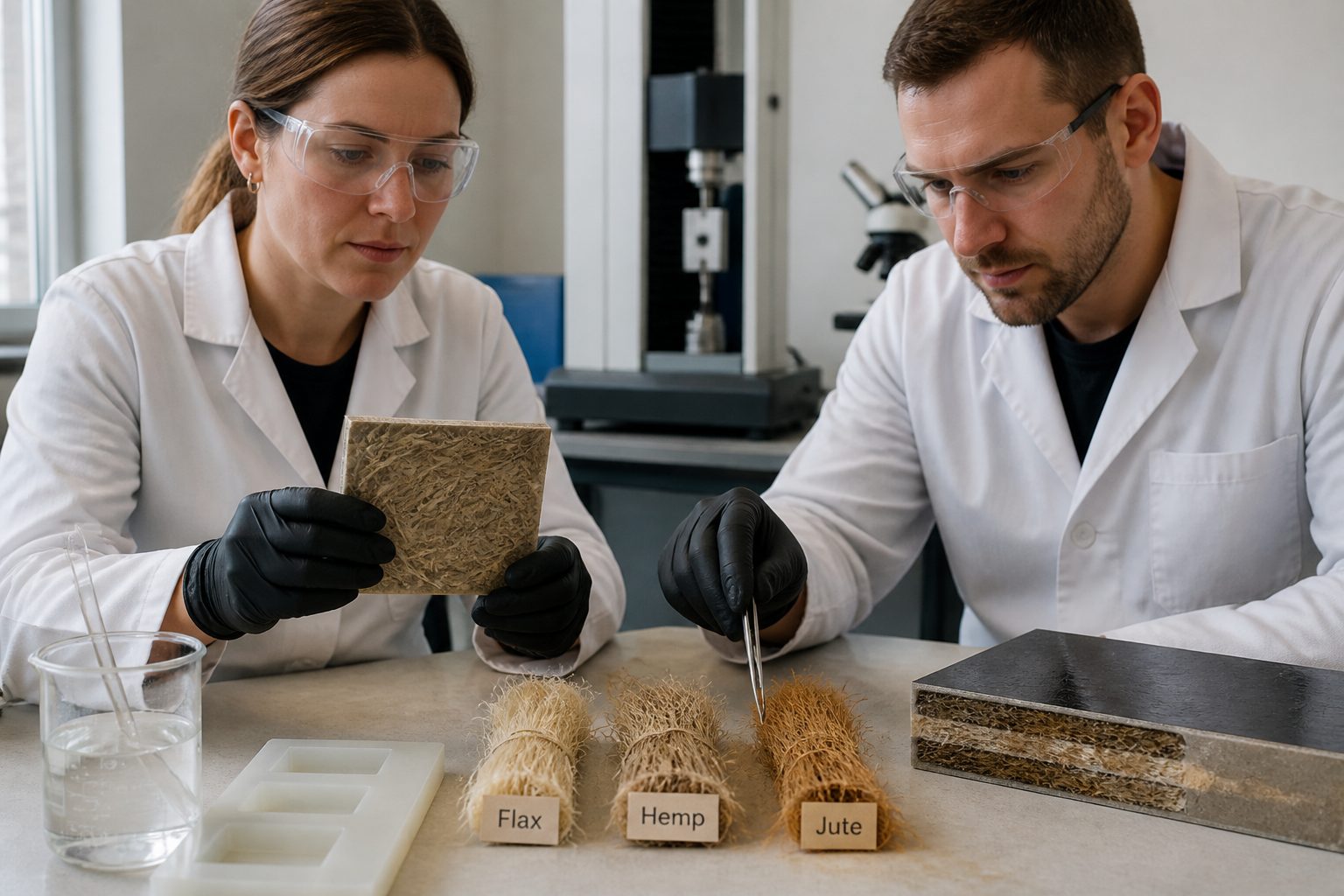
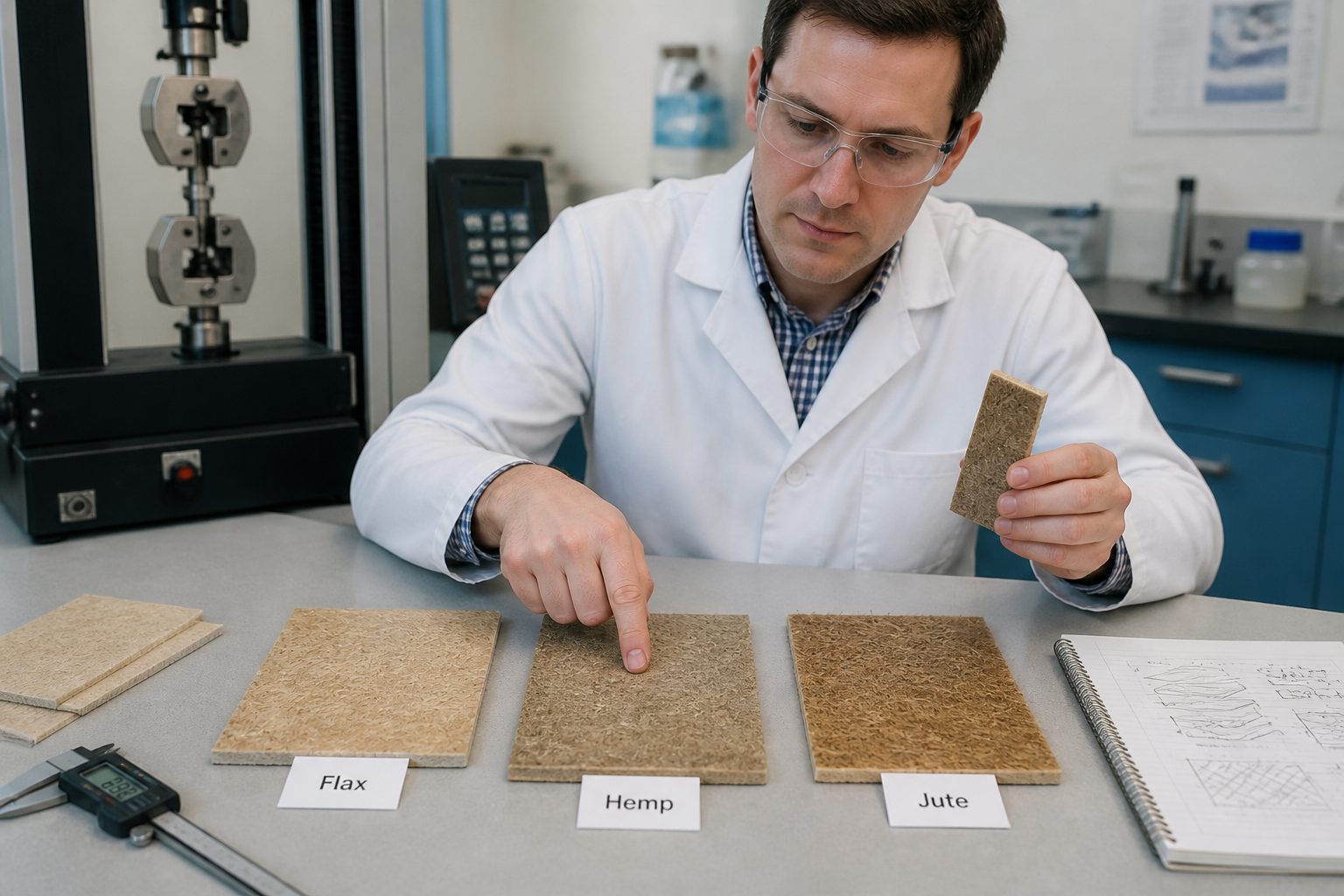
The inherent biodegradability of many natural fibers is another significant factor, especially for applications where end-of-life disposal is a concern. While not all natural fiber composites are fully biodegradable (due to the matrix material), the fiber component itself can often return to the natural cycle. This allows for more responsible waste management strategies.
However, natural fibers are not without their challenges; variability in properties, moisture absorption, and lower thermal stability compared to synthetics are real issues. Addressing these requires sophisticated natural fiber composites engineering techniques, including proper fiber selection, treatment, and matrix compatibility. Researchers are constantly refining methods to overcome these limitations, pushing the boundaries of what is possible with these materials.
The continued growth in research and development for bio-based composite materials shows a strong commitment from the scientific community. This ensures a steady stream of innovations aimed at optimizing performance and expanding application possibilities. We are seeing a real maturation of this field as more industries recognize its value.
Properties of Flax, Hemp, and Jute as Reinforcements
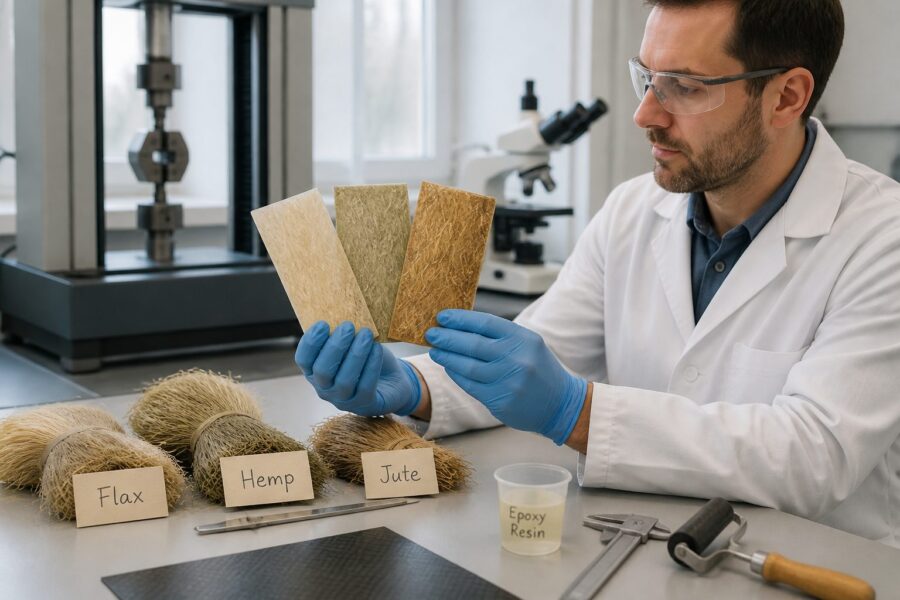
Flax, hemp, and jute are three of the most widely studied and utilized natural fibers for reinforcing polymer matrices. Each fiber brings a distinct set of mechanical and physical properties to the table, influencing the final composite performance. Understanding these differences is crucial for effective natural fiber composites engineering.
Flax fiber, renowned for its high specific strength and stiffness, is often considered a direct competitor to glass fiber in certain applications. Its fine structure and relatively low density make it an excellent choice for lightweight yet strong bio-based composite materials. Hemp, while slightly coarser, offers good strength-to-weight ratios and high energy absorption, which is valuable for impact resistance.
| Fiber Type | Tensile Strength (MPa) | Tensile Modulus (GPa) | Density (g/cm³) | Key Advantage |
|---|---|---|---|---|
| Flax | 500-1500 | 50-100 | 1.4-1.5 | High specific strength & stiffness |
| Hemp | 550-900 | 50-70 | 1.4-1.5 | Good impact resistance & energy absorption |
| Jute | 300-600 | 20-55 | 1.3-1.5 | Cost-effective, good processability |
| E-Glass (for comparison) | 2000-3500 | 70-80 | 2.5-2.6 | High strength, but heavier |
Processing Natural Fibers for Composite Applications
The journey from raw plant material to a functional composite reinforcement involves several critical processing steps for natural fibers. These steps are vital for optimizing fiber properties and ensuring good integration into the polymer matrix. Effective processing is a cornerstone of successful natural fiber composites engineering.
Initially, raw flax, hemp, or jute stalks undergo retting, a microbial or chemical process that breaks down the pectin binding the fibers to the stem. This separation is crucial for extracting individual fiber bundles from the plant stalk. Different retting methods, like dew retting or water retting, influence fiber quality and consistency, impacting the final bio-based composite materials.
Following retting, the fibers are typically subjected to decortication, which physically separates the woody core (shives) from the bast fibers. This mechanical process further cleans the fibers and prepares them for subsequent processing. The goal is to obtain relatively clean, long fiber bundles suitable for spinning or direct use in composite manufacturing.
After decortication, fibers are often carded or combed to align them and remove shorter, weaker fibers. This alignment is particularly important for achieving anisotropic properties in composites, where strength is desired in a specific direction. The resulting fiber rovings or mats are then ready for impregnation with a polymer resin, forming the basis of the composite.
The choice of composite manufacturing technique also heavily influences fiber preparation and overall composite performance. Traditional methods like hand lay-up, vacuum infusion, resin transfer molding (RTM), and compression molding are all applicable. Each method has its own requirements for fiber form, whether it is woven fabrics, non-woven mats, or chopped fibers.
For thermoplastic matrices, extrusion and injection molding processes are commonly used, often with chopped natural fibers. This requires careful control over fiber length and dispersion to prevent agglomeration and ensure uniform reinforcement. The thermal stability of natural fibers is a consideration here, as high processing temperatures can degrade them.
Newer techniques like automated fiber placement (AFP) and filament winding are also being adapted for natural fibers, especially for high-performance applications. These advanced methods allow for precise fiber orientation and high fiber volume fractions, pushing the limits of what sustainable composite alternatives can achieve. The precision involved helps in mitigating some of the natural variability of the fibers.
Overall, optimizing these processing steps is key to unlocking the full potential of natural fibers in composite applications. It ensures that the inherent strength and stiffness of the fibers are translated effectively into the final composite product. This continuous refinement of processing techniques is a critical area of development in natural fiber composites engineering.
Mechanical Performance of Natural Fiber Composites
The mechanical performance of natural fiber composites is a central concern for their widespread adoption and a key area of natural fiber composites engineering. Engineers must characterize tensile strength, flexural strength, impact resistance, and fatigue behavior to ensure these materials meet application demands. Performance directly influences where these bio-based composite materials can be used effectively.
When properly engineered, flax fiber reinforced polymer (FFRP) composites can achieve specific strengths and stiffnesses comparable to or even surpassing those of E-glass composites. This is particularly true in applications where weight reduction is a primary objective. The intrinsic properties of flax make it a standout choice among sustainable composite alternatives for structural components.
Hemp fiber composites also exhibit excellent mechanical properties, often showing superior impact energy absorption compared to flax. This makes them particularly suitable for applications requiring good toughness and resistance to sudden loads. Their ability to deform without catastrophic failure adds a layer of safety and durability to products.
Jute fiber composites, while generally having lower strength properties than flax or hemp, offer a cost-effective solution for many non-structural or semi-structural applications. They still provide significant reinforcement compared to unreinforced polymers and contribute to a lighter, more sustainable product. Their availability and low cost make them attractive for high-volume manufacturing.
The fiber volume fraction, fiber length, and fiber orientation all play critical roles in determining the mechanical performance of the final composite. Higher fiber content generally leads to increased strength and stiffness, up to an optimal point where resin impregnation becomes difficult. Longer fibers provide better load transfer and reinforcement compared to shorter, chopped fibers.
Proper adhesion between the natural fibers and the polymer matrix is absolutely essential for achieving optimal mechanical properties. A weak interface leads to poor load transfer, resulting in premature failure and reduced overall strength. Surface treatments, which we will discuss next, are often employed to enhance this crucial fiber-matrix compatibility.
Environmental factors, such as moisture absorption and temperature fluctuations, can also influence the long-term mechanical performance of natural fiber composites. Natural fibers are hydrophilic, meaning they tend to absorb water, which can plasticize the matrix and weaken the fiber-matrix interface. This challenge requires careful material selection and sometimes protective coatings.
Despite these challenges, ongoing research in natural fiber composites engineering continues to yield promising results, improving both short-term and long-term performance. Innovations in fiber modification, matrix formulation, and composite design are continuously pushing these materials toward broader industrial acceptance. The performance gap with synthetic fibers is narrowing in many key areas, which is incredibly exciting for the future of materials.
Surface Treatment and Fiber-Matrix Compatibility
Achieving strong adhesion between hydrophilic natural fibers and typically hydrophobic polymer matrices is a persistent challenge in natural fiber composites engineering. The inherent differences in polarity and surface chemistry often lead to poor interfacial bonding, compromising overall mechanical performance. This issue is a primary focus for improving bio-based composite materials.
Surface treatments are employed to modify the fiber surface, enhancing its compatibility with the polymer matrix and improving load transfer. These treatments can alter surface roughness, remove impurities, or introduce functional groups that can chemically bond with the matrix resin. Effective treatment directly translates to stronger, more reliable sustainable composite alternatives.
- Alkali Treatment (Mercerization)
- Silane Treatment
- Acetylation
- Maleated Anhydride Grafting
- Enzyme Treatment
- Plasma Treatment
- Ultraviolet (UV) Irradiation
Applications in Automotive, Construction, and Consumer Goods
The versatility and environmental benefits of natural fiber composites are driving their adoption across a wide array of industries. From lightweight automotive components to durable construction materials and stylish consumer goods, natural fiber composites engineering is opening new avenues for sustainable product design. These applications demonstrate the practical advantages of bio-based composite materials.
In the automotive sector, the push for lighter vehicles and reduced carbon footprints makes natural fiber composites an attractive option. Components like interior door panels, seat backs, trunk liners, and even exterior body parts are now being manufactured using flax fiber reinforced polymer and other natural fiber blends. This shift directly contributes to improved fuel efficiency and lower emissions, a huge win for the environment.
Companies like Mercedes-Benz, BMW, and Ford have already integrated natural fiber composites into various vehicle models, showcasing their confidence in these materials. They appreciate the weight savings and the positive perception associated with using sustainable composite alternatives. The aesthetic appeal of natural fibers also adds a unique touch to vehicle interiors, which is an unexpected bonus.
The construction industry is another significant area where natural fiber composites are gaining traction, especially for non-structural and semi-structural applications. Boards, panels, insulation materials, and even concrete reinforcement elements are being developed with fibers like hemp and jute. These materials offer good thermal and acoustic properties, alongside their renewable nature.
Using natural fiber composites in construction can help reduce the embodied energy of buildings, making them more environmentally friendly from conception to completion. Their relatively low density also simplifies handling and installation on job sites. This represents a tangible step towards more sustainable building practices globally.
In the realm of consumer goods, the potential for natural fiber composites is equally exciting, driven by increasing consumer demand for eco-friendly products. Examples include sports equipment like skis and surfboards, furniture, electronic casings, and even musical instruments. The unique texture and appearance of natural fibers often lend a premium, natural aesthetic to these products.
Designers appreciate the ability of natural fibers to create visually appealing products that also boast a strong sustainability story. This combination of aesthetics, performance, and environmental responsibility makes them ideal for brands targeting conscious consumers. The market for products made from sustainable composite alternatives is growing rapidly, reflecting changing consumer values.
Beyond these major sectors, natural fiber composites are also finding niches in aerospace (for non-critical components), marine applications, and packaging. As natural fiber composites engineering continues to advance, we expect to see even more innovative and unexpected applications emerge. The possibilities are truly expanding as research provides more robust solutions and understanding.
Conclusion
Natural fiber composites represent a transformative shift in materials science, offering a compelling blend of performance and environmental responsibility. The continuous advancements in natural fiber composites engineering underscore their potential to redefine various industries. We are not just talking about minor improvements; this is a fundamental rethinking of how we build and design.
Flax, hemp, and jute, with their distinct properties, stand out as leading candidates for reinforcing polymers, providing strength, stiffness, and impact resistance. Their natural abundance and renewability make them indispensable in the pursuit of truly sustainable composite alternatives. These fibers are proving that high performance does not have to come at the expense of the planet.
The intricacies of processing natural fibers, from retting to advanced manufacturing techniques, are constantly being refined to optimize fiber-matrix integration. This careful attention to detail ensures that the inherent benefits of the fibers are fully realized in the final product. Engineers are pushing boundaries to unlock every bit of potential within these plant-based materials.
Achieving robust mechanical performance and ensuring long-term durability remain central goals, with ongoing research focusing on enhancing fiber-matrix compatibility through innovative surface treatments. These scientific efforts are directly addressing the challenges that once limited the widespread adoption of these materials. The progress we are seeing is genuinely inspiring.
The expanding applications of natural fiber composites in automotive, construction, and consumer goods highlight their proven viability and growing market acceptance. Industries are recognizing the tangible benefits, both in terms of performance and branding, that come with embracing bio-based composite materials. This trend shows no signs of slowing down.
While challenges like moisture sensitivity and property variability persist, dedicated research and development efforts are steadily providing solutions. The scientific community is committed to overcoming these hurdles, paving the way for even broader integration of these materials. It is a dynamic field, with new discoveries emerging regularly.
The future of materials science undeniably leans towards sustainability, and natural fiber composites are poised to play a pivotal role in this evolution. Investing in natural fiber composites engineering is not just an environmental choice; it is a strategic move towards innovative, resilient, and responsible manufacturing practices. This direction promises a more sustainable and efficient future for everyone.
Embracing these materials means contributing to a circular economy, reducing waste, and lessening our collective environmental footprint. It is an exciting time to be involved in the development and application of these cutting-edge materials. The path forward is clearly marked by the potential of these remarkable plant-derived solutions.