
The oil and gas industry operates in some of the most challenging environments on Earth. From the depths of the ocean to scorching deserts, equipment faces constant assault from corrosion, extreme temperatures, and high pressures.
Traditional materials often struggle to withstand these conditions, leading to costly repairs, downtime, and even environmental disasters. That’s where fiber reinforced polymers in oil and gas come into play, offering a robust alternative with a range of benefits.
This article will explore the use of fiber reinforced polymers in oil and gas, examining their applications in pipeline repair, corrosion protection, and offshore structures. We’ll also discuss the advantages that FRPs bring to the table, making them an increasingly attractive option for the industry.
The Harsh Environment of Oil and Gas Operations
Oil and gas operations are notorious for their demanding conditions. Equipment is constantly exposed to a cocktail of corrosive substances, including saltwater, hydrogen sulfide, and carbon dioxide.
These elements can wreak havoc on metal structures, leading to corrosion that weakens pipelines, platforms, and other critical infrastructure. Temperature extremes also pose a significant challenge.
In cold regions, materials can become brittle and prone to cracking, while in hot climates, they can lose strength and deform. High pressures, both internal and external, further exacerbate these issues, putting immense stress on equipment and increasing the risk of failure.
Offshore operations face the added burden of constant wave action and marine growth, which can accelerate corrosion and add weight to structures. The combination of these factors creates a relentless environment that demands materials with exceptional durability and resistance to degradation.
The corrosive nature of produced fluids and the surrounding environment necessitates frequent inspections and maintenance. This adds to the operational costs and increases the risk of accidents.
The presence of hydrogen sulfide (H2S) is particularly dangerous, as it is a highly toxic gas that can cause rapid corrosion of steel. Special alloys and protective coatings are often required to mitigate the effects of H2S.
Furthermore, the extreme pressures encountered in deep-sea drilling and production put immense strain on equipment. This requires materials that can withstand these pressures without failing, ensuring the safety and reliability of operations.
The remote locations of many oil and gas operations also present logistical challenges. Transporting heavy equipment and materials to these locations can be difficult and expensive, making lightweight and durable materials like FRPs even more attractive.
Environmental regulations are becoming increasingly stringent, further emphasizing the need for materials that can minimize the risk of leaks and spills. The industry is constantly seeking innovative solutions to address these challenges and improve the safety and efficiency of its operations.
Fiber Reinforced Polymers (FRPs): An Overview
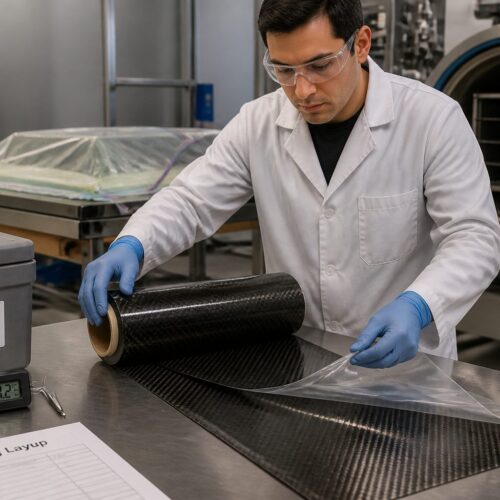
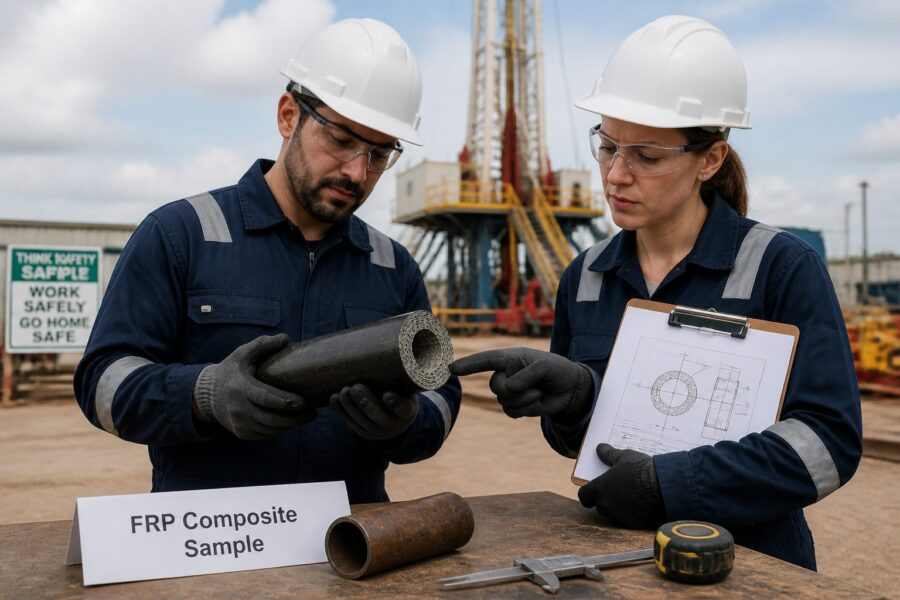
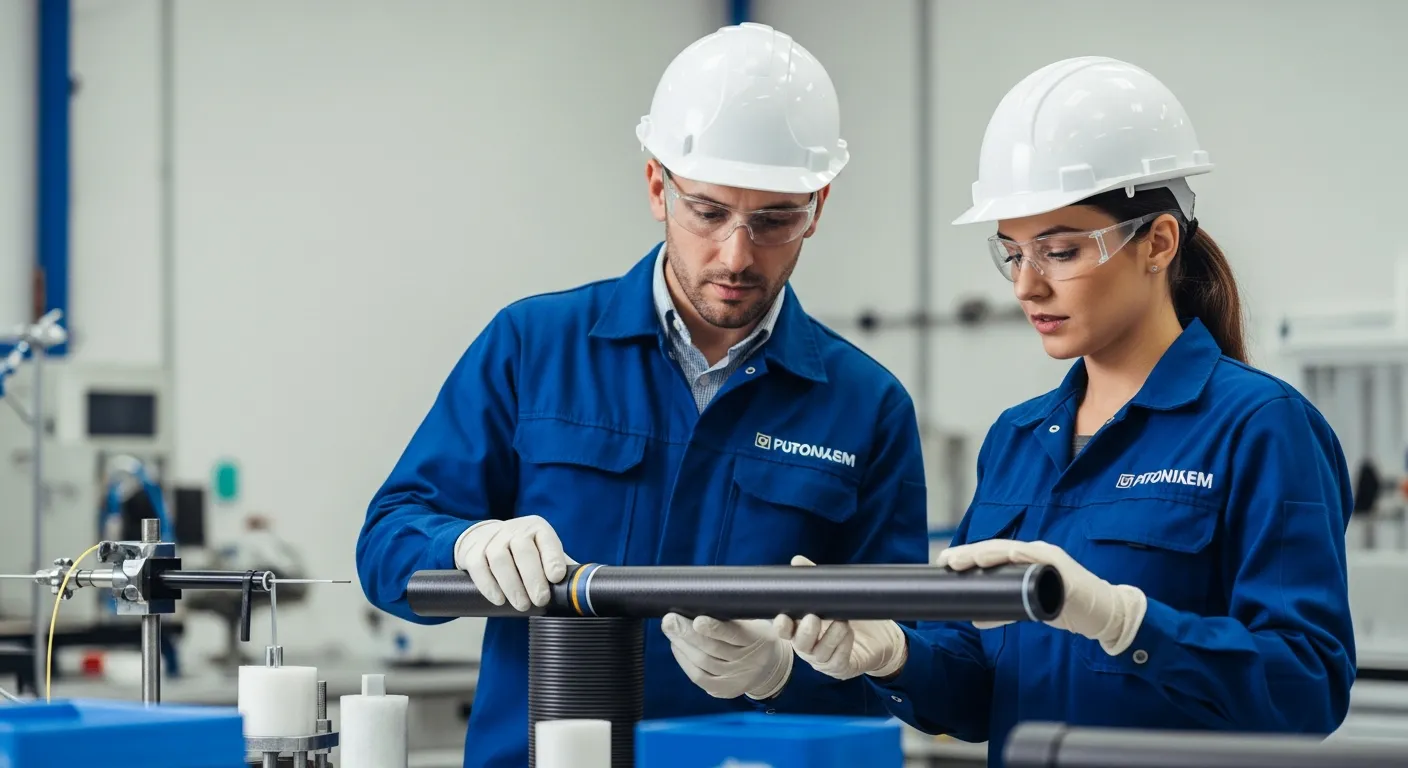
Fiber reinforced polymers, or FRPs, are composite materials made up of two main components: fibers and a matrix. The fibers provide strength and stiffness, while the matrix binds the fibers together and protects them from the environment.
Common fiber materials include carbon, glass, and aramid, each with its own unique properties. The matrix is typically a thermosetting resin, such as epoxy, polyester, or vinyl ester, which cures to form a solid, durable material.
FRPs offer a number of advantages over traditional materials like steel and concrete. They are lightweight, corrosion-resistant, and have high strength-to-weight ratios, making them ideal for applications where weight reduction and durability are critical.
FRPs can also be tailored to specific performance requirements by varying the type and orientation of the fibers, as well as the composition of the matrix. This versatility allows engineers to design FRP solutions that meet the unique demands of the oil and gas industry.
The specific type of fiber used in an FRP composite significantly impacts its mechanical properties. Carbon fibers offer exceptional strength and stiffness, making them suitable for high-performance applications.
Glass fibers are more cost-effective and provide good strength and impact resistance. Aramid fibers, like Kevlar, offer excellent toughness and energy absorption capabilities.
The matrix material also plays a crucial role in the overall performance of the FRP. Epoxy resins are known for their high strength, chemical resistance, and adhesion properties.
Polyester resins are more economical and offer good resistance to moisture and weathering. Vinyl ester resins provide a balance of strength, chemical resistance, and cost.
The manufacturing process of FRPs can also influence their properties. Techniques like pultrusion, filament winding, and resin transfer molding are used to create FRP components with specific shapes and characteristics. The combination of fiber type, matrix material, and manufacturing process allows for the creation of FRP composites tailored to specific oil and gas applications.
FRPs in Pipeline Repair
Pipelines are the arteries of the oil and gas industry, transporting vast quantities of product over long distances. Damage or corrosion to these pipelines can have serious consequences, including leaks, explosions, and environmental contamination.
Traditional pipeline repair methods, such as welding or replacing damaged sections, can be costly and time-consuming, often requiring shutdowns and disruptions to service. Fiber reinforced polymers offer a faster, more cost-effective alternative for pipeline repair.
| FRP Repair System | Application | Advantages |
|---|---|---|
| Wrap Systems | External corrosion, dents, gouges | Fast installation, minimal downtime, high strength |
| Sleeve Systems | Through-wall defects, leaks | Reinforces damaged area, prevents further degradation |
| Internal Liners | Internal corrosion, erosion | Reduces friction, improves flow, protects against future damage |
| Patch Repairs | Localized damage, small leaks | Simple application, cost-effective |
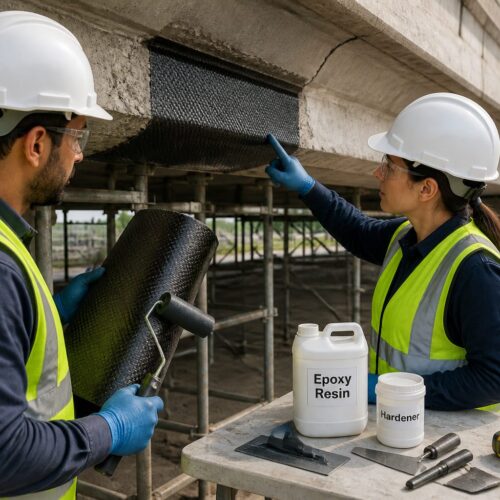
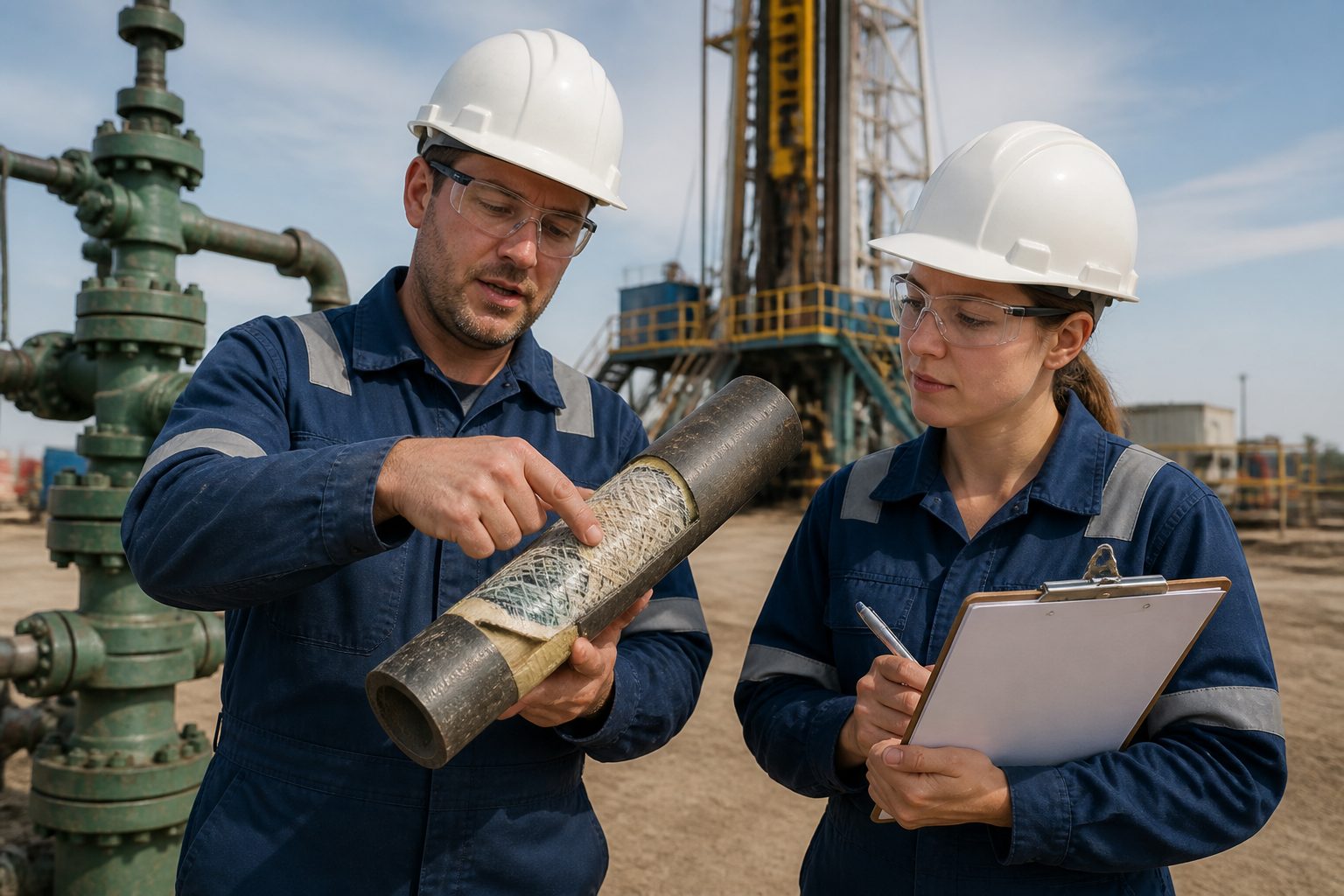
FRP wrap systems, for example, can be applied directly to the external surface of a pipeline to reinforce weakened areas and prevent further corrosion. These systems typically consist of layers of fiber fabric impregnated with resin, which are wrapped around the pipe and allowed to cure, forming a strong, protective barrier.
FRP composite materials are also used to create sleeve systems that can be installed around damaged sections of pipe to provide additional support and prevent leaks. Internal liners made from FRPs can be inserted into pipelines to protect against internal corrosion and erosion, extending the life of the pipeline and reducing the risk of failures.
The application of FRP wrap systems typically involves surface preparation, such as cleaning and profiling the pipe surface. This ensures proper adhesion of the FRP composite to the pipeline.
The resin is then mixed and applied to the fiber fabric, which is carefully wrapped around the damaged area. The number of layers and the orientation of the fibers are determined based on the severity of the damage and the operating conditions of the pipeline.
Sleeve systems are often used for more severe damage, such as through-wall defects or leaks. These systems typically consist of two halves that are bolted together around the damaged section of pipe, providing a structural reinforcement.
Internal liners can be installed using various methods, such as pull-in-place or inversion techniques. These liners provide a smooth, corrosion-resistant barrier that protects the pipe from further degradation.
Patch repairs are a quick and easy solution for localized damage, such as small leaks or pinholes. These repairs typically involve applying a small piece of FRP composite material to the damaged area.
Using FRPs for Corrosion Protection
Corrosion is a major threat to the integrity of oil and gas infrastructure. It leads to weakened structures, leaks, and costly repairs.
Fiber reinforced polymers provide an effective barrier against corrosion, preventing corrosive substances from reaching the underlying metal. FRP coatings can be applied to pipelines, storage tanks, and other equipment to protect them from the harsh environment.
These coatings are typically applied in multiple layers to ensure complete coverage and long-lasting protection. FRPs are also used to create structural components that are inherently corrosion-resistant, eliminating the need for additional coatings or cathodic protection systems.
For example, FRP gratings and handrails can replace traditional steel components in offshore platforms, reducing maintenance costs and improving safety. FRP composite materials are also used in the construction of new pipelines and storage tanks, providing a durable and corrosion-resistant alternative to steel.
The effectiveness of FRP coatings depends on proper surface preparation. This involves removing any existing corrosion, cleaning the surface, and applying a primer to enhance adhesion.
The FRP coating is then applied in multiple layers, with each layer carefully inspected to ensure complete coverage. The thickness of the coating is determined based on the severity of the corrosive environment and the desired service life.
FRPs can also be used to create double-walled storage tanks, providing an extra layer of protection against leaks and spills. The space between the two walls can be monitored for any signs of leakage, allowing for early detection and prevention of environmental contamination.
In addition to coatings and structural components, FRPs are also used to create corrosion-resistant pipes and fittings. These components are designed to withstand the harsh conditions of oil and gas operations without corroding or degrading.
The use of FRPs for corrosion protection can significantly reduce maintenance costs and extend the lifespan of oil and gas infrastructure. This leads to improved safety and reduced environmental impact.
Applications in Offshore Structures
Offshore oil and gas platforms face unique challenges due to their exposure to saltwater, wave action, and extreme weather conditions. Traditional materials like steel are susceptible to corrosion and fatigue, requiring frequent inspections and repairs.
Fiber reinforced polymers offer a lightweight, durable alternative for a variety of applications in offshore structures. FRP composite materials are used to construct decks, walkways, and other structural components, reducing the overall weight of the platform and improving its stability.
- External strengthening of existing steel structures
- Construction of new, lightweight topside modules
- Protection of subsea pipelines and cables
- Manufacturing of risers and flowlines
- Creation of durable and corrosion-resistant splash zones
FRPs are also used to strengthen existing steel structures, extending their service life and reducing the need for costly replacements. FRP composite materials can be used to protect subsea pipelines and cables from damage, ensuring the reliable transport of oil and gas.
Additionally, FRPs are employed in the manufacturing of risers and flowlines, providing a lightweight and corrosion-resistant alternative to steel. The splash zone, the area of the platform that is constantly exposed to wave action, is particularly vulnerable to corrosion.
FRPs are ideal for creating splash zone protection systems that can withstand the constant assault of saltwater and waves. These systems typically consist of FRP panels or wraps that are applied to the steel structure.
The lightweight nature of FRPs also makes them ideal for constructing topside modules, which are the living quarters and equipment areas on the platform. Reducing the weight of these modules can significantly reduce the overall cost of the platform.
FRPs are also used to create cable trays and other support structures for electrical and instrumentation systems. These components are corrosion-resistant and non-conductive, improving the safety and reliability of the platform.
The use of FRPs in offshore structures can also reduce the need for heavy lifting equipment during installation. This can significantly reduce installation costs and improve safety.
FRPs are also being explored for use in the construction of floating offshore platforms, which are becoming increasingly popular for deep-water oil and gas production. The lightweight and durable nature of FRPs makes them an ideal material for these applications.
Benefits of FRPs in Oil and Gas
The use of fiber reinforced polymers in the oil and gas industry offers a wide range of benefits. One of the most significant advantages is their corrosion resistance.
FRPs are not susceptible to rust or oxidation, which means they can withstand the harsh conditions of oil and gas operations without degrading. This reduces the need for costly repairs and maintenance, extending the lifespan of equipment and infrastructure.
FRPs are also lightweight compared to traditional materials like steel and concrete. This can lead to significant weight savings in offshore structures, reducing the load on the platform and improving its stability.
The high strength-to-weight ratio of FRPs also allows for the construction of lighter, more efficient components, reducing transportation and installation costs. FRPs can be easily molded into complex shapes, allowing for greater design flexibility and customization.
This makes them ideal for applications where space is limited or where unique geometries are required. The use of fiber reinforced polymers in oil and gas can also improve safety by reducing the risk of leaks, explosions, and structural failures.
Reduced downtime is another major benefit of using FRPs. The faster installation times of FRP repair systems and the reduced need for maintenance can significantly minimize downtime.
This translates to increased production and revenue for oil and gas companies. FRPs also offer excellent fatigue resistance, which is particularly important in offshore structures that are subjected to constant wave action.
The ability of FRPs to withstand repeated stress cycles without failing makes them a reliable choice for these demanding applications. Furthermore, FRPs are non-conductive, which eliminates the risk of galvanic corrosion when used in conjunction with metal components.
This is particularly important in offshore environments, where saltwater can accelerate corrosion. The low thermal conductivity of FRPs also provides insulation, reducing heat loss and improving energy efficiency.
Finally, FRPs are environmentally friendly materials. They require less energy to produce than steel and concrete, and they do not release harmful substances into the environment.
Case Studies: Successful FRP Implementations
Numerous case studies demonstrate the effectiveness of fiber reinforced polymers in oil and gas applications. One example is the use of FRP wrap systems to repair corroded pipelines in the Middle East.
These systems were installed quickly and efficiently, restoring the integrity of the pipelines and preventing further leaks. In another case, FRP composite materials were used to construct a new offshore platform in the Gulf of Mexico.
The platform was significantly lighter than a traditional steel structure, reducing installation costs and improving its stability. FRP gratings and handrails have also been successfully implemented in offshore platforms around the world.
They provide a durable and corrosion-resistant alternative to steel, reducing maintenance costs and improving safety. These case studies showcase the versatility and effectiveness of fiber reinforced polymers in addressing the challenges of the oil and gas industry.
One notable case study involved the use of FRPs to rehabilitate a severely corroded subsea pipeline in the North Sea. The traditional repair methods would have required a complete shutdown of the pipeline, resulting in significant production losses.
Instead, an FRP wrap system was installed underwater, restoring the structural integrity of the pipeline without interrupting production. This saved the company millions of dollars in lost revenue.
Another successful implementation involved the use of FRPs to construct a lightweight helideck on an offshore platform. The FRP helideck was significantly lighter than a traditional steel helideck, reducing the load on the platform and improving its stability.
This also allowed for the installation of a larger helideck, improving the safety and efficiency of helicopter operations. In a different application, FRPs were used to create corrosion-resistant storage tanks for chemicals used in oil and gas production.
The FRP tanks eliminated the risk of corrosion and leaks, protecting the environment and ensuring the safe storage of hazardous materials. These case studies highlight the diverse range of applications for FRPs in the oil and gas industry and their ability to provide cost-effective and reliable solutions.
Challenges and Considerations
While fiber reinforced polymers offer numerous advantages, there are also some challenges and considerations to keep in mind. One of the main concerns is the cost of FRP materials.
FRPs can be more expensive than traditional materials like steel and concrete, although the long-term cost savings from reduced maintenance and extended service life can offset this initial investment. The design and installation of FRP systems require specialized knowledge and expertise.
Engineers need to carefully consider the specific requirements of each application and select the appropriate FRP materials and installation techniques. Quality control is also essential to ensure that FRP systems are properly manufactured and installed.
Regular inspections and testing are necessary to monitor the performance of FRP systems and identify any potential problems before they lead to failures. The long-term durability of FRPs in harsh environments is still being studied, and more research is needed to fully understand their behavior over time.
The fire resistance of FRPs is another important consideration. While some FRPs are inherently fire-resistant, others may require the addition of fire retardants to meet safety regulations.
The disposal of FRPs at the end of their service life is also a challenge. Unlike steel and concrete, FRPs cannot be easily recycled, and alternative disposal methods, such as incineration or landfilling, may have environmental impacts.
The availability of qualified FRP installers and inspectors is also a concern. Proper training and certification are essential to ensure that FRP systems are installed and maintained correctly.
The lack of standardized design codes and guidelines for FRPs in some applications can also make it difficult for engineers to specify and design FRP systems. More research is needed to develop comprehensive design codes and guidelines that address the unique properties of FRPs.
Despite these challenges, the benefits of using FRPs in oil and gas often outweigh the risks. With careful planning, design, and installation, FRPs can provide a cost-effective and reliable solution for a wide range of applications.
The Future of FRPs in the Oil and Gas Sector
The future of fiber reinforced polymers in the oil and gas sector looks promising. As the industry continues to seek out more durable, lightweight, and cost-effective materials, FRPs are poised to play an increasingly important role.
Advances in materials science are leading to the development of new and improved FRPs with enhanced properties, such as higher strength, greater temperature resistance, and improved chemical compatibility. New manufacturing techniques are also making FRPs more affordable and easier to produce.
The use of fiber reinforced polymers in oil and gas is also being driven by increasing environmental concerns. FRPs are a more sustainable alternative to traditional materials, as they require less energy to produce and transport, and they do not corrode or release harmful substances into the environment.
As regulations become stricter and companies strive to reduce their environmental footprint, the demand for FRPs is expected to grow. The oil and gas industry is also exploring new applications for FRPs, such as in the construction of floating platforms and subsea pipelines.
The development of smart FRPs with embedded sensors is also a promising area of research. These sensors can monitor the structural health of FRP components, providing early warning of any potential problems.
This can enable proactive maintenance and prevent costly failures. The use of nanotechnology to enhance the properties of FRPs is also being explored.
Nanomaterials, such as carbon nanotubes and graphene, can be added to FRPs to improve their strength, stiffness, and durability. The development of bio-based FRPs is another area of interest.
These FRPs are made from renewable resources, such as plant fibers and bio-based resins, reducing their environmental impact. The increasing adoption of digital technologies, such as building information modeling (BIM), is also facilitating the use of FRPs in oil and gas.
BIM allows engineers to create detailed 3D models of FRP structures, optimizing their design and performance. The future of FRPs in the oil and gas sector is bright, with ongoing research and development paving the way for new and innovative applications.
Conclusion
Fiber reinforced polymers offer a compelling solution to the challenges faced by the oil and gas industry. Their corrosion resistance, light weight, and high strength make them ideal for a wide range of applications, from pipeline repair to offshore structures.
While there are some challenges and considerations to keep in mind, the benefits of using FRPs in oil and gas are clear. As technology advances and the industry continues to prioritize sustainability, fiber reinforced polymers are expected to become an increasingly important material in the oil and gas industry, ensuring safer, more efficient, and more environmentally responsible operations.
The continued development of new FRP materials and manufacturing techniques will further expand their applications in the oil and gas sector. The industry’s commitment to innovation and sustainability will drive the adoption of FRPs, leading to a more resilient and environmentally friendly future.
By embracing the advantages of FRPs, the oil and gas industry can overcome the challenges of harsh environments and ensure the safe and reliable production of energy for years to come. The future of the oil and gas industry is intertwined with the advancement and implementation of innovative materials like fiber reinforced polymers.