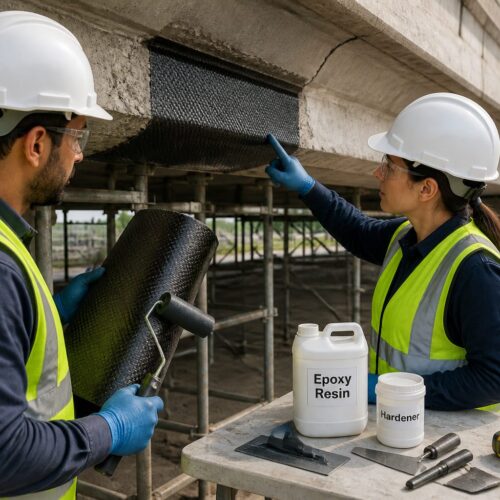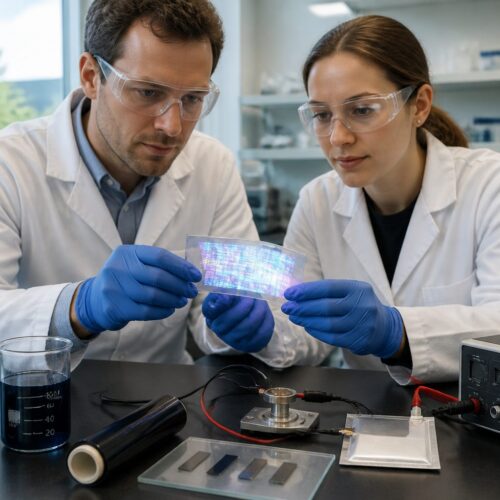

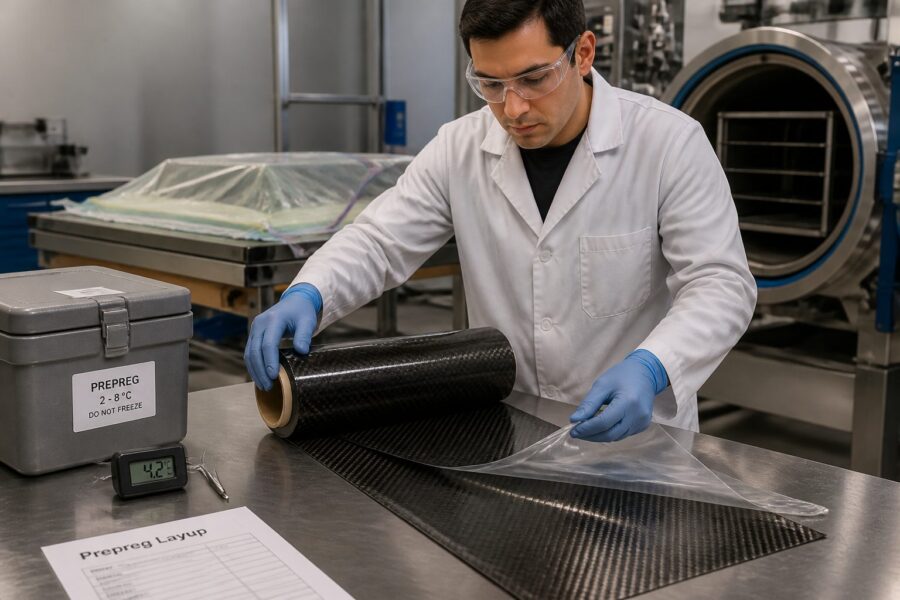
The key to OOA prepreg performance lies in specially formulated resin systems that can effectively manage volatile content and achieve consolidation under lower pressures. These resins often have controlled flow characteristics and unique curing chemistries that facilitate air evacuation. They allow for uniform resin distribution and minimal porosity during an oven cure.
- Reduced capital expenditure on equipment
- Lower energy consumption during cure cycles
- Ability to process larger parts not limited by autoclave size
- Faster cycle times for many applications
- Simplified tooling and process setup
- Improved sustainability through less energy use
- Greater flexibility in manufacturing location
Prepreg Applications in Aerospace, Motorsport, and Wind Energy
Prepreg materials are indispensable across a spectrum of high-performance industries, leveraging their superior strength-to-weight ratio and precise material properties. These sectors demand materials that can withstand extreme conditions, offer longevity, and contribute to overall system efficiency. The inherent consistency of prepreg makes it a preferred choice.
In aerospace, prepreg carbon fiber aerospace components are ubiquitous, forming the backbone of modern aircraft structures. Fuselage sections, wing skins, empennage, and interior components all benefit from the lightweight and stiff characteristics of prepregs. This weight reduction directly translates to improved fuel efficiency and increased payload capacity, which are critical for airline operations.
Aircraft manufacturers widely use prepreg materials for their excellent fatigue resistance and damage tolerance. These properties are crucial for components subjected to millions of stress cycles during an aircraft’s operational life. The reliability of prepreg structures ensures long-term safety and performance in demanding flight environments.
The precision offered by the prepreg composites manufacturing process allows for extremely tight tolerances and reproducible part quality, which is a non-negotiable requirement for aerospace certification. Every component must meet rigorous standards for structural integrity. Prepregs help achieve this consistency.
Motorsport, particularly Formula 1, is another arena where prepreg technology shines. Monocoques, wings, bodywork, and suspension components are almost exclusively made from prepreg carbon fiber. The extreme stiffness and low mass of these parts are paramount for achieving competitive speeds and handling. Every gram saved and every ounce of stiffness gained offers a performance advantage.
Prepregs enable designers to create complex aerodynamic shapes with exceptional surface finish, further enhancing vehicle performance. The ability to precisely control fiber orientation allows for optimized load paths within the chassis, improving safety in high-speed impacts. This material choice directly impacts driver safety and vehicle dynamics.
In the wind energy sector, prepreg composites are fundamental to the construction of massive wind turbine blades. These blades can extend over 100 meters in length and must be incredibly strong, stiff, and lightweight to capture wind energy efficiently. Prepregs allow for the fabrication of these large, complex structures with consistent mechanical properties.
The fatigue life of prepreg materials is especially important for wind turbine blades, which are constantly subjected to dynamic loads from wind gusts and rotational forces. The long operational lifespan of turbines depends heavily on the durability of their composite blades. Prepregs provide the necessary endurance for these demanding applications.
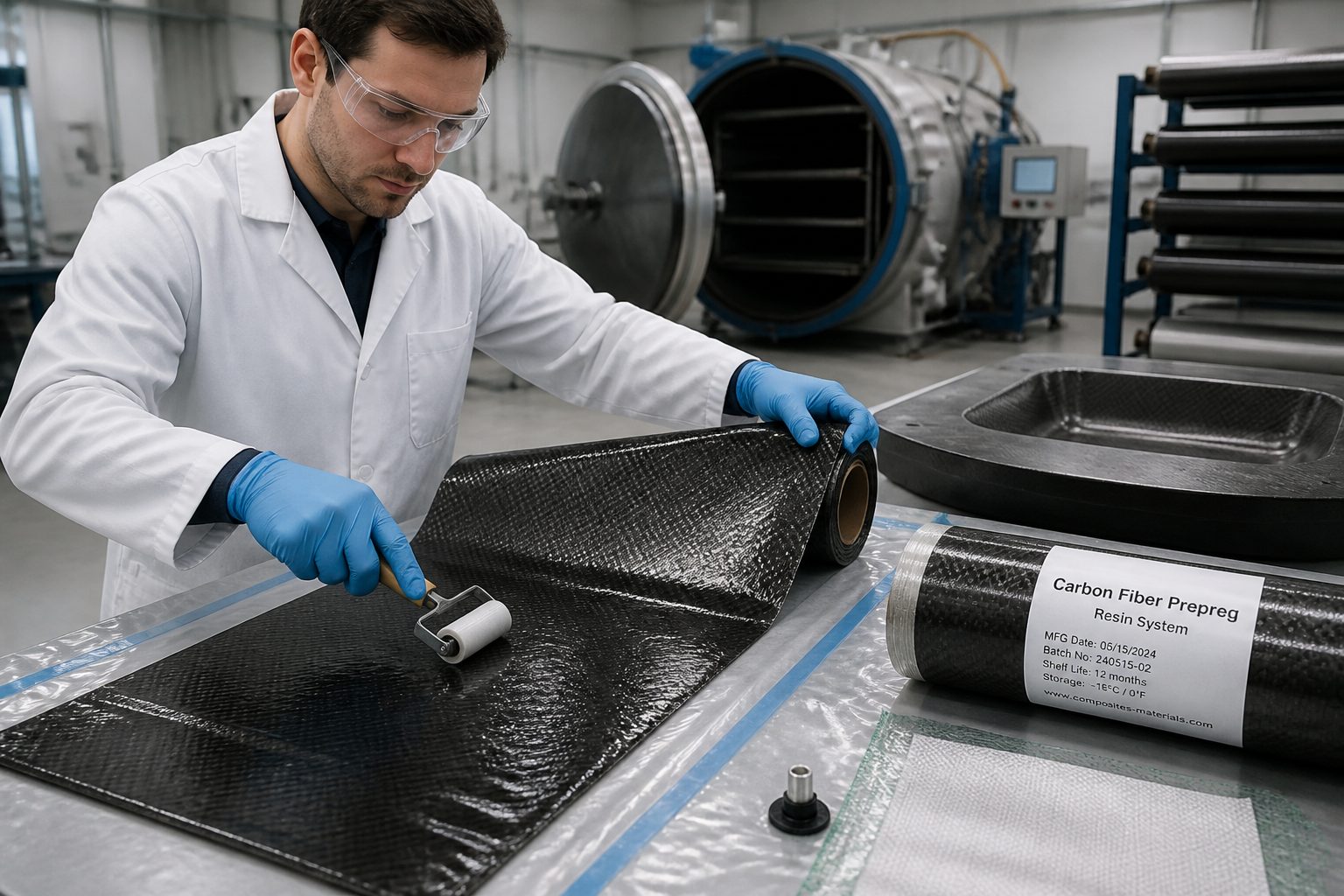
Using prepregs facilitates the automation of blade manufacturing processes, leading to more consistent quality and faster production times. This efficiency is important as the demand for renewable energy continues to grow. The ability to scale production while maintaining quality is a key benefit.
Beyond these major industries, prepregs also find use in marine vessels, sporting goods like high-end bicycles and tennis rackets, and medical devices. Their versatility and performance benefits make them a go-to material for engineers pushing the boundaries of design and functionality. The list of applications continues to expand as new formulations and processing techniques emerge.
Conclusion
Prepreg technology has revolutionized the field of advanced composites, offering a controlled and high-performance pathway for manufacturing complex structures. The ability to precisely control fiber and resin content delivers unparalleled material consistency and mechanical properties. This precision is a major reason for its widespread adoption in demanding applications.
From the meticulous prepreg composites manufacturing process to the careful considerations of storage and handling, every step ensures the integrity of the final product. Understanding these stages is essential for anyone working with these advanced materials. Proper management of prepreg materials directly impacts part quality.
Whether through the rigorous control of autoclave curing composites or the innovative efficiencies of out-of-autoclave prepreg systems, the technology continues to evolve. These advancements broaden the accessibility and applicability of high-performance composites. The industry constantly seeks new ways to optimize these processes for cost and performance.
The impact of prepreg carbon fiber aerospace components, motorsport parts, and wind turbine blades clearly demonstrates the material’s transformative power. These applications benefit immensely from the lightweight, strong, and durable characteristics of prepregs. The performance gains are often substantial and critical for success.
As material science and polymer engineering continue to advance, prepreg technology will undoubtedly see further innovations in resin systems, fiber architectures, and processing techniques. This ongoing development promises even greater capabilities and wider adoption in future engineering challenges. The potential for lighter, stronger, and more efficient structures remains immense.
Prepreg technology stands as a cornerstone in the advanced composites industry, enabling the creation of high-performance structures across many sectors. These pre-impregnated materials offer unparalleled control over fiber-to-resin ratios, which is absolutely critical for achieving optimal mechanical properties. Understanding the prepreg composites manufacturing process is essential for engineers and designers working with these sophisticated materials.
Prepregs remove much of the variability associated with “wet lay-up” processes, where resin is applied manually to dry fibers. This consistency translates directly into more reliable and stronger finished parts. The precise formulation and application of resin during prepreg production allow for a higher degree of material performance.
From aerospace components to sporting goods, prepreg materials provide the foundation for lightweight, stiff, and durable designs. Their widespread adoption highlights their effectiveness in meeting the stringent demands of modern engineering. We will explore the intricacies of prepreg manufacturing, handling, curing, and diverse applications.
What Is Prepreg and How Is It Made
Prepreg, short for “pre-impregnated,” refers to a composite material in which a reinforcing fiber, such as carbon fiber, fiberglass, or aramid, is pre-coated with a precisely metered amount of thermoset or thermoplastic resin. This resin is usually in a partially cured, or “B-stage,” state, giving the material a tackiness that helps in layer consolidation. This pre-impregnation step is a critical part of the prepreg composites manufacturing process, ensuring consistent material properties.
The manufacturing process begins with large rolls of dry fiber, either as unidirectional tapes or woven fabrics. These fibers are carefully unwound and guided through a resin bath or a film-transfer process. The resin, typically epoxy, polyester, or phenolic, is formulated with specific additives to control viscosity, cure time, and final mechanical properties.
In the resin bath method, the fibers pass directly through a tank containing the liquid resin. Rollers then squeeze out excess resin, controlling the fiber volume fraction. This method works well for certain types of prepregs but can be less precise for very thin or highly loaded materials.
The film-transfer method involves impregnating the fibers by pressing them between two films of resin. This technique offers superior control over resin content and distribution, which is especially important for high-performance applications. It helps achieve a more uniform resin thickness and less void content in the final part.
After impregnation, the prepreg material is partially cured under controlled temperature, a process known as B-staging. This partial curing stiffens the resin just enough to make the material handleable without being fully hardened. The B-staged resin still retains some tack, allowing layers to adhere during lay-up.
The material then moves through cooling zones to stabilize the resin’s B-stage state. This cooling prevents further curing and maintains the desired tackiness and drape for subsequent processing. Proper cooling ensures the prepreg remains workable for its intended shelf life.
Finally, the prepreg is typically wound onto rolls, interleaved with release paper or film to prevent layers from sticking together. This preparation allows for easy unwinding and cutting during composite part fabrication. Each roll is then packaged and stored under specific conditions to maintain its integrity.
The precise control over resin content and uniform fiber impregnation sets prepregs apart from other composite manufacturing methods. This consistency is a major advantage for engineers designing parts with critical performance requirements. It minimizes variations that can lead to defects or reduced strength.
Manufacturers often tailor resin systems to specific fiber types and application requirements. This customization includes adjusting rheology, cure kinetics, and thermal properties. The ability to fine-tune these parameters makes prepreg incredibly versatile for many different designs.
Quality control is rigorous throughout the entire prepreg composites manufacturing process. Testing ensures the material meets specifications for resin content, volatile content, tack, and drape. These checks are essential for producing reliable and high-quality prepreg materials for advanced manufacturing.
Unidirectional and Woven Prepreg Formats
Prepreg materials come in two primary fiber architectures: unidirectional (UD) and woven. Each format offers distinct mechanical properties and handling characteristics, making them suitable for different structural requirements. Designers select the appropriate format based on the loading conditions and desired stiffness of the final component.
Unidirectional prepregs feature fibers aligned predominantly in a single direction. This alignment provides exceptional strength and stiffness along that specific axis. They are ideal for applications where loads are primarily experienced in one direction, such as spars, stringers, or specific layers in a laminate where precise load path management is needed.
When using UD prepregs, engineers often stack multiple layers with varying fiber orientations to achieve multi-directional strength. For example, a common lay-up might involve layers oriented at 0°, 90°, and ±45° to resist complex loading scenarios. This strategic layering allows for highly optimized structural performance.
Woven prepregs, by contrast, incorporate fibers interlaced in two or more directions, typically at 0°/90° or ±45°. This textile structure provides inherent stability and balanced mechanical properties in multiple directions within the plane of the fabric. Woven prepregs are easier to handle and cut into complex shapes without distortion compared to UD tapes.
Common weave patterns include plain weave, twill weave, and satin weave, each offering different drapeability and aesthetic qualities. Plain weave is stable but less pliable, while satin weaves are more conformable to complex contours. The choice of weave impacts how easily the material can be formed into a mold.
The interwoven nature of woven prepregs means that individual fibers are not as straight as in UD materials, leading to some reduction in ultimate tensile strength compared to perfectly aligned UD fibers. However, their balanced properties and ease of handling often outweigh this slight compromise in many applications. They offer a good balance of strength, stiffness, and manufacturability.
Some applications combine both UD and woven prepregs within a single laminate structure. UD tapes might be used in areas requiring maximum stiffness in a specific direction, while woven fabrics provide overall structural integrity and damage tolerance. This hybrid approach leverages the strengths of both formats.
The choice between UD and woven prepreg also impacts the cutting and kitting process. UD tapes are often cut by automated ply cutters into precise shapes and orientations. Woven fabrics, being more stable, can be cut with less concern for fiber misalignment.
Prepreg carbon fiber aerospace applications frequently use a combination of these formats to optimize weight and performance. UD layers provide the primary load-carrying capacity in wings and fuselage, while woven fabrics offer impact resistance and shear strength. This careful material selection is critical for safety and efficiency.
Engineers consider factors like part geometry, expected loads, manufacturing complexity, and cost when deciding on the optimal prepreg format. Understanding the nuances of each type allows for the most efficient and effective composite design. The right material choice significantly influences the success of a composite structure.
Storage, Handling, and Shelf Life of Prepreg Materials
Prepreg materials are sensitive to temperature and humidity, requiring strict storage and handling protocols to maintain their properties and extend their usability. Improper storage can lead to premature resin advancement, reduced tack, or changes in mechanical performance. Manufacturers provide specific guidelines that must be followed precisely.
The resin in prepregs is typically in a B-stage, meaning it is partially cured and reactive. Exposure to elevated temperatures accelerates this curing process, reducing the material’s shelf life and workability. Consistent temperature control is therefore paramount for maintaining material quality.
| Condition | Impact on Prepreg | Best Practice |
|---|---|---|
| High Temperature | Accelerates resin cure, reduces tack, shortens shelf life. | Store in freezer at -18°C (0°F) or below. |
| Humidity/Moisture | Can lead to void formation during cure, reduced mechanical properties. | Store in sealed, moisture-proof bags. |
| UV Light Exposure | Degrades resin, affects surface properties. | Store in opaque packaging, away from direct light. |
| Physical Damage | Fiber breakage, resin cracking, contamination. | Handle carefully, avoid sharp bends or impacts. |
| Contamination | Reduces adhesion, creates defects in final part. | Use clean gloves and tools, work in a cleanroom environment. |
| Out-of-Life Material | Poor cure, reduced strength, delamination risk. | Strictly monitor shelf life and out-time; discard expired material. |
Autoclave Curing: Process Parameters and Outcomes
Autoclave curing is the gold standard for fabricating high-performance composite parts from prepreg materials, especially for demanding applications like prepreg carbon fiber aerospace components. This process involves subjecting the laid-up prepreg laminate to controlled heat, pressure, and vacuum within a specialized vessel. The combination of these parameters ensures optimal resin flow, consolidation, and void reduction.
Before autoclave processing, the prepreg laminate is typically placed in a vacuum bag assembly. This assembly includes a peel ply, release film, breather fabric, and a vacuum port, all sealed within a flexible vacuum bag. The vacuum removes air from within the laminate and compaction pressure helps consolidate the layers.
Once the vacuum bag is prepared, it is transferred into the autoclave. The curing cycle begins with a controlled ramp-up in temperature, allowing the resin to soften and flow. This initial flow helps wet out the fibers further and allows entrapped air to escape through the breather fabric.
Pressure is then applied to the autoclave chamber, typically ranging from 70 to 700 kPa (10 to 100 psi), which compresses the laminate. This external pressure works in conjunction with the vacuum to compact the plies, squeeze out excess resin, and minimize void content. High pressure is crucial for achieving dense, defect-free parts.
The temperature continues to increase to the resin’s full cure temperature, which causes the thermoset resin to cross-link and harden. This hold period at elevated temperature allows the chemical reactions to complete, imparting the final mechanical properties to the composite. Precise temperature control is vital to prevent thermal degradation or incomplete curing.
After the cure cycle is complete, the autoclave slowly cools down, and pressure is gradually released. This controlled cooling prevents thermal shock and minimizes residual stresses within the composite part. Rushing the cooling process can introduce warping or internal defects.
The primary outcome of autoclave curing composites is a component with very low void content, high fiber volume fraction, and excellent mechanical strength. The combination of heat, vacuum, and external pressure effectively eliminates porosity and ensures thorough consolidation of the prepreg layers. This results in superior interlaminar shear strength and fatigue resistance.
Autoclave curing offers the highest level of process control, allowing for precise management of temperature ramps, pressure application, and vacuum levels. This control reduces variability between parts and ensures consistent quality. It is the preferred method for aerospace-grade components where reliability is paramount.
While effective, autoclaves represent a significant capital investment and have high operating costs due to energy consumption and cycle times. The size of parts that can be manufactured is also limited by the dimensions of the autoclave chamber. These factors influence the overall manufacturing strategy.
Despite these challenges, the superior mechanical properties and reliability achieved through autoclave curing composites often justify the investment for critical applications. The ability to produce high-integrity structures makes it indispensable in many advanced manufacturing settings. It remains a benchmark for composite processing.
Out-of-Autoclave Prepreg Systems
Out-of-autoclave (OOA) prepreg systems represent a significant advancement in composite manufacturing, offering a pathway to produce high-quality parts without the need for expensive and energy-intensive autoclaves. These materials and processes are designed to achieve good consolidation and low void content using only vacuum pressure and oven heating. The development of OOA prepreg aims to reduce manufacturing costs and increase production rates.
The key to OOA prepreg performance lies in specially formulated resin systems that can effectively manage volatile content and achieve consolidation under lower pressures. These resins often have controlled flow characteristics and unique curing chemistries that facilitate air evacuation. They allow for uniform resin distribution and minimal porosity during an oven cure.
- Reduced capital expenditure on equipment
- Lower energy consumption during cure cycles
- Ability to process larger parts not limited by autoclave size
- Faster cycle times for many applications
- Simplified tooling and process setup
- Improved sustainability through less energy use
- Greater flexibility in manufacturing location
Prepreg Applications in Aerospace, Motorsport, and Wind Energy
Prepreg materials are indispensable across a spectrum of high-performance industries, leveraging their superior strength-to-weight ratio and precise material properties. These sectors demand materials that can withstand extreme conditions, offer longevity, and contribute to overall system efficiency. The inherent consistency of prepreg makes it a preferred choice.
In aerospace, prepreg carbon fiber aerospace components are ubiquitous, forming the backbone of modern aircraft structures. Fuselage sections, wing skins, empennage, and interior components all benefit from the lightweight and stiff characteristics of prepregs. This weight reduction directly translates to improved fuel efficiency and increased payload capacity, which are critical for airline operations.
Aircraft manufacturers widely use prepreg materials for their excellent fatigue resistance and damage tolerance. These properties are crucial for components subjected to millions of stress cycles during an aircraft’s operational life. The reliability of prepreg structures ensures long-term safety and performance in demanding flight environments.
The precision offered by the prepreg composites manufacturing process allows for extremely tight tolerances and reproducible part quality, which is a non-negotiable requirement for aerospace certification. Every component must meet rigorous standards for structural integrity. Prepregs help achieve this consistency.
Motorsport, particularly Formula 1, is another arena where prepreg technology shines. Monocoques, wings, bodywork, and suspension components are almost exclusively made from prepreg carbon fiber. The extreme stiffness and low mass of these parts are paramount for achieving competitive speeds and handling. Every gram saved and every ounce of stiffness gained offers a performance advantage.
Prepregs enable designers to create complex aerodynamic shapes with exceptional surface finish, further enhancing vehicle performance. The ability to precisely control fiber orientation allows for optimized load paths within the chassis, improving safety in high-speed impacts. This material choice directly impacts driver safety and vehicle dynamics.
In the wind energy sector, prepreg composites are fundamental to the construction of massive wind turbine blades. These blades can extend over 100 meters in length and must be incredibly strong, stiff, and lightweight to capture wind energy efficiently. Prepregs allow for the fabrication of these large, complex structures with consistent mechanical properties.
The fatigue life of prepreg materials is especially important for wind turbine blades, which are constantly subjected to dynamic loads from wind gusts and rotational forces. The long operational lifespan of turbines depends heavily on the durability of their composite blades. Prepregs provide the necessary endurance for these demanding applications.
Using prepregs facilitates the automation of blade manufacturing processes, leading to more consistent quality and faster production times. This efficiency is important as the demand for renewable energy continues to grow. The ability to scale production while maintaining quality is a key benefit.
Beyond these major industries, prepregs also find use in marine vessels, sporting goods like high-end bicycles and tennis rackets, and medical devices. Their versatility and performance benefits make them a go-to material for engineers pushing the boundaries of design and functionality. The list of applications continues to expand as new formulations and processing techniques emerge.
Conclusion
Prepreg technology has revolutionized the field of advanced composites, offering a controlled and high-performance pathway for manufacturing complex structures. The ability to precisely control fiber and resin content delivers unparalleled material consistency and mechanical properties. This precision is a major reason for its widespread adoption in demanding applications.
From the meticulous prepreg composites manufacturing process to the careful considerations of storage and handling, every step ensures the integrity of the final product. Understanding these stages is essential for anyone working with these advanced materials. Proper management of prepreg materials directly impacts part quality.
Whether through the rigorous control of autoclave curing composites or the innovative efficiencies of out-of-autoclave prepreg systems, the technology continues to evolve. These advancements broaden the accessibility and applicability of high-performance composites. The industry constantly seeks new ways to optimize these processes for cost and performance.
The impact of prepreg carbon fiber aerospace components, motorsport parts, and wind turbine blades clearly demonstrates the material’s transformative power. These applications benefit immensely from the lightweight, strong, and durable characteristics of prepregs. The performance gains are often substantial and critical for success.
As material science and polymer engineering continue to advance, prepreg technology will undoubtedly see further innovations in resin systems, fiber architectures, and processing techniques. This ongoing development promises even greater capabilities and wider adoption in future engineering challenges. The potential for lighter, stronger, and more efficient structures remains immense.