
Carbon fiber has revolutionized industries ranging from aerospace to sports equipment. Its unique combination of high strength and low weight makes it an ideal material for demanding applications. Understanding the carbon fiber manufacturing process is essential for anyone involved in material science or engineering.
This article will provide a step-by-step guide to the carbon fiber production process. We will explore each stage, from precursor preparation to final surface treatment.
Whether you’re a student, engineer, or simply curious about advanced materials, this guide will provide valuable insights. Let’s examine the key steps involved in transforming raw materials into high-performance carbon fiber.
What is Carbon Fiber?
Carbon fiber is a material composed mostly of carbon atoms. These atoms are bonded together in microscopic crystals that are more or less aligned parallel to the fiber’s long axis.
This alignment gives the fiber its high strength. Several thousand carbon fibers are twisted together to form a yarn, which may be used by itself or woven into a fabric.
The resulting carbon fiber material is exceptionally strong for its weight, making it a popular choice in various applications. It’s also relatively inert chemically, so it doesn’t corrode or degrade easily.
The stiffness of carbon fiber is another key advantage. It resists bending and deformation under stress, making it ideal for structural components.
Carbon fiber’s density is significantly lower than that of steel or aluminum. This low density contributes to its high strength-to-weight ratio, a critical factor in aerospace and automotive applications.
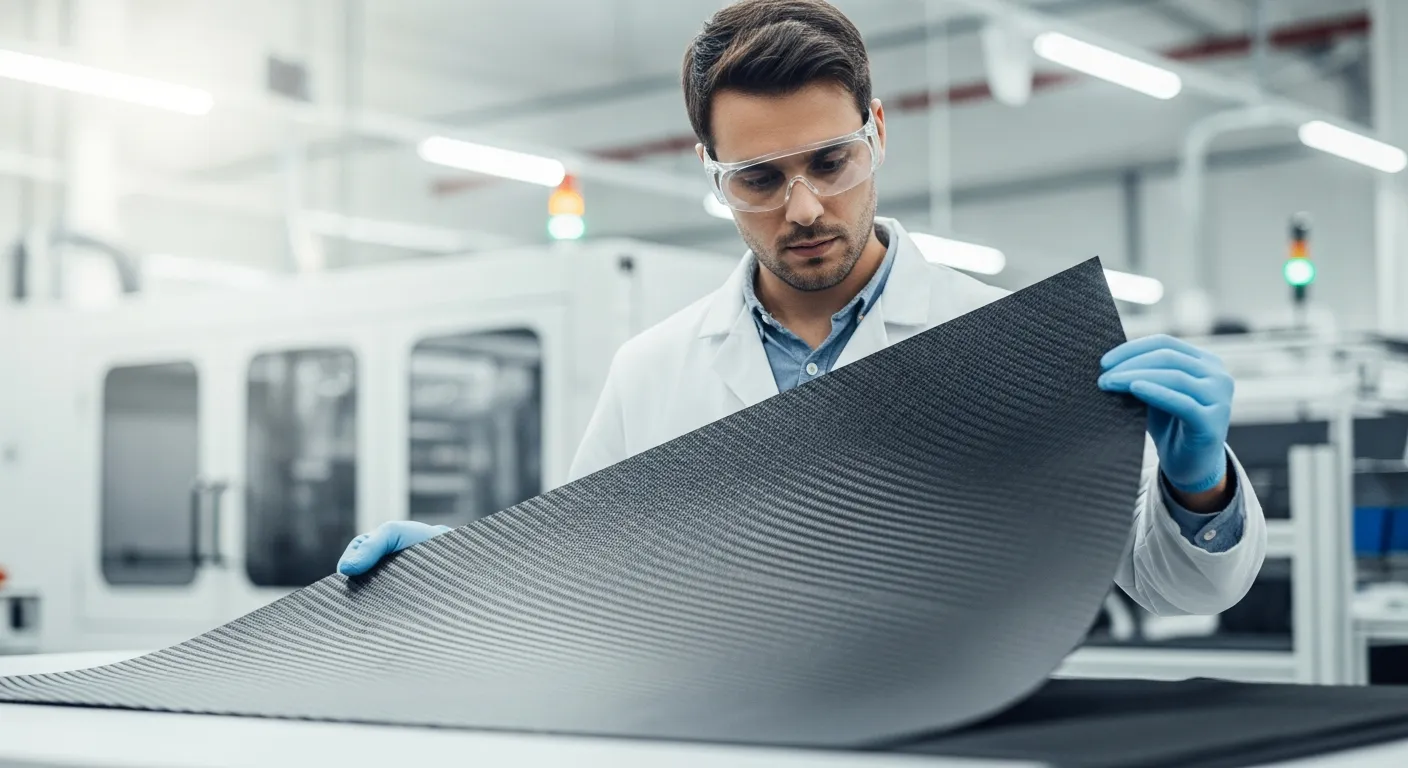
The material’s resistance to fatigue is also noteworthy. Carbon fiber can withstand repeated stress cycles without significant degradation, enhancing the longevity of components.
Furthermore, carbon fiber exhibits excellent resistance to temperature changes. It maintains its structural integrity over a wide range of temperatures, making it suitable for extreme environments.
The versatility of carbon fiber extends to its ability to be molded into complex shapes. This allows for the creation of aerodynamic designs and optimized structural forms.
Carbon fiber composites are often used in conjunction with other materials. These combinations allow designers to tailor the properties of the final product to meet specific performance requirements.
The electrical conductivity of carbon fiber can be adjusted depending on the manufacturing process. This property is valuable in applications requiring electromagnetic shielding or static dissipation.
Carbon fiber’s inherent damping properties also contribute to its appeal. It can effectively absorb vibrations, reducing noise and improving overall performance.
The Precursor: Preparing the Base Material
The carbon fiber manufacturing process begins with a precursor material. The most common precursor is polyacrylonitrile, also known as PAN.
Other precursors include rayon and pitch. The choice of precursor affects the final properties of the carbon fiber.
PAN is preferred due to its high carbon yield. It also allows for the production of carbon fiber with excellent tensile strength.
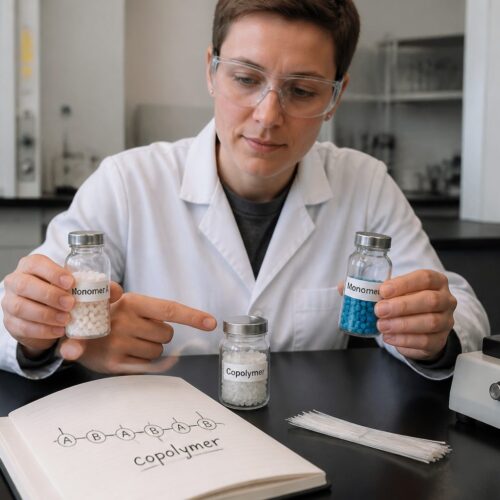
The PAN precursor is typically produced through a polymerization process. Acrylonitrile monomers are combined to form long polymer chains.
Additives may be included during polymerization to enhance the fiber’s properties. These additives can improve the fiber’s thermal stability or increase its resistance to oxidation.
The resulting PAN polymer is then spun into fibers using various techniques. Wet spinning, dry spinning, and melt spinning are common methods.
The selection of the spinning method depends on the desired fiber diameter and properties. Each method offers different levels of control over the fiber’s structure.
Wet spinning involves dissolving the polymer in a solvent and extruding it into a coagulation bath. The solvent is removed, and the polymer precipitates as a solid fiber.
Dry spinning uses a volatile solvent that evaporates as the polymer is extruded into warm air. This method is simpler than wet spinning but may result in lower fiber quality.
Melt spinning is used for polymers that can be melted without decomposition. The molten polymer is extruded through a spinneret and then cooled to solidify the fiber.
After spinning, the PAN fibers are often stretched to align the polymer chains. This stretching process increases the fiber’s strength and stiffness.
The diameter of the precursor fiber is a critical parameter that affects the final carbon fiber properties. Smaller diameter fibers generally exhibit higher strength.
The consistency of the precursor fiber is also essential for producing high-quality carbon fiber. Variations in diameter or composition can lead to defects in the final product.
Properties of Different Precursors
The choice of precursor material significantly impacts the final carbon fiber production and its resulting properties. Each precursor offers a unique set of advantages and disadvantages.
Understanding these differences is crucial for selecting the appropriate precursor for a specific application. Let’s explore a comparison of the key precursor materials used in carbon fiber production.
| Precursor Type | Carbon Yield | Tensile Strength | Cost |
|---|---|---|---|
| PAN (Polyacrylonitrile) | 50-60% | High | Moderate |
| Rayon | 20-30% | Low | Low |
| Pitch | 55-85% | Moderate | Moderate to High |
| Lignin | 30-40% | Low to Moderate | Low |
PAN-based carbon fibers are known for their superior mechanical properties. They offer a good balance of strength, stiffness, and cost.
Rayon-based carbon fibers are less expensive but also have lower strength and stiffness. They are often used in applications where cost is a primary concern.
Pitch-based carbon fibers can achieve very high carbon yields. They are suitable for applications requiring high thermal conductivity.
Lignin, a byproduct of the paper industry, is an emerging precursor material. It offers a sustainable and low-cost alternative to traditional precursors.
The carbon yield of the precursor directly affects the amount of carbon fiber produced. Higher carbon yields result in lower production costs.
Tensile strength is a measure of the fiber’s ability to withstand pulling forces. Higher tensile strength is desirable in structural applications.
The cost of the precursor material is a significant factor in the overall cost of carbon fiber production. Cheaper precursors can make carbon fiber more accessible for a wider range of applications.
The environmental impact of precursor production is also an important consideration. Sustainable precursors like lignin can reduce the carbon footprint of carbon fiber manufacturing.
The chemical composition of the precursor influences the properties of the resulting carbon fiber. Different precursors require different processing conditions to achieve optimal performance.
Stabilization: Oxidizing the Precursor
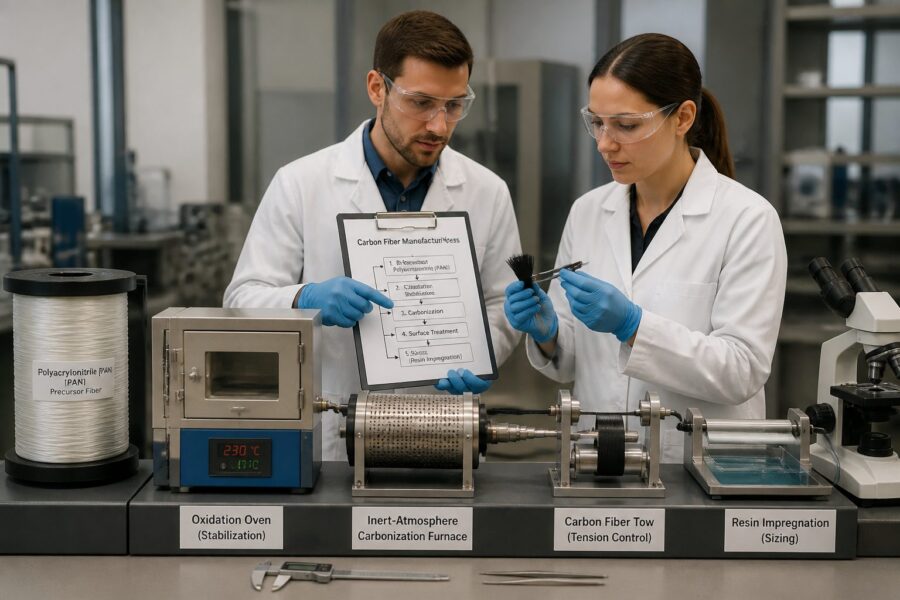
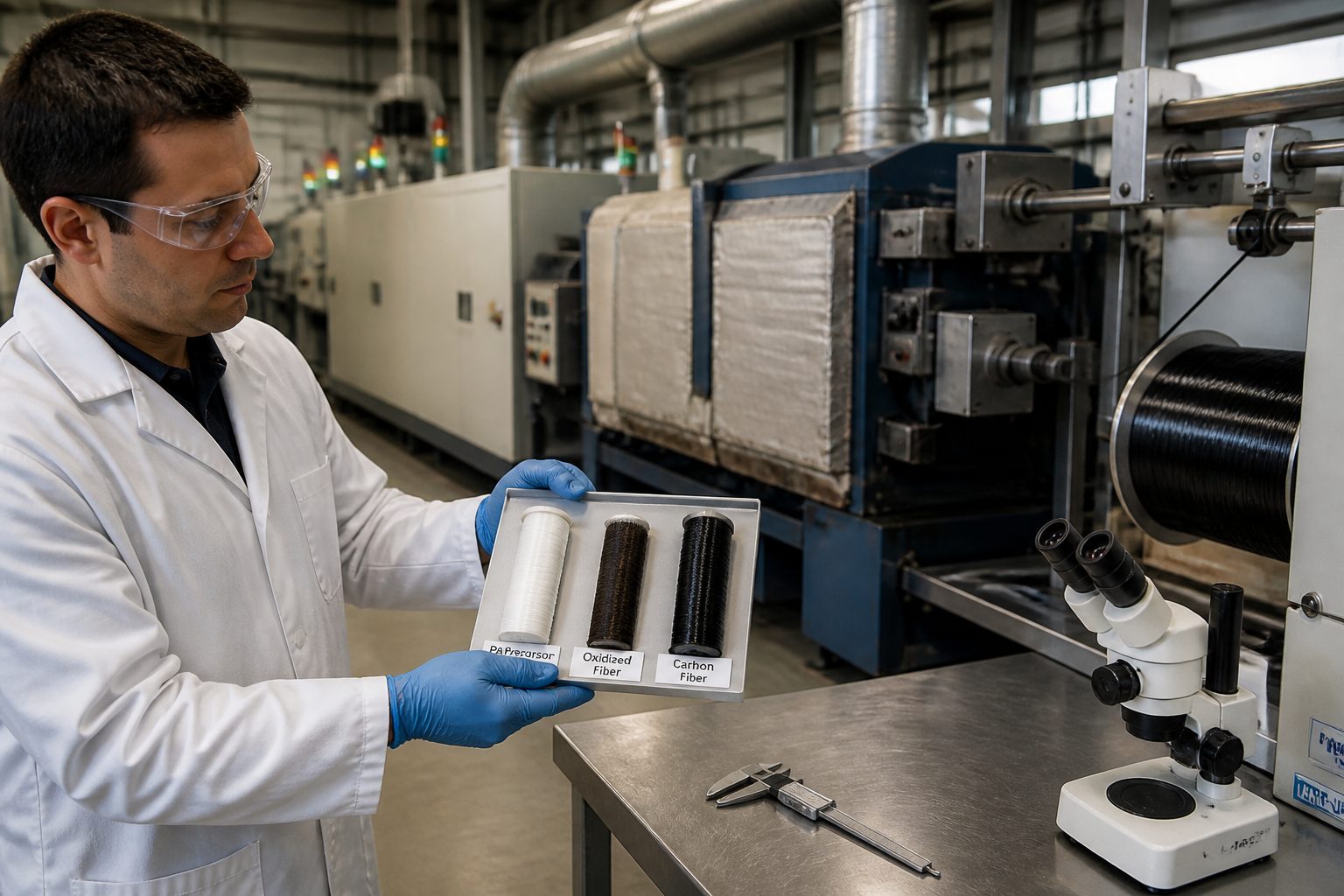
Stabilization is a crucial step in the carbon fiber manufacturing process. It involves heating the PAN precursor in an oxidizing atmosphere.
This process typically occurs at temperatures between 200 and 300 degrees Celsius. The purpose of stabilization is to prevent the fiber from melting during subsequent high-temperature carbonization.
During stabilization, the PAN fibers undergo a series of chemical reactions. These reactions involve the formation of cross-links between the polymer chains.
The cross-linking process increases the fiber’s thermal stability. It also prepares the fiber for the next stage, where it will be heated to much higher temperatures.
The stabilization process can take several hours to complete. The exact time depends on the type of PAN precursor and the desired properties of the final carbon fiber.
The atmosphere during stabilization is carefully controlled. Oxygen is essential for the cross-linking reactions, but too much oxygen can cause the fiber to burn.
The stabilized fibers become more rigid and less flexible. This transformation is essential for maintaining the fiber’s shape during carbonization.
The rate of heating during stabilization is carefully controlled to prevent rapid oxidation. Gradual heating allows for uniform cross-linking throughout the fiber.
The tension applied to the fibers during stabilization also affects the final properties. Maintaining tension helps to align the polymer chains and improve strength.
The color of the fibers changes during stabilization, typically from white to yellow or brown. This color change indicates the progress of the cross-linking reactions.
The stabilized fibers are less susceptible to degradation from moisture and other environmental factors. This improved stability enhances the fiber’s durability.
The energy consumption of the stabilization process is a significant factor in the overall cost of carbon fiber production. Optimizing the stabilization process can reduce energy consumption and lower costs.
Carbonization: Heating in an Inert Atmosphere
Carbonization is the next critical step in carbon fiber production. It involves heating the stabilized fibers to very high temperatures in an inert atmosphere.
Temperatures during carbonization typically range from 1000 to 3000 degrees Celsius. The inert atmosphere, usually nitrogen or argon, prevents the fiber from burning.
During carbonization, the stabilized fibers undergo significant changes in their chemical composition. Non-carbon elements, such as hydrogen, oxygen, and nitrogen, are expelled from the fiber.
This process increases the carbon content of the fiber. The carbon atoms rearrange themselves into a more ordered structure.
The resulting carbon fiber has a higher density and strength compared to the precursor material. The carbonization process also influences the fiber’s modulus of elasticity.
The duration of the carbonization process depends on the desired properties of the carbon fiber. Longer carbonization times generally result in higher carbon content and improved mechanical properties.
The heating rate during carbonization is carefully controlled to prevent rapid decomposition of the fiber. A slow and steady heating rate allows for gradual removal of non-carbon elements.
The pressure inside the carbonization furnace is also controlled to prevent fiber breakage. Maintaining a slight positive pressure helps to keep the fibers intact.
The type of inert gas used during carbonization can affect the fiber’s properties. Nitrogen is commonly used, but argon can provide a more inert environment for higher-temperature carbonization.
The carbonization process is energy-intensive, requiring significant amounts of electricity or natural gas. Improving the energy efficiency of the carbonization process is a key goal for carbon fiber manufacturers.
The exhaust gases from the carbonization process contain various volatile organic compounds (VOCs). These VOCs must be treated to prevent air pollution.
The microstructure of the carbon fiber is determined during the carbonization process. Controlling the carbonization parameters allows for tailoring the fiber’s microstructure to achieve specific properties.
Factors Affecting Carbon Fiber Quality
Several factors influence the quality of the carbon fiber produced. These factors span the entire carbon fiber manufacturing process, from precursor selection to final surface treatment.
Controlling these factors is crucial for achieving the desired mechanical and thermal properties. Here are some of the key elements that affect the quality of carbon fiber.
- Purity of the precursor material
- Control of temperature during stabilization
- Atmosphere composition during carbonization
- Heating rate during carbonization
- Dwell time at maximum temperature
- Surface treatment effectiveness
The presence of impurities in the precursor material can weaken the carbon fiber. High-purity precursors are essential for producing high-strength carbon fiber.
Maintaining a uniform temperature during stabilization is critical for consistent cross-linking. Temperature variations can lead to variations in fiber properties.
The inert atmosphere during carbonization must be free of oxygen to prevent oxidation of the carbon fiber. Even small amounts of oxygen can degrade the fiber’s properties.
The heating rate during carbonization must be carefully controlled to prevent rapid decomposition. A slow and steady heating rate allows for gradual removal of non-carbon elements.
The dwell time at maximum temperature allows for complete carbonization of the fiber. Insufficient dwell time can result in incomplete removal of non-carbon elements.
Effective surface treatment is essential for improving the adhesion between the carbon fiber and the resin matrix. Poor surface treatment can lead to weak composite materials.
The alignment of the carbon atoms within the fiber also affects its strength and stiffness. Higher alignment results in improved mechanical properties.
The presence of defects, such as voids or cracks, can weaken the carbon fiber. Minimizing defects is crucial for producing high-performance carbon fiber.
The diameter of the carbon fiber affects its flexibility and processability. Smaller diameter fibers are more flexible and easier to weave into fabrics.
The testing and quality control procedures used during carbon fiber production are essential for ensuring consistent quality. Regular testing helps to identify and correct any problems in the manufacturing process.
Graphitization: Increasing Carbon Content
Graphitization is an optional but important step in the carbon fiber manufacturing process. It involves heating the carbonized fibers to even higher temperatures, typically above 2000 degrees Celsius.
This process further increases the carbon content and improves the alignment of the carbon atoms. Graphitization results in carbon fiber with exceptional stiffness and thermal conductivity.
During graphitization, the carbon atoms arrange themselves into a more ordered, graphite-like structure. This structure is characterized by layers of carbon atoms arranged in hexagonal patterns.
The improved alignment of the carbon layers enhances the fiber’s ability to conduct heat and electricity. Graphitized carbon fiber is often used in applications where high thermal conductivity is required.
The graphitization process is more energy-intensive than carbonization. It also requires careful control of the atmosphere to prevent oxidation of the carbon fiber.
Graphitization is typically used for producing high-end carbon fiber. This type of fiber is used in aerospace, defense, and other demanding applications.
The degree of graphitization can be controlled by adjusting the temperature and duration of the process. Higher temperatures and longer durations result in a more graphitic structure.
The inert atmosphere during graphitization is even more critical than during carbonization. Any oxygen present can quickly oxidize the carbon fiber at these high temperatures.
The mechanical properties of graphitized carbon fiber are significantly improved compared to non-graphitized carbon fiber. Graphitization increases the fiber’s stiffness and tensile strength.
The thermal conductivity of graphitized carbon fiber can be several times higher than that of non-graphitized carbon fiber. This makes it ideal for heat sinks and other thermal management applications.
The cost of graphitization adds to the overall cost of carbon fiber production. However, the improved properties often justify the additional expense for high-performance applications.
The microstructure of graphitized carbon fiber is characterized by larger and more ordered graphite crystallites. These crystallites contribute to the fiber’s improved properties.
Surface Treatment and Sizing
Surface treatment is an essential step in the carbon fiber manufacturing process. It improves the fiber’s adhesion to the matrix material in composite applications.
Untreated carbon fiber has a relatively smooth surface, which can hinder bonding with resins. Surface treatment roughens the fiber surface, creating more points of contact for the resin.
Common surface treatment methods include oxidation, plasma treatment, and chemical etching. These methods introduce functional groups onto the fiber surface.
These functional groups enhance the chemical bonding between the carbon fiber and the resin. The choice of surface treatment method depends on the type of resin used in the composite.
After surface treatment, the carbon fiber is typically coated with a sizing agent. Sizing agents protect the fiber from damage during handling and processing.
Sizing agents also improve the fiber’s compatibility with the resin matrix. Common sizing agents include epoxy resins, polyurethanes, and polyesters.
Oxidation surface treatment involves exposing the carbon fiber to an oxidizing agent, such as air or ozone. This process creates oxygen-containing functional groups on the fiber surface.
Plasma treatment uses a plasma discharge to modify the fiber surface. This method can create a variety of functional groups, depending on the gas used in the plasma.
Chemical etching involves immersing the carbon fiber in a chemical solution that etches the surface. This process roughens the surface and creates more bonding sites.
The choice of sizing agent depends on the type of resin used in the composite. The sizing agent must be compatible with the resin to ensure good adhesion.
The amount of sizing agent applied to the carbon fiber is carefully controlled. Too much sizing agent can weaken the composite material.
The surface treatment and sizing processes are critical for achieving optimal performance in carbon fiber composites. These processes ensure that the fiber and resin work together effectively.
Applications of Carbon Fiber
Carbon fiber’s unique properties make it suitable for a wide range of applications. Its high strength-to-weight ratio is particularly advantageous in industries where weight reduction is critical.
From aerospace to automotive, carbon fiber is transforming the way products are designed and manufactured. Here are some notable applications of carbon fiber.
In the aerospace industry, carbon fiber is used in aircraft wings, fuselages, and other structural components. It reduces the weight of the aircraft, leading to improved fuel efficiency.
In the automotive industry, carbon fiber is used in body panels, chassis, and interior components. It enhances the vehicle’s performance and reduces its fuel consumption.
Sports equipment, such as bicycles, golf clubs, and tennis rackets, also benefit from carbon fiber. It provides increased stiffness and strength, improving the athlete’s performance.
Other applications of carbon fiber include wind turbine blades, pressure vessels, and medical implants. Its versatility and performance make it a valuable material in numerous industries.
Carbon fiber is increasingly used in civil engineering applications, such as bridge reinforcement and repair. Its high strength and corrosion resistance make it ideal for these applications.
In the energy industry, carbon fiber is used in offshore oil platforms and other demanding environments. Its resistance to corrosion and fatigue is crucial for these applications.
Carbon fiber is also used in the construction of high-performance boats and yachts. Its light weight and high strength improve the boat’s speed and handling.
In the medical field, carbon fiber is used in prosthetic limbs and other medical devices. Its light weight and biocompatibility make it a suitable material for these applications.
Carbon fiber is also finding increasing use in consumer electronics, such as laptops and smartphones. Its light weight and stiffness improve the device’s durability and performance.
Conclusion
The carbon fiber manufacturing process is a complex and carefully controlled series of steps. Each step, from precursor preparation to surface treatment, plays a vital role in determining the final properties of the carbon fiber.
Understanding this process is crucial for engineers and material scientists working with advanced composites. The unique combination of strength, stiffness, and low weight makes carbon fiber an indispensable material in many industries.
As technology advances, we can expect further innovations in carbon fiber production. These innovations will likely lead to even more efficient and cost-effective manufacturing methods.
The future of carbon fiber looks promising, with new applications emerging constantly. Its continued development will undoubtedly shape the future of materials science and engineering.
The development of more sustainable precursor materials will be a key focus in the future. Lignin and other bio-based precursors offer a promising alternative to traditional precursors.
Improvements in the energy efficiency of the carbon fiber manufacturing process are also crucial. Reducing energy consumption will lower production costs and reduce the environmental impact.
The development of new surface treatment methods will further improve the adhesion between carbon fiber and resin matrices. This will lead to stronger and more durable composite materials.
The increasing use of automation and robotics in carbon fiber manufacturing will improve efficiency and reduce labor costs. This will make carbon fiber more accessible for a wider range of applications.
The future of carbon fiber is bright, with continued innovation and development driving its adoption in new and exciting applications. Its unique properties will continue to make it an indispensable material for years to come.