
The polymer injection molding process stands as a cornerstone of modern manufacturing. It allows for the mass production of complex plastic parts with high precision and repeatability.
Understanding the nuances of this process is essential for anyone involved in product design, engineering, or manufacturing. This article provides a comprehensive, step-by-step guide to the polymer injection molding process, covering everything from the basics to advanced considerations.
Whether you’re a seasoned professional or just starting out, this guide will equip you with the knowledge you need to succeed in the world of plastic molding. We’ll explore the different types of injection molding machines, discuss mold design considerations, and troubleshoot common defects that can arise during the process.
Understanding Polymer Injection Molding
Polymer injection molding is a manufacturing process where molten plastic is injected into a mold cavity. The plastic then cools and solidifies, taking the shape of the mold.
This process is widely used to produce a vast array of plastic parts, from small components to large structural elements. The versatility and efficiency of polymer injection molding make it a preferred choice for mass production.
Compared to other plastic molding methods, injection molding excels in producing parts with intricate geometries and tight tolerances. The process also allows for the incorporation of features like threads, undercuts, and complex surface textures.
The advantages of injection molding extend beyond design flexibility. It also offers high production rates, low labor costs, and minimal material waste, making it an economically viable option for many applications.
The process relies on carefully controlled temperature, pressure, and timing to ensure consistent part quality. These parameters must be optimized for each specific material and mold design.
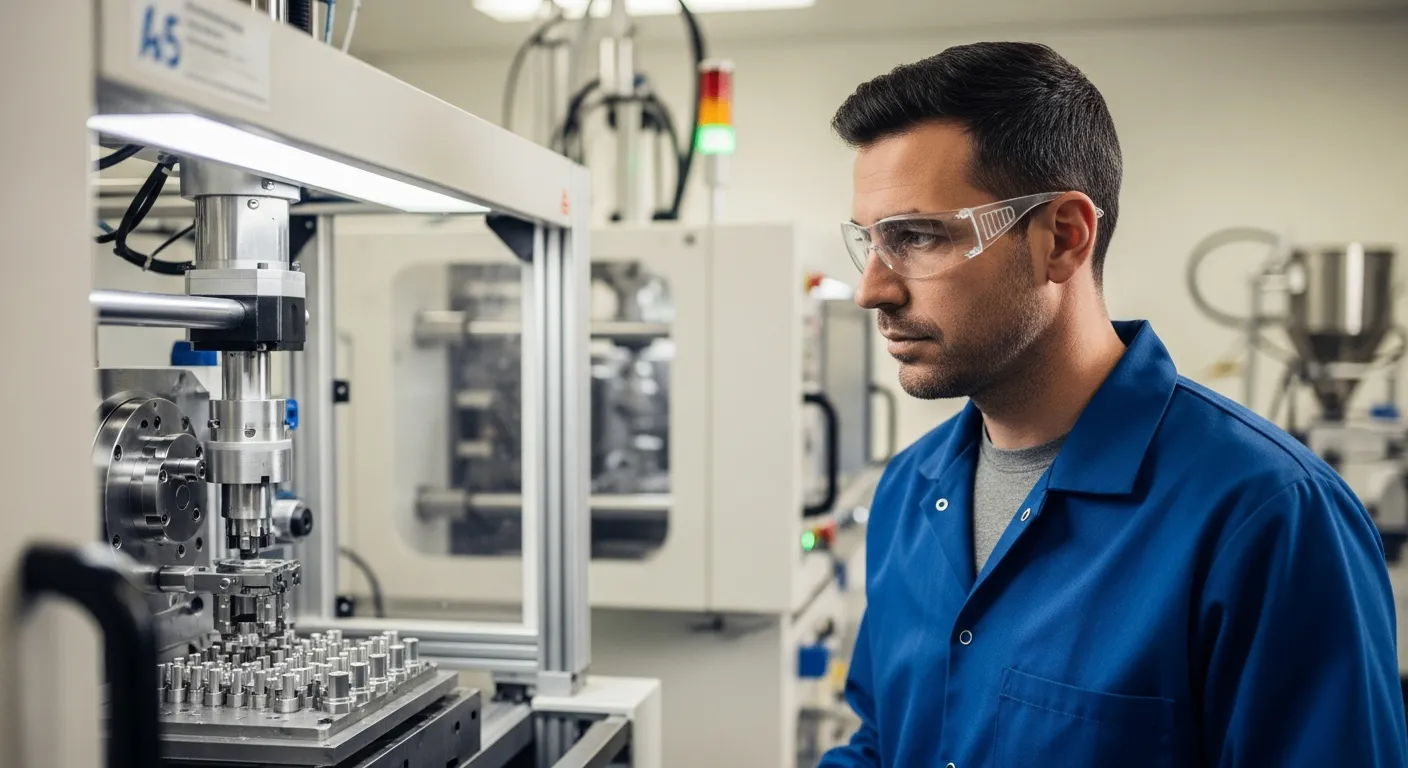
Injection molding can be used to create parts from a wide variety of polymers, including thermoplastics and thermosets. The choice of material depends on the desired properties of the final product, such as strength, flexibility, and chemical resistance.
The initial investment in injection molding tooling can be significant, but the high production rates and low per-part costs make it a cost-effective solution for large-scale manufacturing. This makes it ideal for producing thousands or even millions of identical parts.
The ability to automate the injection molding process further enhances its efficiency and reduces labor costs. Robots can be used to handle material loading, part ejection, and post-molding operations.
The Injection Molding Process: A Detailed Breakdown
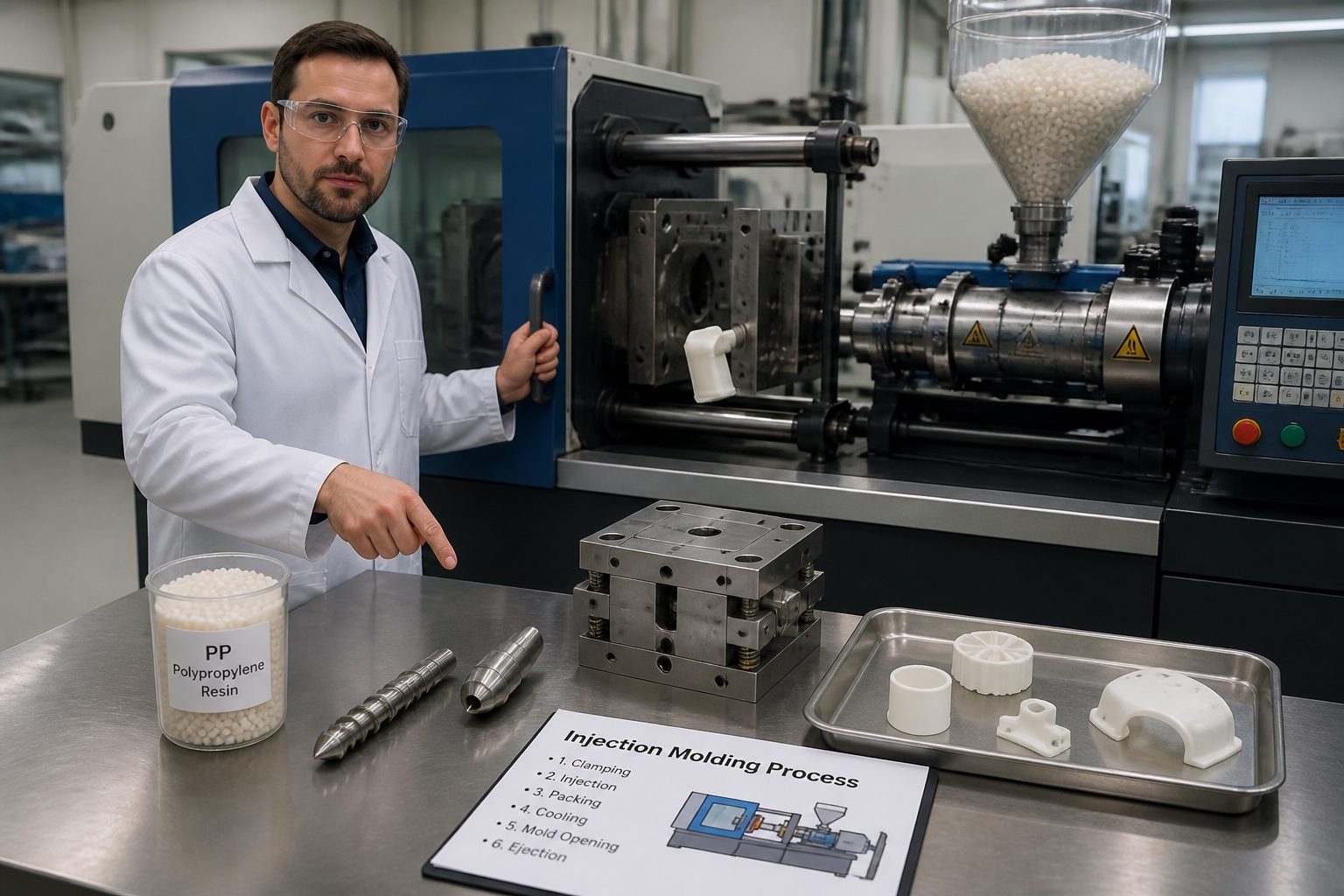
The polymer injection molding process involves several key stages. Each stage plays a critical role in ensuring the production of high-quality plastic parts.
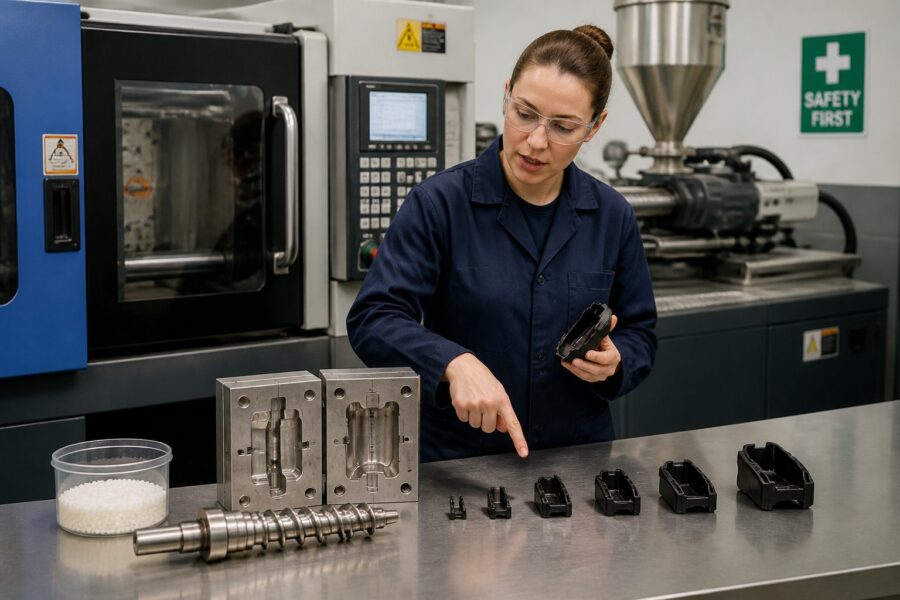
First, the plastic material, typically in the form of pellets, is fed into the injection molding machine. The machine then heats the plastic until it reaches a molten state, ready for injection.
Next, the molten plastic is injected into the mold cavity under high pressure. The mold is a precisely engineered tool that defines the shape of the final part.
Once the mold is filled, the plastic is allowed to cool and solidify. Cooling channels within the mold help to regulate the temperature and ensure uniform solidification.
After the plastic has solidified, the mold opens, and the finished part is ejected. The mold is then closed, and the process repeats, allowing for continuous production.
Finally, the ejected parts may undergo secondary operations, such as trimming, machining, or surface finishing. These operations enhance the part’s functionality or aesthetic appeal.
The injection process is typically controlled by a computer system that monitors and adjusts various parameters. These parameters include injection pressure, mold temperature, and cooling time.
The design of the mold is crucial for the success of the injection molding process. The mold must be designed to allow for easy filling, uniform cooling, and efficient ejection of the finished part.
The cooling stage is particularly important, as it determines the final shape and dimensions of the part. Uneven cooling can lead to warpage, sink marks, and other defects.
The ejection system must be carefully designed to avoid damaging the part during removal from the mold. Ejector pins, sleeves, or plates are commonly used to push the part out of the mold cavity.
Secondary operations can include painting, plating, or assembly of multiple parts. These operations add value to the final product and enhance its functionality or appearance.
Types of Injection Molding Machines
Injection molding machines come in various types, each suited for specific applications and production volumes. The primary difference lies in the clamping and injection mechanisms.
Hydraulic injection molding machines are the traditional workhorses of the industry. They use hydraulic cylinders to generate the force needed for clamping and injection.
| Machine Type | Clamping Mechanism | Injection Mechanism | Typical Applications |
|---|---|---|---|
| Hydraulic | Hydraulic cylinder | Hydraulic screw or plunger | Large parts, high clamping force |
| Electric | Servo motor | Servo motor | Precision parts, energy efficiency |
| Hybrid | Combination of hydraulic and electric | Combination of hydraulic and electric | Versatile, balanced performance |
| Vertical | Hydraulic or electric | Hydraulic or electric | Insert molding, overmolding |
Electric injection molding machines are gaining popularity due to their energy efficiency and precision. Servo motors control the clamping and injection processes, resulting in reduced energy consumption and improved accuracy.
Hybrid injection molding machines combine the benefits of both hydraulic and electric systems. They use hydraulic power for clamping and electric motors for injection, offering a balance of power and efficiency.
Hydraulic machines are known for their high clamping force, making them suitable for large parts and complex geometries. However, they are less energy-efficient than electric machines.
Electric machines offer precise control over the injection process, resulting in improved part quality and reduced scrap rates. They are also quieter and cleaner than hydraulic machines.
Hybrid machines provide a compromise between the power of hydraulic machines and the efficiency of electric machines. They are often used for a wide range of applications.
Vertical injection molding machines are designed for insert molding and overmolding applications. The vertical configuration allows for easy placement of inserts and reduces the risk of them shifting during the molding process.
The choice of injection molding machine depends on the specific requirements of the application. Factors such as part size, material, production volume, and budget must be considered.
Material Selection for Injection Molding
Choosing the right material is a critical decision in the polymer injection molding process. The material’s properties directly affect the final part’s performance, appearance, and cost.
Thermoplastics are the most commonly used materials in injection molding. They can be repeatedly softened by heating and hardened by cooling, making them recyclable.
Examples of thermoplastics include polyethylene (PE), polypropylene (PP), polystyrene (PS), and acrylonitrile butadiene styrene (ABS). Each material has unique properties, such as impact resistance, chemical resistance, and temperature resistance.
Thermosets, on the other hand, undergo irreversible chemical changes during the molding process. Once cured, they cannot be melted and reshaped, offering high strength and heat resistance.
Common thermosets include epoxy resins, phenolic resins, and polyurethane. These materials are often used in applications requiring high structural integrity and thermal stability.
The selection of a material also depends on the specific requirements of the application. Factors such as mechanical stress, environmental conditions, and regulatory compliance must be considered.
Polyethylene (PE) is a low-cost thermoplastic with good chemical resistance. It is commonly used for packaging, containers, and toys.
Polypropylene (PP) is a versatile thermoplastic with good strength and heat resistance. It is often used for automotive parts, appliances, and medical devices.
Polystyrene (PS) is a rigid thermoplastic with good clarity and low cost. It is commonly used for packaging, disposable cups, and insulation.
Acrylonitrile Butadiene Styrene (ABS) is a strong and durable thermoplastic with good impact resistance. It is often used for automotive parts, electronic housings, and toys.
The material selection process should involve a thorough evaluation of the material’s properties, cost, and processability. Consulting with a material supplier or injection molding expert can be helpful in making the right choice.
Mold Design Considerations
Mold design is a critical aspect of the polymer injection molding process. A well-designed mold ensures efficient production, high-quality parts, and minimal defects.
The mold cavity is the most important part of the mold. It defines the shape of the final part and must be precisely machined to meet the required dimensions and tolerances.
Gating systems control the flow of molten plastic into the mold cavity. Proper gate design ensures uniform filling, minimizes weld lines, and reduces the risk of air entrapment.
Cooling channels are integrated into the mold to regulate the temperature of the plastic. Effective cooling promotes uniform solidification, reduces warpage, and shortens cycle times.
Ejection systems are used to remove the finished part from the mold. They must be designed to prevent damage to the part and ensure reliable ejection.
Venting systems allow air and gases to escape from the mold cavity during injection. Proper venting prevents air traps, reduces surface defects, and improves part quality.
The mold material should be chosen based on its strength, hardness, and thermal conductivity. Steel is the most common mold material, but aluminum and beryllium copper are also used in some applications.
The number of cavities in the mold affects the production rate and cost. Multi-cavity molds can produce more parts per cycle, but they are more complex and expensive to design and manufacture.
The mold design should consider the shrinkage rate of the plastic material. The mold cavity must be slightly larger than the desired part size to compensate for shrinkage during cooling.
The mold design should also consider the draft angle, which is the angle of the mold walls that allows the part to be easily ejected. Insufficient draft angle can cause the part to stick in the mold.
Simulation software can be used to optimize the mold design and predict potential problems. This can help to reduce the time and cost of mold development.
Common Injection Molding Defects and Solutions
Despite careful planning and execution, injection molding defects can sometimes occur. Understanding the causes of these defects and implementing appropriate solutions is essential for maintaining product quality.
Sink marks are depressions on the surface of the part, often caused by uneven cooling or thick sections. Increasing cooling time, reducing wall thickness, or using a different material can help prevent sink marks.
- Short shots: incomplete filling of the mold cavity
- Weld lines: weak areas where two flow fronts meet
- Warpage: distortion of the part due to uneven cooling
- Flash: excess material that escapes between mold halves
- Air traps: air bubbles trapped within the part
Addressing these defects often involves adjusting process parameters, modifying mold design, or changing material selection. Careful monitoring and control of the injection molding process are crucial for minimizing defects and ensuring consistent product quality.
Short shots can be caused by insufficient injection pressure, low material temperature, or restricted flow paths. Increasing injection pressure, raising material temperature, or modifying the gate design can help to resolve this issue.
Weld lines can be caused by low material temperature, slow injection speed, or poor venting. Increasing material temperature, increasing injection speed, or improving venting can help to minimize weld lines.
Warpage can be caused by uneven cooling, residual stress, or material shrinkage. Optimizing cooling channel design, reducing residual stress through annealing, or selecting a material with lower shrinkage can help to prevent warpage.
Flash can be caused by excessive injection pressure, worn mold components, or improper mold clamping. Reducing injection pressure, repairing or replacing worn mold components, or improving mold clamping can help to eliminate flash.
Air traps can be caused by insufficient venting, high injection speed, or complex part geometry. Improving venting, reducing injection speed, or modifying part geometry can help to prevent air traps.
Advanced Techniques in Injection Molding
Beyond the standard injection molding process, several advanced techniques offer enhanced capabilities and performance. These techniques cater to specific applications and design requirements.
Overmolding involves molding one material over another to create a multi-material part. This technique is used to combine different properties, such as soft-touch surfaces or enhanced structural integrity.
Insert molding involves molding plastic around pre-placed inserts, such as metal components or electronic devices. This technique simplifies assembly and improves part functionality.
Gas-assisted injection molding uses gas pressure to hollow out thick sections of the part. This reduces material consumption, lowers part weight, and minimizes sink marks.
Micro-injection molding is used to produce extremely small and precise parts, often for medical or electronic applications. This technique requires specialized equipment and expertise.
Each of these advanced techniques offers unique advantages and challenges. Careful consideration of the application requirements is essential for selecting the appropriate technique.
In overmolding, the first material is typically a rigid substrate, while the second material is a soft or flexible material. This allows for the creation of parts with both structural integrity and ergonomic features.
Insert molding can be used to create parts with integrated fasteners, electrical contacts, or other functional elements. This eliminates the need for separate assembly operations.
Gas-assisted injection molding is particularly useful for producing parts with thick walls, such as handles, knobs, and housings. The gas pressure creates a hollow core, reducing material usage and weight.
Micro-injection molding requires extremely precise control over the injection process. Specialized machines and tooling are used to produce parts with dimensions on the micron scale.
These advanced techniques can significantly enhance the performance and functionality of injection molded parts. However, they also require specialized knowledge and equipment.
Applications of Injection Molding
The versatility of polymer injection molding makes it suitable for a wide range of applications across various industries. From consumer products to automotive components, injection molding plays a vital role in modern manufacturing.
In the automotive industry, injection molding is used to produce interior trim, exterior panels, and under-the-hood components. The process allows for the creation of lightweight and durable parts that meet stringent performance requirements.
The consumer products industry relies heavily on injection molding for producing everything from toys to appliances. The process enables the mass production of complex shapes and intricate designs at a low cost.
In the medical industry, injection molding is used to manufacture medical devices, surgical instruments, and diagnostic equipment. The process allows for the production of sterile and biocompatible parts with tight tolerances.
The electronics industry utilizes injection molding for producing enclosures, connectors, and other components. The process enables the creation of lightweight and durable parts that protect sensitive electronic components.
From packaging to construction, polymer injection molding finds applications in nearly every sector of the economy. Its ability to produce high-quality parts efficiently and cost-effectively makes it an indispensable manufacturing process.
Automotive applications include dashboards, bumpers, door panels, and lighting components. Injection molding allows for the creation of complex shapes and textures that enhance the aesthetics and functionality of vehicles.
Consumer product applications include toys, containers, appliances, and furniture. Injection molding enables the mass production of durable and affordable products for everyday use.
Medical applications include syringes, catheters, diagnostic devices, and surgical instruments. Injection molding allows for the production of sterile and biocompatible parts that meet stringent regulatory requirements.
Electronic applications include housings, connectors, switches, and circuit boards. Injection molding enables the creation of lightweight and durable parts that protect sensitive electronic components from damage.
Packaging applications include bottles, containers, caps, and closures. Injection molding allows for the production of lightweight and durable packaging that protects products during shipping and storage.
The Future of Polymer Injection Molding
The polymer injection molding industry is constantly evolving, driven by advancements in materials, technology, and manufacturing processes. Several key trends are shaping the future of this industry.
The development of new and improved plastic materials is expanding the capabilities of injection molding. Bioplastics, nanocomposites, and high-performance polymers are enabling the production of parts with enhanced properties and functionalities.
The integration of automation and robotics is increasing the efficiency and precision of injection molding. Automated systems can handle material loading, part ejection, and quality control, reducing labor costs and improving throughput.
The use of simulation and modeling software is becoming increasingly prevalent in mold design and process optimization. These tools allow engineers to predict and prevent defects, optimize cooling strategies, and reduce cycle times.
The rise of additive manufacturing, also known as 3D printing, is complementing injection molding in certain applications. Additive manufacturing can be used to create prototypes, tooling inserts, and low-volume production parts.
Sustainability is also a growing concern in the polymer injection molding industry. Efforts are being made to reduce material waste, recycle plastic materials, and develop more environmentally friendly processes.
The development of bioplastics, derived from renewable resources, is reducing the reliance on fossil fuels. These materials offer a more sustainable alternative to traditional plastics.
Nanocomposites, which incorporate nanoparticles into the plastic matrix, offer enhanced strength, stiffness, and thermal resistance. These materials are enabling the production of lighter and more durable parts.
High-performance polymers, such as polyetheretherketone (PEEK) and polyimide (PI), offer exceptional temperature resistance and chemical resistance. These materials are used in demanding applications, such as aerospace and medical devices.
The integration of artificial intelligence (AI) and machine learning (ML) is further optimizing the injection molding process. AI-powered systems can analyze data from sensors and adjust process parameters in real-time to improve part quality and efficiency.
The future of polymer injection molding is focused on creating more sustainable, efficient, and intelligent manufacturing processes. These advancements will enable the production of higher-quality parts at lower costs, while also reducing the environmental impact of the industry.
Conclusion
The polymer injection molding process is a versatile and efficient manufacturing technique. It is essential for producing a wide variety of plastic parts.
Understanding the fundamentals of injection molding, including material selection, mold design, and process parameters, is crucial for success. By mastering these concepts, engineers and manufacturers can optimize their production processes and create high-quality products.
As technology continues to advance, the polymer injection molding industry will undoubtedly evolve. Staying informed about the latest trends and innovations will be essential for remaining competitive and meeting the demands of a rapidly changing market.
Whether you’re a seasoned professional or just starting out, the knowledge and insights presented in this guide will serve as a valuable resource. It will help you navigate the complexities of the polymer injection molding process and achieve your manufacturing goals.
The future of manufacturing relies heavily on processes like injection molding. Continuous learning and adaptation are key to thriving in this dynamic field.
By embracing new technologies and materials, the injection molding industry can continue to innovate and provide solutions for a wide range of applications. This ensures its continued relevance and importance in the global economy.
The principles outlined in this guide provide a strong foundation for understanding and optimizing the injection molding process. This knowledge empowers individuals and companies to achieve greater efficiency, quality, and sustainability in their manufacturing operations.