
The mining industry faces immense challenges in ensuring the safety and efficiency of its operations. From the constant risk of ground collapse to the wear and tear on heavy machinery, the demands are relentless. This is where the innovative application of high performance fibers in mining can make a significant difference.
These advanced materials offer solutions to some of the most pressing issues, enhancing safety protocols and boosting operational effectiveness. By integrating high performance fibers in mining, we can create a safer and more productive environment for workers and improve the overall sustainability of mining practices.
Let’s take a look at the specific ways these fibers are being used, the benefits they offer, and how they are shaping the future of the mining industry. From ground support to equipment reinforcement to safety materials, the potential of high performance fibers in mining is vast and continues to expand as technology advances.
The Challenges of the Mining Industry
The mining industry is fraught with inherent risks. Ground instability poses a constant threat to worker safety.
Equipment endures extreme conditions, leading to frequent breakdowns and costly repairs. These issues are not only dangerous but also significantly impact productivity and profitability.
One of the biggest challenges is maintaining ground integrity in underground mines. The risk of rock falls and collapses is ever-present, requiring robust support systems. Traditional methods often fall short in providing adequate protection, leading to accidents and fatalities.
The harsh environments in mines also take a toll on machinery. Constant exposure to abrasive materials and heavy loads causes rapid wear and tear on equipment. This results in frequent downtime for maintenance and repairs, reducing overall efficiency.
Another significant challenge is ensuring worker safety in hazardous conditions. Mines are often filled with dust, gases, and other pollutants that can cause respiratory problems and other health issues. Effective safety measures and protective equipment are essential to mitigate these risks.
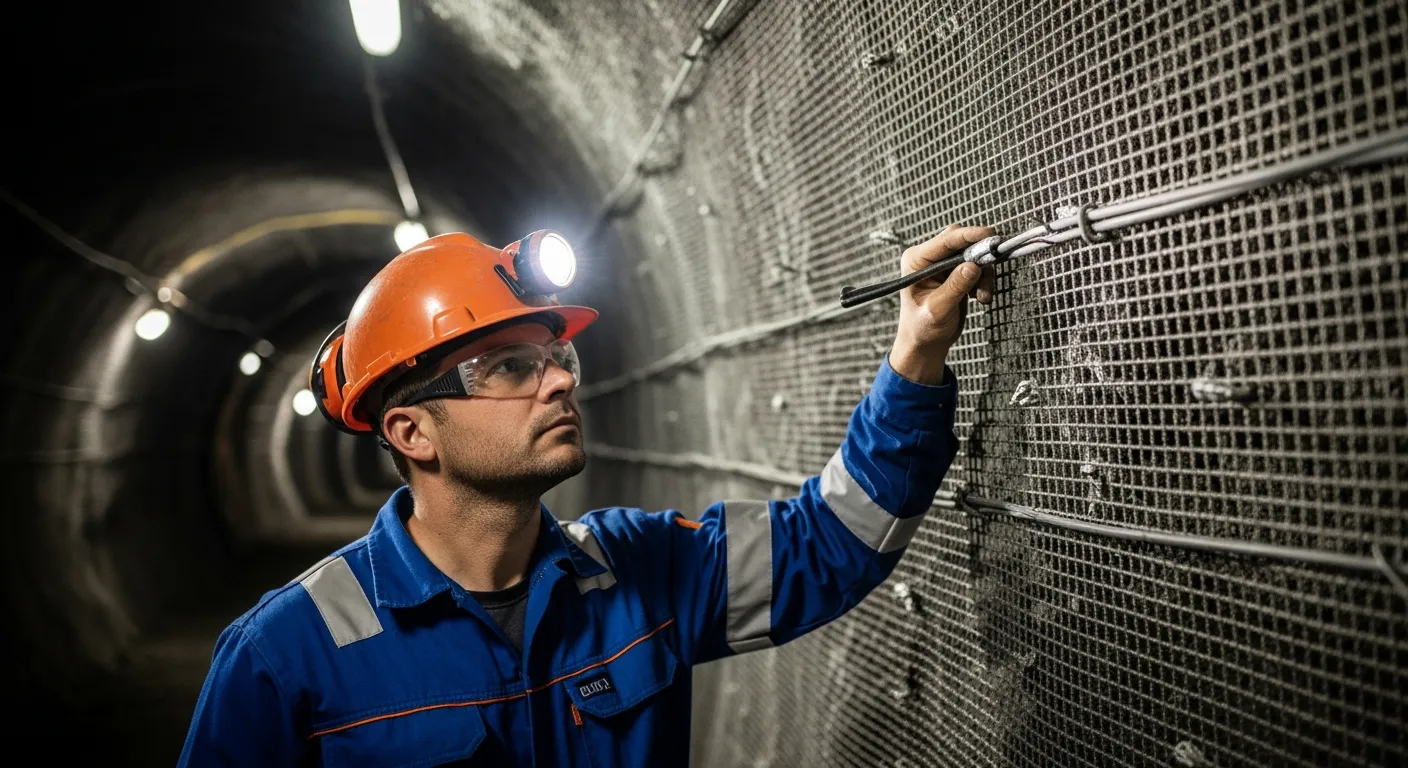
Addressing these challenges requires innovative solutions that can enhance safety, improve equipment durability, and increase productivity. High performance fibers offer a promising avenue for achieving these goals, providing a range of benefits that traditional materials cannot match.
Furthermore, the remoteness of many mining locations adds to the complexity of these challenges. Logistical difficulties in transporting materials and equipment can delay repairs and hinder operational efficiency. This necessitates the use of materials that are durable and require minimal maintenance.
The fluctuating prices of commodities also create economic uncertainties for mining companies. They must constantly seek ways to reduce costs and improve productivity to remain competitive. Investing in high-performance materials can contribute to long-term cost savings and enhanced profitability.
Environmental regulations are becoming increasingly stringent, requiring mining companies to adopt sustainable practices. Minimizing environmental impact is crucial for maintaining a positive public image and complying with legal requirements. High-performance fibers can play a role in reducing waste, conserving resources, and minimizing pollution.
The lack of skilled labor is another challenge facing the mining industry. Training workers to operate and maintain complex equipment can be costly and time-consuming. Materials that are easy to install and require minimal training can help to alleviate this issue.
Finally, the increasing depth of mines poses additional challenges. Deeper mines are subject to higher temperatures and pressures, requiring materials that can withstand extreme conditions. High-performance fibers offer a solution for maintaining safety and efficiency in deep mining operations.
High-Performance Fibers: An Overview
High-performance fibers are advanced materials engineered to possess exceptional strength, durability, and resistance to harsh environments. These fibers are designed to outperform traditional materials in demanding applications.
They offer a superior alternative for industries that require robust and reliable solutions. In the context of the mining industry, these fibers present a transformative approach to enhancing safety and efficiency.
One of the most commonly used high-performance fibers is aramid fiber, known for its high tensile strength and heat resistance. Aramid fibers are used in ballistic protection, ropes, and cables, offering exceptional performance in demanding conditions.
Another type is ultra-high molecular weight polyethylene (UHMWPE) fiber, which is incredibly strong and lightweight. UHMWPE fibers are used in applications such as cut-resistant gloves, fishing lines, and high-performance ropes.
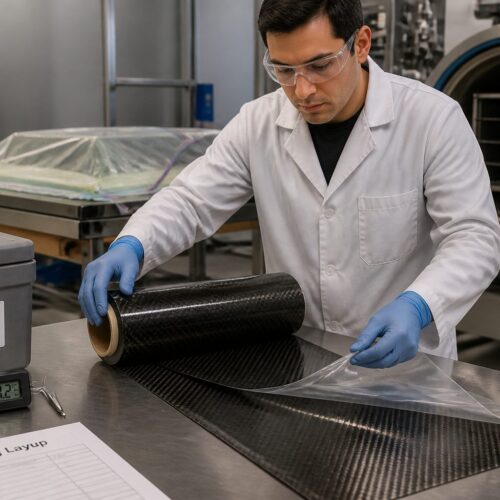
Carbon fiber is also a prominent high-performance material, characterized by its stiffness and strength-to-weight ratio. Carbon fibers are used in aerospace, automotive, and sports equipment, providing a lightweight yet strong alternative to metals.
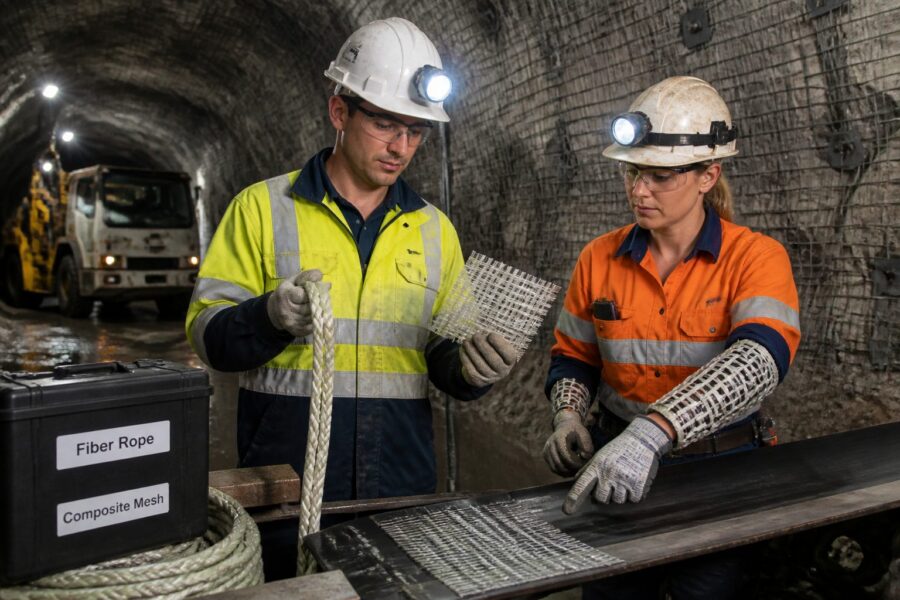
These fibers can be incorporated into various mining applications, from reinforcing ground support systems to enhancing the durability of mining equipment. Their unique properties make them an ideal choice for improving safety and efficiency in the mining industry.
The development of high-performance fibers involves sophisticated manufacturing processes. These processes ensure that the fibers have the desired properties and performance characteristics. The cost of these fibers can be higher than traditional materials, but their long-term benefits often justify the investment.
The selection of the appropriate high-performance fiber depends on the specific application and the environmental conditions. Factors such as temperature, humidity, and exposure to chemicals must be considered. Consulting with materials experts can help mining companies choose the best fiber for their needs.
The use of high-performance fibers is not limited to underground mining. These materials can also be used in surface mining operations to improve safety and efficiency. Applications include reinforcing haul roads, stabilizing slopes, and protecting equipment from abrasion.
Research and development efforts are focused on creating new high-performance fibers with even better properties. These fibers could offer increased strength, durability, and resistance to extreme conditions. This will further expand the range of applications for these materials in the mining industry.
The integration of high-performance fibers into mining operations requires careful planning and implementation. It is essential to work with experienced suppliers and contractors to ensure that the materials are properly installed and maintained. This will maximize the benefits of these advanced materials and ensure long-term performance.
Using Fibers for Ground Support
Ground support is a critical aspect of mining operations, essential for preventing collapses and ensuring worker safety. High-performance fibers are increasingly used to reinforce ground support systems.
They provide a more reliable and effective alternative to traditional methods. These fibers can be integrated into various ground support applications, offering enhanced stability and protection.
| Ground Support Application | Fiber Type | Benefits |
|---|---|---|
| Rock Bolts | Aramid Fiber | High tensile strength, corrosion resistance, improved load-bearing capacity |
| Shotcrete Reinforcement | Synthetic Microfibers | Enhanced crack resistance, increased durability, reduced spalling |
| Cable Bolts | UHMWPE Fiber | Lightweight, high strength, ease of installation |
| Geotextiles | Polypropylene Fiber | Soil stabilization, erosion control, improved drainage |
Aramid fiber rock bolts offer superior tensile strength compared to traditional steel bolts. They are also resistant to corrosion, ensuring long-term stability in harsh mining environments.
Synthetic microfibers added to shotcrete enhance its crack resistance and durability. This reduces the risk of spalling, providing a safer and more stable ground support system.
Cable bolts made with UHMWPE fiber are lightweight and easy to install. Their high strength provides excellent support for underground excavations. The reduced weight also makes them easier to handle and transport.
Geotextiles made with polypropylene fiber are used for soil stabilization and erosion control. They improve drainage and prevent soil erosion, protecting the environment and maintaining the integrity of mining infrastructure. These are especially useful in areas prone to landslides.
The use of high-performance fibers in ground support systems can significantly reduce the risk of accidents and injuries. This improves worker safety and reduces the potential for costly downtime. It also contributes to a more sustainable mining operation.
Proper installation and maintenance are essential for ensuring the long-term performance of fiber-reinforced ground support systems. Regular inspections and repairs can help to prevent failures and extend the lifespan of the system. This will maximize the benefits of these advanced materials.
Applications in Mining Equipment
Mining equipment is subjected to extreme wear and tear, requiring robust materials that can withstand harsh conditions. High-performance fibers can be used to enhance the durability and performance of mining equipment.
This reduces downtime and increases operational efficiency. By incorporating these fibers, mining companies can extend the lifespan of their equipment and minimize costly repairs.
One application is in the reinforcement of conveyor belts, which are essential for transporting materials within a mine. High-performance fibers such as aramid and UHMWPE can be used to increase the tensile strength and tear resistance of conveyor belts.
This reduces the risk of belt failure and extends the lifespan of the conveyor system. Fiber-reinforced composite materials can also be used to create lighter and stronger components for mining trucks and other heavy machinery.
This reduces the weight of the equipment, improving fuel efficiency and maneuverability. Additionally, high-performance fibers can be used in the manufacturing of wear-resistant liners for mining equipment.
These liners protect the equipment from abrasion and impact, extending its service life. This is particularly useful in equipment that comes into direct contact with abrasive materials, such as excavators and loaders.
Specifically, aramid fibers are often used in the construction of tires for heavy mining vehicles. The high tensile strength of aramid fibers allows the tires to withstand the heavy loads and rough terrain encountered in mining operations. This reduces the risk of tire failure and improves vehicle safety.
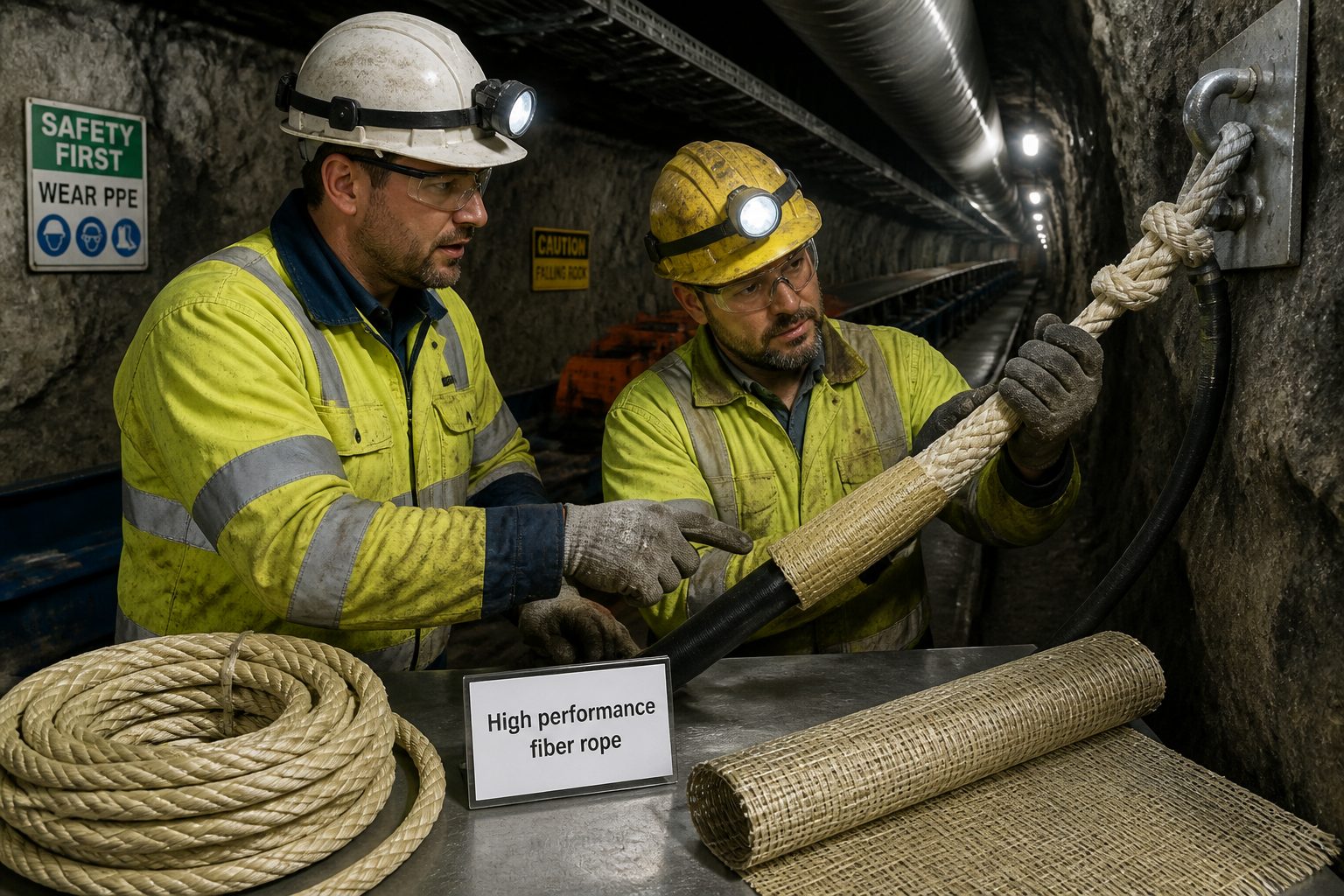
UHMWPE fibers can be used to create ropes and cables for lifting and hoisting heavy equipment. These fibers are incredibly strong and lightweight, making them ideal for these applications. They also offer excellent resistance to abrasion and chemicals, ensuring long-term performance.
Carbon fiber composites are increasingly being used to manufacture structural components for mining equipment. These composites offer a high strength-to-weight ratio, reducing the overall weight of the equipment and improving its performance. They are also resistant to corrosion and fatigue, extending the lifespan of the equipment.
The use of high-performance fibers in mining equipment can also improve worker safety. Lighter equipment is easier to handle and maneuver, reducing the risk of accidents and injuries. Wear-resistant liners protect workers from exposure to hazardous materials.
The integration of high-performance fibers into mining equipment requires careful design and engineering. It is essential to work with experienced manufacturers to ensure that the materials are properly selected and installed. This will maximize the benefits of these advanced materials and ensure long-term performance.
Fibers in Safety Materials
Worker safety is paramount in the mining industry, and high-performance fibers play a crucial role in enhancing safety materials. These fibers are used to create protective gear that offers superior protection against various hazards.
This ensures a safer working environment for miners. From protective clothing to safety nets, high-performance fibers are integrated into a range of safety products.
- Cut-resistant gloves made with UHMWPE fibers
- Flame-resistant clothing made with aramid fibers
- High-strength safety nets made with nylon fibers
- Impact-resistant helmets made with carbon fiber composites
- Abrasion-resistant boots made with reinforced synthetic fibers
Cut-resistant gloves made with UHMWPE fibers protect workers from hand injuries caused by sharp objects. Flame-resistant clothing made with aramid fibers provides protection against burns in the event of a fire.
High-strength safety nets made with nylon fibers are used to prevent falls from heights. Impact-resistant helmets made with carbon fiber composites protect workers from head injuries caused by falling objects. These helmets are lightweight and comfortable, encouraging workers to wear them consistently.
Abrasion-resistant boots made with reinforced synthetic fibers protect workers’ feet from injuries caused by sharp objects and heavy loads. These boots are designed to withstand the harsh conditions of the mining environment. They also provide good traction and support, reducing the risk of slips and falls.
In addition to these commonly used safety materials, high-performance fibers are also being used to develop new and innovative safety products. These include respirators with improved filtration capabilities and sensors that can detect hazardous gases.
The use of high-performance fibers in safety materials can significantly reduce the risk of accidents and injuries in the mining industry. This improves worker morale and reduces the potential for costly downtime. It also demonstrates a commitment to worker safety.
Regular inspection and maintenance of safety materials are essential for ensuring their continued effectiveness. Worn or damaged safety materials should be replaced immediately. Workers should be trained on how to properly use and care for their safety equipment.
Benefits of High-Performance Fibers
The integration of high-performance fibers in mining offers a multitude of benefits. These advantages span across safety, efficiency, and cost-effectiveness.
They make a compelling case for adopting these advanced materials. By leveraging the unique properties of these fibers, mining operations can achieve significant improvements.
One of the primary benefits is enhanced safety. High-performance fibers provide superior protection against ground collapses, equipment failures, and other hazards. This reduces the risk of accidents and injuries, creating a safer working environment for miners.
Improved efficiency is another key advantage. The use of these fibers in mining equipment extends its lifespan and reduces downtime for maintenance. This translates to increased productivity and lower operational costs.
Cost-effectiveness is also a significant consideration. While high-performance fibers may have a higher initial cost compared to traditional materials, their long-term benefits outweigh the investment. The extended lifespan of equipment and reduced maintenance costs result in overall savings.
Additionally, the lightweight nature of some high-performance fibers can lead to energy savings. Lighter equipment requires less fuel to operate, reducing both costs and environmental impact. This contributes to a more sustainable mining operation.
Durability is a key attribute, reducing the frequency of replacements and minimizing waste. This leads to lower long-term expenses and a smaller environmental footprint. The enhanced resistance to corrosion and chemicals further contributes to the longevity of these materials.
The increased strength and load-bearing capacity of high-performance fibers allow for the design of more robust and reliable structures. This is particularly important in underground mining, where ground stability is critical. It also allows for more efficient use of resources, reducing the amount of material needed for construction.
The ease of installation of some high-performance fiber products can also save time and labor costs. This is especially beneficial in remote mining locations, where skilled labor may be scarce. It can also reduce the disruption to mining operations during installation and maintenance.
The versatility of high-performance fibers allows them to be used in a wide range of applications. This makes them a valuable tool for addressing a variety of challenges in the mining industry. It also allows for standardization of materials, simplifying procurement and inventory management.
Case Studies and Examples
Several mining operations have successfully implemented high-performance fibers to address specific challenges. These case studies provide valuable insights into the real-world applications and benefits of these materials.
They demonstrate the potential for improving safety and efficiency. One example is a gold mine in South Africa that used aramid fiber rock bolts to reinforce unstable ground.
The mine experienced frequent rock falls, posing a significant risk to workers. By replacing traditional steel bolts with aramid fiber bolts, they significantly improved ground stability and reduced the risk of collapses. The aramid fiber bolts also proved to be more resistant to corrosion, extending their lifespan and reducing maintenance requirements.
Another case study involves a coal mine in Australia that used UHMWPE fiber-reinforced conveyor belts. The mine’s existing conveyor belts were prone to tearing and required frequent replacement.
By switching to UHMWPE fiber-reinforced belts, they increased the tensile strength and tear resistance of the conveyor system. This reduced downtime and extended the lifespan of the belts, resulting in significant cost savings.
A copper mine in Chile implemented synthetic microfibers in their shotcrete ground support system. The mine had issues with spalling, which compromised the integrity of the ground support.
By adding synthetic microfibers to the shotcrete, they enhanced its crack resistance and durability. This reduced spalling and improved the overall stability of the ground support system.
A diamond mine in Canada utilized carbon fiber composites to build lighter and stronger components for their mining trucks. This resulted in improved fuel efficiency and maneuverability, reducing operational costs. The increased strength also reduced the risk of equipment failure.
A nickel mine in Russia implemented cut-resistant gloves made with UHMWPE fibers to protect workers from hand injuries. This significantly reduced the number of hand injuries, improving worker safety and reducing lost work time. The gloves were also more comfortable and durable than traditional gloves.
These case studies demonstrate the diverse range of applications for high-performance fibers in the mining industry. They highlight the potential for these materials to improve safety, efficiency, and sustainability. They also provide valuable lessons for other mining operations looking to implement these technologies.
Innovations and Future Trends
The field of high-performance fibers is continuously evolving, with ongoing research and development leading to new innovations. These advancements promise even greater improvements in safety and efficiency in the mining industry.
The future looks promising for these materials. One trend is the development of new fiber-reinforced composite materials that offer enhanced strength-to-weight ratios.
These materials can be used to create lighter and stronger mining equipment, reducing fuel consumption and improving maneuverability. Another area of innovation is the development of smart textiles that incorporate sensors to monitor the condition of ground support systems.
These sensors can detect changes in stress and strain, providing early warnings of potential collapses. This allows for proactive maintenance and prevents accidents before they occur.
Researchers are also exploring the use of nanotechnology to enhance the properties of high-performance fibers. By incorporating nanoparticles into the fiber matrix, they can improve strength, durability, and resistance to harsh environments.
This could lead to the development of even more robust and reliable materials for mining applications. The integration of high performance fibers in mining is also aligning with sustainable practices.
The development of biodegradable high-performance fibers is also a promising trend. These fibers would reduce the environmental impact of mining operations. They would also be easier to dispose of at the end of their lifespan.
The use of artificial intelligence (AI) to optimize the design and manufacturing of high-performance fibers is another area of innovation. AI can be used to identify the best combination of materials and processes to achieve specific performance characteristics. This can lead to the development of more efficient and cost-effective fibers.
The integration of high-performance fibers with other advanced technologies, such as robotics and automation, is also expected to drive innovation in the mining industry. This could lead to the development of new mining methods that are safer, more efficient, and more sustainable.
The increasing demand for critical minerals and metals is driving the need for more efficient and sustainable mining practices. High-performance fibers are expected to play a key role in meeting this demand. They will help to improve the safety, efficiency, and sustainability of mining operations around the world.
Environmental Considerations
The environmental impact of mining operations is a growing concern, and the use of high-performance fibers can contribute to more sustainable practices. These materials can help reduce waste, conserve resources, and minimize the carbon footprint of mining activities.
By extending the lifespan of equipment and reducing the need for frequent replacements, the use of high-performance fibers can significantly reduce waste. This also conserves resources, as fewer raw materials are needed to manufacture replacement parts.
The lightweight nature of some high-performance fibers can lead to energy savings. Lighter equipment requires less fuel to operate, reducing greenhouse gas emissions. The use of geotextiles made from polypropylene fiber can also help with erosion control and soil stabilization.
This prevents soil erosion and sedimentation, protecting water quality and preserving ecosystems. Additionally, some high-performance fibers are recyclable, further reducing their environmental impact. As the mining industry continues to evolve, sustainability will become an increasingly important factor.
The integration of high performance fibers in mining practices aligns with the industry’s commitment to responsible and environmentally friendly operations. Embracing these materials demonstrates a proactive approach to minimizing environmental impact and promoting long-term sustainability.
Furthermore, the reduced need for maintenance and repairs also minimizes the use of lubricants and other chemicals. This reduces the potential for soil and water contamination. The use of high-performance fibers can also help to reduce noise pollution, improving the quality of life for nearby communities.
Life cycle assessments (LCAs) are increasingly being used to evaluate the environmental impact of mining operations. These assessments take into account the entire life cycle of materials, from extraction to disposal. High-performance fibers often perform well in LCAs, demonstrating their environmental benefits.
The mining industry is facing increasing pressure from regulators and stakeholders to reduce its environmental impact. The use of high-performance fibers can help mining companies to meet these challenges. It also demonstrates a commitment to environmental stewardship.
The development of new and innovative high-performance fibers is also focused on reducing their environmental impact. This includes the use of bio-based materials and the development of more efficient manufacturing processes. It also includes the design of fibers that are easier to recycle or dispose of safely.
Conclusion
High-performance fibers are transforming the mining industry by enhancing safety, improving efficiency, and promoting sustainability. From ground support to equipment reinforcement to safety materials, these advanced materials offer a range of benefits that traditional materials cannot match.
By embracing these innovations, mining operations can create a safer and more productive environment for workers and reduce their environmental impact. The future of mining is intertwined with the continued development and integration of high-performance fibers.
The initial investment in high-performance fibers is often offset by long-term cost savings and improved operational performance. This makes them a valuable tool for mining companies looking to enhance their competitiveness. It also contributes to a more sustainable and responsible mining industry.
As the mining industry continues to evolve, the demand for high-performance fibers is expected to grow. This will drive further innovation and development in this field. It will also lead to new and innovative applications for these materials in mining operations around the world.
The key to successfully implementing high-performance fibers in mining is to carefully assess the specific needs and challenges of each operation. It is also important to work with experienced suppliers and contractors to ensure that the materials are properly selected and installed. This will maximize the benefits of these advanced materials and ensure long-term success.