
The world is facing an unprecedented environmental crisis, largely driven by the accumulation of plastic waste. Traditional plastics, derived from petroleum, persist in the environment for hundreds of years, leading to pollution and harming ecosystems.
Biodegradable polymers offer a promising solution, breaking down naturally into harmless substances. The synthesis of these polymers, however, requires careful consideration to ensure both functionality and environmental compatibility.
This article will examine the methods used in biodegradable polymers synthesis. We will also discuss the crucial factors that influence their biodegradability and environmental impact, providing a comprehensive overview for researchers and industry professionals.
The Need for Biodegradable Polymers
The detrimental effects of conventional plastics on the environment are well-documented. From overflowing landfills to polluted oceans, the evidence is clear that we need alternatives.
The accumulation of plastic waste poses a significant threat to wildlife. Animals often ingest plastic debris, leading to starvation or poisoning, and entanglement in plastic waste can cause injury or death.
Biodegradable plastics, on the other hand, offer a more sustainable option. These materials can be broken down by microorganisms into natural substances like water, carbon dioxide, and biomass.
The use of biodegradable polymers can significantly reduce the burden on landfills. They can also minimize the risk of plastic pollution in natural environments, contributing to a cleaner and healthier planet.
Conventional plastics contribute significantly to greenhouse gas emissions throughout their lifecycle. This includes extraction, manufacturing, transportation, and eventual disposal. Biodegradable alternatives, especially those derived from renewable resources, can have a smaller carbon footprint.

The sheer volume of plastic waste generated globally is staggering and continues to increase. Finding sustainable solutions to manage this waste stream is a critical imperative for environmental protection.
Microplastics, tiny plastic particles resulting from the fragmentation of larger plastic items, are now ubiquitous in the environment. They contaminate soils, waterways, and even the air, posing risks to human and animal health.
Biodegradable polymers offer a pathway towards reducing the long-term persistence of plastics in the environment. This contributes to a more circular economy where materials are designed to be reused or safely returned to the environment.
Common Synthesis Methods
Several methods are employed in the synthesis of biodegradable polymers, each with its own advantages and limitations. These methods can be broadly categorized into chemical synthesis, biosynthesis, and modification of natural polymers.
Chemical synthesis involves the polymerization of monomers derived from renewable resources. This approach allows for the creation of polymers with tailored properties, but may require the use of harsh chemicals and energy-intensive processes.
Biosynthesis, on the other hand, utilizes microorganisms to produce polymers. This method is generally more environmentally friendly, but may be limited by the availability of suitable microorganisms and the efficiency of the production process.
Modification of natural polymers involves altering the structure of naturally occurring polymers, such as starch or cellulose. This approach can improve the properties of these polymers, making them more suitable for various applications.
Chemical synthesis often involves step-growth or chain-growth polymerization techniques. These reactions create long polymer chains from smaller monomer units.
In biosynthesis, microorganisms are cultivated in controlled environments to produce the desired polymer. The polymer is then extracted and purified from the microbial biomass.
The modification of natural polymers can involve techniques such as esterification, acetylation, or grafting. These modifications can alter the hydrophobicity, strength, or biodegradability of the polymer.
Enzymatic polymerization is a subset of chemical synthesis that uses enzymes as catalysts. This approach offers the potential for milder reaction conditions and higher selectivity.
Choosing the appropriate synthesis method depends on the desired properties of the polymer, the availability of resources, and environmental considerations. Each method presents unique challenges and opportunities for optimization.
Considerations for Biodegradability
The biodegradability of a polymer is influenced by several factors, including its chemical structure, molecular weight, and crystallinity. Environmental conditions, such as temperature, humidity, and the presence of microorganisms, also play a crucial role.
Polymers with ester bonds are generally more susceptible to hydrolysis. This makes them more easily broken down by microorganisms.
High molecular weight polymers tend to degrade more slowly than those with lower molecular weights. Longer polymer chains are more difficult for microorganisms to break down.
Crystalline regions in a polymer are more resistant to degradation compared to amorphous regions. The ordered structure of crystalline regions makes it harder for enzymes and water to penetrate.
The presence of specific microorganisms capable of degrading the polymer is essential for biodegradation. Different microorganisms produce different enzymes that can break down different types of polymers.
Temperature and humidity affect the activity of microorganisms and the rate of hydrolysis. Optimal conditions promote faster degradation, while unfavorable conditions can slow it down.
The pH of the environment can also influence the rate of biodegradation. Some enzymes are more active at specific pH levels.
The surface area of the polymer exposed to the environment affects the rate of degradation. Smaller particles degrade more quickly than larger ones.
| Factor | Description | Impact on Biodegradability |
|---|---|---|
| Chemical Structure | Presence of hydrolyzable bonds (e.g., ester, amide) | Higher biodegradability with hydrolyzable bonds |
| Molecular Weight | Average chain length of the polymer | Lower molecular weight generally enhances biodegradability |
| Crystallinity | Degree of order in the polymer structure | Lower crystallinity promotes faster degradation |
| Environmental Conditions | Temperature, humidity, pH, microbial activity | Optimal conditions accelerate degradation |
Understanding these factors is crucial for designing biodegradable polymers that degrade effectively in specific environments. This knowledge helps tailor the polymer’s properties to match the intended application and disposal method.
Examples of Biodegradable Polymer Synthesis
Several biodegradable polymers have been successfully synthesized and are used in various applications. These include polylactic acid (PLA), polyhydroxyalkanoates (PHAs), and polycaprolactone (PCL).
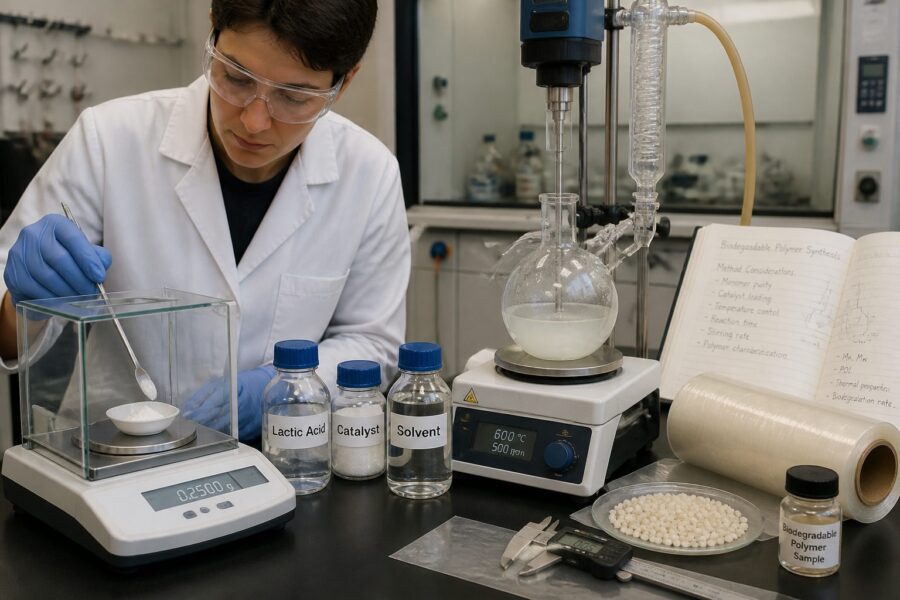
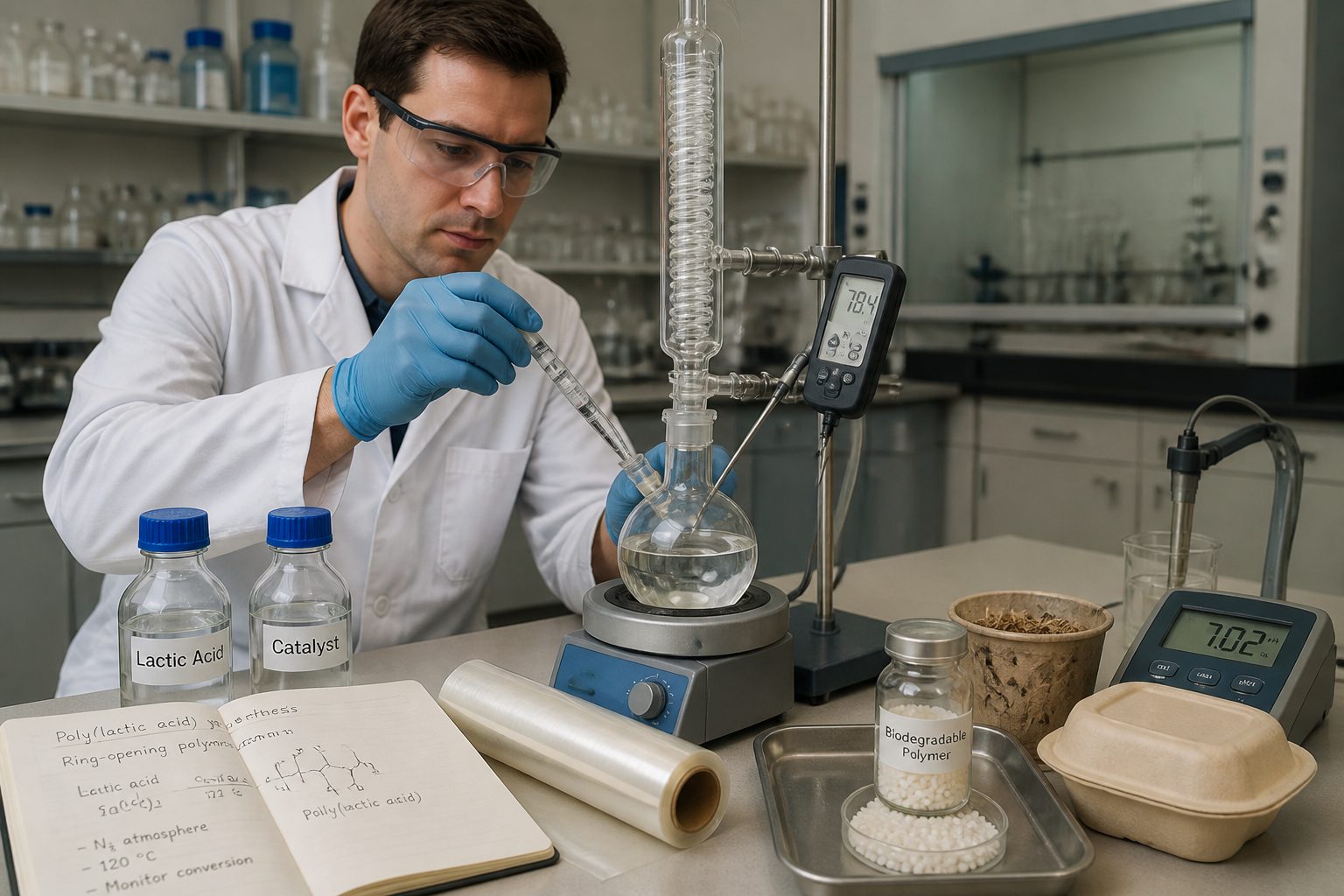
PLA is synthesized from lactic acid, which can be derived from the fermentation of corn starch or sugarcane. It is commonly used in packaging, textiles, and biomedical applications due to its good mechanical properties and biodegradability.
PHAs are produced by microorganisms through the fermentation of sugars or lipids. These polymers have a wide range of properties depending on their composition, making them suitable for various applications, including packaging, agriculture, and medicine.
PCL is synthesized by the ring-opening polymerization of caprolactone. It is a semi-crystalline polymer with good biocompatibility and biodegradability, making it useful in drug delivery systems, tissue engineering scaffolds, and sutures.
The synthesis of PLA typically involves two main steps: fermentation of sugars to produce lactic acid, followed by polymerization of lactic acid to form PLA. Different polymerization methods can be used, such as ring-opening polymerization.
PHAs are synthesized intracellularly by various bacteria. The type of PHA produced depends on the bacterial strain and the carbon source used in the fermentation process.
The ring-opening polymerization of caprolactone to produce PCL can be initiated by various catalysts. The choice of catalyst influences the molecular weight and properties of the resulting polymer.
Starch-based polymers are another important class of biodegradable polymers. These are often produced by modifying starch through processes like esterification or grafting.
Cellulose-based polymers, such as cellulose acetate and carboxymethyl cellulose, are also widely used. These polymers are derived from cellulose, a naturally abundant polysaccharide found in plants.
Challenges and Future Directions
Despite the progress in biodegradable polymers synthesis, several challenges remain. These include the high cost of production, the limited range of properties, and the need for specific degradation conditions.
The cost of producing biodegradable polymers is often higher than that of conventional plastics, hindering their widespread adoption. Research efforts are focused on developing more efficient and cost-effective synthesis methods.
The properties of biodegradable polymers may not always meet the requirements of certain applications. For instance, some biodegradable polymers have lower strength or thermal stability compared to conventional plastics.
Future research should focus on developing new biodegradable polymers with improved properties. It should also explore novel synthesis methods that are both environmentally friendly and economically viable.
Improving the performance characteristics of biodegradable polymers is crucial for expanding their applications. This includes enhancing their mechanical strength, barrier properties, and thermal stability.
Developing biodegradable polymers that can degrade under a wider range of environmental conditions is also important. This would make them more suitable for use in various climates and disposal systems.
Exploring the use of waste materials as feedstocks for polymer synthesis can reduce costs and improve sustainability. This includes agricultural waste, food waste, and other biomass resources.
Research into new catalysts and polymerization techniques can lead to more efficient and environmentally friendly synthesis methods. This can help reduce the cost and environmental impact of biodegradable polymer production.
Collaboration between researchers, industry professionals, and policymakers is essential for driving innovation in this field. This will help accelerate the development and adoption of biodegradable polymers.
Strategies for Improving Biodegradable Polymer Synthesis
Improving the synthesis of biodegradable polymers involves multiple strategies. These range from exploring new feedstocks to optimizing reaction conditions.
One promising area is the use of waste materials as feedstocks for polymer synthesis. This can reduce both the cost and the environmental impact of the production process.
Enzymatic polymerization offers a greener alternative to traditional chemical synthesis. Enzymes can catalyze polymerization reactions under mild conditions, reducing the need for harsh chemicals and energy.
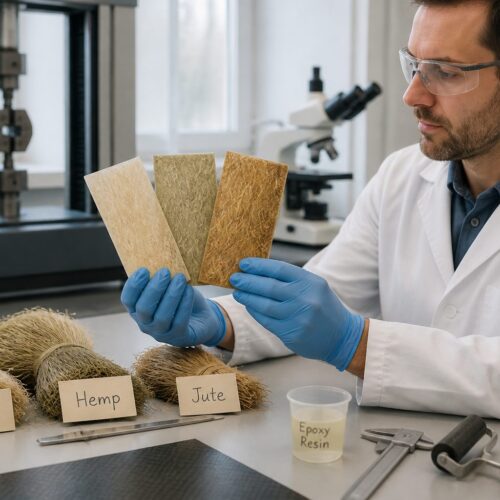
Another strategy is to blend biodegradable polymers with other materials to improve their properties. For example, blending PLA with natural fibers can enhance its strength and toughness.
Genetic engineering can be used to modify microorganisms to produce biodegradable polymers more efficiently. This can lead to higher yields and lower production costs.
Optimizing the fermentation process for PHA production can improve the yield and quality of the polymer. This includes controlling factors such as temperature, pH, and nutrient levels.
Developing new catalysts for the polymerization of lactic acid to PLA can improve the efficiency and selectivity of the reaction. This can lead to higher molecular weight polymers with better properties.
Exploring the use of supercritical fluids as solvents for polymerization can offer a more environmentally friendly alternative to traditional organic solvents. Supercritical fluids are non-toxic and can be easily recovered and recycled.
Life cycle assessment (LCA) can be used to evaluate the environmental impact of different synthesis methods. This can help identify areas where improvements can be made to reduce the environmental footprint of biodegradable polymer production.
Environmental Impact of Biodegradable Polymers
While biodegradable polymers offer a more sustainable alternative to conventional plastics, their environmental impact should be carefully evaluated. The entire life cycle of these materials, from synthesis to degradation, needs to be considered.
The synthesis of some biodegradable polymers may involve the use of fossil fuels or other non-renewable resources. This can offset some of the environmental benefits of their biodegradability.
The degradation of biodegradable polymers can release greenhouse gases, such as carbon dioxide and methane. The amount of greenhouse gases released depends on the degradation conditions and the type of polymer.
Proper disposal and composting infrastructure are essential for maximizing the environmental benefits of biodegradable polymers. Without these, they may end up in landfills, where they degrade slowly and release methane.
The land use associated with the production of bio-based monomers can also have environmental impacts. This includes deforestation, habitat loss, and soil erosion.
The water consumption associated with the cultivation of crops used as feedstocks for polymer synthesis can be significant. This can put a strain on water resources in some regions.
The use of pesticides and fertilizers in agriculture can have negative impacts on biodiversity and water quality. Sustainable agricultural practices should be used to minimize these impacts.
The transportation of raw materials and finished products can also contribute to greenhouse gas emissions. Optimizing supply chains can help reduce these emissions.
Composting biodegradable polymers requires specific conditions, such as high temperatures and humidity. Not all composting facilities are equipped to handle these materials.
Applications of Biodegradable Plastics
Biodegradable plastics are finding increasing use across a wide range of industries. They offer a sustainable alternative to traditional plastics in packaging, agriculture, and biomedicine.
In packaging, biodegradable polymers like PLA and PHA are used for food containers, films, and bags. These materials can reduce the environmental impact of packaging waste, especially when properly composted.
In agriculture, biodegradable mulch films made from PLA or starch blends can suppress weeds and retain soil moisture. These films eliminate the need for manual removal, as they degrade naturally in the soil after the growing season.
In biomedicine, biodegradable polymers are used for drug delivery systems, sutures, and tissue engineering scaffolds. These materials degrade safely in the body, eliminating the need for surgical removal.
Biodegradable plastics are also used in catering products, such as disposable cutlery and plates. These products can be composted along with food waste, reducing the amount of waste sent to landfills.
In the textile industry, biodegradable fibers are used to make clothing and other textiles. These fibers can be composted at the end of their life, reducing textile waste.
Biodegradable plastics are used in 3D printing to create prototypes and finished products. This allows for the creation of customized products with a reduced environmental impact.
In the construction industry, biodegradable polymers are used in insulation materials and other building products. These materials can improve the energy efficiency of buildings and reduce their environmental footprint.
Biodegradable plastics are also used in toys and other consumer products. This provides a more sustainable alternative to traditional plastics in these applications.
Future Research and Development
The future of biodegradable polymer synthesis hinges on continued research and development. We need to improve the performance, reduce the cost, and expand the applications of these materials.
Developing new biodegradable polymers with enhanced mechanical properties and thermal stability is crucial. This will enable them to replace conventional plastics in a wider range of applications.
- Exploring novel feedstocks, such as algae and agricultural waste
- Developing more efficient and sustainable synthesis methods
- Optimizing degradation conditions for different environments
- Improving the performance of biodegradable polymers through blending and modification
- Creating new applications for biodegradable polymers in emerging fields
Research into the long-term environmental impacts of biodegradable polymers is also needed. This will help ensure that these materials are truly sustainable.
Developing standardized testing methods for biodegradability is important. This will allow for a more accurate and consistent assessment of the biodegradability of different polymers.
Educating consumers about the proper disposal of biodegradable plastics is essential. This will help ensure that these materials are composted or disposed of properly.
Promoting the use of biodegradable polymers through government policies and incentives can help accelerate their adoption. This can include tax breaks, subsidies, and regulations.
The Role of Green Chemistry
Green chemistry principles play a vital role in the development of sustainable biodegradable polymers. By minimizing the use of hazardous substances and energy, green chemistry can reduce the environmental footprint of polymer synthesis.
The use of bio-based monomers derived from renewable resources aligns with green chemistry principles. These monomers reduce our reliance on fossil fuels and can be produced through environmentally friendly processes.
Developing catalytic processes that use non-toxic catalysts and mild reaction conditions is essential. This can minimize the generation of waste and reduce the energy consumption of polymer synthesis.
Designing polymers that degrade into non-toxic products is another key aspect of green chemistry. This ensures that the degradation process does not release harmful substances into the environment.
Atom economy, a key principle of green chemistry, focuses on maximizing the incorporation of starting materials into the final product. This minimizes waste generation and improves the efficiency of the synthesis process.
The use of safer solvents and auxiliaries is another important aspect of green chemistry. This reduces the risk of exposure to hazardous substances and minimizes the environmental impact of solvent waste.
Designing for energy efficiency is crucial for reducing the environmental footprint of polymer synthesis. This includes optimizing reaction conditions to minimize energy consumption and using renewable energy sources.
Preventing waste generation is a fundamental principle of green chemistry. This includes designing synthesis processes that minimize the formation of byproducts and utilizing waste materials as feedstocks.
Real-time monitoring and control of chemical processes can help prevent accidents and optimize reaction conditions. This can improve the safety and efficiency of polymer synthesis.
Conclusion
Biodegradable polymers represent a promising path toward a more sustainable future. While challenges remain, ongoing research and development efforts are paving the way for improved materials and synthesis methods.
By embracing green chemistry principles and investing in innovative technologies, we can unlock the full potential of biodegradable polymers. This will lead to a cleaner, healthier planet for future generations, reducing our dependence on conventional plastics.
The transition to a circular economy requires a concerted effort from researchers, industry, and policymakers. This includes developing new technologies, promoting sustainable practices, and creating supportive regulations.
Consumer awareness and demand for sustainable products are also crucial for driving the adoption of biodegradable polymers. Educating consumers about the benefits of these materials can help create a market pull for sustainable alternatives.
By working together, we can create a future where plastics are no longer a source of pollution and environmental degradation. Biodegradable polymers offer a viable pathway towards achieving this goal.