
The world of medicine is constantly evolving, and recent advancements in material science have opened up exciting new possibilities. One area experiencing rapid growth is the development and application of polymer fiber textiles in medicine. These advanced materials are revolutionizing various medical fields, offering improved performance, biocompatibility, and therapeutic potential.
From surgical sutures to tissue engineering scaffolds, polymer fiber textiles are finding their way into a wide range of biomedical applications. This article will explore the exciting applications of polymer fiber textiles in medicine, focusing on their role in surgical procedures, wound care, tissue regeneration, drug delivery, and cardiovascular treatments.
We will examine the properties that make these materials so well-suited for medical use, as well as the challenges and opportunities that lie ahead. Let’s take a look at how polymer fiber textiles are transforming healthcare and improving patient outcomes.
The Rise of Polymer Fibers in Medical Textiles
Traditional medical textiles, like cotton and silk, have been used for centuries. However, these materials often lack the strength, elasticity, and controlled degradation properties needed for advanced medical applications.
Polymer fiber textiles, on the other hand, offer a wide range of customizable properties that can be tailored to specific medical needs. These synthetic and natural polymers can be engineered to provide the desired mechanical strength, flexibility, and degradation rate, making them ideal for use in biomedical textiles.
The rise of polymer fibers in medical textiles is driven by their superior performance and versatility. They also offer improved biocompatibility, reducing the risk of adverse reactions and promoting tissue integration.
Furthermore, polymer fiber textiles can be manufactured with precise control over their structure and composition, allowing for the creation of highly specialized medical devices and implants. The development of new polymer materials and manufacturing techniques continues to fuel innovation in this field, leading to even more sophisticated and effective medical textiles.
The ability to create materials with specific properties has opened doors to treatments previously unimaginable. Polymer fibers can be designed to degrade at a predictable rate, a crucial characteristic for applications like absorbable sutures and drug delivery systems. This controlled degradation ensures that the material supports the healing process without causing long-term complications.
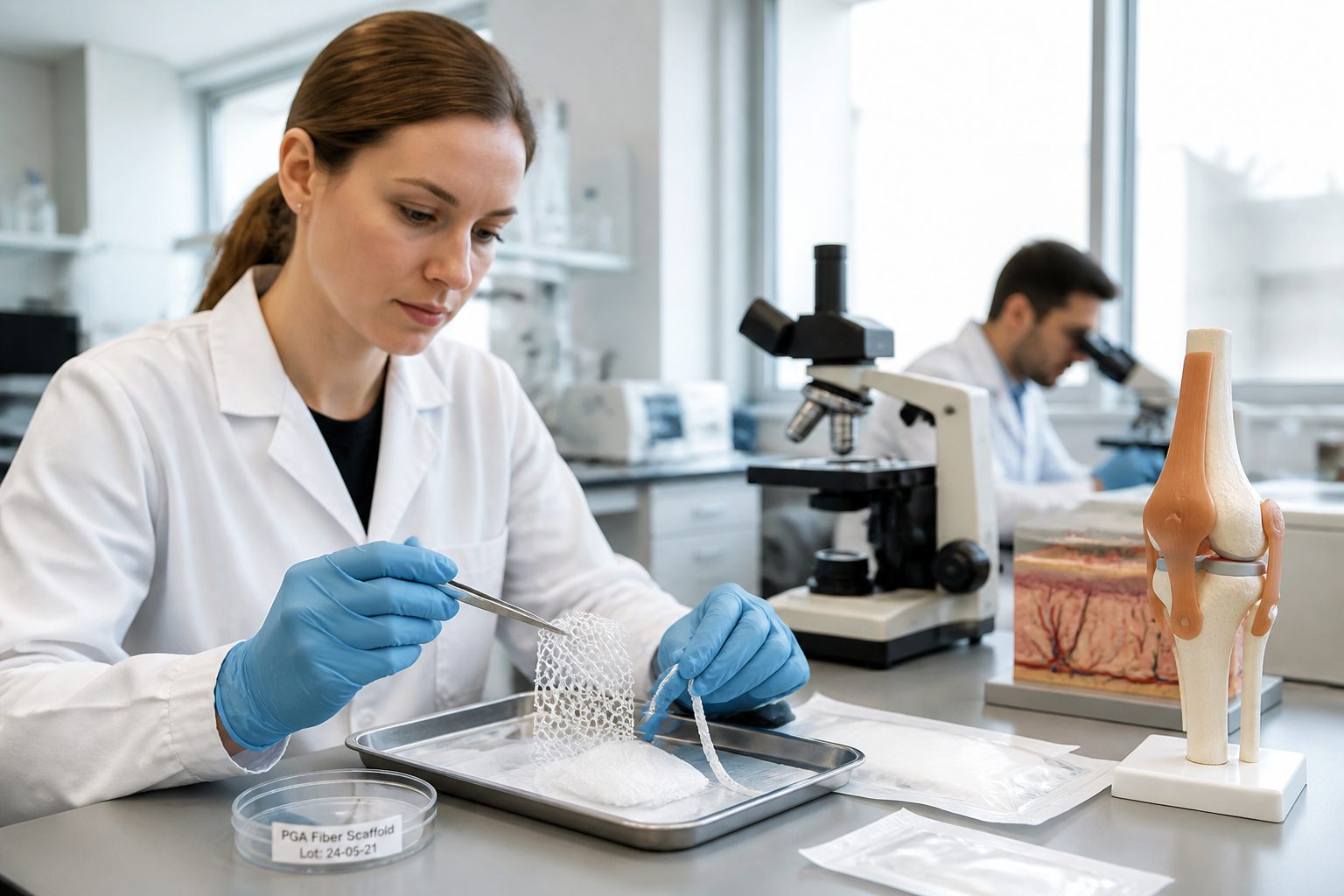

Beyond degradation, the biocompatibility of polymer fibers is paramount. These materials must interact favorably with the body’s tissues, minimizing inflammation and promoting cell growth. Researchers are constantly exploring new polymers and surface modifications to enhance biocompatibility and improve tissue integration.
The strength and elasticity of polymer fibers are also critical for many medical applications. Surgical sutures, for example, must be strong enough to hold tissues together during healing, while vascular grafts must be flexible enough to withstand the constant pressure of blood flow. The ability to fine-tune these mechanical properties is a key advantage of polymer fiber textiles.
Manufacturing techniques for polymer fiber textiles are also becoming increasingly sophisticated. Techniques like electrospinning allow for the creation of nanofibers with unique properties and applications. 3D printing is also being used to create complex scaffolds for tissue engineering, opening up new possibilities for regenerative medicine.
Polymer Sutures: A Detailed Look
Surgical sutures are essential tools for closing wounds and holding tissues together during healing. Polymer sutures have largely replaced traditional materials like catgut and silk due to their predictable performance and reduced risk of infection.
These sutures are made from a variety of polymers, including nylon, polypropylene, polyester, and polyglycolic acid (PGA). Each material offers unique properties that make it suitable for different surgical applications.
Absorbable sutures, such as those made from PGA, are designed to degrade over time, eliminating the need for a second surgery to remove them. Non-absorbable sutures, like nylon and polypropylene, provide long-term support and are often used in applications where permanent closure is required.
The choice of suture material depends on factors such as the type of tissue being repaired, the desired healing time, and the patient’s individual needs. Polymer sutures can also be coated with antimicrobial agents to further reduce the risk of infection.
The tensile strength of a suture is a crucial factor in determining its suitability for a particular surgical procedure. Sutures used in high-tension areas, such as abdominal closures, require high tensile strength to prevent dehiscence. Polymers like polypropylene and nylon are often preferred in these situations due to their exceptional strength.
Absorbable sutures are particularly useful in deep tissue closures where suture removal would be difficult or impossible. PGA sutures, for instance, are commonly used in subcutaneous closures and ligatures. The absorption rate of these sutures is carefully controlled to provide adequate support during the initial healing phase.
The diameter of the suture, often referred to as its “size,” is another important consideration. Smaller sutures are generally used for delicate tissues, such as those in the face or hands, while larger sutures are used for stronger tissues, such as muscle or fascia. The size of the suture is designated using a numerical system, with smaller numbers indicating larger diameters.
Suture coatings can also play a significant role in improving suture performance. Antimicrobial coatings, for example, can help to prevent surgical site infections. Lubricant coatings can reduce tissue drag and improve knot security. These coatings enhance the overall effectiveness and safety of polymer sutures.
Comparing Common Polymer Suture Materials
Different polymer suture materials offer unique advantages and disadvantages. Understanding these differences is essential for selecting the appropriate suture for a given surgical procedure.
The following table provides a detailed comparison of some of the most common polymer suture materials used in medicine.
| Suture Material | Absorption Rate | Tensile Strength | Common Applications |
|---|---|---|---|
| Polyglycolic Acid (PGA) | 60-90 days | High | Subcutaneous closures, ligatures |
| Polylactic Acid (PLA) | 6-12 months | Moderate | Deep tissue repair, orthopedic surgery |
| Nylon | Non-absorbable | High | Skin closure, cardiovascular surgery |
| Polypropylene | Non-absorbable | High | Hernia repair, plastic surgery |
| Polydioxanone (PDO) | 180-240 days | High | Fascial closures, pediatric surgery |
Beyond the properties listed in the table, other factors can influence the choice of suture material. These include the suture’s knot security, handling characteristics, and potential for tissue reaction. Surgeons often develop preferences for certain suture materials based on their experience and the specific needs of their patients.
Polyglycolic acid (PGA) sutures are known for their rapid absorption rate and high initial tensile strength. This makes them ideal for applications where short-term support is needed. However, PGA sutures can elicit a slightly higher tissue reaction compared to some other absorbable sutures.
Polylactic acid (PLA) sutures offer a longer absorption time compared to PGA. Their moderate tensile strength makes them suitable for deep tissue repair and orthopedic surgery. PLA sutures are also known for their excellent knot security.
Nylon sutures are non-absorbable and offer high tensile strength. They are commonly used for skin closure and cardiovascular surgery. However, nylon sutures can be relatively stiff and may require more knots to ensure secure closure.
Polypropylene sutures are also non-absorbable and possess high tensile strength. They are known for their excellent biocompatibility and minimal tissue reaction. Polypropylene sutures are often used in hernia repair and plastic surgery.
Polydioxanone (PDO) sutures offer a longer absorption time than PGA and high tensile strength. They are commonly used for fascial closures and pediatric surgery. PDO sutures are also known for their good knot security and minimal tissue reaction.
Using Polymer Fibers in Wound Dressings
Wound dressings play a critical role in protecting wounds from infection and promoting healing. Polymer fiber textiles are increasingly being used in advanced wound dressings due to their ability to create a moist wound environment, absorb excess exudate, and deliver therapeutic agents.
These dressings can be made from a variety of polymers, including alginate, chitosan, collagen, and polyurethane. Alginate dressings, derived from seaweed, are highly absorbent and can be used to manage heavily exuding wounds.
Chitosan dressings, made from crustacean shells, have antimicrobial properties and can promote wound healing. Collagen dressings provide a scaffold for cell growth and can be used to treat chronic wounds.
Polyurethane films and foams offer a barrier against infection while maintaining a moist wound environment. Some advanced wound dressings also incorporate antimicrobial agents, growth factors, or other therapeutic substances to accelerate healing and reduce the risk of complications. These advanced polymer fiber textiles offer significant advantages over traditional gauze dressings.
The creation of a moist wound environment is crucial for promoting cell migration and angiogenesis, both essential processes in wound healing. Polymer fiber dressings help maintain this optimal moisture balance, preventing the wound from drying out and forming a scab.
The ability to absorb excess exudate is also important for preventing maceration of the surrounding skin. Alginate and hydrofiber dressings are particularly effective at absorbing large amounts of fluid, making them suitable for heavily exuding wounds.
The delivery of therapeutic agents directly to the wound site can further accelerate healing and reduce the risk of infection. Polymer fiber dressings can be loaded with antibiotics, growth factors, or other medications to provide targeted therapy.
The biocompatibility of polymer fiber wound dressings is also a key consideration. Dressings made from natural polymers, such as collagen and chitosan, are generally well-tolerated by the body and can promote tissue regeneration. Synthetic polymers, such as polyurethane, can also be biocompatible if they are carefully designed and manufactured.
Polymer Scaffolds for Tissue Engineering
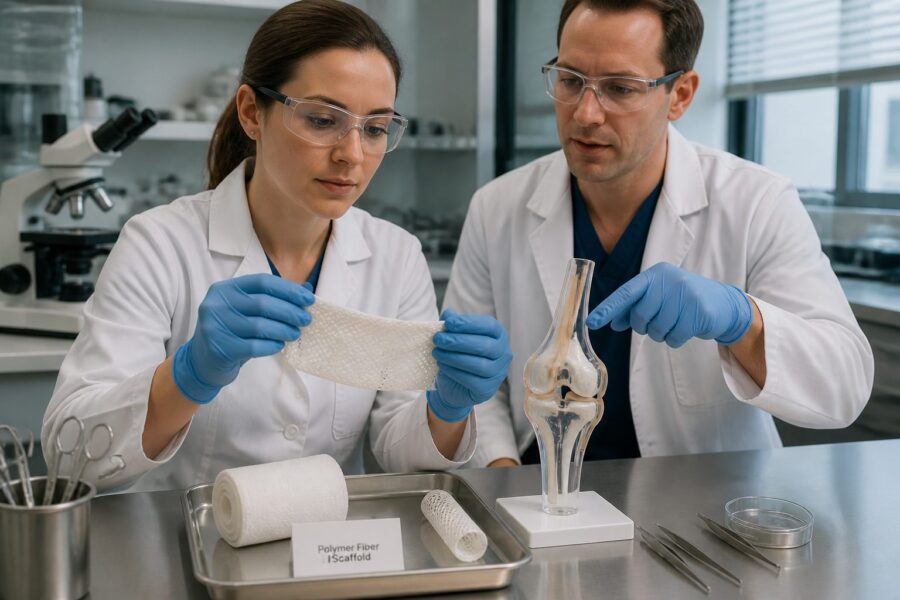
Tissue engineering is a rapidly growing field that aims to regenerate damaged or diseased tissues and organs. Polymer scaffolds play a crucial role in this process by providing a three-dimensional structure that supports cell growth and tissue formation.
These scaffolds are typically made from biodegradable polymers that degrade over time as the new tissue forms. The ideal scaffold material should be biocompatible, possess the appropriate mechanical properties, and have a porous structure that allows for cell infiltration and nutrient transport.
Common polymers used in tissue engineering scaffolds include polyglycolic acid (PGA), polylactic acid (PLA), and polycaprolactone (PCL). These materials can be fabricated into various forms, such as fibers, meshes, and foams, depending on the specific application.
Polymer scaffolds can be used to regenerate a wide range of tissues, including skin, bone, cartilage, and blood vessels. The scaffolds can also be seeded with cells before implantation to further enhance tissue regeneration. The possibilities for polymer scaffolds in tissue engineering are vast and offer hope for treating previously untreatable conditions.
The porosity of the scaffold is a critical factor in determining its ability to support cell growth and tissue formation. A highly porous scaffold allows for better cell infiltration, nutrient transport, and waste removal. The ideal pore size depends on the type of tissue being engineered.
The mechanical properties of the scaffold must also match those of the native tissue. Bone scaffolds, for example, need to be strong and rigid to provide structural support. Cartilage scaffolds, on the other hand, need to be flexible and resilient to withstand compressive forces.
The degradation rate of the scaffold must also be carefully controlled. The scaffold should degrade at a rate that matches the rate of new tissue formation. This ensures that the scaffold provides support during the initial stages of tissue regeneration and then gradually disappears as the new tissue matures.
Surface modification of polymer scaffolds can also enhance their biocompatibility and promote cell adhesion. Techniques such as plasma treatment and protein coating can be used to modify the surface of the scaffold and improve its interaction with cells.
Applications in Drug Delivery Systems
Polymer fiber textiles are also being used to develop advanced drug delivery systems. These systems can provide controlled release of drugs directly to the target site, improving therapeutic efficacy and reducing side effects.
Polymer fibers can be loaded with drugs and then woven or knitted into textiles that can be implanted or applied to the body. The drug release rate can be controlled by varying the polymer composition, fiber structure, and drug loading.
These systems can be used to deliver a wide range of drugs, including antibiotics, anti-inflammatory agents, and chemotherapeutic agents. Polymer fiber-based drug delivery systems offer several advantages over traditional drug delivery methods, including sustained drug release, targeted delivery, and reduced systemic toxicity.
One promising application is in the development of drug-eluting stents, which are used to prevent restenosis (re-narrowing) after angioplasty. These stents are coated with a polymer that releases an anti-proliferative drug, preventing the growth of scar tissue and keeping the artery open. Polymer fiber textiles are revolutionizing drug delivery, offering new hope for treating a variety of diseases.
The controlled release of drugs from polymer fiber textiles can be achieved through various mechanisms. These include diffusion, degradation, and swelling. The choice of mechanism depends on the desired release profile and the properties of the drug and polymer.
Diffusion-controlled release involves the diffusion of the drug through the polymer matrix. The release rate is determined by the diffusion coefficient of the drug and the thickness of the polymer layer. This mechanism is often used for hydrophobic drugs.
Degradation-controlled release involves the degradation of the polymer matrix, which releases the drug. The release rate is determined by the degradation rate of the polymer. This mechanism is often used for biodegradable polymers.
Swelling-controlled release involves the swelling of the polymer matrix, which increases the pore size and allows the drug to diffuse out. The release rate is determined by the swelling rate of the polymer. This mechanism is often used for hydrophilic drugs.
The targeting of drug delivery systems to specific tissues or organs can be achieved by incorporating targeting ligands into the polymer fiber textile. These ligands bind to specific receptors on the target cells, allowing the drug to be delivered directly to the site of action.
Benefits of Polymer Fiber Textiles in Drug Delivery
Polymer fiber textiles offer several key advantages when used in drug delivery applications. These benefits contribute to improved therapeutic outcomes and patient comfort.
Here are some of the primary benefits of using polymer fiber textiles in drug delivery systems.
- Sustained drug release over extended periods
- Targeted delivery to specific tissues or organs
- Reduced systemic toxicity and side effects
- Improved patient compliance and convenience
- Enhanced therapeutic efficacy compared to traditional methods
Sustained drug release allows for a more consistent drug concentration in the body, reducing the need for frequent dosing. This can improve patient compliance and reduce the risk of missed doses. It also reduces the peaks and valleys in drug concentration associated with traditional oral medications.
Targeted delivery minimizes the exposure of healthy tissues to the drug, reducing systemic toxicity and side effects. This is particularly important for drugs that have a narrow therapeutic window or that are toxic to certain organs. The ability to target specific cells is a major advantage.
Reduced systemic toxicity and side effects can improve patient comfort and quality of life. Patients are less likely to experience adverse reactions to the drug, allowing them to better tolerate the treatment. This can significantly improve treatment outcomes.
Improved patient compliance and convenience can lead to better adherence to the treatment plan. Patients are more likely to take their medication as prescribed when it is easy to administer and has minimal side effects. This leads to better overall health outcomes.
Enhanced therapeutic efficacy can result from the sustained release and targeted delivery of the drug. By maintaining a consistent drug concentration at the target site, the drug is more likely to achieve its desired therapeutic effect. This can lead to faster healing, reduced pain, and improved overall health.
Advanced Cardiovascular Applications
The field of cardiovascular medicine has greatly benefited from the development of polymer fiber textiles. These materials are used in a variety of cardiovascular devices, including vascular grafts, heart valves, and cardiac patches.
Vascular grafts are used to replace or repair damaged blood vessels. Polymer fiber grafts offer excellent biocompatibility and mechanical strength, allowing them to withstand the high pressures and pulsatile flow of blood.
Heart valves made from polymer fiber textiles can be designed to mimic the natural function of the heart valve, providing improved hemodynamics and durability. Cardiac patches are used to repair damaged heart tissue after a heart attack or other cardiac event.
These patches can be seeded with cells to promote tissue regeneration and improve cardiac function. Polymer fiber textiles are also being explored for use in artificial hearts and other advanced cardiovascular devices. As technology advances, polymer fiber textiles will continue to play a vital role in treating cardiovascular diseases.
The biocompatibility of vascular grafts is critical to prevent blood clotting and rejection by the body. Polymer fiber grafts are often coated with heparin or other anticoagulant agents to further reduce the risk of thrombosis. The surface properties of the graft are carefully engineered to promote endothelial cell growth and integration.
Heart valves made from polymer fiber textiles can be designed to be either mechanical or bioprosthetic. Mechanical valves are more durable but require lifelong anticoagulation therapy. Bioprosthetic valves are less durable but do not require anticoagulation therapy. The choice of valve depends on the patient’s age, health, and lifestyle.
Cardiac patches are used to repair damaged heart tissue after a heart attack or other cardiac event. These patches can be made from a variety of polymer fiber textiles, including collagen, elastin, and synthetic polymers. The patches are designed to provide structural support and promote tissue regeneration.
The development of artificial hearts is a major challenge in cardiovascular medicine. Polymer fiber textiles are being explored for use in the construction of artificial hearts due to their biocompatibility, mechanical strength, and ability to be fabricated into complex shapes. Artificial hearts offer the potential to save the lives of patients with end-stage heart failure.
Future Directions and Challenges
The future of polymer fiber textiles in medicine is bright, with ongoing research and development focused on creating even more advanced and effective materials. One area of focus is the development of smart textiles that can respond to changes in the body’s environment, such as pH or temperature.
These smart textiles could release drugs or growth factors in response to specific stimuli, providing personalized and targeted therapy. Another area of research is the development of biodegradable polymers that degrade at a controlled rate, allowing for complete tissue regeneration without the need for surgical removal.
Despite the many advances in this field, there are still challenges that need to be addressed. One challenge is the cost of manufacturing these advanced materials, which can limit their accessibility.
Another challenge is the need for more long-term clinical data to evaluate the safety and efficacy of these materials. Overcoming these challenges will require collaboration between material scientists, engineers, and clinicians. As research continues, polymer fiber textiles will undoubtedly play an increasingly important role in the future of medicine.
The development of smart textiles holds immense promise for personalized medicine. These textiles could be used to monitor a patient’s vital signs, detect early signs of infection, and deliver drugs in response to specific needs. Smart textiles could revolutionize the way healthcare is delivered.
The development of biodegradable polymers that degrade at a controlled rate is essential for tissue engineering applications. These polymers should degrade at a rate that matches the rate of new tissue formation, allowing for complete tissue regeneration without the need for surgical removal. This will simplify the treatment process and improve patient outcomes.
The cost of manufacturing advanced polymer fiber textiles is a significant barrier to their widespread adoption. Researchers are working to develop more cost-effective manufacturing techniques, such as electrospinning and 3D printing. Reducing the cost of these materials will make them more accessible to patients around the world.
The need for more long-term clinical data is crucial for evaluating the safety and efficacy of these materials. Clinical trials are needed to assess the long-term performance of polymer fiber textiles in various medical applications. This data will help to ensure that these materials are safe and effective for patients.
The Role of Biomedical Textiles
Biomedical textiles encompass a wide range of materials and applications. These textiles are specifically designed for use in medical devices, implants, and healthcare products.
The use of polymer fiber textiles in medicine falls squarely within the realm of biomedical textiles. These materials are engineered to meet the stringent requirements of medical applications, including biocompatibility, mechanical strength, and controlled degradation.
Biomedical textiles play a critical role in improving patient outcomes and advancing medical technology. From surgical implants to wound care products, these materials are essential for modern healthcare.
The ongoing development of new and improved biomedical textiles promises to further revolutionize medical treatments and enhance the quality of life for patients around the world. Biomedical textiles represent a cornerstone of innovation in the medical field.
The field of biomedical textiles is constantly evolving, driven by advancements in materials science, engineering, and medicine. New polymers, manufacturing techniques, and applications are constantly being developed. This continuous innovation is essential for improving patient care.
Biocompatibility is a paramount concern in the design and development of biomedical textiles. These materials must interact favorably with the body’s tissues, minimizing inflammation and promoting tissue integration. Rigorous testing is required to ensure the biocompatibility of these materials.
Mechanical strength is another critical requirement for many biomedical textiles. Surgical implants, for example, must be strong enough to withstand the forces exerted on them by the body. The mechanical properties of these materials must be carefully controlled to ensure their long-term performance.
Controlled degradation is an important property for many biomedical textiles, particularly those used in tissue engineering and drug delivery applications. The degradation rate of these materials must be carefully controlled to match the rate of new tissue formation or drug release. This ensures that the material provides support or delivers the drug at the appropriate time.
The Importance of Surgical Sutures
Surgical sutures are indispensable tools in the hands of surgeons. They allow for the precise closure of wounds and the secure approximation of tissues.
The development of polymer surgical sutures has significantly improved surgical outcomes. These sutures offer predictable performance, reduced risk of infection, and customizable properties.
The selection of the appropriate suture material is crucial for successful surgical repair. Factors such as tissue type, healing time, and patient factors must be considered.
Polymer surgical sutures have become the standard of care in modern surgery. Their continued development and refinement will undoubtedly lead to even better patient outcomes. The use of polymer sutures has revolutionized surgical practices.
The history of surgical sutures dates back thousands of years. Early sutures were made from natural materials such as linen, silk, and animal gut. These materials were often unreliable and prone to infection.
The development of polymer surgical sutures in the 20th century marked a major advance in surgical technology. These sutures offered improved strength, biocompatibility, and predictability. Polymer sutures have largely replaced natural sutures in modern surgery.
The choice of suture material depends on a variety of factors, including the type of tissue being repaired, the location of the wound, and the patient’s medical history. Surgeons must carefully consider these factors when selecting the appropriate suture for a given procedure.
The technique used to place the suture is also important for achieving successful wound closure. Surgeons must be skilled in various suturing techniques to ensure that the wound is properly approximated and that the suture is securely tied. Proper suturing technique minimizes the risk of complications such as wound dehiscence and infection.
Conclusion
Polymer fiber textiles have emerged as a revolutionary force in the field of medicine. Their unique properties and versatility make them ideal for a wide range of biomedical applications, from surgical sutures to tissue engineering scaffolds.
As research continues and new materials are developed, polymer fiber textiles will undoubtedly play an increasingly important role in improving patient outcomes and advancing medical technology. The future of polymer fiber textiles in medicine is filled with exciting possibilities.
The continued development of new and improved polymer fiber textiles will require collaboration between material scientists, engineers, and clinicians. This interdisciplinary approach is essential for translating research findings into clinical practice.
The potential applications of polymer fiber textiles in medicine are vast and far-reaching. From regenerative medicine to drug delivery, these materials offer new hope for treating a wide range of diseases and injuries. The future is bright for this exciting field.
As the population ages and the demand for healthcare increases, the need for advanced medical materials will continue to grow. Polymer fiber textiles are well-positioned to meet this demand and to improve the lives of patients around the world. These materials are a key component of the future of healthcare.