
Conclusion
Fiber reinforced polymers are transforming the landscape of pressure vessel technology, offering a compelling alternative to traditional materials like steel. Their superior strength-to-weight ratio, excellent corrosion resistance, and design flexibility make them ideal for a wide range of applications, from high-pressure storage to chemical processing.
While challenges remain, ongoing research and development efforts are paving the way for even more advanced and sustainable FRP pressure vessel designs. As technology continues to advance, fiber reinforced polymers will play an increasingly important role in ensuring the safe and efficient storage and transportation of fluids and gases under high pressure.
The adoption of FRP pressure vessels is expected to continue to grow in the coming years, driven by the increasing demand for lightweight, high-strength, and corrosion-resistant materials. As design codes and regulations become more standardized and manufacturing techniques become more efficient, FRP pressure vessels will become even more cost-competitive with traditional steel vessels.
The development of new and improved FRP materials will also contribute to the growth of the FRP pressure vessel market. Researchers are continuously working to develop materials with higher strength, stiffness, and environmental resistance. These advancements will enable the creation of even more advanced and sustainable FRP pressure vessel designs.
The future of pressure vessel technology is bright, with fiber reinforced polymers playing a central role. As technology continues to advance and new innovations emerge, FRP pressure vessels will become an increasingly important part of our industrial infrastructure, ensuring the safe and efficient storage and transportation of fluids and gases under high pressure.
Pressure vessels are critical components in many industries, ensuring the safe and efficient storage and transportation of fluids and gases under high pressure. Traditional materials like steel have long been the standard, but they come with limitations such as weight, corrosion susceptibility, and potential for fatigue failure.
This is where fiber reinforced polymers (FRPs) step in, offering a compelling alternative with enhanced performance characteristics. FRPs are revolutionizing the design and operation of pressure vessels, providing solutions that are lighter, stronger, and more durable.
This article will explore the growing role of fiber reinforced polymers in pressure vessel applications, examining their benefits, challenges, and future trends. We will also consider the importance of reliable pressure vessels, the advantages of using FRPs for corrosion resistance, and the exciting advancements in pressure vessel technology.
The Importance of Reliable Pressure Vessels
Pressure vessels are the unsung heroes of countless industrial processes, from chemical processing to oil and gas extraction. They are engineered to contain fluids or gases at pressures significantly different from ambient pressure, making them essential for storage, transportation, and reaction processes.
The reliability of these vessels is paramount because failure can lead to catastrophic consequences, including explosions, leaks, and environmental damage. Safety is not just a regulatory requirement; it is a fundamental aspect of responsible engineering and operations.
The integrity of pressure vessels directly impacts the safety of personnel, the protection of assets, and the continuity of operations. A single failure can result in significant financial losses due to downtime, repairs, and potential legal liabilities.
Therefore, the selection of appropriate materials and construction techniques is crucial to ensure the long-term reliability and safety of pressure vessels. Regular inspection, maintenance, and adherence to industry standards are also essential to prevent failures and maintain operational integrity.
Consider the scenario of a chemical plant where a pressure vessel is used to store a highly reactive chemical. A failure in this vessel could lead to a release of the chemical, posing a serious health risk to workers and the surrounding community. The consequences could include injuries, fatalities, and long-term environmental damage.
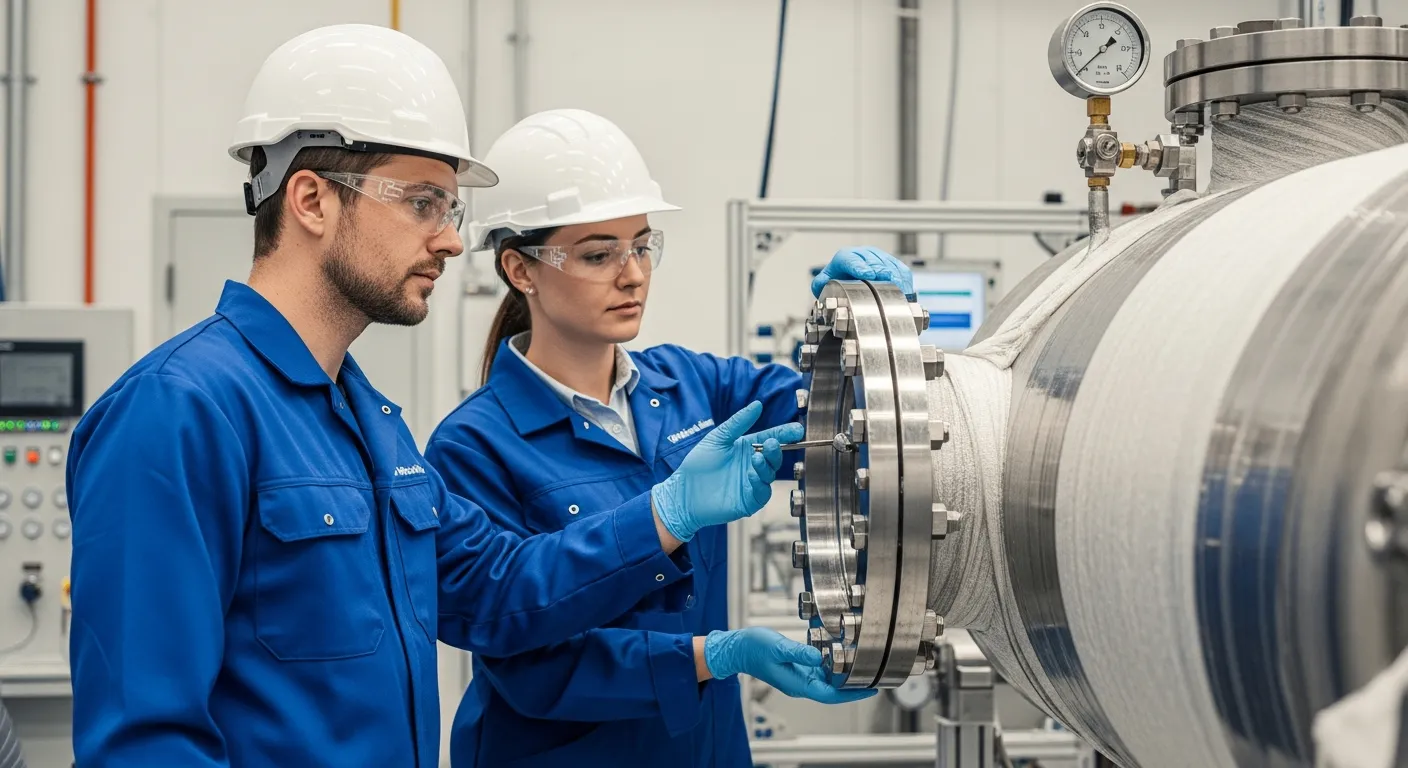
In the oil and gas industry, pressure vessels are used to store and transport natural gas and other hydrocarbons. A leak or rupture in a pressure vessel could result in a fire or explosion, causing significant damage to infrastructure and potentially leading to loss of life. The economic impact of such an event could be substantial, affecting not only the company responsible but also the broader economy.
The design and manufacturing of pressure vessels are governed by stringent codes and standards, such as those developed by the American Society of Mechanical Engineers (ASME). These standards specify the requirements for materials, design, fabrication, inspection, and testing of pressure vessels. Adherence to these standards is essential to ensure the safety and reliability of these critical components.
Regular inspections and maintenance are also crucial for maintaining the integrity of pressure vessels. These inspections should include visual examinations, non-destructive testing (NDT) methods such as ultrasonic testing and radiography, and pressure testing to identify any signs of degradation or damage. Any defects or anomalies should be promptly addressed to prevent potential failures.
Fiber Reinforced Polymers (FRPs): An Overview
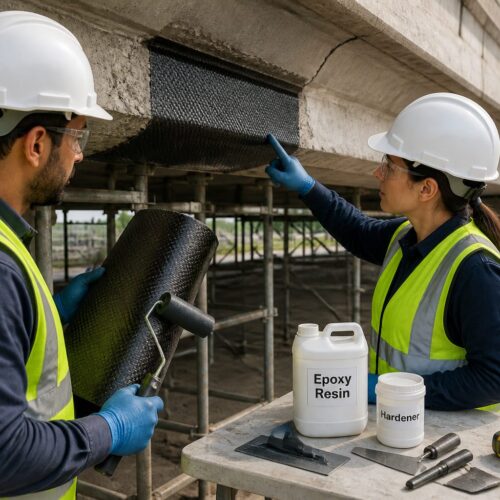
Fiber reinforced polymers are composite materials consisting of a polymer matrix reinforced with fibers such as carbon, glass, or aramid. The combination of these materials results in a synergistic effect, yielding properties that are superior to those of the individual components.
The polymer matrix, typically an epoxy, polyester, or vinyl ester resin, binds the fibers together and distributes the load evenly among them. The fibers provide the primary load-bearing capacity, offering high strength and stiffness in the direction of the fiber alignment.
FRPs offer several advantages over traditional materials like steel, including higher strength-to-weight ratio, excellent corrosion resistance, and design flexibility. These properties make them attractive for a wide range of applications, including aerospace, automotive, and civil engineering.
In the context of pressure vessels, FRPs enable the creation of lightweight, high-strength structures that can withstand extreme pressures and harsh environments. The ability to tailor the fiber orientation allows for optimized designs that maximize performance and minimize material usage.
The choice of fiber material depends on the specific application requirements. Carbon fibers offer the highest strength and stiffness but are also the most expensive. Glass fibers are a more cost-effective option with good strength and stiffness properties. Aramid fibers, such as Kevlar, provide excellent impact resistance and are often used in applications where toughness is critical.
The polymer matrix plays a crucial role in protecting the fibers from environmental damage and transferring loads between them. Epoxy resins are commonly used due to their high strength, chemical resistance, and adhesion properties. Polyester and vinyl ester resins are also used, offering a balance of properties and cost.
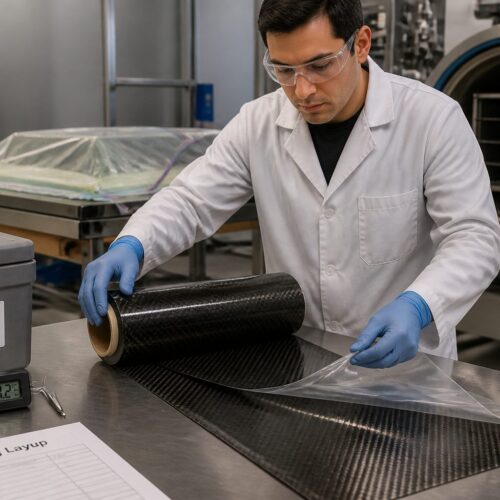
The manufacturing process for FRP composites involves carefully controlling the fiber orientation, resin content, and curing conditions. Filament winding, pultrusion, and resin transfer molding are common techniques used to produce FRP components with consistent quality and properties. These processes allow for the creation of complex shapes and customized designs.
The advantages of FRPs extend beyond their mechanical properties. They are also non-magnetic, non-conductive, and transparent to radio frequencies, making them suitable for applications where these properties are important. The ability to tailor the properties of FRPs by selecting different fiber and resin combinations provides engineers with a wide range of design options.
Applications in High-Pressure Storage
High-pressure storage is a critical requirement in various industries, including the storage of compressed natural gas (CNG), hydrogen, and other industrial gases. Traditional steel pressure vessels are heavy and bulky, making them less efficient for applications where weight and space are critical considerations.
Composite pressure vessels, made with fiber reinforced polymers, offer a lightweight alternative that can significantly improve the efficiency and performance of high-pressure storage systems. These vessels are designed to withstand high internal pressures while minimizing weight, making them ideal for mobile and stationary applications.
| Application | Gas Stored | Pressure Range (psi) | Benefits of FRP |
|---|---|---|---|
| CNG Vehicles | Compressed Natural Gas | 3,000-3,600 | Weight reduction, improved fuel efficiency |
| Hydrogen Storage | Hydrogen | 5,000-10,000 | High strength-to-weight ratio, permeation resistance |
| Aerospace | Oxygen, Nitrogen | 2,000-5,000 | Lightweight, corrosion resistance |
| Industrial Gas Storage | Various (e.g., Argon, Helium) | 2,000-6,000 | Customizable shapes, reduced maintenance |
| SCUBA Tanks | Compressed Air | 3,000-4,500 | Lightweight, improved buoyancy |
In CNG vehicles, FRP pressure vessels enable greater fuel efficiency by reducing the overall weight of the vehicle. This leads to lower fuel consumption and reduced emissions. The use of FRPs also allows for larger fuel storage capacity without significantly increasing the vehicle’s weight.
Hydrogen storage is another area where FRP pressure vessels are gaining prominence. Hydrogen is a promising alternative fuel, but its storage requires high-pressure vessels that can withstand the extreme conditions. FRP composites offer the necessary strength and permeation resistance to safely store hydrogen at high pressures.
In the aerospace industry, FRP pressure vessels are used to store oxygen, nitrogen, and other gases for life support systems and propulsion. The lightweight nature of FRPs is particularly important in aerospace applications, where every kilogram of weight saved translates into significant performance improvements.
Industrial gas storage benefits from the customizable shapes and reduced maintenance requirements of FRP pressure vessels. These vessels can be designed to fit specific space constraints and can withstand corrosive environments without the need for frequent repairs or replacements. This leads to lower operating costs and improved productivity.
Using FRPs for Corrosion Resistance
Corrosion is a major concern for pressure vessels, particularly in industries dealing with corrosive fluids or operating in harsh environments. Traditional steel vessels are susceptible to corrosion, which can lead to weakening of the material, leaks, and ultimately, failure.
Fiber reinforced polymers offer excellent corrosion resistance, making them a superior choice for applications where exposure to corrosive substances is unavoidable. Unlike steel, FRPs do not rust or corrode, which significantly extends the lifespan of the pressure vessel and reduces maintenance costs.
The polymer matrix in FRPs acts as a barrier, preventing corrosive agents from reaching the reinforcing fibers. This inherent corrosion resistance eliminates the need for expensive coatings or cathodic protection systems, further reducing the overall cost of ownership.
In industries such as chemical processing and wastewater treatment, where corrosive chemicals are routinely handled, FRP pressure vessels provide a reliable and cost-effective solution. They maintain their structural integrity even in the presence of aggressive substances, ensuring safe and continuous operation.
The corrosion resistance of FRPs is particularly beneficial in marine environments, where exposure to saltwater can rapidly corrode steel structures. FRP pressure vessels used in offshore oil and gas platforms or in marine transportation applications can withstand the harsh conditions without significant degradation.
In the chemical processing industry, FRP pressure vessels are used to store and transport a wide range of corrosive chemicals, including acids, alkalis, and solvents. The ability of FRPs to resist chemical attack ensures the safe and reliable containment of these substances, preventing leaks and environmental contamination.
Wastewater treatment plants often use FRP pressure vessels to store and process corrosive wastewater. The corrosion resistance of FRPs is essential in these applications, where the wastewater can contain a variety of aggressive chemicals and microorganisms. FRP vessels provide a long-lasting and reliable solution for wastewater treatment.
The use of FRPs for corrosion resistance not only extends the lifespan of pressure vessels but also reduces the need for frequent inspections and maintenance. This leads to lower operating costs and improved safety, as there is less risk of unexpected failures due to corrosion.
Benefits of FRP Pressure Vessels
Fiber reinforced polymer pressure vessels offer a multitude of benefits compared to traditional steel vessels, making them an attractive option for a wide range of applications. These advantages stem from the unique properties of FRPs, which combine high strength, lightweight, and corrosion resistance.
The high strength-to-weight ratio of FRPs allows for the creation of lighter vessels without compromising structural integrity, resulting in improved fuel efficiency in transportation applications and reduced lifting costs in industrial settings. The corrosion resistance of FRPs minimizes maintenance requirements and extends the lifespan of the vessel, providing long-term cost savings.
- Reduced weight for easier handling and transportation
- Superior corrosion resistance, minimizing maintenance
- High strength-to-weight ratio for improved performance
- Design flexibility to accommodate specific requirements
- Extended lifespan compared to traditional materials
The reduced weight of FRP pressure vessels can lead to significant cost savings in transportation and installation. Lighter vessels require less energy to transport and can be installed with smaller and less expensive equipment. This is particularly beneficial in remote locations or in applications where space is limited.
The superior corrosion resistance of FRPs translates into lower maintenance costs and reduced downtime. Steel vessels require regular inspections, coatings, and repairs to prevent corrosion, while FRP vessels can operate for extended periods without significant maintenance. This leads to improved productivity and reduced operating expenses.
The high strength-to-weight ratio of FRPs allows for the creation of pressure vessels that can withstand higher pressures without increasing the overall weight. This is particularly important in applications such as aerospace and hydrogen storage, where weight is a critical factor. FRP vessels can provide the necessary strength and safety without adding unnecessary weight.
The design flexibility of FRPs allows for the creation of customized pressure vessel shapes and sizes to meet specific application requirements. Unlike steel vessels, which are typically limited to cylindrical or spherical shapes, FRP vessels can be molded into complex geometries to optimize space utilization and performance. This design flexibility allows for innovative solutions to challenging engineering problems.
Manufacturing Techniques for FRP Pressure Vessels
Several manufacturing techniques are used to produce fiber reinforced polymer pressure vessels, each with its own advantages and limitations. Filament winding is a common method where continuous fibers are wound around a mandrel in a precise pattern, followed by resin impregnation and curing.
This technique allows for precise control over fiber orientation and thickness, resulting in high-strength, lightweight vessels. Another method is resin transfer molding (RTM), where dry fibers are placed in a mold, and resin is injected under pressure, resulting in a consistent and high-quality composite structure.
Automated fiber placement (AFP) is an advanced technique that uses robotic systems to precisely place individual fibers onto a mandrel, allowing for complex geometries and tailored fiber orientations. This method is particularly suitable for high-performance applications where precise control over material properties is essential.
The choice of manufacturing technique depends on factors such as the size and shape of the vessel, the desired performance characteristics, and the production volume. Each method requires specialized equipment and expertise to ensure the quality and reliability of the final product.
Filament winding is a cost-effective method for producing large, cylindrical pressure vessels with high strength and stiffness. The process involves winding continuous fibers around a rotating mandrel in a precise pattern, which is controlled by a computer. The resin is then applied to the fibers, either before or after winding, and the composite is cured to form a solid structure.
Resin transfer molding (RTM) is a closed-mold process that produces high-quality composite parts with consistent thickness and surface finish. Dry fibers are placed in a mold, and the mold is closed. Resin is then injected into the mold under pressure, filling the spaces between the fibers. The composite is cured in the mold, and the finished part is removed.
Automated fiber placement (AFP) is a more advanced manufacturing technique that uses robotic systems to precisely place individual fibers onto a mandrel. This allows for the creation of complex geometries and tailored fiber orientations. AFP is particularly suitable for high-performance applications where precise control over material properties is essential.
Other manufacturing techniques used for FRP pressure vessels include pultrusion, compression molding, and bladder molding. Pultrusion is a continuous process that produces constant cross-section profiles. Compression molding involves placing a prepreg material in a mold and applying heat and pressure to form the part. Bladder molding uses an inflatable bladder to apply pressure to the composite material during curing.
Testing and Quality Control
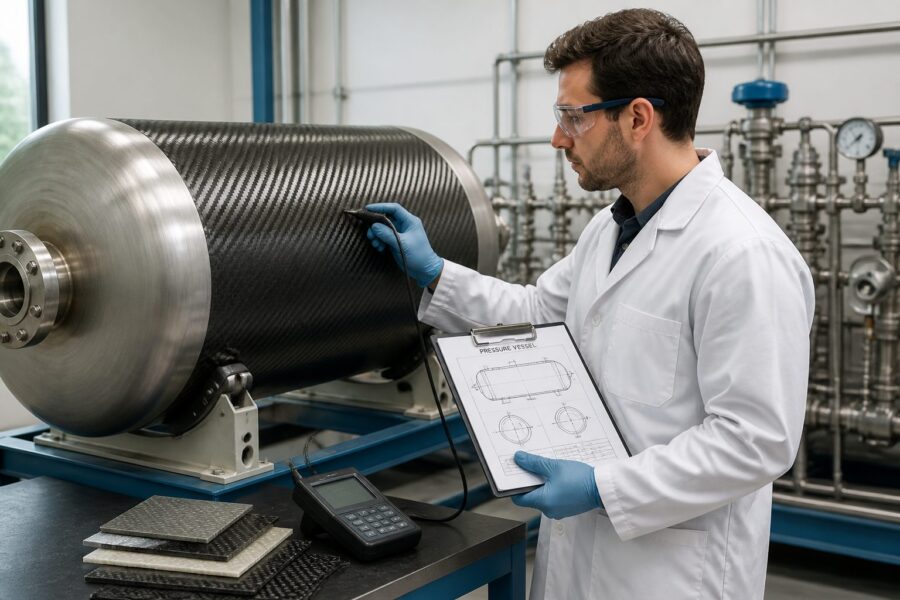
Rigorous testing and quality control procedures are essential to ensure the safety and reliability of fiber reinforced polymer pressure vessels. Non-destructive testing (NDT) methods such as ultrasonic testing, radiography, and thermography are used to detect defects and imperfections without damaging the vessel.
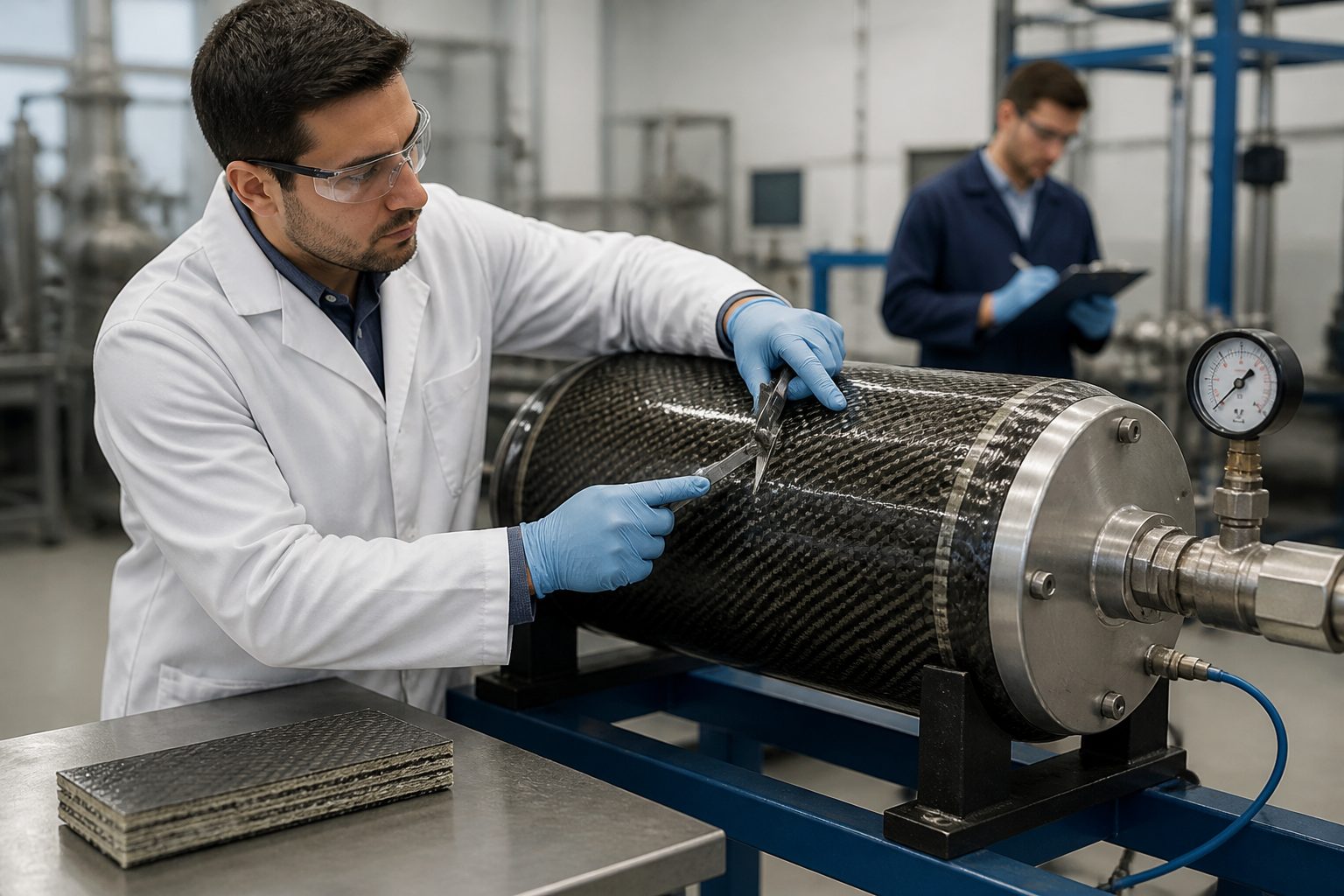
Hydrostatic testing, where the vessel is pressurized with water to a specified level, is performed to verify its structural integrity and leak-tightness. Burst testing, where the vessel is pressurized until failure, is conducted to determine its ultimate strength and validate the design calculations.
Quality control measures are implemented throughout the manufacturing process to ensure that the materials, processes, and workmanship meet the required standards. This includes regular inspections, process monitoring, and statistical process control to identify and correct any deviations from the established procedures.
Adherence to industry standards and regulations, such as those set by ASME (American Society of Mechanical Engineers) and ISO (International Organization for Standardization), is crucial for ensuring the safety and performance of FRP pressure vessels. These standards provide guidelines for design, manufacturing, testing, and inspection, ensuring that the vessels meet the required safety and performance criteria.
Ultrasonic testing uses high-frequency sound waves to detect internal defects such as voids, cracks, and delaminations. The sound waves are transmitted through the material, and the reflected signals are analyzed to identify any anomalies. Ultrasonic testing is a versatile and non-destructive method for assessing the integrity of FRP pressure vessels.
Radiography uses X-rays or gamma rays to penetrate the material and create an image of the internal structure. This image can reveal defects such as cracks, porosity, and foreign objects. Radiography is particularly useful for detecting defects that are difficult to detect with other NDT methods.
Thermography uses infrared cameras to detect temperature variations on the surface of the material. These temperature variations can indicate the presence of defects or anomalies. Thermography is a non-contact method that can be used to inspect large areas quickly and efficiently.
Hydrostatic testing is a proof test that verifies the structural integrity and leak-tightness of the pressure vessel. The vessel is filled with water and pressurized to a specified level, which is typically higher than the operating pressure. The vessel is then inspected for leaks or signs of deformation. Hydrostatic testing is a critical step in ensuring the safety and reliability of FRP pressure vessels.
Addressing Challenges and Limitations
While fiber reinforced polymers offer numerous advantages for pressure vessel applications, they also come with certain challenges and limitations that must be addressed. One concern is the higher initial cost of FRP materials compared to traditional steel, which can be a barrier to adoption in some industries.
However, the long-term cost savings due to reduced maintenance, extended lifespan, and improved performance can often offset the higher initial investment. Another challenge is the lack of standardized design codes and regulations specifically for FRP pressure vessels, which can make it difficult to obtain regulatory approval in some regions.
Research and development efforts are underway to develop more comprehensive design codes and standards that address the unique characteristics of FRP materials. The long-term durability and environmental resistance of FRPs also need to be carefully considered, particularly in harsh operating conditions.
Ongoing research is focused on developing more durable and environmentally resistant FRP materials, as well as improving the understanding of their long-term behavior. Proper material selection, design, and manufacturing practices are essential to mitigate these challenges and ensure the reliable performance of FRP pressure vessels.
The higher initial cost of FRP materials can be a significant barrier for some industries, particularly those with tight budgets. However, it is important to consider the total cost of ownership, which includes not only the initial cost but also the maintenance costs, lifespan, and performance benefits. In many cases, the long-term cost savings of FRP pressure vessels outweigh the higher initial investment.
The lack of standardized design codes and regulations for FRP pressure vessels can create uncertainty and challenges for engineers and manufacturers. This can make it difficult to obtain regulatory approval and insurance coverage for FRP pressure vessels. Efforts are underway to develop more comprehensive design codes and standards that address the unique characteristics of FRP materials and provide clear guidance for design, manufacturing, and testing.
The long-term durability and environmental resistance of FRPs are important considerations, particularly in harsh operating conditions. FRP materials can be susceptible to degradation from exposure to ultraviolet (UV) radiation, moisture, and chemicals. Proper material selection, design, and manufacturing practices can mitigate these risks and ensure the long-term performance of FRP pressure vessels.
Another challenge is the repair of FRP pressure vessels. Unlike steel vessels, which can be easily welded or repaired, FRP vessels require specialized repair techniques and materials. Proper training and expertise are essential for performing effective repairs on FRP pressure vessels. Research is ongoing to develop more efficient and reliable repair methods for FRP composites.
Future Trends in Pressure Vessel Technology
The field of pressure vessel technology is constantly evolving, with ongoing research and development efforts focused on improving performance, safety, and sustainability. One trend is the increasing use of advanced composite materials, such as carbon nanotubes and graphene, to further enhance the strength and stiffness of FRP pressure vessels.
These nanomaterials offer exceptional mechanical properties and can be incorporated into the polymer matrix or reinforcing fibers to create ultra-high-performance composites. Another trend is the development of self-healing materials that can automatically repair damage and extend the lifespan of pressure vessels.
Self-healing polymers contain microcapsules or vascular networks filled with healing agents that are released when damage occurs, repairing cracks and preventing further degradation. Additive manufacturing, also known as 3D printing, is also emerging as a promising technique for producing complex and customized pressure vessel designs.
3D printing allows for the creation of intricate geometries and tailored material properties, enabling the optimization of pressure vessel designs for specific applications. The integration of sensors and monitoring systems into pressure vessels is another trend that is gaining traction, allowing for real-time monitoring of stress, strain, and temperature.
The use of carbon nanotubes and graphene in FRP composites can significantly enhance the strength and stiffness of pressure vessels. These nanomaterials have exceptional mechanical properties and can be incorporated into the polymer matrix or reinforcing fibers to create ultra-high-performance composites. This can lead to lighter and stronger pressure vessels that can withstand higher pressures and temperatures.
Self-healing materials offer the potential to extend the lifespan of pressure vessels and reduce maintenance costs. These materials contain microcapsules or vascular networks filled with healing agents that are released when damage occurs, repairing cracks and preventing further degradation. This can significantly improve the durability and reliability of pressure vessels, particularly in harsh operating conditions.
Additive manufacturing, or 3D printing, is a revolutionary technology that allows for the creation of complex and customized pressure vessel designs. 3D printing enables the creation of intricate geometries and tailored material properties, allowing for the optimization of pressure vessel designs for specific applications. This can lead to more efficient and cost-effective pressure vessels.
The integration of sensors and monitoring systems into pressure vessels allows for real-time monitoring of stress, strain, and temperature. This can provide valuable information about the condition of the vessel and help to prevent failures. Real-time monitoring can also be used to optimize the operation of pressure vessels and improve their efficiency.
Conclusion
Fiber reinforced polymers are transforming the landscape of pressure vessel technology, offering a compelling alternative to traditional materials like steel. Their superior strength-to-weight ratio, excellent corrosion resistance, and design flexibility make them ideal for a wide range of applications, from high-pressure storage to chemical processing.
While challenges remain, ongoing research and development efforts are paving the way for even more advanced and sustainable FRP pressure vessel designs. As technology continues to advance, fiber reinforced polymers will play an increasingly important role in ensuring the safe and efficient storage and transportation of fluids and gases under high pressure.
The adoption of FRP pressure vessels is expected to continue to grow in the coming years, driven by the increasing demand for lightweight, high-strength, and corrosion-resistant materials. As design codes and regulations become more standardized and manufacturing techniques become more efficient, FRP pressure vessels will become even more cost-competitive with traditional steel vessels.
The development of new and improved FRP materials will also contribute to the growth of the FRP pressure vessel market. Researchers are continuously working to develop materials with higher strength, stiffness, and environmental resistance. These advancements will enable the creation of even more advanced and sustainable FRP pressure vessel designs.
The future of pressure vessel technology is bright, with fiber reinforced polymers playing a central role. As technology continues to advance and new innovations emerge, FRP pressure vessels will become an increasingly important part of our industrial infrastructure, ensuring the safe and efficient storage and transportation of fluids and gases under high pressure.