
The automotive industry is undergoing a radical transformation, driven by the need for increased fuel efficiency and reduced emissions. A key strategy in achieving these goals is the implementation of lightweight materials, replacing heavier traditional components. This is where fiber reinforced polymers in automotive come into play, offering a compelling alternative to steel and aluminum.
These advanced materials provide a unique combination of strength and lightness, making them ideal for a wide range of automotive applications. From body panels to structural components, fiber reinforced polymers are poised to revolutionize the way cars are designed and manufactured.
This article will explore the growing role of fiber reinforced polymers in automotive, examining their benefits, applications, and future prospects. We will also discuss how these materials contribute to improved fuel efficiency, performance, and sustainability in the automotive sector.
The Need for Lightweight Materials in Cars
The automotive industry faces increasing pressure to meet stringent fuel economy and emissions standards. Governments worldwide are implementing stricter regulations, pushing automakers to innovate and adopt new technologies. One of the most effective ways to improve fuel efficiency is to reduce the overall weight of the vehicle.
A lighter car requires less energy to accelerate and maintain speed, resulting in lower fuel consumption and reduced greenhouse gas emissions. For every 10% reduction in vehicle weight, fuel economy improves by approximately 6% to 8%, a pretty significant number. This weight reduction not only benefits the environment but also enhances vehicle performance.
Lighter vehicles typically have better handling, acceleration, and braking capabilities. This translates to a more responsive and enjoyable driving experience for the consumer. The pursuit of lightweighting has led to the exploration of alternative materials beyond traditional steel and aluminum.
While steel has long been the dominant material in car manufacturing, its high density makes it a significant contributor to vehicle weight. Aluminum offers a lighter alternative, but it is more expensive and can be challenging to form into complex shapes. This is where fiber reinforced polymers offer a good balance of properties.
Furthermore, the increasing demand for electric vehicles is also driving the need for lightweighting. Electric vehicles need to maximize their range, and reducing weight is crucial to achieving that goal. The energy required to move a heavier vehicle is significantly higher, impacting the overall efficiency and range of the EV.
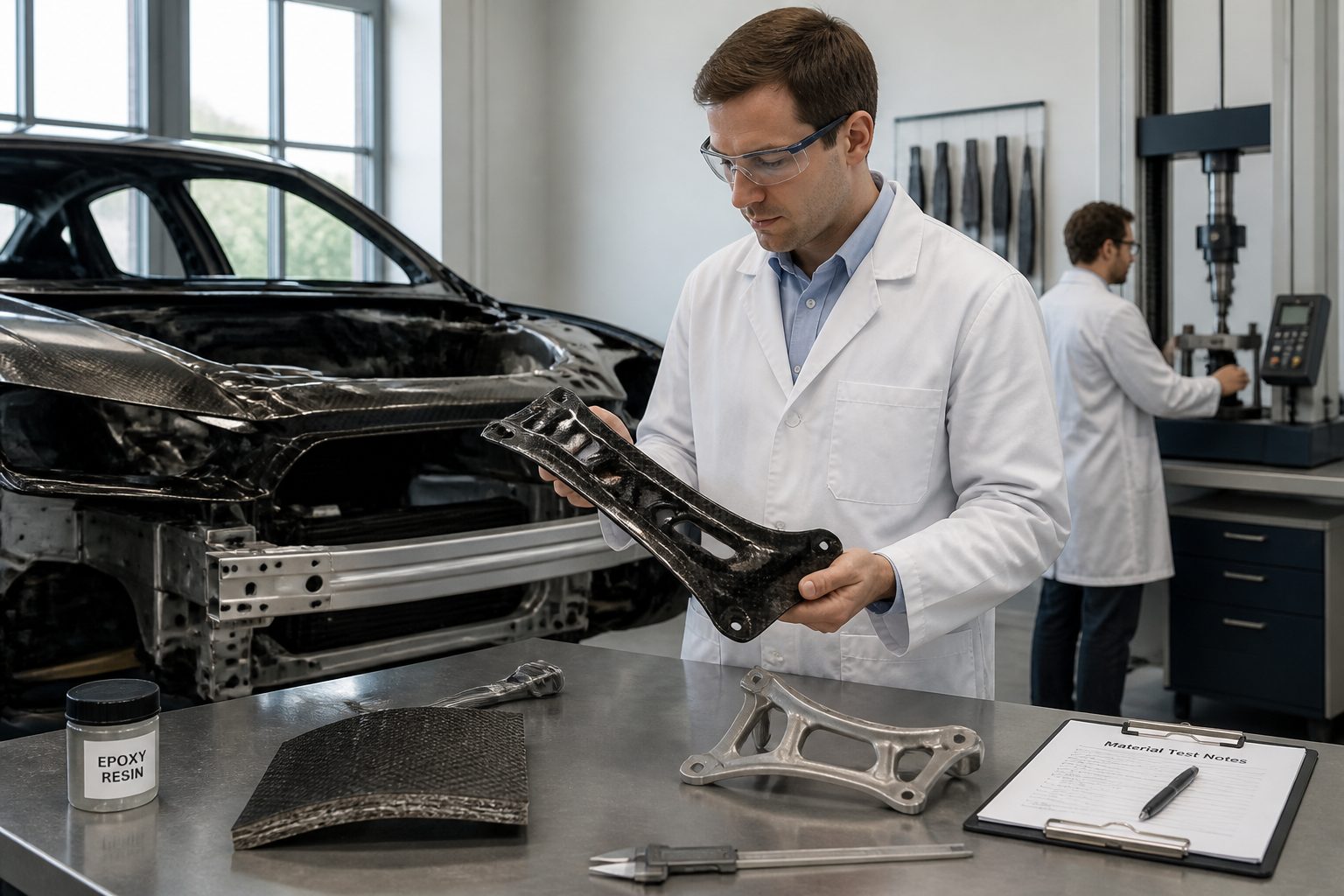

Beyond fuel efficiency, lightweighting also contributes to improved safety. A lighter vehicle is easier to control and maneuver, reducing the risk of accidents. In the event of a collision, a lighter vehicle also experiences less impact force, potentially reducing the severity of injuries.
The automotive industry is constantly innovating to find new and effective ways to reduce vehicle weight. This includes not only the materials used but also the design and manufacturing processes. The future of automotive design will undoubtedly be shaped by the ongoing quest for lightweighting and improved performance.
Fiber Reinforced Polymers (FRPs): An Overview
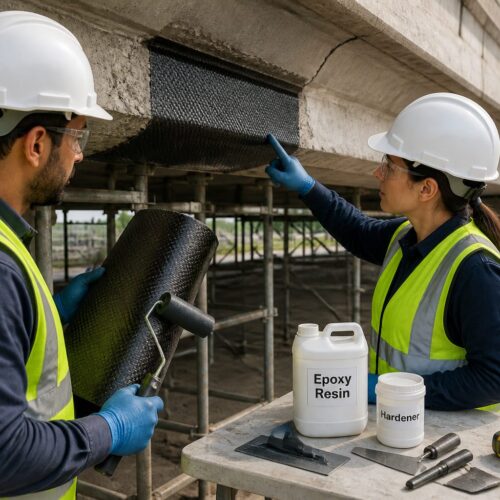
Fiber reinforced polymers, or FRPs, are composite materials consisting of a polymer matrix reinforced with fibers. These fibers can be made of various materials, including carbon, glass, aramid, or natural fibers. The polymer matrix, typically a thermosetting resin like epoxy or polyester, binds the fibers together and transfers loads between them.
The combination of fibers and matrix creates a material with exceptional strength-to-weight ratio. FRPs offer several advantages over traditional materials like steel and aluminum. They are significantly lighter, stronger, and more corrosion-resistant.
Carbon fiber reinforced polymers (CFRPs) are among the most widely used FRPs in high-performance applications. Carbon fibers provide exceptional strength and stiffness, making CFRPs ideal for structural components. Glass fiber reinforced polymers (GFRPs) offer a more cost-effective alternative, providing good strength and corrosion resistance at a lower price point.
Aramid fibers, such as Kevlar, are known for their high impact resistance and energy absorption capabilities. Natural fibers, such as flax or hemp, are gaining popularity due to their renewable nature and lower environmental impact. The choice of fiber and matrix depends on the specific application and performance requirements.
The polymer matrix plays a crucial role in protecting the fibers from environmental damage and distributing stress evenly throughout the material. Different types of resins offer different properties, such as temperature resistance, chemical resistance, and flexibility. The selection of the appropriate resin is essential for achieving the desired performance characteristics of the FRP.
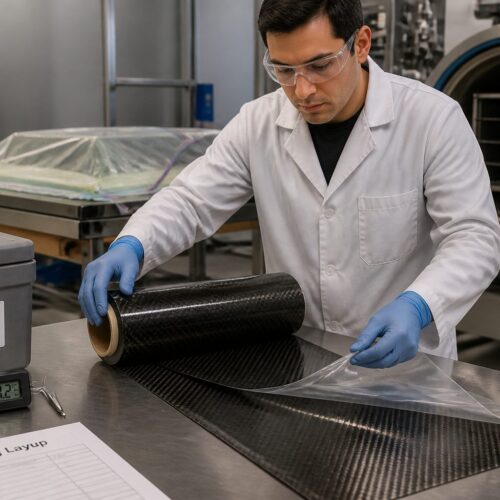
The manufacturing process for FRPs typically involves layering the fibers and matrix material in a mold and then curing the resin to create a solid composite structure. This process can be automated for high-volume production or done manually for complex shapes and small production runs. The manufacturing process significantly influences the final properties and cost of the FRP component.
FRPs can be tailored to meet specific performance requirements by varying the type and orientation of the fibers, as well as the composition of the matrix. This flexibility allows engineers to design components with optimized strength, stiffness, and weight for specific applications. This design flexibility is a key advantage of FRPs over traditional materials.
FRPs in Body Panels
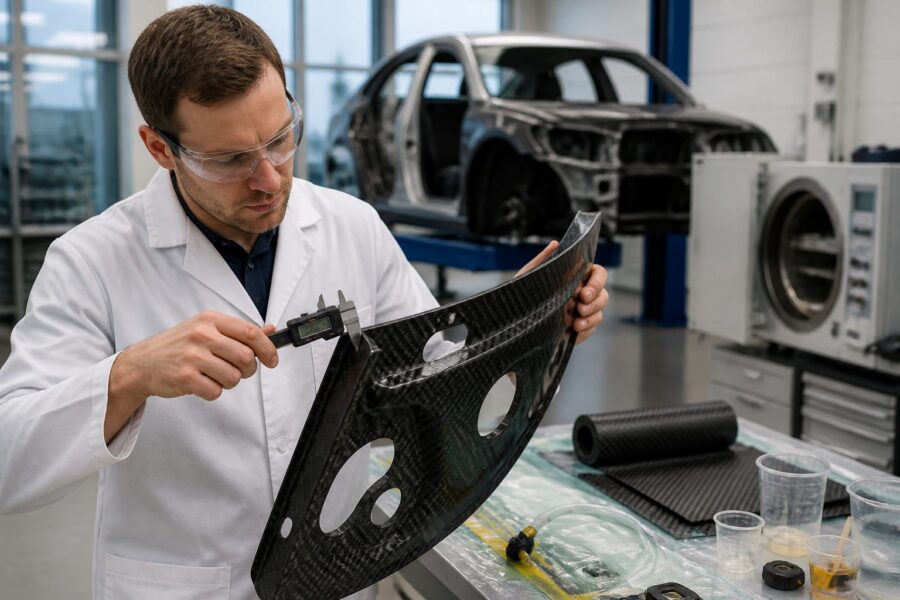
One of the most visible applications of FRPs in automotive is in body panels. Traditional steel body panels contribute significantly to the overall weight of the vehicle. Replacing steel with FRPs can result in substantial weight savings, leading to improved fuel efficiency and performance.
FRP body panels can be designed with complex shapes and aerodynamic features, enhancing the vehicle’s aesthetics and performance. The use of composite car parts allows for greater design freedom compared to traditional metal forming processes.
| Material | Density (g/cm³) | Tensile Strength (MPa) | Application Example |
|---|---|---|---|
| Steel | 7.85 | 400-550 | Traditional Body Panels |
| Aluminum | 2.70 | 275-350 | Hoods, Doors |
| GFRP | 1.80-2.00 | 200-400 | Body Panels, Spoilers |
| CFRP | 1.50-1.60 | 500-700 | High-Performance Body Panels |
Several automakers have already adopted FRPs for body panels in their vehicles. For example, the BMW i3 features CFRP body panels, contributing to its lightweight design and extended driving range. Other manufacturers are exploring the use of GFRPs for less critical body panels to reduce costs.
The use of FRPs in body panels also offers improved corrosion resistance compared to steel. This can lead to longer vehicle lifespans and reduced maintenance costs. FRPs are also less prone to denting and scratching, maintaining the vehicle’s appearance over time.
The manufacturing of FRP body panels can be more complex than stamping steel panels, requiring specialized equipment and expertise. However, advancements in manufacturing techniques are making FRP production more efficient and cost-effective. As production volumes increase, the cost of FRP body panels is expected to decrease, making them more competitive with traditional materials.
The design of FRP body panels also allows for the integration of features such as aerodynamic elements and structural reinforcements. This can further enhance the vehicle’s performance and safety. The ability to tailor the properties of FRPs to specific requirements makes them a versatile material for body panel applications.
Using FRPs in Structural Components
Beyond body panels, FRPs are finding increasing use in structural components of vehicles. These components play a critical role in ensuring the safety and integrity of the vehicle. Replacing steel or aluminum with FRPs in structural applications can result in significant weight savings without compromising safety.
CFRPs are particularly well-suited for structural components due to their high strength and stiffness. They can be used in parts such as chassis components, suspension arms, and roof structures. The design of FRP structural components requires careful consideration of load paths and stress distribution.
Advanced simulation techniques, such as finite element analysis, are used to optimize the design and ensure structural integrity. One example of FRPs in structural applications is the use of CFRP in the chassis of high-performance sports cars.
These CFRP chassis provide exceptional stiffness and torsional rigidity, enhancing handling and performance. The weight savings achieved through the use of FRPs also contribute to improved acceleration and braking. Automakers are also exploring the use of FRPs in suspension components to reduce unsprung weight, further improving handling and ride quality.
The use of FRPs in structural components requires careful attention to joining techniques. Traditional welding methods are not suitable for FRPs, so alternative methods such as adhesive bonding and mechanical fastening are used. The selection of the appropriate joining method is crucial for ensuring the long-term durability and reliability of the structure.
The design of FRP structural components also needs to consider the potential for impact damage. While FRPs are strong, they can be susceptible to damage from sharp impacts. Design strategies such as incorporating energy-absorbing layers and reinforcing critical areas can help to mitigate the risk of impact damage.
The increasing use of FRPs in structural components is driving innovation in manufacturing techniques. Automated fiber placement and resin transfer molding are becoming more common, allowing for the efficient production of complex FRP structures. These advancements are making FRPs a more viable option for high-volume automotive production.
Applications in Electric Vehicles
The adoption of electric vehicles (EVs) is accelerating, driven by concerns about climate change and air quality. EVs offer zero tailpipe emissions, but their range and performance are heavily influenced by their weight. Battery packs, which are essential for storing energy in EVs, are heavy.
This added weight can significantly reduce the driving range and increase energy consumption. The use of lightweight materials like FRPs becomes even more critical in EVs to offset the weight of the battery pack. FRPs can be used in various components of EVs, including body panels, structural components, and battery enclosures.
- Extending driving range
- Improving energy efficiency
- Enhancing acceleration
- Reducing charging time
- Increasing payload capacity
By reducing the overall weight of the EV, FRPs help to extend the driving range and improve energy efficiency. Lighter EVs also require smaller battery packs, reducing the cost and weight of the vehicle. The use of FRPs in battery enclosures can also improve safety by providing impact protection and thermal insulation.
The battery enclosure is a particularly important application for FRPs in EVs. The enclosure needs to protect the battery pack from damage in the event of a collision and provide thermal insulation to maintain optimal battery temperature. FRPs offer a lightweight and strong solution for battery enclosures, contributing to the overall safety and performance of the EV.
The use of FRPs in EVs also allows for greater design flexibility. The ability to mold FRPs into complex shapes allows designers to optimize the aerodynamics of the vehicle, further improving energy efficiency. This design freedom is particularly important for EVs, where every improvement in efficiency can significantly impact the driving range.
The increasing demand for EVs is driving innovation in FRP manufacturing techniques. Automakers are investing in new technologies to reduce the cost and increase the production rate of FRP components for EVs. This will make FRPs a more viable option for mass-market EVs, further accelerating their adoption.
The Future of FRPs in Automotive
The future of FRPs in automotive looks promising, with ongoing research and development efforts focused on improving their performance, reducing their cost, and enhancing their sustainability. New fiber materials, such as graphene and cellulose nanofibers, are being explored for their potential to further enhance the strength and stiffness of FRPs. Advanced manufacturing techniques, such as automated fiber placement and resin transfer molding, are being developed to reduce the cost and increase the production rate of FRP components.
Recycling of FRPs is also a key area of focus, with efforts underway to develop sustainable methods for recovering and reusing fiber and matrix materials. The development of bio-based resins and natural fiber reinforcements is also contributing to the sustainability of FRPs. As technology advances, we can expect to see wider adoption of fiber reinforced polymers in automotive across a broader range of vehicle types and applications.
This increased use of composite car parts will not only improve the performance and efficiency of vehicles, but also contribute to a more sustainable automotive industry. The rise of electric vehicles will further accelerate the adoption of FRPs, as automakers seek to maximize the range and efficiency of their EVs.
The collaboration between material scientists, engineers, and designers will be crucial in unlocking the full potential of FRPs in automotive. By working together, they can develop innovative solutions that address the challenges and capitalize on the opportunities presented by these advanced materials. Fiber reinforced polymers are poised to play a key role in shaping the future of automotive.
One of the key challenges for the future of FRPs is developing cost-effective recycling methods. Current recycling processes are often energy-intensive and can degrade the properties of the recovered materials. Research is focused on developing new recycling technologies that can efficiently recover high-quality fibers and resins from end-of-life FRP components.
The development of bio-based resins and natural fiber reinforcements is also a promising area of research. These materials offer a more sustainable alternative to traditional petroleum-based resins and synthetic fibers. However, further research is needed to improve the performance and durability of bio-based FRPs to meet the demanding requirements of automotive applications.
The integration of sensors and other electronic components into FRP structures is also an emerging trend. This can enable the development of smart components that can monitor their own condition and provide real-time feedback on their performance. This technology has the potential to improve the safety and reliability of FRP components in automotive applications.
Conclusion
Fiber reinforced polymers offer a compelling solution to the automotive industry’s need for lightweight materials. Their unique combination of strength, lightness, and corrosion resistance makes them ideal for a wide range of applications, from body panels to structural components.
The use of FRPs can significantly reduce vehicle weight, leading to improved fuel efficiency, performance, and sustainability. As the automotive industry continues to evolve, fiber reinforced polymers in automotive will play an increasingly important role in shaping the future of transportation.
With ongoing research and development efforts focused on improving their performance, reducing their cost, and enhancing their sustainability, FRPs are poised to become a mainstream material in automotive manufacturing. The adoption of fiber reinforced polymers is not just a trend but a fundamental shift towards a more efficient and sustainable automotive industry.
The move to composite car parts, coupled with the rise of electric vehicles, will drive further innovation and adoption of FRPs in the years to come. The future of driving will be lighter, faster, and greener, thanks in part to the remarkable properties of fiber reinforced polymers.
The challenges of recycling and cost remain, but ongoing advancements are steadily addressing these issues. The automotive industry’s commitment to sustainability and performance will continue to drive the adoption of FRPs. We can expect to see even more innovative applications of these materials in the vehicles of tomorrow.
Ultimately, the success of FRPs in automotive depends on the ability to integrate these materials seamlessly into the design and manufacturing process. This requires close collaboration between material suppliers, engineers, and designers. By working together, they can unlock the full potential of FRPs and create vehicles that are lighter, safer, and more efficient.
The future of the automotive industry is undoubtedly intertwined with the continued development and adoption of fiber reinforced polymers. As technology advances and costs decrease, FRPs will become an increasingly indispensable part of the automotive landscape. The journey towards a lighter, more sustainable automotive future is well underway, and FRPs are playing a crucial role in driving that change.