
Geotextiles are revolutionizing civil engineering. These permeable fabrics, typically made from polymer fibers, are used to stabilize soil and control erosion. They’re a game-changer in construction and environmental protection.
The use of geotextiles is expanding rapidly. Their versatility and cost-effectiveness are making them the preferred choice for many projects. From road construction to coastal protection, polymer fibers in geotextiles are providing innovative solutions.
This article will explore the world of geotextiles. We will discover their composition, applications, and the many benefits they offer for soil stabilization, erosion control, and civil engineering projects around the globe.
What are Geotextiles?
Geotextiles are permeable fabrics used in civil engineering. They’re designed to filter, separate, reinforce, protect, and drain.
These fabrics are typically made from synthetic polymer fibers. The specific type of polymer used depends on the application and the desired properties of the geotextile.
Geotextiles come in two main forms: woven and non-woven. Woven geotextiles are created by interlacing fibers in a regular pattern, providing high strength and stability. Non-woven geotextiles are made by bonding fibers together randomly, offering excellent filtration and drainage properties.
The properties of geotextiles can be tailored to meet specific project needs. This includes factors like tensile strength, permeability, and resistance to degradation.
Essentially, geotextiles act as a barrier or interface within the soil. They perform various functions depending on their structure and application. This makes them incredibly useful in a variety of construction and environmental projects.
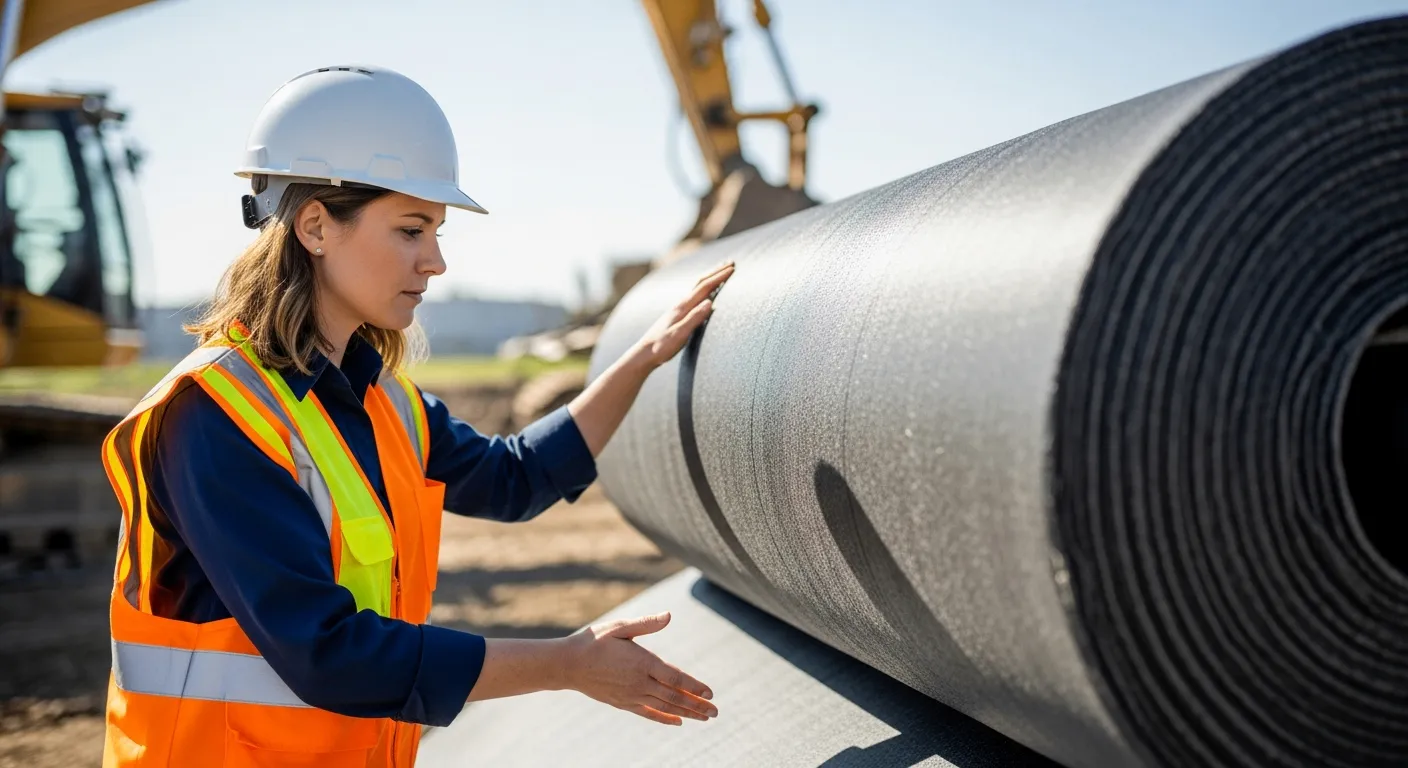
The permeability of geotextiles is a critical characteristic. It allows water to flow through while retaining soil particles, preventing erosion and maintaining soil stability.
Geotextiles are also resistant to biological degradation and chemical attack. This ensures their longevity and effectiveness in harsh environments.
The versatility of geotextiles extends to their ease of installation. They can be easily cut, shaped, and joined to fit specific project requirements.
Ultimately, geotextiles are a sustainable solution for many engineering challenges. They reduce the need for traditional materials and minimize environmental impact.
Polymer Fibers Used in Geotextiles
The choice of polymer fiber is crucial for geotextile performance. Different polymers offer unique characteristics that make them suitable for various applications.
Polypropylene is a common choice due to its high strength and resistance to chemicals. Polyester is another popular option, known for its excellent creep resistance and dimensional stability.
Polyethylene is sometimes used in geotextiles. It is valued for its low cost and good resistance to moisture.
The selection of polymer fibers in geotextiles also considers environmental factors. Resistance to UV degradation and biological attack are important considerations for long-term performance.
Polypropylene’s widespread use is also attributed to its relatively low cost. It provides a good balance of performance and affordability for many applications.
Polyester’s superior creep resistance makes it ideal for applications involving sustained loads. This is particularly important in retaining walls and other structural applications.
While polyethylene offers moisture resistance, it’s generally less strong than polypropylene and polyester. It’s often used in applications where strength is not a primary concern.
The manufacturing process of these polymer fibers also influences the geotextile’s properties. Factors like fiber diameter, density, and orientation all play a role.
Ultimately, the optimal polymer fiber selection depends on a thorough understanding of the project’s specific requirements. Engineers carefully consider these factors to ensure the geotextile performs as intended.
Furthermore, research is ongoing into new and improved polymer fibers for geotextile applications. This includes exploring bio-based polymers and fibers with enhanced durability.
Applications in Road Construction
Geotextiles play a vital role in road construction. They enhance the stability and longevity of roadways.
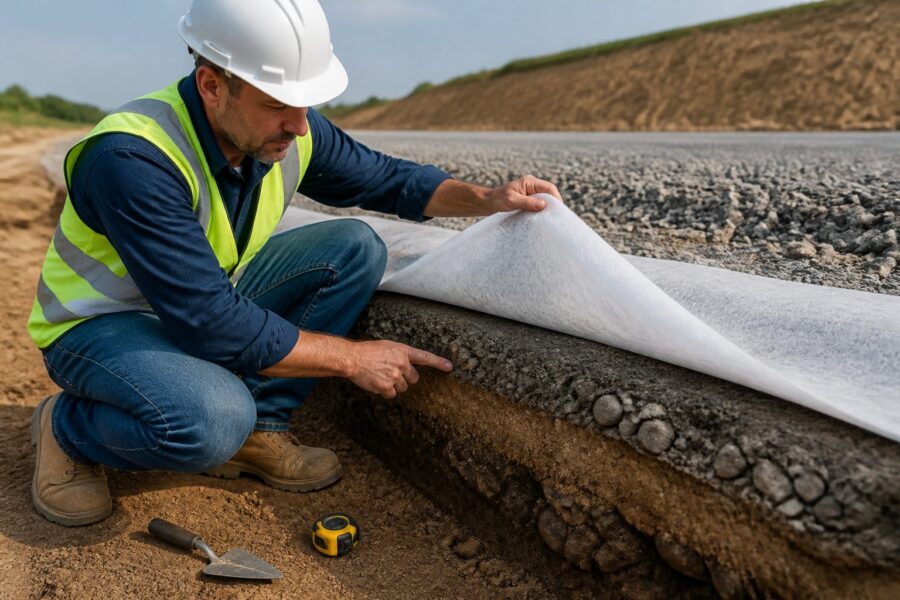
By separating the base course from the subgrade, geotextiles prevent intermixing of materials. This maintains the integrity of the road structure and reduces the risk of rutting and cracking.
| Geotextile Function | Application | Benefit |
|---|---|---|
| Separation | Between base course and subgrade | Prevents material intermixing |
| Reinforcement | In asphalt overlays | Increases load-bearing capacity |
| Drainage | Along road edges | Removes water from the road structure |
| Filtration | Around drainage pipes | Prevents clogging |
Geotextiles also reinforce the soil beneath the road. This increases the load-bearing capacity of the road and reduces the potential for settlement.
The separation function is particularly important in areas with weak subgrades. Without a geotextile, the base course material can sink into the subgrade, compromising the road’s stability.
Reinforcement with geotextiles can significantly extend the life of asphalt overlays. It helps to distribute loads more evenly, reducing stress on the asphalt and preventing cracking.
Geotextiles used for drainage help to remove water from the road structure. This prevents water damage, such as freeze-thaw cycles that can cause cracking and potholes.
The filtration function ensures that drainage systems remain effective over time. It prevents soil particles from clogging the pipes and reducing their drainage capacity.
In addition to these functions, geotextiles can also be used to stabilize embankments and slopes along roadways. This helps to prevent landslides and erosion that can damage the road structure.
The use of geotextiles in road construction is a cost-effective way to improve the durability and longevity of roadways. It reduces the need for frequent repairs and maintenance, saving money in the long run.
Erosion Control with Geotextiles
Erosion is a major environmental problem. Geotextiles offer an effective solution for controlling soil erosion in various settings.
Geotextiles can be used to stabilize slopes and embankments. They prevent soil particles from being carried away by wind or water.
In coastal areas, geotextiles protect shorelines from wave action. They act as a barrier, dissipating wave energy and preventing beach erosion.
Geotextile tubes filled with sand are often used to create artificial dunes. These dunes provide a natural defense against coastal erosion.
On slopes, geotextiles can be used in conjunction with vegetation. The geotextile provides initial stabilization, allowing plants to establish and further protect the soil.
Geotextiles are also used in riverbank stabilization projects. They help to prevent erosion caused by flowing water, protecting valuable land and infrastructure.
In construction sites, geotextiles can be used to control sediment runoff. This prevents pollutants from entering waterways and protects water quality.
The use of geotextiles in erosion control is a sustainable solution. It reduces the need for hard engineering structures and promotes natural processes.
Different types of geotextiles are used for different erosion control applications. Woven geotextiles are typically used for high-strength applications, while non-woven geotextiles are used for filtration and drainage.
Proper installation is crucial for the effectiveness of geotextiles in erosion control. The fabric must be properly anchored and overlapped to ensure continuous coverage.
Using Geotextiles in Drainage Systems
Effective drainage is essential for many civil engineering projects. Geotextiles play a crucial role in ensuring proper drainage.
Geotextiles are used as filters in drainage systems. They allow water to pass through while preventing soil particles from clogging the drains.
- Wrap perforated drainage pipes
- Line drainage trenches
- Stabilize soil around culverts
- Create permeable retaining walls
- Filter runoff in stormwater systems
This filtration function is vital for maintaining the long-term effectiveness of drainage systems. Without geotextiles, drains can quickly become clogged with sediment.
Wrapping perforated drainage pipes with geotextiles prevents soil from entering the pipes. This ensures that the pipes can effectively collect and transport water.
Lining drainage trenches with geotextiles creates a filter layer that prevents soil from migrating into the trench. This helps to maintain the trench’s drainage capacity.
Stabilizing soil around culverts with geotextiles prevents erosion and sedimentation. This protects the culvert from damage and ensures its long-term performance.
Creating permeable retaining walls with geotextiles allows water to drain freely from behind the wall. This reduces hydrostatic pressure and prevents the wall from collapsing.
Filtering runoff in stormwater systems with geotextiles removes pollutants and sediments from the water. This helps to protect water quality and prevent flooding.
The selection of the appropriate geotextile for a drainage system depends on the soil type and the drainage requirements. Different geotextiles have different filtration and permeability characteristics.
Benefits of Geotextiles
Geotextiles offer a wide range of benefits for civil engineering projects. These benefits make them an attractive option for engineers and contractors.
Geotextiles are cost-effective compared to traditional methods. They reduce the amount of material needed and simplify construction processes.
The use of geotextiles can extend the lifespan of infrastructure. By providing soil stabilization and erosion control, they minimize the need for repairs and maintenance.
Geotextiles are environmentally friendly. They reduce soil erosion and minimize the impact of construction on the surrounding environment.
Reduced construction time is another significant benefit. The ease of installation allows projects to be completed more quickly.
Geotextiles can improve the performance of infrastructure in challenging soil conditions. They provide stability and support in areas with weak or unstable soils.
The versatility of geotextiles allows them to be used in a wide range of applications. This makes them a valuable tool for civil engineers and contractors.
Geotextiles can reduce the need for excavation and backfill. This can save time and money on construction projects.
They contribute to sustainable construction practices by reducing waste and minimizing environmental impact. This aligns with growing concerns about environmental responsibility.
The long-term performance of geotextiles makes them a worthwhile investment. They provide lasting benefits that outweigh their initial cost.
Specific Examples of Geotextile Applications
Let’s look at some specific examples of how geotextiles are used. These examples illustrate the versatility and effectiveness of these materials.
In landfill construction, geotextiles are used to line the landfill cells. They prevent leachate from contaminating the surrounding soil and groundwater.
Geotextiles are also used in the construction of retaining walls. They reinforce the soil behind the wall, allowing for steeper slopes and reduced excavation.
In agriculture, geotextiles are used to improve soil drainage and prevent erosion. They can also be used to create weed barriers in gardens and fields.
Geotextiles are employed in the construction of dams and reservoirs. They provide filtration and drainage to prevent erosion and maintain stability.
In railway construction, geotextiles are used to stabilize the track bed. This prevents settlement and ensures the safety and reliability of the railway.
Geotextiles are also used in the construction of airport runways. They provide reinforcement and drainage to support heavy aircraft loads.
In coastal protection projects, geotextiles are used to construct breakwaters and groins. These structures protect shorelines from erosion and storm surge.
Geotextiles are used in the construction of canals and waterways. They provide lining and filtration to prevent erosion and maintain water quality.
They can be used to create temporary roads and access routes on construction sites. This provides a stable surface for vehicles and equipment.
Geotextiles are also used in landscaping and gardening projects. They can be used to create raised beds, control weeds, and improve soil drainage.
Installation Techniques for Geotextiles
Proper installation is crucial for geotextile performance. The installation technique depends on the specific application and the type of geotextile being used.
For slope stabilization, geotextiles are typically unrolled and anchored to the slope. The edges of the fabric are overlapped to ensure continuous coverage.
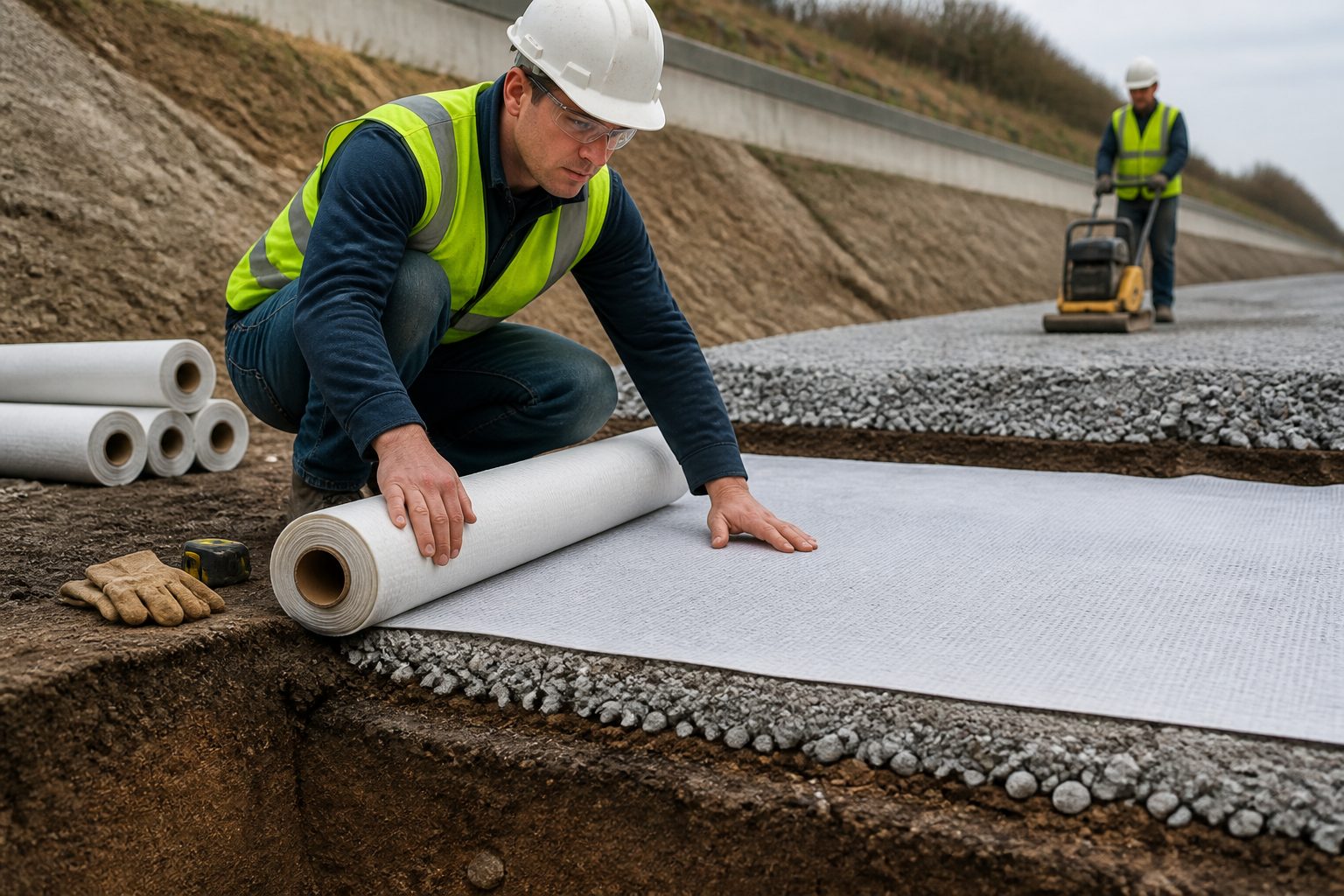
In road construction, geotextiles are placed on the prepared subgrade before the base course is applied. The fabric is then covered with the base material and compacted.
Geotextile tubes are filled with sand or other materials using pumps or conveyors. The filled tubes are then placed in the desired location to create a barrier or embankment.
Surface preparation is essential before installing geotextiles. The surface should be smooth, level, and free of debris.
Anchoring is critical to prevent the geotextile from moving or shifting. Anchors can be staples, pins, or other mechanical fasteners.
Overlapping the edges of the fabric ensures continuous coverage and prevents soil from migrating through the seams.
Compaction is necessary to ensure good contact between the geotextile and the soil. This helps to improve the stability and performance of the geotextile.
Proper tensioning of the geotextile is important to prevent wrinkles and folds. This ensures that the fabric is properly aligned and provides uniform support.
Inspection of the installed geotextile is necessary to ensure that it is properly installed and free of damage. Any damage should be repaired immediately.
Future Trends in Geotextile Technology
The field of geotextile technology is constantly evolving. New materials and applications are being developed all the time.
One trend is the development of biodegradable geotextiles. These fabrics are made from natural fibers that decompose over time, reducing their environmental impact.
Another trend is the use of smart geotextiles. These fabrics are embedded with sensors that monitor soil conditions and provide real-time data.
The future of geotextiles looks promising. As technology advances, these materials will continue to play an increasingly important role in civil engineering and environmental protection.
Research is focused on developing geotextiles with enhanced durability and resistance to harsh environments. This will extend their lifespan and reduce maintenance requirements.
The integration of nanotechnology into geotextiles is another area of development. This could lead to fabrics with improved strength, filtration, and antimicrobial properties.
The use of recycled materials in geotextile production is becoming more common. This helps to reduce waste and promote sustainable construction practices.
The development of self-healing geotextiles is also being explored. These fabrics would be able to repair minor damage automatically, extending their lifespan.
The increasing use of 3D printing in geotextile manufacturing could lead to more customized and efficient designs. This would allow engineers to tailor geotextiles to specific project requirements.
The development of new and innovative applications for geotextiles is ongoing. This will continue to expand their role in civil engineering and environmental protection.
Conclusion
Geotextiles are a versatile and effective solution for a wide range of civil engineering problems. From soil stabilization to erosion control, these fabrics offer numerous benefits.
The use of polymer fibers in geotextiles has revolutionized construction practices. As technology advances, we can expect to see even more innovative applications of these materials in the future.
Their cost-effectiveness and environmental friendliness make them a sustainable choice for many projects. Geotextiles contribute to building a more resilient and environmentally responsible infrastructure.
Continued research and development will undoubtedly lead to even more advanced geotextile technologies. This will further enhance their performance and expand their applications.
Geotextiles represent a significant advancement in civil engineering materials. They offer a practical and effective solution for a variety of challenges.