
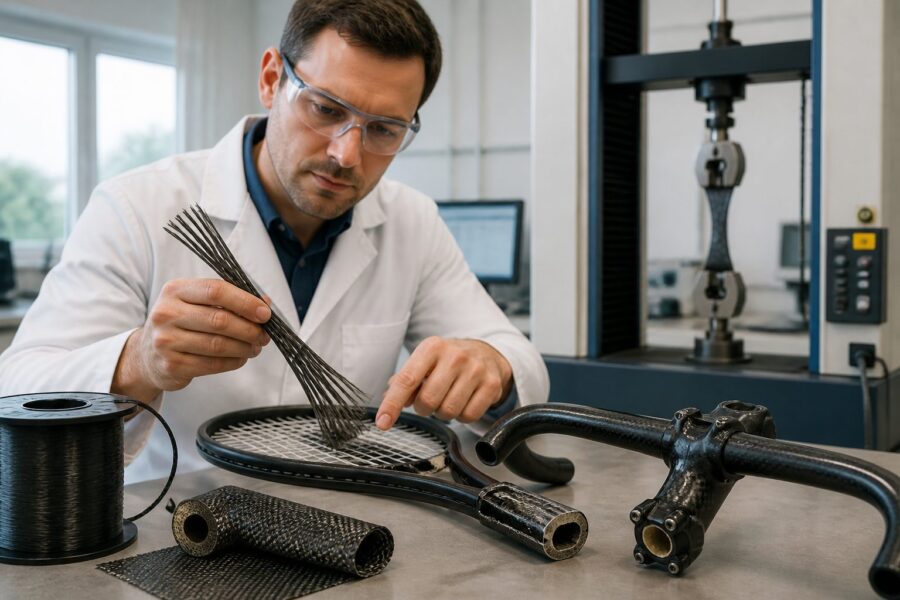
Sports equipment has dramatically evolved, thanks to advancements in materials science. Modern athletes demand peak performance, pushing manufacturers to innovate with lighter, stronger, and more durable gear. The integration of high strength fibers in sports equipment has revolutionized various disciplines, offering athletes a competitive edge.
From carbon fiber bikes to advanced tennis rackets, these materials enhance performance and safety. This article explores how high strength fibers are transforming sports, with a focus on specific applications and future trends.
Let’s examine the impact of these materials on different sports, showcasing how they contribute to improved athletic achievements. The use of composite materials and sports technology is pushing the boundaries of what’s possible.
High-Strength Fibers: A Game Changer
High-strength fibers are materials engineered for exceptional tensile strength and stiffness relative to their weight. These fibers are crucial in creating sports equipment that can withstand intense stress and strain during use. Athletes benefit from equipment that is both lightweight and robust, enhancing their agility and performance.
The properties of high-strength fibers allow for innovative designs that were previously unachievable. Consider the possibilities when weight is reduced without sacrificing structural integrity.
Key characteristics of these fibers include high tensile strength, which measures the material’s ability to resist breaking under tension. Another vital property is stiffness, indicating the material’s resistance to deformation under load.
The low density of these materials contributes to the lightweight nature of the equipment. This combination of properties allows athletes to exert less energy while achieving higher speeds and greater control.
These fibers are not just about raw strength; they also offer unique design flexibility. Manufacturers can tailor the properties of the material to specific needs.
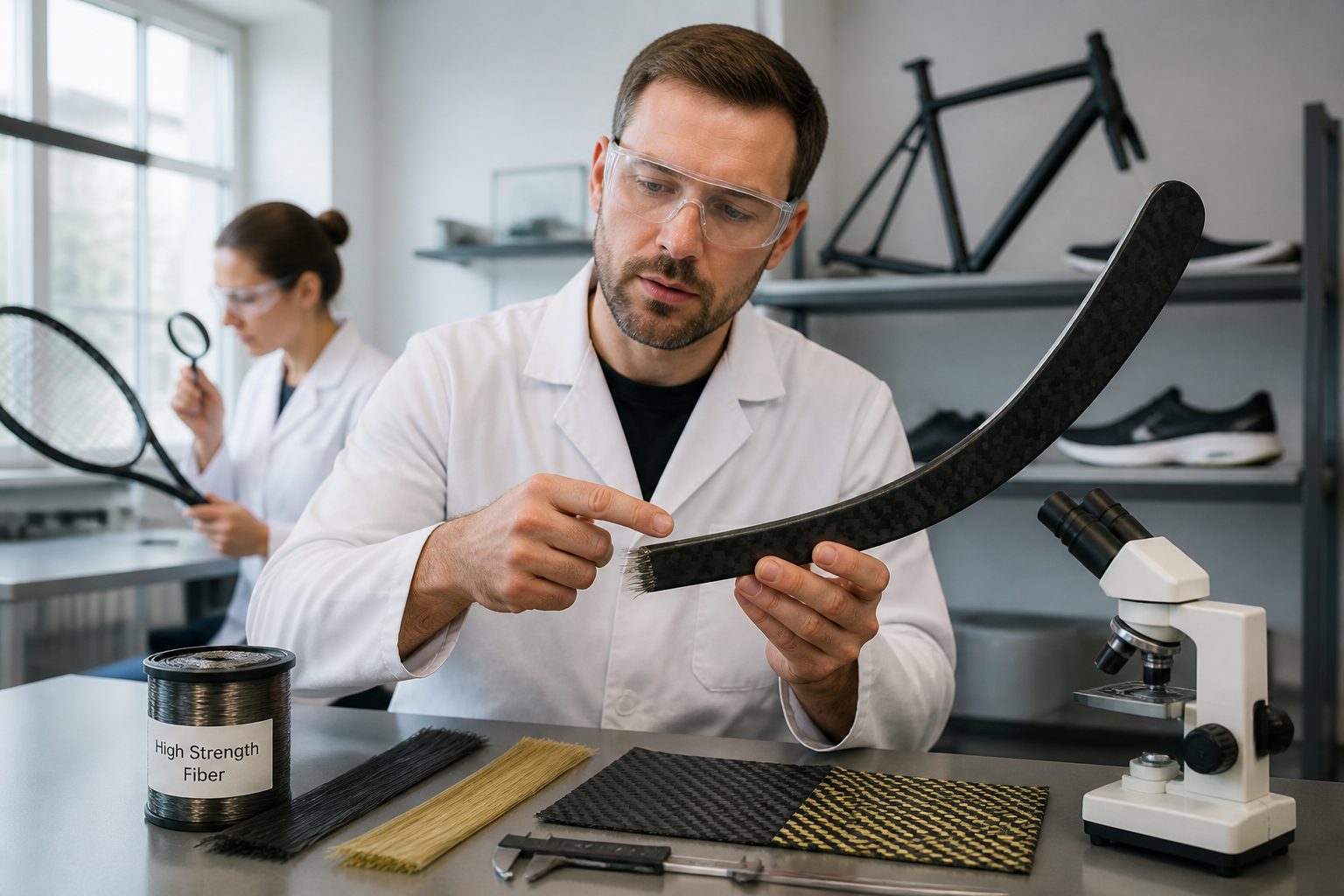

This customization allows for the creation of equipment optimized for different sports and playing styles. The ability to fine-tune these properties is a significant advantage.
Furthermore, high-strength fibers often exhibit excellent resistance to fatigue and environmental degradation. This ensures that the equipment maintains its performance characteristics over time.
The longevity of the equipment is crucial for athletes who rely on consistent performance. This durability also contributes to the overall value of the investment in high-quality sports gear.
The impact of these fibers extends beyond professional athletes, benefiting recreational sports enthusiasts as well. Enhanced equipment can improve the enjoyment and safety of various activities.
From weekend warriors to casual players, the advantages of high-strength fiber technology are accessible to all. This widespread adoption reflects the significant impact these materials have had on the sporting world.
In addition to performance enhancements, high-strength fibers also contribute to improved safety standards. Lighter and stronger protective gear can significantly reduce the risk of injuries.
This focus on safety is particularly important in contact sports and high-impact activities. The use of these materials demonstrates a commitment to athlete well-being.
Carbon Fiber in Bicycles
Carbon fiber has revolutionized the bicycle industry, offering significant advantages over traditional materials like steel and aluminum. Carbon fiber bikes are lighter, stiffer, and more aerodynamic, providing cyclists with improved speed and efficiency.
The unique properties of carbon fiber allow for customized frame designs that optimize power transfer and reduce vibration. These bikes are the choice for professional cyclists aiming for peak performance in races like the Tour de France.
One of the primary benefits of carbon fiber is its high strength-to-weight ratio. A carbon fiber frame can be significantly lighter than a steel or aluminum frame while maintaining or even exceeding its strength.
This reduction in weight allows cyclists to accelerate faster, climb hills more easily, and maintain higher speeds over longer distances. The stiffness of carbon fiber also ensures that more of the cyclist’s energy is transferred directly into forward motion, minimizing wasted effort.
The aerodynamic properties of carbon fiber frames are also a significant advantage, especially in competitive cycling. The ability to mold carbon fiber into complex shapes allows for the creation of frames that minimize wind resistance.
This aerodynamic efficiency can translate into significant time savings over the course of a race. Every second counts in professional cycling, making aerodynamic design a crucial factor.
Furthermore, carbon fiber frames offer superior vibration damping compared to aluminum frames. This results in a smoother and more comfortable ride, reducing fatigue and improving overall performance.
The ability to absorb vibrations is particularly important on rough roads and uneven surfaces. A more comfortable ride allows cyclists to maintain their focus and energy levels.
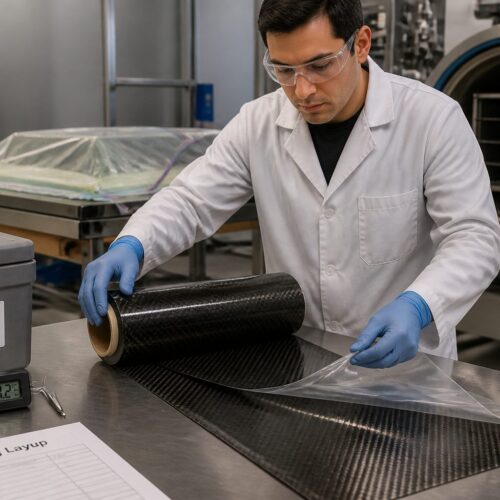
The manufacturing process for carbon fiber bikes is complex and requires skilled technicians. The carbon fiber sheets are carefully laid up in molds and then cured under heat and pressure.
This process allows for precise control over the frame’s properties, ensuring optimal performance. The craftsmanship involved in creating a carbon fiber bike is a testament to the technology’s sophistication.
While carbon fiber bikes are more expensive than traditional bikes, the performance benefits often justify the investment. Cyclists who are serious about their performance often choose carbon fiber for its clear advantages.
The improved speed, efficiency, and comfort offered by carbon fiber bikes make them a worthwhile upgrade for many cyclists. The technology continues to evolve, making carbon fiber even more appealing.
Material Comparison for Bike Frames
Different materials offer unique characteristics that influence bike performance. Understanding these differences helps cyclists choose the best frame for their needs.
Let’s compare the properties of steel, aluminum, and carbon fiber in bike frame construction.
| Material | Weight | Stiffness | Durability |
|---|---|---|---|
| Steel | High | Moderate | High |
| Aluminum | Moderate | High | Moderate |
| Carbon Fiber | Low | Very High | High (impact-sensitive) |
| Titanium | Moderate | High | Very High |
Steel frames are known for their durability and comfortable ride quality. They are often the most affordable option, but they can be heavier than other materials.
The added weight can be a disadvantage for cyclists who prioritize speed and climbing performance. However, steel frames are very resilient and can withstand significant abuse.
Aluminum frames offer a good balance of weight, stiffness, and cost. They are lighter than steel and provide a more responsive ride.
However, aluminum frames can be less comfortable than steel frames, as they transmit more vibrations. They are also more prone to fatigue and cracking over time.
Carbon fiber frames are the lightest and stiffest option, providing the best performance for competitive cyclists. They offer excellent power transfer and vibration damping.
However, carbon fiber frames are more expensive and can be more susceptible to damage from impacts. It’s essential to handle carbon fiber bikes with care to avoid cracks or delamination.
Titanium frames are known for their exceptional durability, ride quality, and corrosion resistance. They offer a comfortable ride and can last for many years.
However, titanium frames are relatively expensive and can be heavier than carbon fiber frames. They represent a premium option for cyclists who value longevity and comfort.
Ultimately, the best material for a bike frame depends on the cyclist’s individual needs and priorities. Consider the trade-offs between weight, stiffness, durability, and cost when making a decision.
Each material has its strengths and weaknesses, so it’s important to choose the one that best suits your riding style and budget. Research and test rides can help you make an informed choice.
Using Fibers in Golf Clubs
Golf clubs have also benefited significantly from the use of high-strength fibers, particularly in driver shafts and club heads. Carbon fiber and composite materials enhance the performance of golf clubs by increasing swing speed and improving accuracy.
These materials allow for the creation of lighter and more responsive clubs, enabling golfers to generate greater clubhead speed with less effort. The result is increased distance and improved control over the ball’s trajectory.
In driver shafts, carbon fiber provides a balance of stiffness and flexibility, optimizing the transfer of energy from the golfer’s swing to the ball. A well-designed carbon fiber shaft can help reduce twisting during the swing, leading to straighter and more consistent shots.
Club heads made with composite materials, such as carbon fiber reinforced polymers, allow for precise weight distribution. This enables manufacturers to create clubs with larger sweet spots, making them more forgiving on off-center hits.
The use of carbon fiber in golf club shafts allows for a customized feel and performance. Manufacturers can adjust the stiffness and flex profile of the shaft to suit different swing types.
This customization helps golfers optimize their launch angle, spin rate, and ball speed for maximum distance. A properly fitted shaft can make a significant difference in a golfer’s performance.
Composite materials in club heads allow for more complex designs and weight distribution. This enables manufacturers to create clubs with enhanced stability and forgiveness.
The ability to precisely control the weight distribution in the club head is crucial for optimizing performance. A well-designed club head can help golfers hit straighter and longer shots.
The lighter weight of carbon fiber clubs also reduces fatigue, allowing golfers to maintain their swing speed and accuracy throughout a round. This is particularly beneficial for older golfers or those with slower swing speeds.
The reduced fatigue can lead to improved consistency and better overall scores. The benefits of carbon fiber clubs are not limited to professional golfers; they can help golfers of all skill levels.
The integration of high-strength fibers in golf clubs represents a significant advancement in golf technology. These materials have transformed the performance and feel of golf clubs.
Golfers who are looking to improve their game should consider upgrading to clubs with carbon fiber shafts and composite club heads. The technology continues to evolve, offering even greater performance benefits.
Applications in Tennis Rackets
Tennis rackets made with high-strength fibers offer players enhanced power, control, and feel. Carbon fiber and other composite materials are used to construct rackets that are both lightweight and incredibly strong.
These materials allow for greater racket head speed, resulting in more powerful serves and groundstrokes. The stiffness of the frame also provides improved control over the ball, allowing players to place their shots with greater precision.
The use of carbon fiber in tennis rackets helps to dampen vibrations, reducing the impact on the player’s arm and wrist. This can help prevent injuries such as tennis elbow, allowing players to train and compete more comfortably.
Manufacturers can fine-tune the properties of tennis rackets by varying the composition and orientation of the carbon fiber layers. This allows them to create rackets that cater to different playing styles and skill levels, from beginners to professional athletes.
The lightweight nature of carbon fiber rackets allows players to swing faster and generate more power. This is particularly important for aggressive players who rely on powerful serves and groundstrokes.
The increased racket head speed translates into more spin on the ball, making it harder for opponents to return. The power and spin potential of carbon fiber rackets are significant advantages.
The stiffness of the frame provides improved control over the ball, allowing players to place their shots with greater accuracy. This is essential for players who rely on precision and strategy.
The ability to control the ball’s trajectory and placement is crucial for dictating the pace of the game. Carbon fiber rackets offer a level of control that is difficult to achieve with traditional materials.
The vibration damping properties of carbon fiber help to reduce the risk of injuries, such as tennis elbow and wrist pain. This is particularly important for players who train and compete frequently.
The reduced vibration allows players to play for longer periods without experiencing discomfort or fatigue. The comfort and injury prevention benefits of carbon fiber rackets are significant.
Manufacturers use different weaves and layups of carbon fiber to create rackets with varying characteristics. This allows them to tailor the racket’s performance to specific playing styles and preferences.
Some rackets are designed for power, while others are designed for control or comfort. Players can choose a racket that complements their strengths and weaknesses.
Fibers in Protective Gear
High-strength fibers play a critical role in protective gear for various sports, providing athletes with enhanced safety and impact resistance. Materials like aramid fibers (Kevlar) and ultra-high-molecular-weight polyethylene (UHMWPE) are used in helmets, pads, and body armor to protect against injuries.
These fibers are known for their exceptional strength and ability to absorb and dissipate energy upon impact. This helps to reduce the risk of serious injuries, such as concussions, fractures, and lacerations.
In helmets, aramid fibers are often used in combination with other materials, such as polycarbonate or fiberglass, to create a multi-layered structure that provides optimal protection. The aramid fibers help to distribute the impact force across the helmet, reducing the amount of energy that reaches the head.
UHMWPE is commonly used in pads and body armor due to its high cut and abrasion resistance. This material is lightweight and flexible, allowing for greater freedom of movement while still providing excellent protection against impacts and sharp objects.
Aramid fibers, like Kevlar, are exceptionally strong and resistant to tearing and abrasion. This makes them ideal for use in protective gear that needs to withstand high-impact forces.
Kevlar is often used in bulletproof vests and other forms of body armor, demonstrating its ability to protect against extreme threats. Its use in sports protective gear provides a high level of safety.
UHMWPE is also incredibly strong and lightweight, making it an excellent choice for applications where mobility is important. This material is often used in cut-resistant gloves and apparel.
The combination of strength and flexibility makes UHMWPE ideal for protective gear that needs to be comfortable and non-restrictive. This is particularly important in sports where agility is crucial.
The use of high-strength fibers in protective gear has significantly reduced the incidence of serious injuries in many sports. Athletes can now participate with greater confidence, knowing that they are well-protected.
The ongoing development of new and improved high-strength fibers promises to further enhance the safety of sports protective gear. Research is focused on creating materials that are even stronger, lighter, and more comfortable.
The integration of smart technologies into protective gear is also an emerging trend. Sensors can be used to monitor impact forces and provide real-time feedback on the effectiveness of the protection.
This data can be used to improve the design of protective gear and to help athletes understand the risks they face. The future of sports protective gear is likely to be highly advanced and data-driven.
Examples of Protective Gear
Protective gear is essential in many sports to minimize the risk of injury. Let’s look at some examples.
These materials are used in a variety of applications, including helmets, pads, and body armor.
- Football helmets with aramid fiber reinforcement
- Hockey pads with UHMWPE inserts
- Motorcycle jackets with Kevlar lining
- Ski and snowboard helmets with carbon fiber shells
- Cycling gloves with impact-absorbing gel and fiber reinforcement
Football helmets are designed to protect players from concussions and other head injuries. Aramid fiber reinforcement helps to distribute impact forces and reduce the risk of serious injury.
The use of advanced materials in football helmets has significantly reduced the incidence of concussions in recent years. Ongoing research is focused on further improving helmet design and performance.
Hockey pads are designed to protect players from impacts with the ice, boards, and other players. UHMWPE inserts provide excellent cut and abrasion resistance, helping to prevent lacerations and other injuries.
The lightweight and flexible nature of UHMWPE allows players to move freely while still being well-protected. Hockey pads are essential for minimizing the risk of injury in this high-impact sport.
Motorcycle jackets with Kevlar lining provide abrasion resistance and protection in the event of a crash. Kevlar is a strong and durable material that can withstand significant impact forces.
Motorcycle jackets are an essential piece of safety gear for riders, helping to prevent serious injuries in the event of an accident. The Kevlar lining provides an extra layer of protection.
Ski and snowboard helmets with carbon fiber shells offer a combination of lightweight and high-impact resistance. Carbon fiber is a strong and stiff material that can protect against head injuries.
Ski and snowboard helmets are essential for protecting against head injuries on the slopes. The carbon fiber shell provides a high level of protection without adding excessive weight.
Cycling gloves with impact-absorbing gel and fiber reinforcement provide protection for the hands in the event of a crash. The gel padding helps to absorb impact forces, while the fiber reinforcement provides abrasion resistance.
Cycling gloves are an important piece of safety gear for cyclists, helping to prevent hand injuries in the event of a fall. The combination of gel padding and fiber reinforcement provides excellent protection.
The Future of Sports Equipment
The future of sports equipment is likely to be shaped by continued advancements in materials science and manufacturing technologies. Researchers are constantly exploring new high strength fibers and composite materials with even better properties.
We can expect to see even lighter, stronger, and more durable equipment in the years to come, further enhancing athletic performance and safety.
One area of focus is the development of bio-based fibers and sustainable composite materials. These materials offer the potential to reduce the environmental impact of sports equipment while still providing excellent performance.
Another trend is the integration of smart technologies into sports equipment, such as sensors and wearable devices that track performance metrics. This data can be used to optimize training and technique, providing athletes with valuable insights to improve their game.
The development of new manufacturing techniques, such as 3D printing, will also play a significant role in the future of sports equipment. 3D printing allows for the creation of customized equipment tailored to individual athletes.
This level of customization can optimize performance and reduce the risk of injuries. 3D printing also allows for the creation of complex designs that would be impossible to manufacture using traditional methods.
The integration of sensors and wearable devices into sports equipment will provide athletes with valuable data on their performance. This data can be used to track progress, identify areas for improvement, and optimize training routines.
Real-time feedback on performance can help athletes make adjustments during training and competition. The use of data analytics in sports is becoming increasingly sophisticated.
The development of bio-based fibers and sustainable composite materials is essential for reducing the environmental impact of sports equipment. Traditional materials, such as carbon fiber, are often energy-intensive to produce and difficult to recycle.
Bio-based materials offer a more sustainable alternative, reducing the carbon footprint of sports equipment. The use of sustainable materials is becoming increasingly important to consumers.
The future of sports equipment is likely to be characterized by a combination of advanced materials, innovative manufacturing techniques, and smart technologies. These advancements will continue to push the boundaries of athletic performance and safety.
The ongoing development of new and improved sports equipment promises to enhance the enjoyment and accessibility of sports for athletes of all levels. The future of sports is bright and full of potential.
Conclusion
High strength fibers have had a transformative impact on the world of sports equipment. From carbon fiber bikes to advanced protective gear, these materials have enabled athletes to achieve new levels of performance and safety.
As materials science continues to advance, we can expect even more innovations in sports equipment, pushing the boundaries of what is possible. The future of sports is inextricably linked to the ongoing development and application of high strength fibers and composite materials.
The benefits of high-strength fibers extend beyond professional athletes, enhancing the performance and safety of recreational sports enthusiasts as well. The widespread adoption of these materials reflects their significant impact on the sporting world.
The ongoing research and development in this field promise to deliver even more advanced and sustainable sports equipment in the years to come. The future of sports is exciting and full of potential.