
Advantages of Fiber-Reinforced Composites
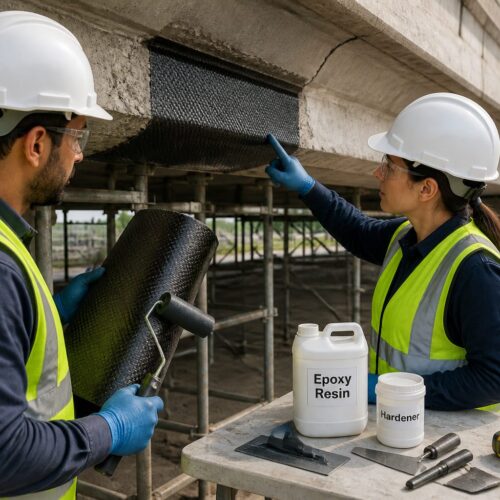
Fiber-reinforced composites offer several advantages over traditional materials in military and protective applications. These advantages include high strength-to-weight ratio, corrosion resistance, and design flexibility.
These advantages make them a superior choice for a wide range of applications. They offer enhanced performance, durability, and cost-effectiveness.
The high strength-to-weight ratio allows for the creation of lighter and more efficient structures. This is essential in applications where weight is a critical factor, such as aircraft and body armor.
The lighter weight leads to improved performance and reduced fuel consumption. This is crucial for both military and civilian applications.
- Superior strength-to-weight ratio
- Excellent corrosion resistance
- Enhanced design flexibility
- Improved energy absorption
- Reduced maintenance costs
These listed advantages highlight the key benefits of using fiber-reinforced composites. They offer a combination of performance and durability that is unmatched by traditional materials.
Corrosion resistance is another significant advantage, as it reduces the need for maintenance and extends the lifespan of the structure. This is particularly important in harsh environments where traditional materials may degrade quickly.
The reduced maintenance costs and extended lifespan make them a cost-effective choice in the long run. This is a significant factor in military and industrial applications.
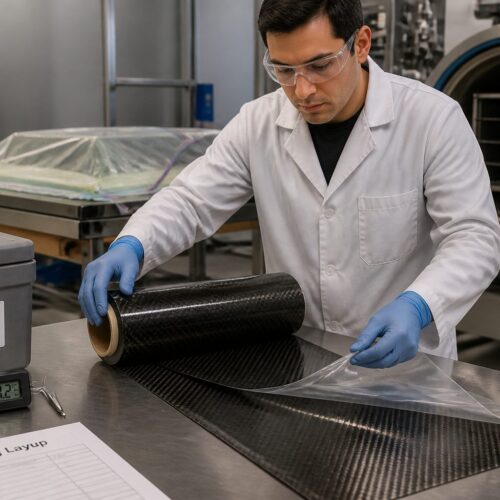
Design flexibility allows for the creation of complex shapes and structures that would be difficult or impossible to achieve with traditional materials. This opens up new possibilities for innovative protective solutions.
The ability to create complex shapes allows for optimized designs that maximize performance and protection. This is crucial for meeting the specific needs of different applications.
Kevlar Alternatives: UHMWPE Fibers
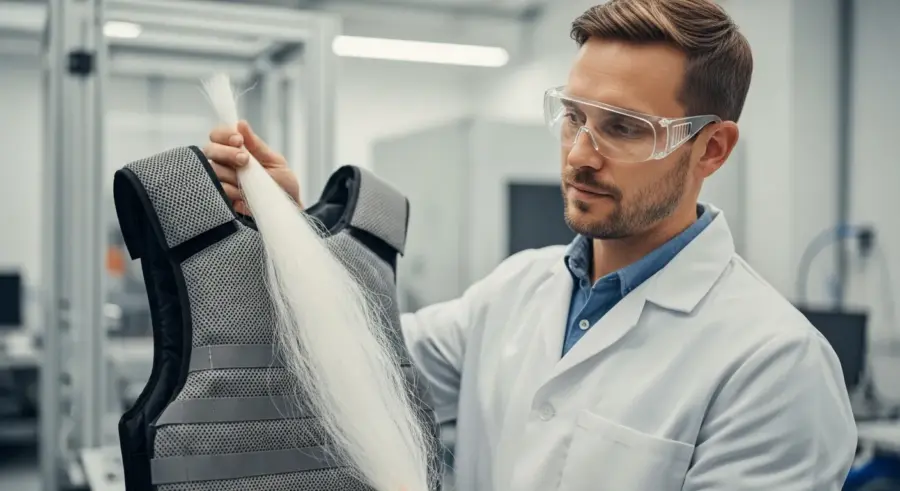
Ultra-high-molecular-weight polyethylene (UHMWPE) fibers, such as Dyneema and Spectra, are gaining prominence as alternatives to aramid fibers in ballistic protection. These materials offer exceptional strength-to-weight ratios and high levels of cut resistance.
Their unique properties make them an attractive option for various protective applications. They are increasingly being used in body armor, helmets, and other protective gear.
UHMWPE fibers are made from extremely long chains of polyethylene molecules. This alignment results in a material with very high tensile strength and low density.
The long chains of molecules are aligned in a parallel orientation, which gives the fibers their exceptional strength. This alignment is achieved through a specialized manufacturing process.
One of the key advantages of UHMWPE fibers is their resistance to water and ultraviolet light. This makes them more durable than aramid fibers in certain environments.
This resistance to environmental degradation is a significant advantage in outdoor and marine applications. It ensures that the fibers maintain their strength and performance over time.
UHMWPE fibers are increasingly used in body armor, helmets, and vehicle armor. They offer a lighter and more comfortable alternative to traditional materials.
The lighter weight allows for greater mobility and comfort, which is essential for military personnel and law enforcement officers. This makes UHMWPE fibers a popular choice for protective gear.
Future of Ballistic Protection
The field of ballistic protection is constantly evolving, with ongoing research and development efforts focused on creating even more advanced materials and designs. Nanotechnology, new polymer chemistries, and innovative composite structures are at the forefront of these advancements.
These advancements promise to revolutionize the field of ballistic protection and provide even greater levels of safety and security. The future of ballistic protection is filled with exciting possibilities.
Nanomaterials, such as carbon nanotubes and graphene, hold tremendous promise for enhancing the performance of ballistic protection. These materials exhibit exceptional strength and stiffness at the nanoscale.
Their unique properties make them ideal for reinforcing existing materials and creating new, high-performance composites. Nanomaterials have the potential to significantly improve the strength and durability of ballistic protection.
Researchers are also exploring new polymer chemistries to create fibers with even higher tensile strengths and energy absorption capacities. Self-healing materials are also being developed, which can repair damage caused by impacts, extending the lifespan of protective gear.
Self-healing materials could significantly extend the lifespan of ballistic protection and reduce maintenance costs. This would be a major advancement in the field.
The future of ballistic protection will likely involve the integration of multiple technologies. This will combine the best properties of different materials to create comprehensive protective solutions.
This integrated approach will lead to the development of more effective and versatile protective gear. It will ensure the safety and security of those who depend on ballistic protection.
Conclusion
High-modulus fibers have revolutionized the field of ballistic protection, offering unparalleled levels of strength and energy absorption. From body armor to vehicle fortifications, these materials play a crucial role in saving lives and protecting personnel in high-threat environments.
Their impact on the safety and security of individuals and assets cannot be overstated. High-modulus fibers have transformed the landscape of ballistic protection.
As technology continues to advance, we can expect even more innovative solutions that leverage the unique properties of high-performance fibers. This will ensure the safety and security of those who depend on ballistic protection.
The ongoing research and development efforts promise to further enhance the performance and capabilities of these materials. This will lead to even greater levels of protection and survivability in the future.
Aramid Fibers: Kevlar and Alternatives
Aramid fibers, like Kevlar, have long been a staple in ballistic protection. Kevlar’s high tensile strength and heat resistance make it an excellent choice for body armor and other protective gear.
Its widespread use is a testament to its effectiveness and reliability in various protective applications. Kevlar has saved countless lives and remains a vital material in the field of ballistic protection.
However, Kevlar is not without its limitations. It can degrade over time when exposed to moisture and ultraviolet light, reducing its effectiveness.
This degradation can compromise the integrity of the armor and reduce its ability to withstand ballistic impacts. Proper care and maintenance are essential for extending the lifespan of Kevlar-based armor.
| Fiber Type | Tensile Strength (GPa) | Young’s Modulus (GPa) | Density (g/cm³) |
|---|---|---|---|
| Kevlar 29 | 3.6 | 131 | 1.44 |
| Kevlar 49 | 3.8 | 131 | 1.44 |
| Dyneema SK75 | 3.5 | 117 | 0.97 |
| Spectra 900 | 3.0 | 120 | 0.97 |
| M5 Fiber | 5.8 | 180 | 1.7 |
The table above provides a comparison of different fiber types and their key properties. These properties are crucial in determining the suitability of a fiber for ballistic protection applications.
In recent years, alternatives to Kevlar have emerged, offering improved performance and durability. These include materials like Twaron and Technora, which are also aramid fibers but with enhanced properties.
These alternatives aim to address the limitations of Kevlar and provide even greater protection. The development of new and improved materials is an ongoing process in the field of ballistic protection.
These Kevlar alternatives often provide better resistance to environmental degradation and higher tensile strengths. This makes them suitable for more demanding applications.
Their enhanced properties make them ideal for use in extreme conditions and high-threat environments. These materials are designed to withstand the rigors of military and law enforcement operations.
Applications in Body Armor
Body armor is perhaps the most well-known application of high-modulus fibers in ballistic protection. These fibers are used to create vests and other protective garments that shield the wearer from bullets and other projectiles.
The primary function of body armor is to protect the vital organs from life-threatening injuries. It serves as a critical line of defense for military personnel, law enforcement officers, and civilians in high-risk situations.
Modern body armor typically consists of multiple layers of high-modulus fibers, often combined with other materials like ceramics or metals. The layers work together to absorb and dissipate the energy of the projectile, preventing penetration.
The combination of different materials allows for a synergistic effect, maximizing the overall protection. Each layer plays a specific role in absorbing and distributing the energy of the impact.
The design of body armor is a complex process that involves balancing protection, weight, and comfort. Lighter and more flexible body armor is essential for mobility and comfort, but it must still provide adequate protection against a range of threats.
The design process takes into account the specific threats faced by the wearer and the need for unrestricted movement. This balance is crucial for ensuring that the armor is both effective and practical.
Advancements in fiber technology have led to the development of lighter and more effective body armor. This offers enhanced protection without compromising mobility or comfort.
These advancements have significantly improved the survivability of individuals in high-risk situations. The ongoing research and development efforts are constantly pushing the boundaries of what is possible in body armor technology.
Using Fibers in Vehicle Armor
High-modulus fibers are also used extensively in vehicle armor. They protect occupants from bullets, explosions, and other threats.
The application of these fibers in vehicle armor enhances the safety and security of personnel and assets. This is particularly important in military and law enforcement operations.
Vehicle armor often involves layering high-modulus fibers with other materials, such as steel or ceramics. This creates a composite structure that can withstand high-energy impacts.
The layering of different materials provides multiple layers of defense against various threats. Each material contributes unique properties to the overall protective structure.
The use of fiber-reinforced composites in vehicle armor offers several advantages over traditional steel armor. These include lighter weight, increased strength, and improved energy absorption.
These advantages lead to improved vehicle performance and enhanced occupant safety. The lighter weight allows for greater maneuverability and fuel efficiency.
Lighter vehicles are more fuel-efficient and easier to maneuver, while still providing a high level of protection. This is particularly important for military and law enforcement vehicles operating in high-threat environments.
The increased maneuverability allows for quicker response times and greater tactical flexibility. The fuel efficiency reduces operational costs and extends the range of the vehicles.
Fiber-Reinforced Composites in Military Applications
Beyond body armor and vehicle armor, fiber-reinforced composites are used in a wide range of military applications. These include aircraft components, helmets, and structural elements for buildings and bridges.
Their versatility and performance make them invaluable in enhancing military capabilities and infrastructure. Fiber-reinforced composites are revolutionizing various aspects of military technology.
The high strength-to-weight ratio of these composites makes them ideal for reducing weight and improving performance. This is particularly critical in aerospace applications, where weight savings can significantly improve fuel efficiency and maneuverability.
The reduction in weight leads to improved aircraft performance and reduced fuel consumption. This translates to significant cost savings and increased operational effectiveness.
In military helmets, high-modulus fibers provide enhanced protection against ballistic threats and blunt force trauma. Advanced helmet designs incorporate multiple layers of different materials to maximize protection while minimizing weight.
The multi-layered design provides comprehensive protection against a variety of threats. The combination of different materials optimizes the helmet’s ability to absorb and dissipate energy.
Fiber-reinforced composites are also used in the construction of protective barriers and shelters. They offer resistance to blasts and other forms of attack.
These barriers and shelters provide critical protection for personnel and equipment in high-risk areas. They are designed to withstand the forces of explosions and other extreme events.
Advantages of Fiber-Reinforced Composites
Fiber-reinforced composites offer several advantages over traditional materials in military and protective applications. These advantages include high strength-to-weight ratio, corrosion resistance, and design flexibility.
These advantages make them a superior choice for a wide range of applications. They offer enhanced performance, durability, and cost-effectiveness.
The high strength-to-weight ratio allows for the creation of lighter and more efficient structures. This is essential in applications where weight is a critical factor, such as aircraft and body armor.
The lighter weight leads to improved performance and reduced fuel consumption. This is crucial for both military and civilian applications.
- Superior strength-to-weight ratio
- Excellent corrosion resistance
- Enhanced design flexibility
- Improved energy absorption
- Reduced maintenance costs
These listed advantages highlight the key benefits of using fiber-reinforced composites. They offer a combination of performance and durability that is unmatched by traditional materials.
Corrosion resistance is another significant advantage, as it reduces the need for maintenance and extends the lifespan of the structure. This is particularly important in harsh environments where traditional materials may degrade quickly.
The reduced maintenance costs and extended lifespan make them a cost-effective choice in the long run. This is a significant factor in military and industrial applications.
Design flexibility allows for the creation of complex shapes and structures that would be difficult or impossible to achieve with traditional materials. This opens up new possibilities for innovative protective solutions.
The ability to create complex shapes allows for optimized designs that maximize performance and protection. This is crucial for meeting the specific needs of different applications.
Kevlar Alternatives: UHMWPE Fibers
Ultra-high-molecular-weight polyethylene (UHMWPE) fibers, such as Dyneema and Spectra, are gaining prominence as alternatives to aramid fibers in ballistic protection. These materials offer exceptional strength-to-weight ratios and high levels of cut resistance.
Their unique properties make them an attractive option for various protective applications. They are increasingly being used in body armor, helmets, and other protective gear.
UHMWPE fibers are made from extremely long chains of polyethylene molecules. This alignment results in a material with very high tensile strength and low density.
The long chains of molecules are aligned in a parallel orientation, which gives the fibers their exceptional strength. This alignment is achieved through a specialized manufacturing process.
One of the key advantages of UHMWPE fibers is their resistance to water and ultraviolet light. This makes them more durable than aramid fibers in certain environments.
This resistance to environmental degradation is a significant advantage in outdoor and marine applications. It ensures that the fibers maintain their strength and performance over time.
UHMWPE fibers are increasingly used in body armor, helmets, and vehicle armor. They offer a lighter and more comfortable alternative to traditional materials.
The lighter weight allows for greater mobility and comfort, which is essential for military personnel and law enforcement officers. This makes UHMWPE fibers a popular choice for protective gear.
Future of Ballistic Protection
The field of ballistic protection is constantly evolving, with ongoing research and development efforts focused on creating even more advanced materials and designs. Nanotechnology, new polymer chemistries, and innovative composite structures are at the forefront of these advancements.
These advancements promise to revolutionize the field of ballistic protection and provide even greater levels of safety and security. The future of ballistic protection is filled with exciting possibilities.
Nanomaterials, such as carbon nanotubes and graphene, hold tremendous promise for enhancing the performance of ballistic protection. These materials exhibit exceptional strength and stiffness at the nanoscale.
Their unique properties make them ideal for reinforcing existing materials and creating new, high-performance composites. Nanomaterials have the potential to significantly improve the strength and durability of ballistic protection.
Researchers are also exploring new polymer chemistries to create fibers with even higher tensile strengths and energy absorption capacities. Self-healing materials are also being developed, which can repair damage caused by impacts, extending the lifespan of protective gear.
Self-healing materials could significantly extend the lifespan of ballistic protection and reduce maintenance costs. This would be a major advancement in the field.
The future of ballistic protection will likely involve the integration of multiple technologies. This will combine the best properties of different materials to create comprehensive protective solutions.
This integrated approach will lead to the development of more effective and versatile protective gear. It will ensure the safety and security of those who depend on ballistic protection.
Conclusion
High-modulus fibers have revolutionized the field of ballistic protection, offering unparalleled levels of strength and energy absorption. From body armor to vehicle fortifications, these materials play a crucial role in saving lives and protecting personnel in high-threat environments.
Their impact on the safety and security of individuals and assets cannot be overstated. High-modulus fibers have transformed the landscape of ballistic protection.
As technology continues to advance, we can expect even more innovative solutions that leverage the unique properties of high-performance fibers. This will ensure the safety and security of those who depend on ballistic protection.
The ongoing research and development efforts promise to further enhance the performance and capabilities of these materials. This will lead to even greater levels of protection and survivability in the future.
Aramid Fibers: Kevlar and Alternatives
Aramid fibers, like Kevlar, have long been a staple in ballistic protection. Kevlar’s high tensile strength and heat resistance make it an excellent choice for body armor and other protective gear.
Its widespread use is a testament to its effectiveness and reliability in various protective applications. Kevlar has saved countless lives and remains a vital material in the field of ballistic protection.
However, Kevlar is not without its limitations. It can degrade over time when exposed to moisture and ultraviolet light, reducing its effectiveness.
This degradation can compromise the integrity of the armor and reduce its ability to withstand ballistic impacts. Proper care and maintenance are essential for extending the lifespan of Kevlar-based armor.
| Fiber Type | Tensile Strength (GPa) | Young’s Modulus (GPa) | Density (g/cm³) |
|---|---|---|---|
| Kevlar 29 | 3.6 | 131 | 1.44 |
| Kevlar 49 | 3.8 | 131 | 1.44 |
| Dyneema SK75 | 3.5 | 117 | 0.97 |
| Spectra 900 | 3.0 | 120 | 0.97 |
| M5 Fiber | 5.8 | 180 | 1.7 |
The table above provides a comparison of different fiber types and their key properties. These properties are crucial in determining the suitability of a fiber for ballistic protection applications.
In recent years, alternatives to Kevlar have emerged, offering improved performance and durability. These include materials like Twaron and Technora, which are also aramid fibers but with enhanced properties.
These alternatives aim to address the limitations of Kevlar and provide even greater protection. The development of new and improved materials is an ongoing process in the field of ballistic protection.
These Kevlar alternatives often provide better resistance to environmental degradation and higher tensile strengths. This makes them suitable for more demanding applications.
Their enhanced properties make them ideal for use in extreme conditions and high-threat environments. These materials are designed to withstand the rigors of military and law enforcement operations.
Applications in Body Armor
Body armor is perhaps the most well-known application of high-modulus fibers in ballistic protection. These fibers are used to create vests and other protective garments that shield the wearer from bullets and other projectiles.
The primary function of body armor is to protect the vital organs from life-threatening injuries. It serves as a critical line of defense for military personnel, law enforcement officers, and civilians in high-risk situations.
Modern body armor typically consists of multiple layers of high-modulus fibers, often combined with other materials like ceramics or metals. The layers work together to absorb and dissipate the energy of the projectile, preventing penetration.
The combination of different materials allows for a synergistic effect, maximizing the overall protection. Each layer plays a specific role in absorbing and distributing the energy of the impact.
The design of body armor is a complex process that involves balancing protection, weight, and comfort. Lighter and more flexible body armor is essential for mobility and comfort, but it must still provide adequate protection against a range of threats.
The design process takes into account the specific threats faced by the wearer and the need for unrestricted movement. This balance is crucial for ensuring that the armor is both effective and practical.
Advancements in fiber technology have led to the development of lighter and more effective body armor. This offers enhanced protection without compromising mobility or comfort.
These advancements have significantly improved the survivability of individuals in high-risk situations. The ongoing research and development efforts are constantly pushing the boundaries of what is possible in body armor technology.
Using Fibers in Vehicle Armor
High-modulus fibers are also used extensively in vehicle armor. They protect occupants from bullets, explosions, and other threats.
The application of these fibers in vehicle armor enhances the safety and security of personnel and assets. This is particularly important in military and law enforcement operations.
Vehicle armor often involves layering high-modulus fibers with other materials, such as steel or ceramics. This creates a composite structure that can withstand high-energy impacts.
The layering of different materials provides multiple layers of defense against various threats. Each material contributes unique properties to the overall protective structure.
The use of fiber-reinforced composites in vehicle armor offers several advantages over traditional steel armor. These include lighter weight, increased strength, and improved energy absorption.
These advantages lead to improved vehicle performance and enhanced occupant safety. The lighter weight allows for greater maneuverability and fuel efficiency.
Lighter vehicles are more fuel-efficient and easier to maneuver, while still providing a high level of protection. This is particularly important for military and law enforcement vehicles operating in high-threat environments.
The increased maneuverability allows for quicker response times and greater tactical flexibility. The fuel efficiency reduces operational costs and extends the range of the vehicles.
Fiber-Reinforced Composites in Military Applications
Beyond body armor and vehicle armor, fiber-reinforced composites are used in a wide range of military applications. These include aircraft components, helmets, and structural elements for buildings and bridges.
Their versatility and performance make them invaluable in enhancing military capabilities and infrastructure. Fiber-reinforced composites are revolutionizing various aspects of military technology.
The high strength-to-weight ratio of these composites makes them ideal for reducing weight and improving performance. This is particularly critical in aerospace applications, where weight savings can significantly improve fuel efficiency and maneuverability.
The reduction in weight leads to improved aircraft performance and reduced fuel consumption. This translates to significant cost savings and increased operational effectiveness.
In military helmets, high-modulus fibers provide enhanced protection against ballistic threats and blunt force trauma. Advanced helmet designs incorporate multiple layers of different materials to maximize protection while minimizing weight.
The multi-layered design provides comprehensive protection against a variety of threats. The combination of different materials optimizes the helmet’s ability to absorb and dissipate energy.
Fiber-reinforced composites are also used in the construction of protective barriers and shelters. They offer resistance to blasts and other forms of attack.
These barriers and shelters provide critical protection for personnel and equipment in high-risk areas. They are designed to withstand the forces of explosions and other extreme events.
Advantages of Fiber-Reinforced Composites
Fiber-reinforced composites offer several advantages over traditional materials in military and protective applications. These advantages include high strength-to-weight ratio, corrosion resistance, and design flexibility.
These advantages make them a superior choice for a wide range of applications. They offer enhanced performance, durability, and cost-effectiveness.
The high strength-to-weight ratio allows for the creation of lighter and more efficient structures. This is essential in applications where weight is a critical factor, such as aircraft and body armor.
The lighter weight leads to improved performance and reduced fuel consumption. This is crucial for both military and civilian applications.
- Superior strength-to-weight ratio
- Excellent corrosion resistance
- Enhanced design flexibility
- Improved energy absorption
- Reduced maintenance costs
These listed advantages highlight the key benefits of using fiber-reinforced composites. They offer a combination of performance and durability that is unmatched by traditional materials.
Corrosion resistance is another significant advantage, as it reduces the need for maintenance and extends the lifespan of the structure. This is particularly important in harsh environments where traditional materials may degrade quickly.
The reduced maintenance costs and extended lifespan make them a cost-effective choice in the long run. This is a significant factor in military and industrial applications.
Design flexibility allows for the creation of complex shapes and structures that would be difficult or impossible to achieve with traditional materials. This opens up new possibilities for innovative protective solutions.
The ability to create complex shapes allows for optimized designs that maximize performance and protection. This is crucial for meeting the specific needs of different applications.
Kevlar Alternatives: UHMWPE Fibers
Ultra-high-molecular-weight polyethylene (UHMWPE) fibers, such as Dyneema and Spectra, are gaining prominence as alternatives to aramid fibers in ballistic protection. These materials offer exceptional strength-to-weight ratios and high levels of cut resistance.
Their unique properties make them an attractive option for various protective applications. They are increasingly being used in body armor, helmets, and other protective gear.
UHMWPE fibers are made from extremely long chains of polyethylene molecules. This alignment results in a material with very high tensile strength and low density.
The long chains of molecules are aligned in a parallel orientation, which gives the fibers their exceptional strength. This alignment is achieved through a specialized manufacturing process.
One of the key advantages of UHMWPE fibers is their resistance to water and ultraviolet light. This makes them more durable than aramid fibers in certain environments.
This resistance to environmental degradation is a significant advantage in outdoor and marine applications. It ensures that the fibers maintain their strength and performance over time.
UHMWPE fibers are increasingly used in body armor, helmets, and vehicle armor. They offer a lighter and more comfortable alternative to traditional materials.
The lighter weight allows for greater mobility and comfort, which is essential for military personnel and law enforcement officers. This makes UHMWPE fibers a popular choice for protective gear.
Future of Ballistic Protection
The field of ballistic protection is constantly evolving, with ongoing research and development efforts focused on creating even more advanced materials and designs. Nanotechnology, new polymer chemistries, and innovative composite structures are at the forefront of these advancements.
These advancements promise to revolutionize the field of ballistic protection and provide even greater levels of safety and security. The future of ballistic protection is filled with exciting possibilities.
Nanomaterials, such as carbon nanotubes and graphene, hold tremendous promise for enhancing the performance of ballistic protection. These materials exhibit exceptional strength and stiffness at the nanoscale.
Their unique properties make them ideal for reinforcing existing materials and creating new, high-performance composites. Nanomaterials have the potential to significantly improve the strength and durability of ballistic protection.
Researchers are also exploring new polymer chemistries to create fibers with even higher tensile strengths and energy absorption capacities. Self-healing materials are also being developed, which can repair damage caused by impacts, extending the lifespan of protective gear.
Self-healing materials could significantly extend the lifespan of ballistic protection and reduce maintenance costs. This would be a major advancement in the field.
The future of ballistic protection will likely involve the integration of multiple technologies. This will combine the best properties of different materials to create comprehensive protective solutions.
This integrated approach will lead to the development of more effective and versatile protective gear. It will ensure the safety and security of those who depend on ballistic protection.
Conclusion
High-modulus fibers have revolutionized the field of ballistic protection, offering unparalleled levels of strength and energy absorption. From body armor to vehicle fortifications, these materials play a crucial role in saving lives and protecting personnel in high-threat environments.
Their impact on the safety and security of individuals and assets cannot be overstated. High-modulus fibers have transformed the landscape of ballistic protection.
As technology continues to advance, we can expect even more innovative solutions that leverage the unique properties of high-performance fibers. This will ensure the safety and security of those who depend on ballistic protection.
The ongoing research and development efforts promise to further enhance the performance and capabilities of these materials. This will lead to even greater levels of protection and survivability in the future.
Properties of High-Modulus Fibers
The effectiveness of high-modulus fibers in ballistic protection stems from their unique combination of mechanical properties. Tensile strength, Young’s modulus, and energy absorption capacity are key factors determining their performance.
These properties are carefully measured and tested to ensure the fibers meet the required standards for ballistic protection. The performance of these fibers is constantly being evaluated and improved.
Tensile strength refers to the maximum stress a material can withstand before breaking. High-modulus fibers exhibit tensile strengths several times greater than steel, allowing them to resist the force of a projectile impact.
This high tensile strength is what allows the fibers to withstand the initial impact of a projectile without immediately failing. The fibers stretch and deform, absorbing energy in the process.
Young’s modulus, also known as the modulus of elasticity, measures a material’s stiffness or resistance to deformation. A high Young’s modulus indicates that the material will deform very little under stress, which is essential for preventing penetration.
A high Young’s modulus ensures that the fibers maintain their shape and integrity upon impact. This helps to distribute the energy of the projectile over a larger area.
Energy absorption capacity is the amount of energy a material can absorb before failing. High-modulus fibers are designed to absorb a significant amount of energy from a projectile, reducing the risk of injury to the wearer.
The energy absorption capacity is crucial for minimizing the backface deformation of body armor. Backface deformation is the extent to which the armor deforms inward upon impact, which can cause blunt force trauma.
Aramid Fibers: Kevlar and Alternatives
Aramid fibers, like Kevlar, have long been a staple in ballistic protection. Kevlar’s high tensile strength and heat resistance make it an excellent choice for body armor and other protective gear.
Its widespread use is a testament to its effectiveness and reliability in various protective applications. Kevlar has saved countless lives and remains a vital material in the field of ballistic protection.
However, Kevlar is not without its limitations. It can degrade over time when exposed to moisture and ultraviolet light, reducing its effectiveness.
This degradation can compromise the integrity of the armor and reduce its ability to withstand ballistic impacts. Proper care and maintenance are essential for extending the lifespan of Kevlar-based armor.
| Fiber Type | Tensile Strength (GPa) | Young’s Modulus (GPa) | Density (g/cm³) |
|---|---|---|---|
| Kevlar 29 | 3.6 | 131 | 1.44 |
| Kevlar 49 | 3.8 | 131 | 1.44 |
| Dyneema SK75 | 3.5 | 117 | 0.97 |
| Spectra 900 | 3.0 | 120 | 0.97 |
| M5 Fiber | 5.8 | 180 | 1.7 |
The table above provides a comparison of different fiber types and their key properties. These properties are crucial in determining the suitability of a fiber for ballistic protection applications.
In recent years, alternatives to Kevlar have emerged, offering improved performance and durability. These include materials like Twaron and Technora, which are also aramid fibers but with enhanced properties.
These alternatives aim to address the limitations of Kevlar and provide even greater protection. The development of new and improved materials is an ongoing process in the field of ballistic protection.
These Kevlar alternatives often provide better resistance to environmental degradation and higher tensile strengths. This makes them suitable for more demanding applications.
Their enhanced properties make them ideal for use in extreme conditions and high-threat environments. These materials are designed to withstand the rigors of military and law enforcement operations.
Applications in Body Armor
Body armor is perhaps the most well-known application of high-modulus fibers in ballistic protection. These fibers are used to create vests and other protective garments that shield the wearer from bullets and other projectiles.
The primary function of body armor is to protect the vital organs from life-threatening injuries. It serves as a critical line of defense for military personnel, law enforcement officers, and civilians in high-risk situations.
Modern body armor typically consists of multiple layers of high-modulus fibers, often combined with other materials like ceramics or metals. The layers work together to absorb and dissipate the energy of the projectile, preventing penetration.
The combination of different materials allows for a synergistic effect, maximizing the overall protection. Each layer plays a specific role in absorbing and distributing the energy of the impact.
The design of body armor is a complex process that involves balancing protection, weight, and comfort. Lighter and more flexible body armor is essential for mobility and comfort, but it must still provide adequate protection against a range of threats.
The design process takes into account the specific threats faced by the wearer and the need for unrestricted movement. This balance is crucial for ensuring that the armor is both effective and practical.
Advancements in fiber technology have led to the development of lighter and more effective body armor. This offers enhanced protection without compromising mobility or comfort.
These advancements have significantly improved the survivability of individuals in high-risk situations. The ongoing research and development efforts are constantly pushing the boundaries of what is possible in body armor technology.
Using Fibers in Vehicle Armor
High-modulus fibers are also used extensively in vehicle armor. They protect occupants from bullets, explosions, and other threats.
The application of these fibers in vehicle armor enhances the safety and security of personnel and assets. This is particularly important in military and law enforcement operations.
Vehicle armor often involves layering high-modulus fibers with other materials, such as steel or ceramics. This creates a composite structure that can withstand high-energy impacts.
The layering of different materials provides multiple layers of defense against various threats. Each material contributes unique properties to the overall protective structure.
The use of fiber-reinforced composites in vehicle armor offers several advantages over traditional steel armor. These include lighter weight, increased strength, and improved energy absorption.
These advantages lead to improved vehicle performance and enhanced occupant safety. The lighter weight allows for greater maneuverability and fuel efficiency.
Lighter vehicles are more fuel-efficient and easier to maneuver, while still providing a high level of protection. This is particularly important for military and law enforcement vehicles operating in high-threat environments.
The increased maneuverability allows for quicker response times and greater tactical flexibility. The fuel efficiency reduces operational costs and extends the range of the vehicles.
Fiber-Reinforced Composites in Military Applications
Beyond body armor and vehicle armor, fiber-reinforced composites are used in a wide range of military applications. These include aircraft components, helmets, and structural elements for buildings and bridges.
Their versatility and performance make them invaluable in enhancing military capabilities and infrastructure. Fiber-reinforced composites are revolutionizing various aspects of military technology.
The high strength-to-weight ratio of these composites makes them ideal for reducing weight and improving performance. This is particularly critical in aerospace applications, where weight savings can significantly improve fuel efficiency and maneuverability.
The reduction in weight leads to improved aircraft performance and reduced fuel consumption. This translates to significant cost savings and increased operational effectiveness.
In military helmets, high-modulus fibers provide enhanced protection against ballistic threats and blunt force trauma. Advanced helmet designs incorporate multiple layers of different materials to maximize protection while minimizing weight.
The multi-layered design provides comprehensive protection against a variety of threats. The combination of different materials optimizes the helmet’s ability to absorb and dissipate energy.
Fiber-reinforced composites are also used in the construction of protective barriers and shelters. They offer resistance to blasts and other forms of attack.
These barriers and shelters provide critical protection for personnel and equipment in high-risk areas. They are designed to withstand the forces of explosions and other extreme events.
Advantages of Fiber-Reinforced Composites
Fiber-reinforced composites offer several advantages over traditional materials in military and protective applications. These advantages include high strength-to-weight ratio, corrosion resistance, and design flexibility.
These advantages make them a superior choice for a wide range of applications. They offer enhanced performance, durability, and cost-effectiveness.
The high strength-to-weight ratio allows for the creation of lighter and more efficient structures. This is essential in applications where weight is a critical factor, such as aircraft and body armor.
The lighter weight leads to improved performance and reduced fuel consumption. This is crucial for both military and civilian applications.
- Superior strength-to-weight ratio
- Excellent corrosion resistance
- Enhanced design flexibility
- Improved energy absorption
- Reduced maintenance costs
These listed advantages highlight the key benefits of using fiber-reinforced composites. They offer a combination of performance and durability that is unmatched by traditional materials.
Corrosion resistance is another significant advantage, as it reduces the need for maintenance and extends the lifespan of the structure. This is particularly important in harsh environments where traditional materials may degrade quickly.
The reduced maintenance costs and extended lifespan make them a cost-effective choice in the long run. This is a significant factor in military and industrial applications.
Design flexibility allows for the creation of complex shapes and structures that would be difficult or impossible to achieve with traditional materials. This opens up new possibilities for innovative protective solutions.
The ability to create complex shapes allows for optimized designs that maximize performance and protection. This is crucial for meeting the specific needs of different applications.
Kevlar Alternatives: UHMWPE Fibers
Ultra-high-molecular-weight polyethylene (UHMWPE) fibers, such as Dyneema and Spectra, are gaining prominence as alternatives to aramid fibers in ballistic protection. These materials offer exceptional strength-to-weight ratios and high levels of cut resistance.
Their unique properties make them an attractive option for various protective applications. They are increasingly being used in body armor, helmets, and other protective gear.
UHMWPE fibers are made from extremely long chains of polyethylene molecules. This alignment results in a material with very high tensile strength and low density.
The long chains of molecules are aligned in a parallel orientation, which gives the fibers their exceptional strength. This alignment is achieved through a specialized manufacturing process.
One of the key advantages of UHMWPE fibers is their resistance to water and ultraviolet light. This makes them more durable than aramid fibers in certain environments.
This resistance to environmental degradation is a significant advantage in outdoor and marine applications. It ensures that the fibers maintain their strength and performance over time.
UHMWPE fibers are increasingly used in body armor, helmets, and vehicle armor. They offer a lighter and more comfortable alternative to traditional materials.
The lighter weight allows for greater mobility and comfort, which is essential for military personnel and law enforcement officers. This makes UHMWPE fibers a popular choice for protective gear.
Future of Ballistic Protection
The field of ballistic protection is constantly evolving, with ongoing research and development efforts focused on creating even more advanced materials and designs. Nanotechnology, new polymer chemistries, and innovative composite structures are at the forefront of these advancements.
These advancements promise to revolutionize the field of ballistic protection and provide even greater levels of safety and security. The future of ballistic protection is filled with exciting possibilities.
Nanomaterials, such as carbon nanotubes and graphene, hold tremendous promise for enhancing the performance of ballistic protection. These materials exhibit exceptional strength and stiffness at the nanoscale.
Their unique properties make them ideal for reinforcing existing materials and creating new, high-performance composites. Nanomaterials have the potential to significantly improve the strength and durability of ballistic protection.
Researchers are also exploring new polymer chemistries to create fibers with even higher tensile strengths and energy absorption capacities. Self-healing materials are also being developed, which can repair damage caused by impacts, extending the lifespan of protective gear.
Self-healing materials could significantly extend the lifespan of ballistic protection and reduce maintenance costs. This would be a major advancement in the field.
The future of ballistic protection will likely involve the integration of multiple technologies. This will combine the best properties of different materials to create comprehensive protective solutions.
This integrated approach will lead to the development of more effective and versatile protective gear. It will ensure the safety and security of those who depend on ballistic protection.
Conclusion
High-modulus fibers have revolutionized the field of ballistic protection, offering unparalleled levels of strength and energy absorption. From body armor to vehicle fortifications, these materials play a crucial role in saving lives and protecting personnel in high-threat environments.
Their impact on the safety and security of individuals and assets cannot be overstated. High-modulus fibers have transformed the landscape of ballistic protection.
As technology continues to advance, we can expect even more innovative solutions that leverage the unique properties of high-performance fibers. This will ensure the safety and security of those who depend on ballistic protection.
The ongoing research and development efforts promise to further enhance the performance and capabilities of these materials. This will lead to even greater levels of protection and survivability in the future.
Properties of High-Modulus Fibers
The effectiveness of high-modulus fibers in ballistic protection stems from their unique combination of mechanical properties. Tensile strength, Young’s modulus, and energy absorption capacity are key factors determining their performance.
These properties are carefully measured and tested to ensure the fibers meet the required standards for ballistic protection. The performance of these fibers is constantly being evaluated and improved.
Tensile strength refers to the maximum stress a material can withstand before breaking. High-modulus fibers exhibit tensile strengths several times greater than steel, allowing them to resist the force of a projectile impact.
This high tensile strength is what allows the fibers to withstand the initial impact of a projectile without immediately failing. The fibers stretch and deform, absorbing energy in the process.
Young’s modulus, also known as the modulus of elasticity, measures a material’s stiffness or resistance to deformation. A high Young’s modulus indicates that the material will deform very little under stress, which is essential for preventing penetration.
A high Young’s modulus ensures that the fibers maintain their shape and integrity upon impact. This helps to distribute the energy of the projectile over a larger area.
Energy absorption capacity is the amount of energy a material can absorb before failing. High-modulus fibers are designed to absorb a significant amount of energy from a projectile, reducing the risk of injury to the wearer.
The energy absorption capacity is crucial for minimizing the backface deformation of body armor. Backface deformation is the extent to which the armor deforms inward upon impact, which can cause blunt force trauma.
Aramid Fibers: Kevlar and Alternatives
Aramid fibers, like Kevlar, have long been a staple in ballistic protection. Kevlar’s high tensile strength and heat resistance make it an excellent choice for body armor and other protective gear.
Its widespread use is a testament to its effectiveness and reliability in various protective applications. Kevlar has saved countless lives and remains a vital material in the field of ballistic protection.
However, Kevlar is not without its limitations. It can degrade over time when exposed to moisture and ultraviolet light, reducing its effectiveness.
This degradation can compromise the integrity of the armor and reduce its ability to withstand ballistic impacts. Proper care and maintenance are essential for extending the lifespan of Kevlar-based armor.
| Fiber Type | Tensile Strength (GPa) | Young’s Modulus (GPa) | Density (g/cm³) |
|---|---|---|---|
| Kevlar 29 | 3.6 | 131 | 1.44 |
| Kevlar 49 | 3.8 | 131 | 1.44 |
| Dyneema SK75 | 3.5 | 117 | 0.97 |
| Spectra 900 | 3.0 | 120 | 0.97 |
| M5 Fiber | 5.8 | 180 | 1.7 |
The table above provides a comparison of different fiber types and their key properties. These properties are crucial in determining the suitability of a fiber for ballistic protection applications.
In recent years, alternatives to Kevlar have emerged, offering improved performance and durability. These include materials like Twaron and Technora, which are also aramid fibers but with enhanced properties.
These alternatives aim to address the limitations of Kevlar and provide even greater protection. The development of new and improved materials is an ongoing process in the field of ballistic protection.
These Kevlar alternatives often provide better resistance to environmental degradation and higher tensile strengths. This makes them suitable for more demanding applications.
Their enhanced properties make them ideal for use in extreme conditions and high-threat environments. These materials are designed to withstand the rigors of military and law enforcement operations.
Applications in Body Armor
Body armor is perhaps the most well-known application of high-modulus fibers in ballistic protection. These fibers are used to create vests and other protective garments that shield the wearer from bullets and other projectiles.
The primary function of body armor is to protect the vital organs from life-threatening injuries. It serves as a critical line of defense for military personnel, law enforcement officers, and civilians in high-risk situations.
Modern body armor typically consists of multiple layers of high-modulus fibers, often combined with other materials like ceramics or metals. The layers work together to absorb and dissipate the energy of the projectile, preventing penetration.
The combination of different materials allows for a synergistic effect, maximizing the overall protection. Each layer plays a specific role in absorbing and distributing the energy of the impact.
The design of body armor is a complex process that involves balancing protection, weight, and comfort. Lighter and more flexible body armor is essential for mobility and comfort, but it must still provide adequate protection against a range of threats.
The design process takes into account the specific threats faced by the wearer and the need for unrestricted movement. This balance is crucial for ensuring that the armor is both effective and practical.
Advancements in fiber technology have led to the development of lighter and more effective body armor. This offers enhanced protection without compromising mobility or comfort.
These advancements have significantly improved the survivability of individuals in high-risk situations. The ongoing research and development efforts are constantly pushing the boundaries of what is possible in body armor technology.
Using Fibers in Vehicle Armor
High-modulus fibers are also used extensively in vehicle armor. They protect occupants from bullets, explosions, and other threats.
The application of these fibers in vehicle armor enhances the safety and security of personnel and assets. This is particularly important in military and law enforcement operations.
Vehicle armor often involves layering high-modulus fibers with other materials, such as steel or ceramics. This creates a composite structure that can withstand high-energy impacts.
The layering of different materials provides multiple layers of defense against various threats. Each material contributes unique properties to the overall protective structure.
The use of fiber-reinforced composites in vehicle armor offers several advantages over traditional steel armor. These include lighter weight, increased strength, and improved energy absorption.
These advantages lead to improved vehicle performance and enhanced occupant safety. The lighter weight allows for greater maneuverability and fuel efficiency.
Lighter vehicles are more fuel-efficient and easier to maneuver, while still providing a high level of protection. This is particularly important for military and law enforcement vehicles operating in high-threat environments.
The increased maneuverability allows for quicker response times and greater tactical flexibility. The fuel efficiency reduces operational costs and extends the range of the vehicles.
Fiber-Reinforced Composites in Military Applications
Beyond body armor and vehicle armor, fiber-reinforced composites are used in a wide range of military applications. These include aircraft components, helmets, and structural elements for buildings and bridges.
Their versatility and performance make them invaluable in enhancing military capabilities and infrastructure. Fiber-reinforced composites are revolutionizing various aspects of military technology.
The high strength-to-weight ratio of these composites makes them ideal for reducing weight and improving performance. This is particularly critical in aerospace applications, where weight savings can significantly improve fuel efficiency and maneuverability.
The reduction in weight leads to improved aircraft performance and reduced fuel consumption. This translates to significant cost savings and increased operational effectiveness.
In military helmets, high-modulus fibers provide enhanced protection against ballistic threats and blunt force trauma. Advanced helmet designs incorporate multiple layers of different materials to maximize protection while minimizing weight.
The multi-layered design provides comprehensive protection against a variety of threats. The combination of different materials optimizes the helmet’s ability to absorb and dissipate energy.
Fiber-reinforced composites are also used in the construction of protective barriers and shelters. They offer resistance to blasts and other forms of attack.
These barriers and shelters provide critical protection for personnel and equipment in high-risk areas. They are designed to withstand the forces of explosions and other extreme events.
Advantages of Fiber-Reinforced Composites
Fiber-reinforced composites offer several advantages over traditional materials in military and protective applications. These advantages include high strength-to-weight ratio, corrosion resistance, and design flexibility.
These advantages make them a superior choice for a wide range of applications. They offer enhanced performance, durability, and cost-effectiveness.
The high strength-to-weight ratio allows for the creation of lighter and more efficient structures. This is essential in applications where weight is a critical factor, such as aircraft and body armor.
The lighter weight leads to improved performance and reduced fuel consumption. This is crucial for both military and civilian applications.
- Superior strength-to-weight ratio
- Excellent corrosion resistance
- Enhanced design flexibility
- Improved energy absorption
- Reduced maintenance costs
These listed advantages highlight the key benefits of using fiber-reinforced composites. They offer a combination of performance and durability that is unmatched by traditional materials.
Corrosion resistance is another significant advantage, as it reduces the need for maintenance and extends the lifespan of the structure. This is particularly important in harsh environments where traditional materials may degrade quickly.
The reduced maintenance costs and extended lifespan make them a cost-effective choice in the long run. This is a significant factor in military and industrial applications.
Design flexibility allows for the creation of complex shapes and structures that would be difficult or impossible to achieve with traditional materials. This opens up new possibilities for innovative protective solutions.
The ability to create complex shapes allows for optimized designs that maximize performance and protection. This is crucial for meeting the specific needs of different applications.
Kevlar Alternatives: UHMWPE Fibers
Ultra-high-molecular-weight polyethylene (UHMWPE) fibers, such as Dyneema and Spectra, are gaining prominence as alternatives to aramid fibers in ballistic protection. These materials offer exceptional strength-to-weight ratios and high levels of cut resistance.
Their unique properties make them an attractive option for various protective applications. They are increasingly being used in body armor, helmets, and other protective gear.
UHMWPE fibers are made from extremely long chains of polyethylene molecules. This alignment results in a material with very high tensile strength and low density.
The long chains of molecules are aligned in a parallel orientation, which gives the fibers their exceptional strength. This alignment is achieved through a specialized manufacturing process.
One of the key advantages of UHMWPE fibers is their resistance to water and ultraviolet light. This makes them more durable than aramid fibers in certain environments.
This resistance to environmental degradation is a significant advantage in outdoor and marine applications. It ensures that the fibers maintain their strength and performance over time.
UHMWPE fibers are increasingly used in body armor, helmets, and vehicle armor. They offer a lighter and more comfortable alternative to traditional materials.
The lighter weight allows for greater mobility and comfort, which is essential for military personnel and law enforcement officers. This makes UHMWPE fibers a popular choice for protective gear.
Future of Ballistic Protection
The field of ballistic protection is constantly evolving, with ongoing research and development efforts focused on creating even more advanced materials and designs. Nanotechnology, new polymer chemistries, and innovative composite structures are at the forefront of these advancements.
These advancements promise to revolutionize the field of ballistic protection and provide even greater levels of safety and security. The future of ballistic protection is filled with exciting possibilities.
Nanomaterials, such as carbon nanotubes and graphene, hold tremendous promise for enhancing the performance of ballistic protection. These materials exhibit exceptional strength and stiffness at the nanoscale.
Their unique properties make them ideal for reinforcing existing materials and creating new, high-performance composites. Nanomaterials have the potential to significantly improve the strength and durability of ballistic protection.
Researchers are also exploring new polymer chemistries to create fibers with even higher tensile strengths and energy absorption capacities. Self-healing materials are also being developed, which can repair damage caused by impacts, extending the lifespan of protective gear.
Self-healing materials could significantly extend the lifespan of ballistic protection and reduce maintenance costs. This would be a major advancement in the field.
The future of ballistic protection will likely involve the integration of multiple technologies. This will combine the best properties of different materials to create comprehensive protective solutions.
This integrated approach will lead to the development of more effective and versatile protective gear. It will ensure the safety and security of those who depend on ballistic protection.
Conclusion
High-modulus fibers have revolutionized the field of ballistic protection, offering unparalleled levels of strength and energy absorption. From body armor to vehicle fortifications, these materials play a crucial role in saving lives and protecting personnel in high-threat environments.
Their impact on the safety and security of individuals and assets cannot be overstated. High-modulus fibers have transformed the landscape of ballistic protection.
As technology continues to advance, we can expect even more innovative solutions that leverage the unique properties of high-performance fibers. This will ensure the safety and security of those who depend on ballistic protection.
The ongoing research and development efforts promise to further enhance the performance and capabilities of these materials. This will lead to even greater levels of protection and survivability in the future.
High-Modulus Fibers: An Overview
High-modulus fibers are a class of materials characterized by their exceptional stiffness and strength. These fibers possess a high resistance to deformation, making them ideal for applications requiring structural integrity and impact resistance.
Their molecular structure is carefully engineered to maximize their mechanical properties. This engineering allows them to withstand extreme forces and conditions.
Unlike conventional materials, high-modulus fibers can withstand tremendous forces without stretching or breaking. This property is crucial in ballistic protection, where materials must absorb and dissipate energy from high-speed projectiles.
This ability to absorb energy without failing is what makes them so effective in preventing penetration. The fibers essentially act as a shield, deflecting and slowing down the projectile.
Aramid fibers, such as Kevlar, are among the most well-known high-modulus fibers used in ballistic protection. These fibers are created through a complex chemical process that aligns the polymer chains, resulting in a material with exceptional tensile strength.
The alignment of the polymer chains is what gives Kevlar its unique strength and resistance to stretching. This process is carefully controlled to ensure the fibers meet the required performance standards.
Other high-modulus fibers include ultra-high-molecular-weight polyethylene (UHMWPE) fibers, such as Dyneema and Spectra. These materials offer excellent strength-to-weight ratios and are increasingly used in advanced body armor and protective equipment.
The strength-to-weight ratio is a critical factor in body armor, as it allows for greater protection without adding excessive weight. This is essential for maintaining mobility and comfort.
Properties of High-Modulus Fibers
The effectiveness of high-modulus fibers in ballistic protection stems from their unique combination of mechanical properties. Tensile strength, Young’s modulus, and energy absorption capacity are key factors determining their performance.
These properties are carefully measured and tested to ensure the fibers meet the required standards for ballistic protection. The performance of these fibers is constantly being evaluated and improved.
Tensile strength refers to the maximum stress a material can withstand before breaking. High-modulus fibers exhibit tensile strengths several times greater than steel, allowing them to resist the force of a projectile impact.
This high tensile strength is what allows the fibers to withstand the initial impact of a projectile without immediately failing. The fibers stretch and deform, absorbing energy in the process.
Young’s modulus, also known as the modulus of elasticity, measures a material’s stiffness or resistance to deformation. A high Young’s modulus indicates that the material will deform very little under stress, which is essential for preventing penetration.
A high Young’s modulus ensures that the fibers maintain their shape and integrity upon impact. This helps to distribute the energy of the projectile over a larger area.
Energy absorption capacity is the amount of energy a material can absorb before failing. High-modulus fibers are designed to absorb a significant amount of energy from a projectile, reducing the risk of injury to the wearer.
The energy absorption capacity is crucial for minimizing the backface deformation of body armor. Backface deformation is the extent to which the armor deforms inward upon impact, which can cause blunt force trauma.
Aramid Fibers: Kevlar and Alternatives
Aramid fibers, like Kevlar, have long been a staple in ballistic protection. Kevlar’s high tensile strength and heat resistance make it an excellent choice for body armor and other protective gear.
Its widespread use is a testament to its effectiveness and reliability in various protective applications. Kevlar has saved countless lives and remains a vital material in the field of ballistic protection.
However, Kevlar is not without its limitations. It can degrade over time when exposed to moisture and ultraviolet light, reducing its effectiveness.
This degradation can compromise the integrity of the armor and reduce its ability to withstand ballistic impacts. Proper care and maintenance are essential for extending the lifespan of Kevlar-based armor.
| Fiber Type | Tensile Strength (GPa) | Young’s Modulus (GPa) | Density (g/cm³) |
|---|---|---|---|
| Kevlar 29 | 3.6 | 131 | 1.44 |
| Kevlar 49 | 3.8 | 131 | 1.44 |
| Dyneema SK75 | 3.5 | 117 | 0.97 |
| Spectra 900 | 3.0 | 120 | 0.97 |
| M5 Fiber | 5.8 | 180 | 1.7 |
The table above provides a comparison of different fiber types and their key properties. These properties are crucial in determining the suitability of a fiber for ballistic protection applications.
In recent years, alternatives to Kevlar have emerged, offering improved performance and durability. These include materials like Twaron and Technora, which are also aramid fibers but with enhanced properties.
These alternatives aim to address the limitations of Kevlar and provide even greater protection. The development of new and improved materials is an ongoing process in the field of ballistic protection.
These Kevlar alternatives often provide better resistance to environmental degradation and higher tensile strengths. This makes them suitable for more demanding applications.
Their enhanced properties make them ideal for use in extreme conditions and high-threat environments. These materials are designed to withstand the rigors of military and law enforcement operations.
Applications in Body Armor
Body armor is perhaps the most well-known application of high-modulus fibers in ballistic protection. These fibers are used to create vests and other protective garments that shield the wearer from bullets and other projectiles.
The primary function of body armor is to protect the vital organs from life-threatening injuries. It serves as a critical line of defense for military personnel, law enforcement officers, and civilians in high-risk situations.
Modern body armor typically consists of multiple layers of high-modulus fibers, often combined with other materials like ceramics or metals. The layers work together to absorb and dissipate the energy of the projectile, preventing penetration.
The combination of different materials allows for a synergistic effect, maximizing the overall protection. Each layer plays a specific role in absorbing and distributing the energy of the impact.
The design of body armor is a complex process that involves balancing protection, weight, and comfort. Lighter and more flexible body armor is essential for mobility and comfort, but it must still provide adequate protection against a range of threats.
The design process takes into account the specific threats faced by the wearer and the need for unrestricted movement. This balance is crucial for ensuring that the armor is both effective and practical.
Advancements in fiber technology have led to the development of lighter and more effective body armor. This offers enhanced protection without compromising mobility or comfort.
These advancements have significantly improved the survivability of individuals in high-risk situations. The ongoing research and development efforts are constantly pushing the boundaries of what is possible in body armor technology.
Using Fibers in Vehicle Armor
High-modulus fibers are also used extensively in vehicle armor. They protect occupants from bullets, explosions, and other threats.
The application of these fibers in vehicle armor enhances the safety and security of personnel and assets. This is particularly important in military and law enforcement operations.
Vehicle armor often involves layering high-modulus fibers with other materials, such as steel or ceramics. This creates a composite structure that can withstand high-energy impacts.
The layering of different materials provides multiple layers of defense against various threats. Each material contributes unique properties to the overall protective structure.
The use of fiber-reinforced composites in vehicle armor offers several advantages over traditional steel armor. These include lighter weight, increased strength, and improved energy absorption.
These advantages lead to improved vehicle performance and enhanced occupant safety. The lighter weight allows for greater maneuverability and fuel efficiency.
Lighter vehicles are more fuel-efficient and easier to maneuver, while still providing a high level of protection. This is particularly important for military and law enforcement vehicles operating in high-threat environments.
The increased maneuverability allows for quicker response times and greater tactical flexibility. The fuel efficiency reduces operational costs and extends the range of the vehicles.
Fiber-Reinforced Composites in Military Applications
Beyond body armor and vehicle armor, fiber-reinforced composites are used in a wide range of military applications. These include aircraft components, helmets, and structural elements for buildings and bridges.
Their versatility and performance make them invaluable in enhancing military capabilities and infrastructure. Fiber-reinforced composites are revolutionizing various aspects of military technology.
The high strength-to-weight ratio of these composites makes them ideal for reducing weight and improving performance. This is particularly critical in aerospace applications, where weight savings can significantly improve fuel efficiency and maneuverability.
The reduction in weight leads to improved aircraft performance and reduced fuel consumption. This translates to significant cost savings and increased operational effectiveness.
In military helmets, high-modulus fibers provide enhanced protection against ballistic threats and blunt force trauma. Advanced helmet designs incorporate multiple layers of different materials to maximize protection while minimizing weight.
The multi-layered design provides comprehensive protection against a variety of threats. The combination of different materials optimizes the helmet’s ability to absorb and dissipate energy.
Fiber-reinforced composites are also used in the construction of protective barriers and shelters. They offer resistance to blasts and other forms of attack.
These barriers and shelters provide critical protection for personnel and equipment in high-risk areas. They are designed to withstand the forces of explosions and other extreme events.
Advantages of Fiber-Reinforced Composites
Fiber-reinforced composites offer several advantages over traditional materials in military and protective applications. These advantages include high strength-to-weight ratio, corrosion resistance, and design flexibility.
These advantages make them a superior choice for a wide range of applications. They offer enhanced performance, durability, and cost-effectiveness.
The high strength-to-weight ratio allows for the creation of lighter and more efficient structures. This is essential in applications where weight is a critical factor, such as aircraft and body armor.
The lighter weight leads to improved performance and reduced fuel consumption. This is crucial for both military and civilian applications.
- Superior strength-to-weight ratio
- Excellent corrosion resistance
- Enhanced design flexibility
- Improved energy absorption
- Reduced maintenance costs
These listed advantages highlight the key benefits of using fiber-reinforced composites. They offer a combination of performance and durability that is unmatched by traditional materials.
Corrosion resistance is another significant advantage, as it reduces the need for maintenance and extends the lifespan of the structure. This is particularly important in harsh environments where traditional materials may degrade quickly.
The reduced maintenance costs and extended lifespan make them a cost-effective choice in the long run. This is a significant factor in military and industrial applications.
Design flexibility allows for the creation of complex shapes and structures that would be difficult or impossible to achieve with traditional materials. This opens up new possibilities for innovative protective solutions.
The ability to create complex shapes allows for optimized designs that maximize performance and protection. This is crucial for meeting the specific needs of different applications.
Kevlar Alternatives: UHMWPE Fibers
Ultra-high-molecular-weight polyethylene (UHMWPE) fibers, such as Dyneema and Spectra, are gaining prominence as alternatives to aramid fibers in ballistic protection. These materials offer exceptional strength-to-weight ratios and high levels of cut resistance.
Their unique properties make them an attractive option for various protective applications. They are increasingly being used in body armor, helmets, and other protective gear.
UHMWPE fibers are made from extremely long chains of polyethylene molecules. This alignment results in a material with very high tensile strength and low density.
The long chains of molecules are aligned in a parallel orientation, which gives the fibers their exceptional strength. This alignment is achieved through a specialized manufacturing process.
One of the key advantages of UHMWPE fibers is their resistance to water and ultraviolet light. This makes them more durable than aramid fibers in certain environments.
This resistance to environmental degradation is a significant advantage in outdoor and marine applications. It ensures that the fibers maintain their strength and performance over time.
UHMWPE fibers are increasingly used in body armor, helmets, and vehicle armor. They offer a lighter and more comfortable alternative to traditional materials.
The lighter weight allows for greater mobility and comfort, which is essential for military personnel and law enforcement officers. This makes UHMWPE fibers a popular choice for protective gear.
Future of Ballistic Protection
The field of ballistic protection is constantly evolving, with ongoing research and development efforts focused on creating even more advanced materials and designs. Nanotechnology, new polymer chemistries, and innovative composite structures are at the forefront of these advancements.
These advancements promise to revolutionize the field of ballistic protection and provide even greater levels of safety and security. The future of ballistic protection is filled with exciting possibilities.
Nanomaterials, such as carbon nanotubes and graphene, hold tremendous promise for enhancing the performance of ballistic protection. These materials exhibit exceptional strength and stiffness at the nanoscale.
Their unique properties make them ideal for reinforcing existing materials and creating new, high-performance composites. Nanomaterials have the potential to significantly improve the strength and durability of ballistic protection.
Researchers are also exploring new polymer chemistries to create fibers with even higher tensile strengths and energy absorption capacities. Self-healing materials are also being developed, which can repair damage caused by impacts, extending the lifespan of protective gear.
Self-healing materials could significantly extend the lifespan of ballistic protection and reduce maintenance costs. This would be a major advancement in the field.
The future of ballistic protection will likely involve the integration of multiple technologies. This will combine the best properties of different materials to create comprehensive protective solutions.
This integrated approach will lead to the development of more effective and versatile protective gear. It will ensure the safety and security of those who depend on ballistic protection.
Conclusion
High-modulus fibers have revolutionized the field of ballistic protection, offering unparalleled levels of strength and energy absorption. From body armor to vehicle fortifications, these materials play a crucial role in saving lives and protecting personnel in high-threat environments.
Their impact on the safety and security of individuals and assets cannot be overstated. High-modulus fibers have transformed the landscape of ballistic protection.
As technology continues to advance, we can expect even more innovative solutions that leverage the unique properties of high-performance fibers. This will ensure the safety and security of those who depend on ballistic protection.
The ongoing research and development efforts promise to further enhance the performance and capabilities of these materials. This will lead to even greater levels of protection and survivability in the future.
High-Modulus Fibers: An Overview
High-modulus fibers are a class of materials characterized by their exceptional stiffness and strength. These fibers possess a high resistance to deformation, making them ideal for applications requiring structural integrity and impact resistance.
Their molecular structure is carefully engineered to maximize their mechanical properties. This engineering allows them to withstand extreme forces and conditions.
Unlike conventional materials, high-modulus fibers can withstand tremendous forces without stretching or breaking. This property is crucial in ballistic protection, where materials must absorb and dissipate energy from high-speed projectiles.
This ability to absorb energy without failing is what makes them so effective in preventing penetration. The fibers essentially act as a shield, deflecting and slowing down the projectile.
Aramid fibers, such as Kevlar, are among the most well-known high-modulus fibers used in ballistic protection. These fibers are created through a complex chemical process that aligns the polymer chains, resulting in a material with exceptional tensile strength.
The alignment of the polymer chains is what gives Kevlar its unique strength and resistance to stretching. This process is carefully controlled to ensure the fibers meet the required performance standards.
Other high-modulus fibers include ultra-high-molecular-weight polyethylene (UHMWPE) fibers, such as Dyneema and Spectra. These materials offer excellent strength-to-weight ratios and are increasingly used in advanced body armor and protective equipment.
The strength-to-weight ratio is a critical factor in body armor, as it allows for greater protection without adding excessive weight. This is essential for maintaining mobility and comfort.
Properties of High-Modulus Fibers
The effectiveness of high-modulus fibers in ballistic protection stems from their unique combination of mechanical properties. Tensile strength, Young’s modulus, and energy absorption capacity are key factors determining their performance.
These properties are carefully measured and tested to ensure the fibers meet the required standards for ballistic protection. The performance of these fibers is constantly being evaluated and improved.
Tensile strength refers to the maximum stress a material can withstand before breaking. High-modulus fibers exhibit tensile strengths several times greater than steel, allowing them to resist the force of a projectile impact.
This high tensile strength is what allows the fibers to withstand the initial impact of a projectile without immediately failing. The fibers stretch and deform, absorbing energy in the process.
Young’s modulus, also known as the modulus of elasticity, measures a material’s stiffness or resistance to deformation. A high Young’s modulus indicates that the material will deform very little under stress, which is essential for preventing penetration.
A high Young’s modulus ensures that the fibers maintain their shape and integrity upon impact. This helps to distribute the energy of the projectile over a larger area.
Energy absorption capacity is the amount of energy a material can absorb before failing. High-modulus fibers are designed to absorb a significant amount of energy from a projectile, reducing the risk of injury to the wearer.
The energy absorption capacity is crucial for minimizing the backface deformation of body armor. Backface deformation is the extent to which the armor deforms inward upon impact, which can cause blunt force trauma.
Aramid Fibers: Kevlar and Alternatives
Aramid fibers, like Kevlar, have long been a staple in ballistic protection. Kevlar’s high tensile strength and heat resistance make it an excellent choice for body armor and other protective gear.
Its widespread use is a testament to its effectiveness and reliability in various protective applications. Kevlar has saved countless lives and remains a vital material in the field of ballistic protection.
However, Kevlar is not without its limitations. It can degrade over time when exposed to moisture and ultraviolet light, reducing its effectiveness.
This degradation can compromise the integrity of the armor and reduce its ability to withstand ballistic impacts. Proper care and maintenance are essential for extending the lifespan of Kevlar-based armor.
| Fiber Type | Tensile Strength (GPa) | Young’s Modulus (GPa) | Density (g/cm³) |
|---|---|---|---|
| Kevlar 29 | 3.6 | 131 | 1.44 |
| Kevlar 49 | 3.8 | 131 | 1.44 |
| Dyneema SK75 | 3.5 | 117 | 0.97 |
| Spectra 900 | 3.0 | 120 | 0.97 |
| M5 Fiber | 5.8 | 180 | 1.7 |
The table above provides a comparison of different fiber types and their key properties. These properties are crucial in determining the suitability of a fiber for ballistic protection applications.
In recent years, alternatives to Kevlar have emerged, offering improved performance and durability. These include materials like Twaron and Technora, which are also aramid fibers but with enhanced properties.
These alternatives aim to address the limitations of Kevlar and provide even greater protection. The development of new and improved materials is an ongoing process in the field of ballistic protection.
These Kevlar alternatives often provide better resistance to environmental degradation and higher tensile strengths. This makes them suitable for more demanding applications.
Their enhanced properties make them ideal for use in extreme conditions and high-threat environments. These materials are designed to withstand the rigors of military and law enforcement operations.
Applications in Body Armor
Body armor is perhaps the most well-known application of high-modulus fibers in ballistic protection. These fibers are used to create vests and other protective garments that shield the wearer from bullets and other projectiles.
The primary function of body armor is to protect the vital organs from life-threatening injuries. It serves as a critical line of defense for military personnel, law enforcement officers, and civilians in high-risk situations.
Modern body armor typically consists of multiple layers of high-modulus fibers, often combined with other materials like ceramics or metals. The layers work together to absorb and dissipate the energy of the projectile, preventing penetration.
The combination of different materials allows for a synergistic effect, maximizing the overall protection. Each layer plays a specific role in absorbing and distributing the energy of the impact.
The design of body armor is a complex process that involves balancing protection, weight, and comfort. Lighter and more flexible body armor is essential for mobility and comfort, but it must still provide adequate protection against a range of threats.
The design process takes into account the specific threats faced by the wearer and the need for unrestricted movement. This balance is crucial for ensuring that the armor is both effective and practical.
Advancements in fiber technology have led to the development of lighter and more effective body armor. This offers enhanced protection without compromising mobility or comfort.
These advancements have significantly improved the survivability of individuals in high-risk situations. The ongoing research and development efforts are constantly pushing the boundaries of what is possible in body armor technology.
Using Fibers in Vehicle Armor
High-modulus fibers are also used extensively in vehicle armor. They protect occupants from bullets, explosions, and other threats.
The application of these fibers in vehicle armor enhances the safety and security of personnel and assets. This is particularly important in military and law enforcement operations.
Vehicle armor often involves layering high-modulus fibers with other materials, such as steel or ceramics. This creates a composite structure that can withstand high-energy impacts.
The layering of different materials provides multiple layers of defense against various threats. Each material contributes unique properties to the overall protective structure.
The use of fiber-reinforced composites in vehicle armor offers several advantages over traditional steel armor. These include lighter weight, increased strength, and improved energy absorption.
These advantages lead to improved vehicle performance and enhanced occupant safety. The lighter weight allows for greater maneuverability and fuel efficiency.
Lighter vehicles are more fuel-efficient and easier to maneuver, while still providing a high level of protection. This is particularly important for military and law enforcement vehicles operating in high-threat environments.
The increased maneuverability allows for quicker response times and greater tactical flexibility. The fuel efficiency reduces operational costs and extends the range of the vehicles.
Fiber-Reinforced Composites in Military Applications
Beyond body armor and vehicle armor, fiber-reinforced composites are used in a wide range of military applications. These include aircraft components, helmets, and structural elements for buildings and bridges.
Their versatility and performance make them invaluable in enhancing military capabilities and infrastructure. Fiber-reinforced composites are revolutionizing various aspects of military technology.
The high strength-to-weight ratio of these composites makes them ideal for reducing weight and improving performance. This is particularly critical in aerospace applications, where weight savings can significantly improve fuel efficiency and maneuverability.
The reduction in weight leads to improved aircraft performance and reduced fuel consumption. This translates to significant cost savings and increased operational effectiveness.
In military helmets, high-modulus fibers provide enhanced protection against ballistic threats and blunt force trauma. Advanced helmet designs incorporate multiple layers of different materials to maximize protection while minimizing weight.
The multi-layered design provides comprehensive protection against a variety of threats. The combination of different materials optimizes the helmet’s ability to absorb and dissipate energy.
Fiber-reinforced composites are also used in the construction of protective barriers and shelters. They offer resistance to blasts and other forms of attack.
These barriers and shelters provide critical protection for personnel and equipment in high-risk areas. They are designed to withstand the forces of explosions and other extreme events.
Advantages of Fiber-Reinforced Composites
Fiber-reinforced composites offer several advantages over traditional materials in military and protective applications. These advantages include high strength-to-weight ratio, corrosion resistance, and design flexibility.
These advantages make them a superior choice for a wide range of applications. They offer enhanced performance, durability, and cost-effectiveness.
The high strength-to-weight ratio allows for the creation of lighter and more efficient structures. This is essential in applications where weight is a critical factor, such as aircraft and body armor.
The lighter weight leads to improved performance and reduced fuel consumption. This is crucial for both military and civilian applications.
- Superior strength-to-weight ratio
- Excellent corrosion resistance
- Enhanced design flexibility
- Improved energy absorption
- Reduced maintenance costs
These listed advantages highlight the key benefits of using fiber-reinforced composites. They offer a combination of performance and durability that is unmatched by traditional materials.
Corrosion resistance is another significant advantage, as it reduces the need for maintenance and extends the lifespan of the structure. This is particularly important in harsh environments where traditional materials may degrade quickly.
The reduced maintenance costs and extended lifespan make them a cost-effective choice in the long run. This is a significant factor in military and industrial applications.
Design flexibility allows for the creation of complex shapes and structures that would be difficult or impossible to achieve with traditional materials. This opens up new possibilities for innovative protective solutions.
The ability to create complex shapes allows for optimized designs that maximize performance and protection. This is crucial for meeting the specific needs of different applications.
Kevlar Alternatives: UHMWPE Fibers
Ultra-high-molecular-weight polyethylene (UHMWPE) fibers, such as Dyneema and Spectra, are gaining prominence as alternatives to aramid fibers in ballistic protection. These materials offer exceptional strength-to-weight ratios and high levels of cut resistance.
Their unique properties make them an attractive option for various protective applications. They are increasingly being used in body armor, helmets, and other protective gear.
UHMWPE fibers are made from extremely long chains of polyethylene molecules. This alignment results in a material with very high tensile strength and low density.
The long chains of molecules are aligned in a parallel orientation, which gives the fibers their exceptional strength. This alignment is achieved through a specialized manufacturing process.
One of the key advantages of UHMWPE fibers is their resistance to water and ultraviolet light. This makes them more durable than aramid fibers in certain environments.
This resistance to environmental degradation is a significant advantage in outdoor and marine applications. It ensures that the fibers maintain their strength and performance over time.
UHMWPE fibers are increasingly used in body armor, helmets, and vehicle armor. They offer a lighter and more comfortable alternative to traditional materials.
The lighter weight allows for greater mobility and comfort, which is essential for military personnel and law enforcement officers. This makes UHMWPE fibers a popular choice for protective gear.
Future of Ballistic Protection
The field of ballistic protection is constantly evolving, with ongoing research and development efforts focused on creating even more advanced materials and designs. Nanotechnology, new polymer chemistries, and innovative composite structures are at the forefront of these advancements.
These advancements promise to revolutionize the field of ballistic protection and provide even greater levels of safety and security. The future of ballistic protection is filled with exciting possibilities.
Nanomaterials, such as carbon nanotubes and graphene, hold tremendous promise for enhancing the performance of ballistic protection. These materials exhibit exceptional strength and stiffness at the nanoscale.
Their unique properties make them ideal for reinforcing existing materials and creating new, high-performance composites. Nanomaterials have the potential to significantly improve the strength and durability of ballistic protection.
Researchers are also exploring new polymer chemistries to create fibers with even higher tensile strengths and energy absorption capacities. Self-healing materials are also being developed, which can repair damage caused by impacts, extending the lifespan of protective gear.
Self-healing materials could significantly extend the lifespan of ballistic protection and reduce maintenance costs. This would be a major advancement in the field.
The future of ballistic protection will likely involve the integration of multiple technologies. This will combine the best properties of different materials to create comprehensive protective solutions.
This integrated approach will lead to the development of more effective and versatile protective gear. It will ensure the safety and security of those who depend on ballistic protection.
Conclusion
High-modulus fibers have revolutionized the field of ballistic protection, offering unparalleled levels of strength and energy absorption. From body armor to vehicle fortifications, these materials play a crucial role in saving lives and protecting personnel in high-threat environments.
Their impact on the safety and security of individuals and assets cannot be overstated. High-modulus fibers have transformed the landscape of ballistic protection.
As technology continues to advance, we can expect even more innovative solutions that leverage the unique properties of high-performance fibers. This will ensure the safety and security of those who depend on ballistic protection.
The ongoing research and development efforts promise to further enhance the performance and capabilities of these materials. This will lead to even greater levels of protection and survivability in the future.
In a world increasingly threatened by violence, the need for advanced protective materials has never been greater. Ballistic protection, the science of shielding against projectiles, relies heavily on the unique properties of certain fibers.
These high-performance materials offer a critical defense, saving countless lives in military, law enforcement, and civilian applications. The development and refinement of these materials are ongoing processes, driven by the ever-evolving nature of threats.
From body armor to vehicle fortifications, understanding how these fibers work is essential for developing effective protective solutions. The integration of high modulus fibers in ballistic protection marks a significant advancement in personal and structural security.
This integration allows for lighter, stronger, and more adaptable protective measures. These advancements are vital for ensuring the safety of those who face potential ballistic threats.
This article explores the science behind ballistic protection, focusing on the role and applications of high modulus fibers. We will examine their use in body armor, vehicle armor, and other military applications, while also looking at the future of this critical technology.
By understanding the fundamental principles and emerging trends, we can better appreciate the importance of these materials in safeguarding lives. The evolution of ballistic protection is a continuous journey, driven by innovation and the need for enhanced security.
The Science Behind Ballistic Protection
Ballistic protection is not just about stopping a bullet; it’s about managing and dissipating energy. When a projectile strikes a protective material, a complex interaction occurs involving several physical processes.
This interaction involves the transfer of kinetic energy from the projectile to the protective material. The material must then absorb and distribute this energy to prevent penetration and minimize trauma.

The primary goal is to prevent penetration and minimize the trauma caused by the impact. This is achieved by spreading the energy of the projectile over a larger area and converting it into other forms of energy, such as heat and deformation.
Effective ballistic protection aims to reduce the severity of the impact and prevent life-threatening injuries. This involves a careful balance of material properties and design considerations.
Several factors influence the effectiveness of ballistic protection, including the projectile’s velocity, mass, and shape, as well as the material properties of the protective gear. High-performance fibers play a crucial role due to their exceptional strength and energy absorption capabilities.
The type of projectile, whether it is a bullet, fragment, or other high-speed object, significantly impacts the required protection. Different materials and designs are needed to counter various threats effectively.
The science of ballistic protection also involves understanding the mechanics of impact and penetration. Materials must be designed to withstand high-speed impacts and prevent fragmentation, which can cause additional injuries.
Fragmentation can occur when the projectile or the protective material breaks apart upon impact. Preventing fragmentation is crucial for minimizing secondary injuries.
High-Modulus Fibers: An Overview
High-modulus fibers are a class of materials characterized by their exceptional stiffness and strength. These fibers possess a high resistance to deformation, making them ideal for applications requiring structural integrity and impact resistance.
Their molecular structure is carefully engineered to maximize their mechanical properties. This engineering allows them to withstand extreme forces and conditions.
Unlike conventional materials, high-modulus fibers can withstand tremendous forces without stretching or breaking. This property is crucial in ballistic protection, where materials must absorb and dissipate energy from high-speed projectiles.
This ability to absorb energy without failing is what makes them so effective in preventing penetration. The fibers essentially act as a shield, deflecting and slowing down the projectile.
Aramid fibers, such as Kevlar, are among the most well-known high-modulus fibers used in ballistic protection. These fibers are created through a complex chemical process that aligns the polymer chains, resulting in a material with exceptional tensile strength.
The alignment of the polymer chains is what gives Kevlar its unique strength and resistance to stretching. This process is carefully controlled to ensure the fibers meet the required performance standards.
Other high-modulus fibers include ultra-high-molecular-weight polyethylene (UHMWPE) fibers, such as Dyneema and Spectra. These materials offer excellent strength-to-weight ratios and are increasingly used in advanced body armor and protective equipment.
The strength-to-weight ratio is a critical factor in body armor, as it allows for greater protection without adding excessive weight. This is essential for maintaining mobility and comfort.
Properties of High-Modulus Fibers
The effectiveness of high-modulus fibers in ballistic protection stems from their unique combination of mechanical properties. Tensile strength, Young’s modulus, and energy absorption capacity are key factors determining their performance.
These properties are carefully measured and tested to ensure the fibers meet the required standards for ballistic protection. The performance of these fibers is constantly being evaluated and improved.
Tensile strength refers to the maximum stress a material can withstand before breaking. High-modulus fibers exhibit tensile strengths several times greater than steel, allowing them to resist the force of a projectile impact.
This high tensile strength is what allows the fibers to withstand the initial impact of a projectile without immediately failing. The fibers stretch and deform, absorbing energy in the process.
Young’s modulus, also known as the modulus of elasticity, measures a material’s stiffness or resistance to deformation. A high Young’s modulus indicates that the material will deform very little under stress, which is essential for preventing penetration.
A high Young’s modulus ensures that the fibers maintain their shape and integrity upon impact. This helps to distribute the energy of the projectile over a larger area.
Energy absorption capacity is the amount of energy a material can absorb before failing. High-modulus fibers are designed to absorb a significant amount of energy from a projectile, reducing the risk of injury to the wearer.
The energy absorption capacity is crucial for minimizing the backface deformation of body armor. Backface deformation is the extent to which the armor deforms inward upon impact, which can cause blunt force trauma.
Aramid Fibers: Kevlar and Alternatives
Aramid fibers, like Kevlar, have long been a staple in ballistic protection. Kevlar’s high tensile strength and heat resistance make it an excellent choice for body armor and other protective gear.
Its widespread use is a testament to its effectiveness and reliability in various protective applications. Kevlar has saved countless lives and remains a vital material in the field of ballistic protection.
However, Kevlar is not without its limitations. It can degrade over time when exposed to moisture and ultraviolet light, reducing its effectiveness.
This degradation can compromise the integrity of the armor and reduce its ability to withstand ballistic impacts. Proper care and maintenance are essential for extending the lifespan of Kevlar-based armor.
| Fiber Type | Tensile Strength (GPa) | Young’s Modulus (GPa) | Density (g/cm³) |
|---|---|---|---|
| Kevlar 29 | 3.6 | 131 | 1.44 |
| Kevlar 49 | 3.8 | 131 | 1.44 |
| Dyneema SK75 | 3.5 | 117 | 0.97 |
| Spectra 900 | 3.0 | 120 | 0.97 |
| M5 Fiber | 5.8 | 180 | 1.7 |
The table above provides a comparison of different fiber types and their key properties. These properties are crucial in determining the suitability of a fiber for ballistic protection applications.
In recent years, alternatives to Kevlar have emerged, offering improved performance and durability. These include materials like Twaron and Technora, which are also aramid fibers but with enhanced properties.
These alternatives aim to address the limitations of Kevlar and provide even greater protection. The development of new and improved materials is an ongoing process in the field of ballistic protection.
These Kevlar alternatives often provide better resistance to environmental degradation and higher tensile strengths. This makes them suitable for more demanding applications.
Their enhanced properties make them ideal for use in extreme conditions and high-threat environments. These materials are designed to withstand the rigors of military and law enforcement operations.
Applications in Body Armor
Body armor is perhaps the most well-known application of high-modulus fibers in ballistic protection. These fibers are used to create vests and other protective garments that shield the wearer from bullets and other projectiles.
The primary function of body armor is to protect the vital organs from life-threatening injuries. It serves as a critical line of defense for military personnel, law enforcement officers, and civilians in high-risk situations.
Modern body armor typically consists of multiple layers of high-modulus fibers, often combined with other materials like ceramics or metals. The layers work together to absorb and dissipate the energy of the projectile, preventing penetration.
The combination of different materials allows for a synergistic effect, maximizing the overall protection. Each layer plays a specific role in absorbing and distributing the energy of the impact.
The design of body armor is a complex process that involves balancing protection, weight, and comfort. Lighter and more flexible body armor is essential for mobility and comfort, but it must still provide adequate protection against a range of threats.
The design process takes into account the specific threats faced by the wearer and the need for unrestricted movement. This balance is crucial for ensuring that the armor is both effective and practical.
Advancements in fiber technology have led to the development of lighter and more effective body armor. This offers enhanced protection without compromising mobility or comfort.
These advancements have significantly improved the survivability of individuals in high-risk situations. The ongoing research and development efforts are constantly pushing the boundaries of what is possible in body armor technology.
Using Fibers in Vehicle Armor
High-modulus fibers are also used extensively in vehicle armor. They protect occupants from bullets, explosions, and other threats.
The application of these fibers in vehicle armor enhances the safety and security of personnel and assets. This is particularly important in military and law enforcement operations.
Vehicle armor often involves layering high-modulus fibers with other materials, such as steel or ceramics. This creates a composite structure that can withstand high-energy impacts.
The layering of different materials provides multiple layers of defense against various threats. Each material contributes unique properties to the overall protective structure.
The use of fiber-reinforced composites in vehicle armor offers several advantages over traditional steel armor. These include lighter weight, increased strength, and improved energy absorption.
These advantages lead to improved vehicle performance and enhanced occupant safety. The lighter weight allows for greater maneuverability and fuel efficiency.
Lighter vehicles are more fuel-efficient and easier to maneuver, while still providing a high level of protection. This is particularly important for military and law enforcement vehicles operating in high-threat environments.
The increased maneuverability allows for quicker response times and greater tactical flexibility. The fuel efficiency reduces operational costs and extends the range of the vehicles.
Fiber-Reinforced Composites in Military Applications
Beyond body armor and vehicle armor, fiber-reinforced composites are used in a wide range of military applications. These include aircraft components, helmets, and structural elements for buildings and bridges.
Their versatility and performance make them invaluable in enhancing military capabilities and infrastructure. Fiber-reinforced composites are revolutionizing various aspects of military technology.
The high strength-to-weight ratio of these composites makes them ideal for reducing weight and improving performance. This is particularly critical in aerospace applications, where weight savings can significantly improve fuel efficiency and maneuverability.
The reduction in weight leads to improved aircraft performance and reduced fuel consumption. This translates to significant cost savings and increased operational effectiveness.
In military helmets, high-modulus fibers provide enhanced protection against ballistic threats and blunt force trauma. Advanced helmet designs incorporate multiple layers of different materials to maximize protection while minimizing weight.
The multi-layered design provides comprehensive protection against a variety of threats. The combination of different materials optimizes the helmet’s ability to absorb and dissipate energy.
Fiber-reinforced composites are also used in the construction of protective barriers and shelters. They offer resistance to blasts and other forms of attack.
These barriers and shelters provide critical protection for personnel and equipment in high-risk areas. They are designed to withstand the forces of explosions and other extreme events.
Advantages of Fiber-Reinforced Composites
Fiber-reinforced composites offer several advantages over traditional materials in military and protective applications. These advantages include high strength-to-weight ratio, corrosion resistance, and design flexibility.
These advantages make them a superior choice for a wide range of applications. They offer enhanced performance, durability, and cost-effectiveness.
The high strength-to-weight ratio allows for the creation of lighter and more efficient structures. This is essential in applications where weight is a critical factor, such as aircraft and body armor.
The lighter weight leads to improved performance and reduced fuel consumption. This is crucial for both military and civilian applications.
- Superior strength-to-weight ratio
- Excellent corrosion resistance
- Enhanced design flexibility
- Improved energy absorption
- Reduced maintenance costs
These listed advantages highlight the key benefits of using fiber-reinforced composites. They offer a combination of performance and durability that is unmatched by traditional materials.
Corrosion resistance is another significant advantage, as it reduces the need for maintenance and extends the lifespan of the structure. This is particularly important in harsh environments where traditional materials may degrade quickly.
The reduced maintenance costs and extended lifespan make them a cost-effective choice in the long run. This is a significant factor in military and industrial applications.
Design flexibility allows for the creation of complex shapes and structures that would be difficult or impossible to achieve with traditional materials. This opens up new possibilities for innovative protective solutions.
The ability to create complex shapes allows for optimized designs that maximize performance and protection. This is crucial for meeting the specific needs of different applications.
Kevlar Alternatives: UHMWPE Fibers
Ultra-high-molecular-weight polyethylene (UHMWPE) fibers, such as Dyneema and Spectra, are gaining prominence as alternatives to aramid fibers in ballistic protection. These materials offer exceptional strength-to-weight ratios and high levels of cut resistance.
Their unique properties make them an attractive option for various protective applications. They are increasingly being used in body armor, helmets, and other protective gear.
UHMWPE fibers are made from extremely long chains of polyethylene molecules. This alignment results in a material with very high tensile strength and low density.
The long chains of molecules are aligned in a parallel orientation, which gives the fibers their exceptional strength. This alignment is achieved through a specialized manufacturing process.
One of the key advantages of UHMWPE fibers is their resistance to water and ultraviolet light. This makes them more durable than aramid fibers in certain environments.
This resistance to environmental degradation is a significant advantage in outdoor and marine applications. It ensures that the fibers maintain their strength and performance over time.
UHMWPE fibers are increasingly used in body armor, helmets, and vehicle armor. They offer a lighter and more comfortable alternative to traditional materials.
The lighter weight allows for greater mobility and comfort, which is essential for military personnel and law enforcement officers. This makes UHMWPE fibers a popular choice for protective gear.
Future of Ballistic Protection
The field of ballistic protection is constantly evolving, with ongoing research and development efforts focused on creating even more advanced materials and designs. Nanotechnology, new polymer chemistries, and innovative composite structures are at the forefront of these advancements.
These advancements promise to revolutionize the field of ballistic protection and provide even greater levels of safety and security. The future of ballistic protection is filled with exciting possibilities.
Nanomaterials, such as carbon nanotubes and graphene, hold tremendous promise for enhancing the performance of ballistic protection. These materials exhibit exceptional strength and stiffness at the nanoscale.
Their unique properties make them ideal for reinforcing existing materials and creating new, high-performance composites. Nanomaterials have the potential to significantly improve the strength and durability of ballistic protection.
Researchers are also exploring new polymer chemistries to create fibers with even higher tensile strengths and energy absorption capacities. Self-healing materials are also being developed, which can repair damage caused by impacts, extending the lifespan of protective gear.
Self-healing materials could significantly extend the lifespan of ballistic protection and reduce maintenance costs. This would be a major advancement in the field.
The future of ballistic protection will likely involve the integration of multiple technologies. This will combine the best properties of different materials to create comprehensive protective solutions.
This integrated approach will lead to the development of more effective and versatile protective gear. It will ensure the safety and security of those who depend on ballistic protection.
Conclusion
High-modulus fibers have revolutionized the field of ballistic protection, offering unparalleled levels of strength and energy absorption. From body armor to vehicle fortifications, these materials play a crucial role in saving lives and protecting personnel in high-threat environments.
Their impact on the safety and security of individuals and assets cannot be overstated. High-modulus fibers have transformed the landscape of ballistic protection.
As technology continues to advance, we can expect even more innovative solutions that leverage the unique properties of high-performance fibers. This will ensure the safety and security of those who depend on ballistic protection.
The ongoing research and development efforts promise to further enhance the performance and capabilities of these materials. This will lead to even greater levels of protection and survivability in the future.