
The intersection of art and technology has always been a fertile ground for innovation. Today, this intersection is increasingly defined by the creative use of advanced materials like polymer fibers in art and design.
These materials, known for their versatility and unique properties, are opening up new possibilities for artists and designers alike. From textile art to 3D-printed sculptures, polymer fibers are transforming creative expression.
This article will examine how polymer fibers are being used in various artistic and design applications. We’ll explore the innovative ways these materials are shaping the future of art and design.
Exploring the Artistic Potential of Polymer Fibers
Polymer fibers offer a range of properties that make them attractive to artists. They can be engineered to possess specific characteristics, such as flexibility, strength, and resistance to environmental factors.
This versatility allows for the creation of art pieces that are not only visually appealing but also durable and long-lasting. The ability to manipulate these fibers at a molecular level opens up possibilities for creating textures, colors, and forms that were previously unattainable.
For example, conductive polymer fibers can be used to create interactive art installations that respond to touch or movement. Similarly, fibers with built-in color-changing properties can add a dynamic element to sculptures and textile art.
The use of polymer fibers also aligns with sustainable practices, as many of these materials can be recycled or derived from renewable resources. This appeals to artists who are looking to create art that is both beautiful and environmentally responsible.
The artistic possibilities are truly limitless with these advanced materials. Artists are continuously discovering new ways to harness the power of polymer fibers, leading to groundbreaking innovations.

Imagine sculptures that morph and change color in response to environmental stimuli. Envision tapestries that illuminate from within, creating breathtaking visual effects.
Polymer fibers are not just materials; they are tools for artists to express their vision in unprecedented ways. The fusion of art and science is creating a new era of creative possibilities.
Furthermore, the lightweight nature of many polymer fibers allows for the creation of large-scale installations that are easily transportable. This opens up opportunities for artists to showcase their work in diverse locations around the world.
The ability to tailor the properties of polymer fibers to specific artistic needs is a game-changer. Artists can collaborate with material scientists to develop custom fibers that meet their exact requirements.
This collaborative approach fosters innovation and pushes the boundaries of what is possible in art and design. The future of art is undoubtedly intertwined with the continued development and exploration of polymer fibers.
Using Fibers in Textile Art
Textile art has a long history, but the introduction of polymer fibers has revolutionized the field. Artists are now able to create intricate and durable textile pieces that push the boundaries of traditional techniques.
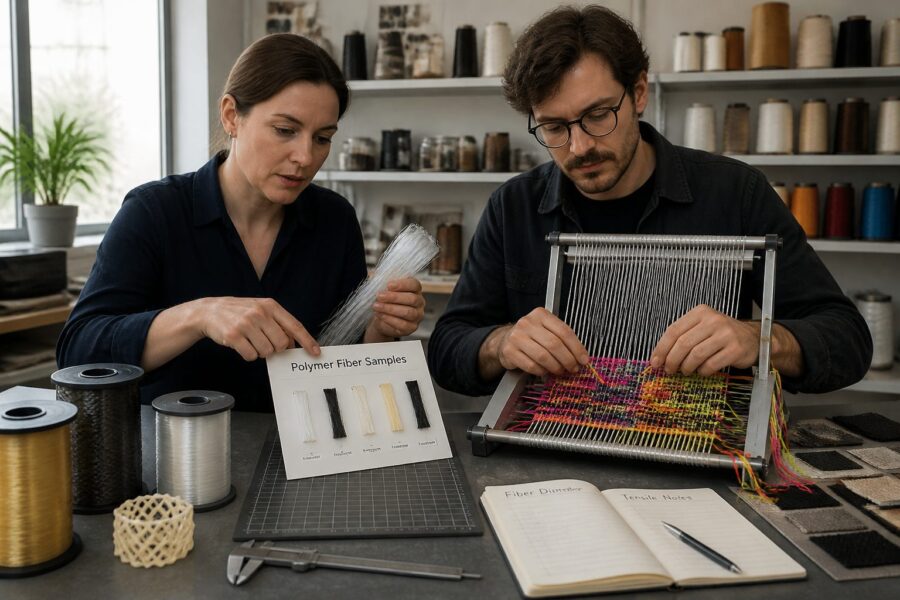
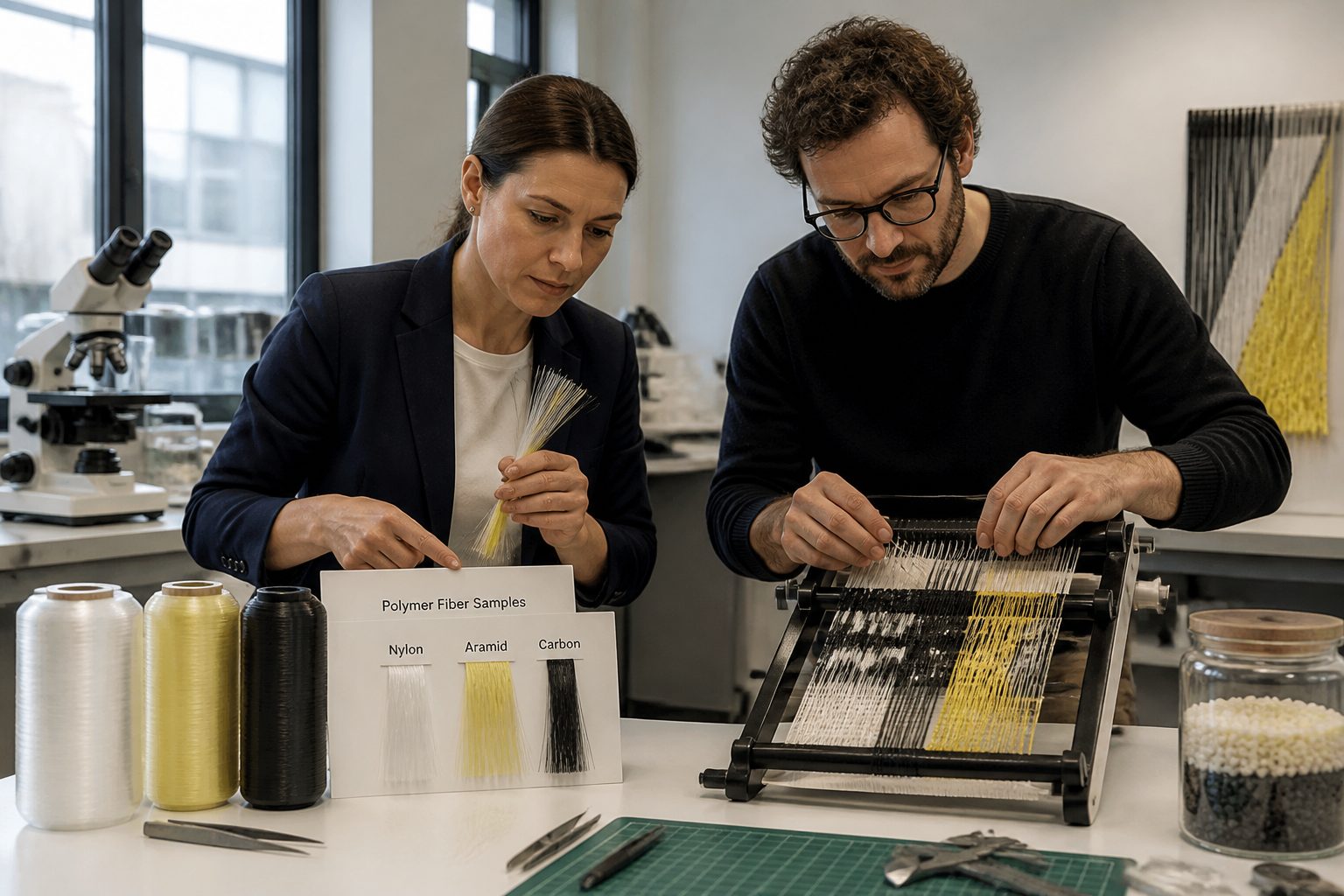
Polymer fibers can be woven, knitted, or felted to create a wide variety of textures and patterns. They can also be dyed or treated to achieve specific colors and finishes, allowing for endless customization.
One notable application is in the creation of large-scale textile installations. Artists use polymer fibers to construct lightweight yet strong structures that can be suspended from ceilings or walls, creating immersive environments for viewers.
Another area of innovation is in the development of wearable art. Polymer fibers can be used to create clothing and accessories that are not only fashionable but also functional, such as garments with integrated sensors or lighting.
The integration of technology into textile art is particularly exciting. Imagine clothing that can monitor your heart rate or change color based on your mood.
Polymer fibers are making these possibilities a reality, blurring the lines between fashion, art, and science. The durability of these fibers also ensures that textile art pieces can withstand the test of time.
Traditional textile art often relies on delicate materials that are susceptible to damage. Polymer fibers offer a robust alternative, allowing artists to create pieces that can be displayed and enjoyed for years to come.
Furthermore, the ability to create complex patterns and textures with polymer fibers opens up new avenues for artistic expression. Artists can experiment with intricate weaves, three-dimensional forms, and unconventional materials to create truly unique textile art pieces.
The use of digital design tools in conjunction with polymer fibers is also transforming the field. Artists can use computer software to create intricate patterns and then use automated weaving or knitting machines to bring their designs to life.
This combination of technology and artistry is pushing the boundaries of textile art in exciting new directions. The possibilities are truly endless, and we can expect to see even more innovative and groundbreaking textile art pieces in the years to come.
The sustainability aspect of polymer fibers in textile art should also be emphasized. Many artists are choosing to work with recycled or sustainably sourced polymer fibers, reducing the environmental impact of their work.
Applications in 3D Printing
3D printing, also known as additive manufacturing, has become a popular tool for artists and designers. Polymer fibers play a crucial role in this technology, providing the raw material for creating three-dimensional objects.
The process involves melting or softening the polymer fibers and then extruding them through a nozzle to build up the object layer by layer. This allows for the creation of complex geometries and intricate designs that would be difficult or impossible to achieve with traditional manufacturing methods.
| Polymer Fiber Type | Typical Application | Advantages |
|---|---|---|
| Polylactic Acid (PLA) | Prototyping, decorative objects | Biodegradable, easy to print |
| Acrylonitrile Butadiene Styrene (ABS) | Functional parts, durable objects | High strength, heat resistance |
| Nylon | Flexible parts, wear-resistant items | High flexibility, abrasion resistance |
| Polyethylene Terephthalate Glycol (PETG) | Food-safe containers, outdoor applications | Food-safe, weather resistant |
Artists are using 3D printing with polymer fibers to create sculptures, jewelry, and even furniture. The ability to customize the material properties and design parameters allows for a high degree of creative control.
The precision and control offered by 3D printing are unparalleled. Artists can create intricate details and complex geometries with ease.
This technology also allows for rapid prototyping, enabling artists to quickly iterate on their designs and experiment with different forms. The use of polymer fibers in 3D printing opens up a world of possibilities for creating unique and innovative art pieces.
Furthermore, the ability to create hollow or lattice-like structures with 3D printing can significantly reduce the weight of sculptures and other objects. This is particularly useful for large-scale installations or pieces that need to be easily transportable.
The combination of 3D printing and polymer fibers also allows for the creation of functional art. Artists can design and print furniture, lighting fixtures, and other everyday objects that are both aesthetically pleasing and functional.
The customization options offered by 3D printing are also a major advantage. Artists can tailor the material properties, colors, and textures of their creations to meet their specific artistic vision.
This level of control is unprecedented and allows for the creation of truly unique and personalized art pieces. The future of 3D printing with polymer fibers is bright, and we can expect to see even more innovative and groundbreaking applications in the years to come.
The development of new and improved polymer fibers for 3D printing is also driving innovation. Researchers are constantly working to create fibers with enhanced strength, flexibility, and other desirable properties.
Polymer Fibers as Design Materials
Beyond art, polymer fibers are also finding applications in various design fields. Their unique properties make them well-suited for creating innovative and functional products.
In interior design, polymer fibers are used to create lightweight and durable furniture. They can also be incorporated into textiles for upholstery and curtains, adding both aesthetic appeal and functional benefits such as stain resistance and UV protection.
In the automotive industry, polymer fibers are used to create lightweight components that improve fuel efficiency. These materials can also be used to enhance the safety of vehicles, such as in the construction of impact-resistant panels.
The fashion industry is also embracing polymer fibers for their ability to create innovative and sustainable clothing. Designers are experimenting with new textures, colors, and functionalities, pushing the boundaries of what is possible with traditional textiles.
The use of polymer fibers in design is driven by a desire for both aesthetics and functionality. These materials offer a unique combination of properties that make them ideal for a wide range of applications.
For example, polymer fibers can be used to create furniture that is both lightweight and strong, making it easy to move and durable enough to withstand everyday use. In the automotive industry, the use of polymer fibers can significantly reduce the weight of vehicles, leading to improved fuel efficiency and reduced emissions.
In the fashion industry, polymer fibers are being used to create clothing that is both stylish and functional. These materials can be engineered to be water-resistant, stain-resistant, and even self-cleaning.
The versatility of polymer fibers makes them an attractive option for designers in a wide range of industries. They can be molded into complex shapes, colored to match any aesthetic, and engineered to meet specific performance requirements.
The use of polymer fibers in design is also driven by a growing concern for sustainability. Many designers are choosing to work with recycled or sustainably sourced polymer fibers, reducing the environmental impact of their products.
The development of new and improved polymer fibers is also driving innovation in the design world. Researchers are constantly working to create fibers with enhanced strength, flexibility, and other desirable properties.
This ongoing research and development is ensuring that polymer fibers will continue to play a significant role in design for years to come. The possibilities are endless, and we can expect to see even more innovative and groundbreaking applications of these materials in the future.
Innovative Art Installations
One of the most exciting applications of polymer fibers is in the creation of large-scale art installations. These installations often combine artistic vision with engineering expertise to create immersive and interactive experiences for viewers.
Artists are using polymer fibers to construct complex structures that respond to light, sound, or movement. These installations can transform public spaces into dynamic environments that engage the senses and challenge perceptions.
- Interactive light sculptures that change color based on viewer proximity
- Kinetic installations that move in response to wind or touch
- Sound-responsive structures that create patterns based on ambient noise
- Suspended textile installations that create immersive environments
- 3D-printed sculptures that combine art and technology
These innovative art installations demonstrate the potential of polymer fibers to create art that is both visually stunning and intellectually stimulating. They also highlight the importance of collaboration between artists, designers, and engineers in pushing the boundaries of creative expression.
The scale and complexity of these installations are often breathtaking. Artists are using polymer fibers to create structures that defy gravity and challenge our understanding of space.
The interactive nature of many of these installations adds another layer of engagement. Viewers become participants, influencing the artwork through their presence or actions.
This blurring of the lines between art and audience creates a truly immersive and memorable experience. The use of technology in these installations is also noteworthy.
Artists are incorporating sensors, actuators, and other electronic components to create works that respond to their environment or the viewer’s input. This fusion of art and technology is pushing the boundaries of what is possible in the realm of public art.
The durability and weather resistance of polymer fibers make them ideal for outdoor installations. Artists can create works that will withstand the elements and remain on display for extended periods of time.
The lightweight nature of these materials also makes them easier to transport and install, allowing artists to showcase their work in diverse locations around the world. The impact of these innovative art installations extends beyond their aesthetic appeal.
They can transform public spaces, stimulate creativity, and foster a sense of community. These installations serve as a reminder of the power of art to inspire and engage.
The Future of Fibers in Art
The use of polymer fibers in art and design is still in its early stages, but the potential for future innovation is immense. As technology advances and new materials are developed, artists will have even more tools at their disposal to create groundbreaking works.
One area of development is in the creation of smart textiles. These textiles incorporate sensors, actuators, and other electronic components, allowing them to respond to their environment or the wearer’s body.
Another area of focus is on sustainability. Researchers are working to develop polymer fibers from renewable resources and to create recycling processes that minimize waste. This will allow artists to create art that is not only beautiful but also environmentally responsible.
The integration of artificial intelligence (AI) into the design process is also expected to play a significant role. AI algorithms can be used to generate new designs, optimize material properties, and even create interactive art installations that respond to viewer input in real-time.
Imagine clothing that can monitor your health and provide personalized feedback, or art installations that learn and adapt to the preferences of their viewers. The possibilities are truly endless.
The development of new and improved polymer fibers will also drive innovation in the art world. Researchers are constantly working to create fibers with enhanced strength, flexibility, and other desirable properties.
This ongoing research and development will allow artists to create even more complex and innovative works. The convergence of art, science, and technology is creating a new era of creative possibilities.
We can expect to see even more groundbreaking applications of polymer fibers in art in the years to come. The future of art is bright, and polymer fibers are poised to play a central role in shaping that future.
Furthermore, the increasing accessibility of advanced manufacturing technologies, such as 3D printing, will empower more artists to experiment with polymer fibers. This democratization of technology will lead to a surge of creativity and innovation.
The collaboration between artists, scientists, and engineers will also become increasingly important. By working together, these experts can push the boundaries of what is possible and create truly groundbreaking works of art.
Polymer Fibers and Sustainable Art
Sustainability is becoming an increasingly important consideration for artists and designers. The use of polymer fibers can contribute to more sustainable practices in several ways.
Many polymer fibers can be made from recycled materials, reducing the demand for virgin resources. For example, recycled plastic bottles can be processed into polyester fibers that are used in clothing, upholstery, and other textile applications.
Additionally, some polymer fibers are biodegradable, meaning they will break down naturally over time. This can reduce the environmental impact of art installations and other temporary structures.
Artists are also exploring the use of natural polymer fibers, such as those derived from plants or animals. These fibers can be processed and modified to create unique textures and colors, offering a sustainable alternative to synthetic materials.
The use of recycled polymer fibers not only reduces waste but also conserves energy. Manufacturing new polymer fibers from virgin materials requires significant amounts of energy.
By using recycled materials, artists can significantly reduce the carbon footprint of their work. The development of biodegradable polymer fibers is also a major step forward in sustainable art.
These fibers break down naturally over time, reducing the amount of plastic waste that ends up in landfills. Artists are also exploring innovative ways to incorporate natural polymer fibers into their work.
For example, they are using fibers derived from bamboo, hemp, and other plants to create unique and sustainable art pieces. The use of natural dyes and finishes further enhances the sustainability of these works.
The growing awareness of environmental issues is driving demand for sustainable art materials. Artists who choose to work with polymer fibers are at the forefront of this movement.
By embracing sustainable practices, they are not only creating beautiful art but also contributing to a more environmentally responsible future. The combination of artistic expression and environmental consciousness is a powerful force for positive change.
Challenges and Considerations
While polymer fibers offer many advantages, there are also challenges and considerations to keep in mind. One of the main challenges is the cost of some advanced polymer fibers.
Specialty fibers with unique properties, such as conductivity or color-changing capabilities, can be expensive to produce. This can limit their accessibility to artists and designers with limited budgets.
Another consideration is the potential environmental impact of polymer fibers. While some fibers are biodegradable or recyclable, others can persist in the environment for a long time.
It is important for artists and designers to carefully consider the environmental footprint of the materials they use and to choose sustainable options whenever possible. Additionally, the long-term durability of polymer fibers should be considered, as some materials may degrade over time when exposed to UV light or other environmental factors.
The cost of advanced polymer fibers is a significant barrier for many artists. However, as technology advances and production processes become more efficient, the cost of these materials is likely to decrease.
In the meantime, artists can explore alternative polymer fibers that are more affordable or seek funding opportunities to support their work. The environmental impact of polymer fibers is a complex issue.
While some fibers are biodegradable or recyclable, others can persist in the environment for decades or even centuries. It is important for artists and designers to be aware of the environmental impact of the materials they use and to choose sustainable options whenever possible.
This includes choosing fibers made from recycled materials, using natural dyes and finishes, and minimizing waste during the production process. The long-term durability of polymer fibers is another important consideration.
Some fibers may degrade over time when exposed to UV light, moisture, or other environmental factors. Artists and designers should carefully consider the intended use of their work and choose fibers that are appropriate for the environment in which they will be displayed.
Proper storage and maintenance can also help to extend the lifespan of polymer fiber art pieces. Despite these challenges and considerations, the benefits of using polymer fibers in art and design are undeniable. By carefully considering these factors and choosing sustainable options, artists and designers can harness the power of polymer fibers to create innovative and impactful works.
Case Studies: Artists Using Polymer Fibers
Several artists have successfully incorporated polymer fibers into their work, demonstrating the creative potential of these materials. One example is Sheila Hicks, an American artist known for her large-scale textile installations.
Hicks uses a variety of polymer fibers, including nylon and acrylic, to create colorful and textured sculptures that transform public spaces. Her work often explores themes of culture, history, and the human experience.
Another artist, Anila Quayyum Agha, creates immersive light installations using laser-cut polymer panels. These panels are intricately designed and illuminated from within, casting intricate patterns of light and shadow throughout the space.
Neri Oxman, a designer and architect, explores the intersection of biology, engineering, and design. She uses 3D printing with polymer fibers to create objects that mimic natural forms and processes, such as clothing that adapts to the wearer’s body temperature.
Sheila Hicks’ work is characterized by its vibrant colors and tactile textures. Her large-scale textile installations often dominate the spaces they inhabit, creating immersive and engaging experiences for viewers.
Anila Quayyum Agha’s light installations are equally captivating. The intricate patterns of light and shadow cast by her laser-cut polymer panels create a sense of wonder and enchantment.
Neri Oxman’s work is particularly innovative. Her 3D-printed creations often blur the lines between art, science, and technology.
These artists demonstrate the diverse range of possibilities offered by polymer fibers. Their work showcases the versatility, durability, and aesthetic appeal of these materials.
By pushing the boundaries of what is possible, they are inspiring other artists and designers to explore the creative potential of polymer fibers. These case studies highlight the importance of experimentation and innovation in the art world.
By embracing new materials and technologies, artists can create works that are both visually stunning and intellectually stimulating. The success of these artists serves as a testament to the power of polymer fibers to transform the world of art and design.
Conclusion
Polymer fibers are revolutionizing the world of art and design. Their versatility, durability, and sustainability make them ideal for creating innovative and impactful works.
From textile art to 3D-printed sculptures, polymer fibers are opening up new possibilities for creative expression. As technology advances and new materials are developed, we can expect to see even more exciting applications of these materials in the years to come.
The future of art and design is intertwined with the future of materials science. Polymer fibers are poised to play a central role in shaping that future.
The integration of polymer fibers into art and design represents a significant shift in creative expression. These materials offer artists and designers unprecedented control over form, texture, and function.
As we continue to explore the potential of polymer fibers, we can expect to see even more groundbreaking innovations in the years to come. The possibilities are truly limitless, and the future of art and design is bright.
The collaborative spirit between artists, scientists, and engineers will be crucial in driving this innovation. By working together, these experts can unlock the full potential of polymer fibers and create works that are both visually stunning and intellectually stimulating.