
Agriculture is in a constant state of change, adapting to new challenges and embracing innovative solutions. As the global population continues to grow, the need for more efficient and sustainable farming practices becomes increasingly critical.
One area that holds immense promise is the application of advanced materials, specifically polymer fibers in agriculture. These high-performance materials are revolutionizing various aspects of farming, from crop protection to sustainable resource management.
This article will explore the diverse applications of polymer fibers in agriculture and their potential to transform the industry. We will examine how these materials are being used to enhance crop yields, reduce environmental impact, and create a more sustainable future for farming.
The Growing Need for Agricultural Innovation
The agricultural sector faces numerous pressures in the 21st century. Climate change, resource scarcity, and increasing demand for food are forcing farmers to seek new and innovative ways to improve productivity while minimizing environmental impact.
Traditional farming methods often rely heavily on pesticides, fertilizers, and water, which can have detrimental effects on ecosystems and human health. There is a growing awareness of the need for more sustainable practices that can protect our planet and ensure food security for future generations.
Agricultural innovation is not just about increasing yields; it’s also about creating more resilient and sustainable farming systems. This includes adopting technologies that reduce waste, conserve resources, and enhance the overall health of the environment.
Polymer fibers in agriculture represent a significant step towards achieving these goals. These materials offer a wide range of benefits, from improved crop protection to enhanced soil management, making them a valuable tool for modern farmers.
The rising global population necessitates increased food production, placing immense strain on existing agricultural resources. This demand, coupled with the effects of climate change, creates a pressing need for innovative solutions that can enhance agricultural productivity sustainably.
Depletion of fertile land and water scarcity are major concerns that demand immediate attention. Traditional farming practices often contribute to soil degradation and water pollution, exacerbating these challenges.
Consumers are also becoming increasingly aware of the environmental and health impacts of food production. This growing consumer demand for sustainably produced food is driving the adoption of eco-friendly farming practices.
Therefore, the integration of advanced materials like polymer fibers represents a crucial step towards a more sustainable and efficient agricultural system. These materials offer the potential to address key challenges and contribute to a more resilient and environmentally responsible food supply chain.
Polymer Fibers in Agricultural Textiles
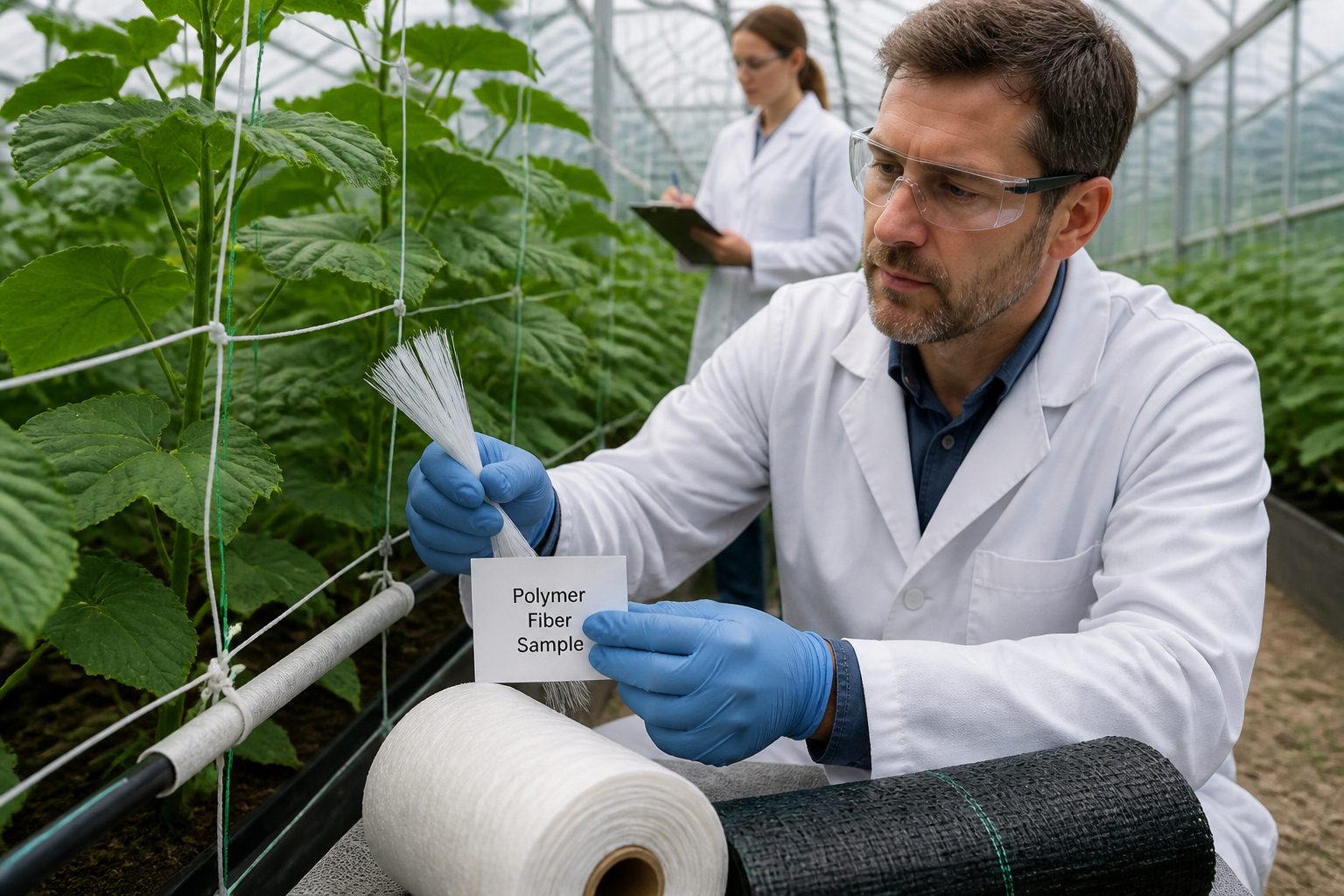
Agricultural textiles, also known as agrotech textiles, are a class of materials used in various farming applications. Polymer fibers play a crucial role in the production of these textiles, providing strength, durability, and other desirable properties.
These textiles are used for a wide range of purposes, including crop covers, shade cloths, and weed barriers. The specific type of polymer fiber used will depend on the intended application and the desired performance characteristics.
For example, polypropylene fibers are commonly used in weed barriers due to their resistance to degradation and their ability to prevent weed growth. These barriers help to reduce the need for herbicides, promoting a more sustainable approach to weed control.
Polyester fibers are often used in shade cloths due to their high strength and resistance to UV radiation. These cloths provide protection from excessive sunlight, helping to regulate temperature and prevent sunburn on sensitive crops.
Agricultural textiles are designed to withstand harsh environmental conditions, including extreme temperatures, high humidity, and exposure to sunlight. The choice of polymer fiber is crucial for ensuring the longevity and effectiveness of these textiles.
Beyond crop protection, agricultural textiles also play a role in water management. Some textiles are designed to promote water infiltration, while others help to retain moisture in the soil.
The use of agricultural textiles can also improve the quality and appearance of crops. By providing a controlled growing environment, these textiles can help to produce more uniform and visually appealing fruits and vegetables.
The development of new and improved agricultural textiles is an ongoing process, with researchers constantly exploring new materials and designs. This innovation is driven by the need for more sustainable and efficient farming practices.
Using Fibers for Crop Protection
Crop protection is a major concern for farmers, as pests, diseases, and harsh weather conditions can significantly reduce yields. Polymer fibers are being used in various ways to protect crops from these threats, offering a more sustainable alternative to traditional pesticides and other chemical treatments.
One common application is the use of netting made from polymer fibers to protect crops from insects and birds. This netting acts as a physical barrier, preventing pests from reaching the plants and reducing the need for insecticides.
| Type of Fiber | Application | Benefits |
|---|---|---|
| Polypropylene | Weed barriers | Prevents weed growth, reduces herbicide use |
| Polyester | Shade cloths | Provides UV protection, regulates temperature |
| Nylon | Netting | Protects against insects and birds, reduces insecticide use |
| Biodegradable polymers | Mulch films | Controls weeds, conserves moisture, decomposes naturally |
In addition to netting, polymer fibers are also used in the production of mulch films. These films are laid over the soil to suppress weed growth, conserve moisture, and regulate soil temperature, leading to improved crop yields and reduced water consumption.
The use of polymer fiber netting is particularly effective in protecting high-value crops such as fruits and vegetables. These crops are often more susceptible to pest damage and require more intensive protection measures.
Mulch films made from polymer fibers can also help to improve soil health by preventing soil erosion and promoting beneficial microbial activity. This leads to healthier plants and more sustainable farming practices.
The development of new and improved polymer fiber materials is constantly expanding the possibilities for crop protection. Researchers are exploring new ways to use these materials to protect crops from a wider range of threats, including diseases and extreme weather events.
By reducing the reliance on chemical treatments, polymer fibers are helping to create a more sustainable and environmentally friendly approach to crop protection. This benefits both farmers and consumers by reducing exposure to harmful chemicals and promoting healthier food production.
Applications in Sustainable Farming
Sustainable farming practices aim to minimize environmental impact while maintaining or improving crop yields. Polymer fibers are playing an increasingly important role in promoting sustainable agriculture by reducing the need for harmful chemicals, conserving water, and improving soil health.
One key application is the use of biodegradable polymer fibers in mulch films and other agricultural textiles. These materials break down naturally in the soil, eliminating the need for removal and disposal, and reducing plastic waste.
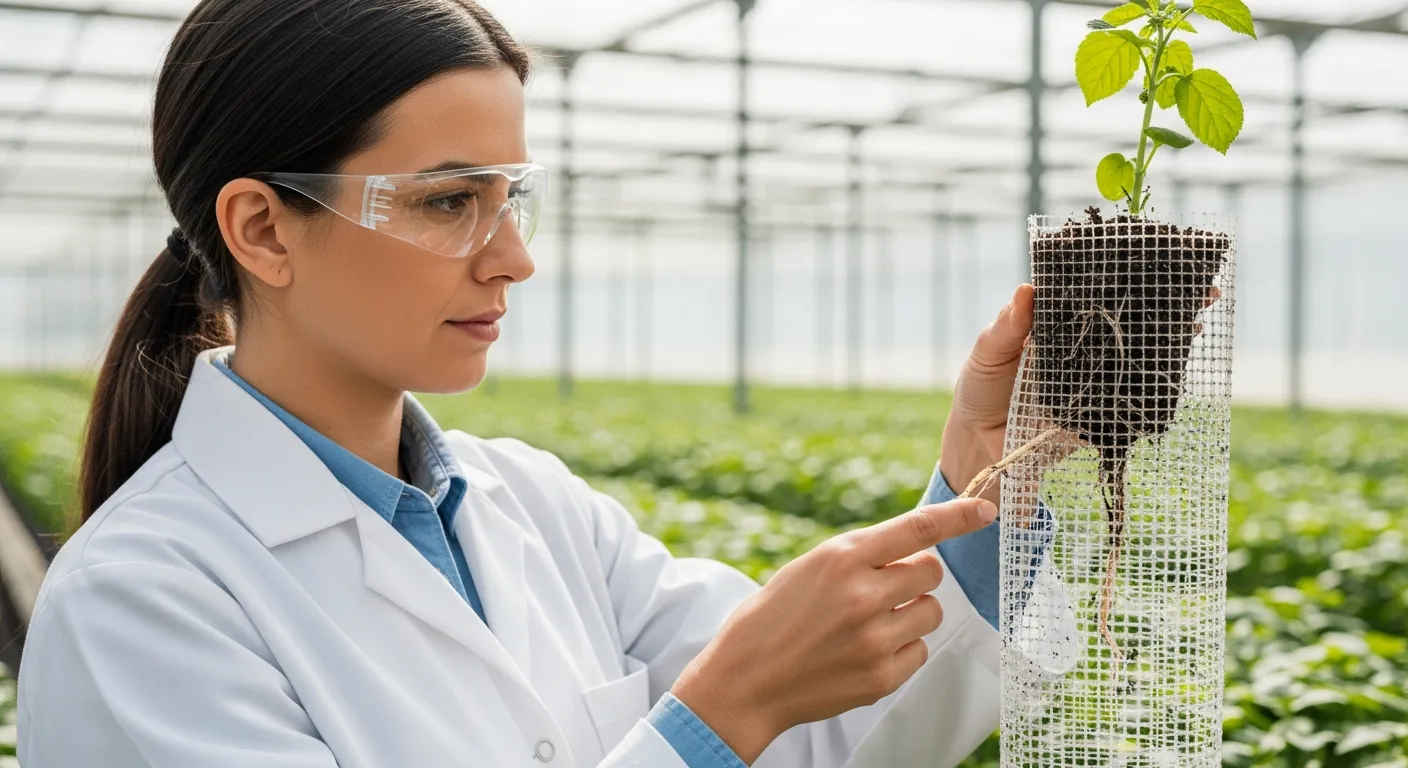
Polymer fibers can also be used to improve water management in agriculture. For example, superabsorbent polymers can be added to the soil to increase its water-holding capacity, reducing the need for irrigation and conserving water resources.
Furthermore, polymer fibers can be used to create erosion control fabrics that prevent soil loss and protect valuable topsoil. These fabrics are particularly useful in areas with steep slopes or high rainfall, where erosion can be a significant problem.
Biodegradable polymer fibers are typically derived from renewable resources, such as corn starch or sugarcane. This further reduces their environmental impact and promotes a circular economy.
Superabsorbent polymers can significantly reduce water consumption in agriculture, especially in arid and semi-arid regions. These polymers absorb and retain water, releasing it slowly to the plants as needed.
Erosion control fabrics made from polymer fibers help to prevent soil degradation and maintain soil fertility. This is essential for long-term agricultural productivity and environmental sustainability.
The use of polymer fibers in sustainable farming practices can also improve the overall resilience of agricultural systems. By reducing reliance on external inputs and promoting soil health, these materials can help farmers to adapt to changing environmental conditions.
Benefits of Polymer Fibers in Agriculture
The use of polymer fibers in agriculture offers a wide range of benefits for farmers, the environment, and consumers. These materials can improve crop yields, reduce costs, and promote more sustainable farming practices.
One of the primary benefits is the reduction in the use of pesticides and herbicides. By providing physical barriers against pests and weeds, polymer fibers can help to minimize the need for chemical treatments, leading to healthier crops and a reduced environmental impact.
- Increased crop yields
- Reduced water consumption
- Decreased use of pesticides and herbicides
- Improved soil health
- Reduced plastic waste
In addition, polymer fibers can help to conserve water by improving soil water-holding capacity and reducing evaporation. This is particularly important in arid and semi-arid regions, where water resources are scarce.
The economic benefits of using polymer fibers in agriculture can be significant. Reduced input costs, increased yields, and improved crop quality can all contribute to higher profits for farmers.
The environmental benefits extend beyond reduced chemical use and water conservation. Polymer fibers can also help to reduce soil erosion, improve air quality, and protect biodiversity.
Consumers also benefit from the use of polymer fibers in agriculture. By reducing exposure to harmful chemicals and promoting sustainable farming practices, these materials contribute to a healthier and more sustainable food supply.
The long-term benefits of using polymer fibers in agriculture are substantial. By promoting sustainable farming practices and protecting natural resources, these materials can help to ensure food security for future generations.
The Role of Agricultural Textiles in Modern Farming
Agricultural textiles are engineered fabrics designed to enhance crop production and protect against environmental stressors. These textiles are crafted from a variety of materials, with polymer fibers forming a significant component due to their durability and versatility.
The primary function of agricultural textiles is to create a microclimate that optimizes growing conditions for plants. This involves regulating temperature, humidity, and light exposure, which are all critical factors for plant growth and development.
For example, shade nets made from polymer fibers reduce the intensity of sunlight, preventing heat stress and sunburn in crops like tomatoes and peppers. These nets are particularly useful in regions with high solar radiation, where excessive sunlight can damage plants and reduce yields.
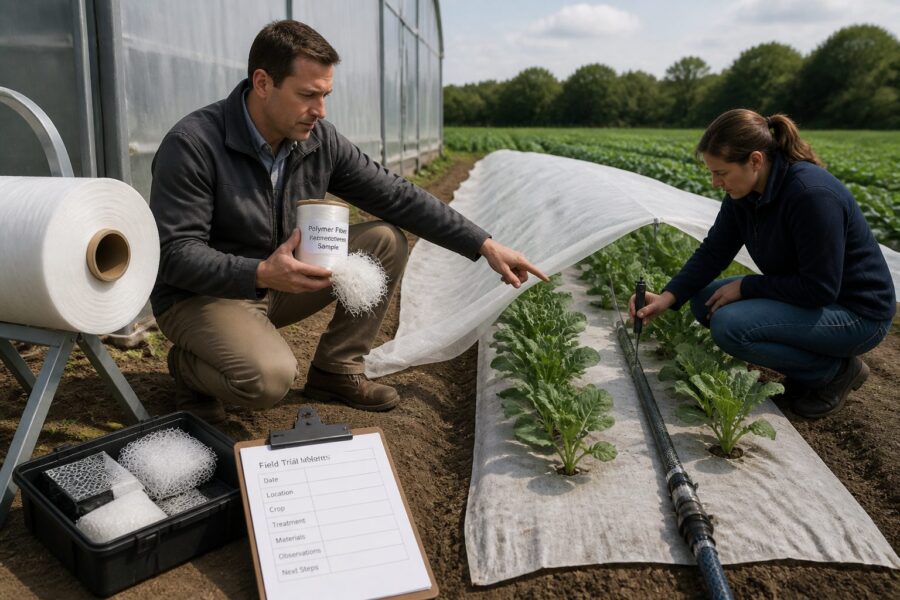
Crop covers made from lightweight polymer fabrics protect plants from frost, wind, and heavy rain. These covers are often used in early spring to extend the growing season and protect young plants from damage.
Agricultural textiles also play a vital role in pest management. Netting and row covers can effectively exclude insects and other pests, reducing the need for chemical pesticides.
Furthermore, agricultural textiles can improve water use efficiency. Weed barriers made from polymer fibers reduce water loss through evaporation and suppress weed growth, which competes with crops for water and nutrients.
The use of agricultural textiles can also enhance the quality and yield of crops. By creating a more favorable growing environment, these textiles can promote faster growth, larger fruit size, and improved overall crop quality.
Modern farming relies heavily on agricultural textiles to optimize crop production and protect against environmental challenges. These textiles are an essential tool for farmers seeking to improve efficiency, sustainability, and profitability.
Exploring Different Types of Polymer Fibers
The selection of polymer fibers used in agricultural textiles is vast, each offering unique characteristics tailored to specific applications. Understanding the properties of these fibers is essential for optimizing crop production and ensuring long-term sustainability.
Polypropylene is favored for its high tensile strength and resistance to chemical degradation. This makes it ideal for weed barriers and ground covers, where durability and longevity are essential.
Polyester fibers are prized for their UV resistance and dimensional stability. They are commonly used in shade cloths and greenhouse covers, providing reliable protection against sunlight and maintaining their shape over time.
Nylon fibers offer excellent elasticity and abrasion resistance. They are often used in netting and support structures, providing strong and flexible support for climbing plants and protecting crops from pests.
Polyethylene fibers are lightweight and cost-effective. They are commonly used in low-cost crop covers and mulch films, providing basic protection against frost and weeds.
Biodegradable polymer fibers, such as polylactic acid (PLA), are gaining popularity due to their environmental benefits. These fibers are derived from renewable resources and decompose naturally in the soil, reducing plastic waste.
The choice of polymer fiber depends on the specific requirements of the application. Factors to consider include strength, durability, UV resistance, water permeability, and cost.
Researchers are constantly developing new and improved polymer fibers for agricultural applications. These innovations aim to enhance performance, reduce environmental impact, and improve the sustainability of farming practices.
The Future of Farming Technology
The future of farming is likely to be characterized by increasing automation, precision agriculture, and the use of advanced materials. Polymer fibers will continue to play a key role in this evolution, enabling new and innovative solutions for crop protection, resource management, and sustainable farming.
One promising area of development is the use of smart textiles embedded with sensors to monitor soil conditions, plant health, and environmental factors. These textiles could provide real-time data to farmers, allowing them to make more informed decisions about irrigation, fertilization, and pest control.
Another area of interest is the development of new biodegradable polymer fibers that are even more durable and effective than current materials. These fibers could be used to create long-lasting mulch films and other agricultural textiles that break down completely in the soil, further reducing plastic waste.
As technology continues to advance, we can expect to see even more innovative applications of polymer fibers in agriculture, helping to create a more sustainable and efficient food production system. The integration of these materials into modern farming practices is essential for addressing the challenges of climate change and ensuring food security for future generations.
Precision agriculture, which involves using data and technology to optimize farming practices, will become increasingly prevalent. Polymer fibers will play a critical role in enabling precision agriculture through the development of smart textiles and sensor-embedded materials.
Automation will also transform the agricultural landscape. Robots and drones equipped with polymer fiber components will be used to perform tasks such as planting, harvesting, and pest control, increasing efficiency and reducing labor costs.
Vertical farming, which involves growing crops in stacked layers indoors, is another emerging trend that will rely heavily on advanced materials like polymer fibers. These materials will be used to create lightweight, durable, and energy-efficient structures for vertical farms.
The convergence of these technologies will revolutionize the way food is produced, making agriculture more efficient, sustainable, and resilient. Polymer fibers will be at the forefront of this transformation, enabling farmers to meet the growing demand for food while minimizing environmental impact.
Conclusion
Polymer fibers are transforming agriculture by offering innovative solutions for crop protection, resource management, and sustainable farming. These materials are being used in a wide range of applications, from agricultural textiles to soil amendments, helping farmers to improve yields, reduce costs, and minimize environmental impact.
As the demand for food continues to grow, the need for more efficient and sustainable farming practices becomes increasingly critical. Polymer fibers in agriculture represent a significant step towards achieving these goals, offering a valuable tool for modern farmers and a promising path towards a more sustainable future.
The continued development and adoption of polymer fiber technologies will be essential for addressing the challenges facing the agricultural sector. These materials offer a versatile and sustainable solution for improving crop production, conserving resources, and protecting the environment.
By embracing innovation and investing in research and development, we can unlock the full potential of polymer fibers in agriculture and create a more sustainable and food-secure future for all.