


In an era where sustainability and durability are paramount, the construction and manufacturing industries are constantly seeking innovative materials. One such material that has gained significant traction is wood plastic composites advantages. These materials offer a unique blend of natural aesthetics and engineered performance, making them a compelling alternative to traditional materials like wood and plastic.
This article explores the various advantages and applications of wood-plastic composites, also known as WPC materials. We will examine how WPCs are revolutionizing industries, from composite decking to sustainable building materials, by offering enhanced durability, environmental benefits, and versatile design options.
Whether you’re a builder, designer, or simply someone interested in sustainable living, understanding the potential of WPCs is essential. Let’s uncover the reasons behind their growing popularity and the impact they are having on our world.
What are Wood-Plastic Composites?
Wood-plastic composites are materials made from a combination of wood fibers and thermoplastics. These two components are mixed together and then extruded into the desired shape, creating a composite material that leverages the best properties of both wood and plastic.
The wood component typically consists of sawdust, wood chips, or wood flour, while the plastic component can be polyethylene (PE), polypropylene (PP), or polyvinyl chloride (PVC). The ratio of wood to plastic can vary depending on the desired properties of the final product, but it is usually around 50/50.
Unlike solid wood, wood plastic composites advantages offer enhanced resistance to moisture, rot, and insects. This makes them a more durable and long-lasting option for outdoor applications.
Furthermore, WPC materials can be molded into various shapes and sizes, providing greater design flexibility compared to traditional wood. They also require less maintenance, reducing the need for frequent painting, staining, or sealing.
The combination of wood and plastic results in a material that is both strong and lightweight. This makes WPCs easy to handle and install, reducing labor costs and construction time.
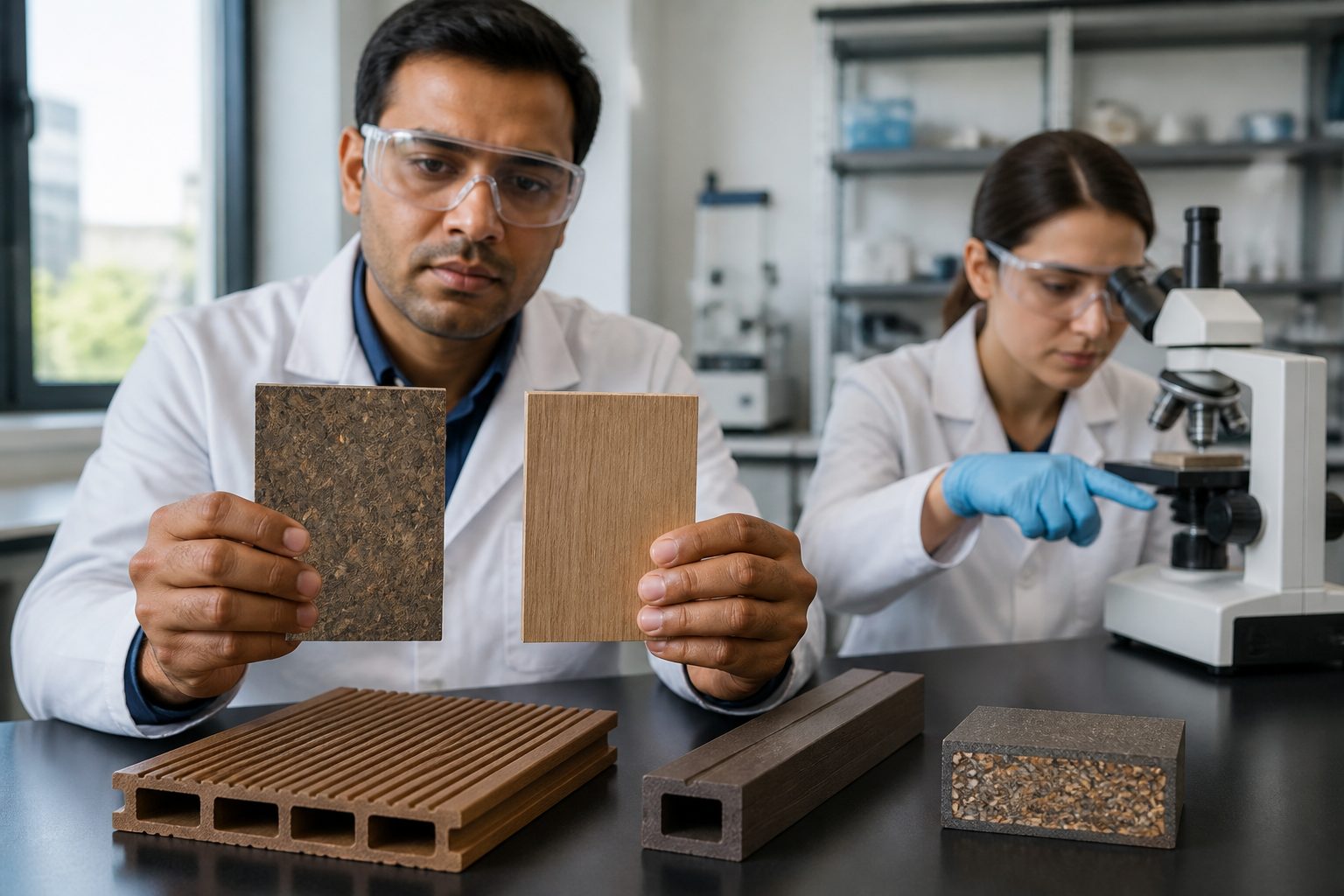

The specific type of plastic used in the composite can also influence its properties. For example, polyethylene (PE) provides excellent moisture resistance, while polypropylene (PP) offers higher temperature resistance.
The manufacturing process also plays a crucial role in determining the quality and performance of WPCs. Proper mixing and extrusion techniques are essential to ensure that the wood fibers and plastic are evenly distributed and bonded together.
WPCs are becoming increasingly popular in a variety of applications, including decking, railing, fencing, and siding. Their versatility and durability make them a compelling alternative to traditional wood products.
As technology advances, we can expect to see even more innovative uses for WPCs in the future. Their potential for sustainable construction and design is vast.
Key Advantages of WPCs
Wood plastic composites advantages offer a multitude of benefits that make them an attractive alternative to traditional materials. Their unique composition provides superior performance in various applications.
One of the primary advantages of WPCs is their enhanced durability. Unlike natural wood, WPCs are resistant to rot, decay, and insect infestation, ensuring a longer lifespan for the material.
Another significant benefit is their low maintenance requirements. WPCs do not need to be painted, stained, or sealed regularly, which saves time and money over the lifespan of the product.
Additionally, WPCs are environmentally friendly, often made from recycled plastic and wood waste. This reduces the demand for virgin materials and helps to divert waste from landfills.
WPCs also offer design flexibility, as they can be molded into various shapes and sizes. This allows for greater creativity and customization in construction and manufacturing projects.
Their resistance to moisture makes them ideal for outdoor applications, such as decking and fencing. They will not warp or splinter, ensuring a safe and comfortable surface for years to come.
The consistent quality of WPCs also makes them a reliable choice for large-scale projects. Unlike natural wood, which can vary in color and grain, WPCs offer a uniform appearance.
WPCs are also splinter-free, making them a safer option for families with children and pets. This is a significant advantage over traditional wood decking, which can pose a risk of splinters.
The ease of installation is another key advantage of WPCs. They can be cut, drilled, and fastened using standard woodworking tools, making them easy to work with.
Finally, WPCs are often more affordable than high-quality hardwoods. This makes them an accessible option for a wider range of homeowners and businesses.
Comparing WPCs to Traditional Materials
When considering materials for a project, it’s important to weigh the pros and cons of each option. Wood plastic composites advantages stack up well against traditional choices like solid wood, metal, and traditional plastics.
Solid wood, while aesthetically pleasing, is susceptible to moisture damage, rot, and insect attacks. Metal can corrode over time, especially in harsh environments, and may require protective coatings.
| Material | Pros | Cons |
|---|---|---|
| Solid Wood | Natural appearance, renewable | Susceptible to rot, insects, high maintenance |
| Metal | Strong, durable | Prone to corrosion, can be expensive |
| Traditional Plastics | Water-resistant, versatile | Not biodegradable, can be brittle |
| Wood-Plastic Composites (WPCs) | Durable, low maintenance, eco-friendly | Can be more expensive upfront, appearance may not match natural wood perfectly |
Compared to solid wood, WPCs offer superior resistance to moisture, insects, and rot. This translates to a longer lifespan and reduced maintenance costs.
While metal is strong and durable, it can be prone to corrosion and can be more expensive than WPCs. WPCs offer a good balance of strength, durability, and cost-effectiveness.
Traditional plastics are water-resistant and versatile, but they are not biodegradable and can be brittle. WPCs offer a more sustainable option by incorporating recycled materials and providing enhanced durability.
The appearance of WPCs has also improved significantly in recent years. Modern WPCs can closely mimic the look and feel of natural wood, making them a more aesthetically pleasing option than traditional plastics.
Another key difference is the environmental impact of each material. WPCs often incorporate recycled materials, reducing the demand for virgin resources and diverting waste from landfills.
The choice of material ultimately depends on the specific requirements of the project. However, WPCs offer a compelling combination of benefits that make them a strong contender for many applications.
Considering the life cycle cost, WPCs often prove to be a more economical choice than traditional materials. The reduced maintenance and longer lifespan can result in significant savings over time.
Durability and Weather Resistance
One of the most compelling reasons to choose wood plastic composites advantages is their exceptional durability and weather resistance. These materials are engineered to withstand the elements, making them ideal for outdoor applications.
Unlike traditional wood, WPCs do not rot, warp, or splinter when exposed to moisture. The plastic component of the composite acts as a barrier, preventing water from penetrating the wood fibers and causing damage.
This resistance to moisture also makes WPCs less susceptible to mold and mildew growth. This is particularly important in humid climates where these issues are prevalent.
Furthermore, WPCs are resistant to insect infestation, as the plastic component deters pests from feeding on the wood fibers. This eliminates the need for chemical treatments, making WPCs a safer and more environmentally friendly option.
The combination of moisture and insect resistance ensures that WPCs maintain their structural integrity and aesthetic appeal for years to come. This results in lower maintenance costs and a longer lifespan compared to traditional wood products.
The UV resistance of WPCs is also a significant factor in their durability. Additives are often incorporated into the composite to protect it from the damaging effects of sunlight.
This UV protection helps to prevent fading and discoloration, ensuring that the WPC material maintains its original appearance for longer. This is particularly important for outdoor applications where the material is constantly exposed to the sun.
WPCs are also resistant to extreme temperature fluctuations. They will not crack or become brittle in cold weather, nor will they soften or warp in hot weather.
This ability to withstand extreme temperatures makes WPCs a reliable choice for a wide range of climates. Whether you live in a hot, sunny region or a cold, snowy area, WPCs can provide long-lasting performance.
The durability and weather resistance of WPCs make them a smart investment for any project. By choosing WPCs, you can be confident that your investment will last for many years to come.
Environmental Benefits
In an era of increasing environmental awareness, the sustainability of building materials is a crucial consideration. Wood plastic composites advantages offer several environmental benefits that make them a responsible choice for construction and manufacturing projects.
Many WPCs are made from recycled plastic and wood waste, reducing the demand for virgin materials. This helps to conserve natural resources and divert waste from landfills.
The use of recycled materials also reduces the energy required to produce new materials, lowering the carbon footprint of the manufacturing process. This makes WPCs a more sustainable option compared to traditional materials like wood and plastic.
Additionally, WPCs do not require chemical treatments to protect them from rot, insects, or moisture damage. This eliminates the release of harmful chemicals into the environment, making WPCs a safer option for both humans and ecosystems.
The durability and long lifespan of WPCs also contribute to their environmental benefits. By lasting longer than traditional materials, WPCs reduce the need for frequent replacements, which in turn reduces waste and conserves resources.
The use of WPCs can also help to reduce deforestation. By utilizing wood waste, WPCs reduce the demand for newly harvested timber.
This helps to protect forests and preserve biodiversity. Forests play a vital role in absorbing carbon dioxide and regulating the Earth’s climate.
The manufacturing process of WPCs can also be more environmentally friendly than the production of traditional plastics. WPC manufacturing often requires less energy and produces fewer emissions.
Furthermore, some WPC manufacturers are implementing closed-loop recycling systems. This means that waste generated during the manufacturing process is recycled back into the production stream.
By choosing WPCs, you can support sustainable manufacturing practices and contribute to a healthier planet. This makes WPCs a responsible choice for environmentally conscious consumers and businesses.
Common Applications of WPCs
Wood plastic composites advantages have found their way into a wide range of applications due to their versatility and performance characteristics. From outdoor decking to interior trim, WPCs are proving to be a valuable material in various industries.
One of the most popular applications of WPCs is composite decking. WPC decking offers the look and feel of natural wood without the maintenance requirements. It is resistant to rot, warping, and splintering, making it a safer and more durable option for outdoor spaces.
- Decking and railing systems
- Fencing
- Siding
- Window and door frames
- Outdoor furniture
WPCs are also used in the automotive industry for interior components such as door panels and dashboards. Their lightweight and durable nature makes them an attractive alternative to traditional plastics.
In the construction industry, WPCs are used for siding, trim, and window and door frames. Their resistance to moisture and insects makes them a long-lasting and low-maintenance option for building exteriors.
WPCs are also finding applications in the marine industry for docks and piers. Their resistance to saltwater and marine organisms makes them a durable and reliable choice for these demanding environments.
Outdoor furniture is another common application for WPCs. Their resistance to weather and insects makes them ideal for benches, tables, and chairs that are exposed to the elements.
WPCs are also used in landscaping applications for planters, edging, and raised garden beds. Their durability and resistance to rot make them a long-lasting and attractive option for outdoor spaces.
The versatility of WPCs makes them suitable for a wide range of other applications, including pallets, packaging, and industrial components. Their unique combination of properties makes them a valuable material in many industries.
As technology advances, we can expect to see even more innovative uses for WPCs in the future. Their potential for sustainable construction and design is vast.
Manufacturing Processes for WPCs
The manufacturing of wood plastic composites advantages involves several key processes that combine wood fibers and thermoplastics into a homogenous material. Understanding these processes can provide insight into the properties and performance characteristics of WPCs.
The first step in the manufacturing process is the preparation of the raw materials. Wood fibers, typically in the form of sawdust or wood flour, are dried to reduce moisture content. The thermoplastic, usually polyethylene or polypropylene, is also prepared in pellet form.
Next, the wood fibers and thermoplastic are mixed together in a precise ratio. This mixing process ensures that the wood fibers are evenly distributed throughout the plastic matrix.
Additives such as colorants, stabilizers, and lubricants may also be added to the mixture to enhance the properties of the final product. These additives can improve UV resistance, impact strength, and processing characteristics.
The mixture is then heated and extruded through a die to create the desired shape. Extrusion is a continuous process that allows for the production of long, uniform profiles such as decking boards, railings, and siding panels.
Another common manufacturing process is injection molding. This process is used to create complex shapes and intricate designs. Injection molding involves injecting the molten WPC mixture into a mold cavity.
Compression molding is another manufacturing technique used for WPCs. This process involves placing the WPC mixture between two heated molds and applying pressure to form the desired shape.
The surface finish of WPCs can also be enhanced through various post-processing techniques. These techniques include embossing, sanding, and coating.
The quality control process is also crucial in WPC manufacturing. This involves testing the material for strength, durability, and other performance characteristics.
The manufacturing process can be tailored to meet the specific requirements of the application. This allows for the creation of WPCs with a wide range of properties and performance characteristics.
Cost Considerations
When evaluating wood plastic composites advantages, it’s important to consider the cost implications compared to traditional materials. While the initial investment for WPCs may be higher, the long-term benefits can often outweigh the upfront expense.
The initial cost of WPCs can be influenced by several factors, including the type of plastic used, the wood-to-plastic ratio, and the manufacturing process. Higher-quality WPCs with advanced additives may command a premium price.
However, it’s essential to consider the total cost of ownership over the lifespan of the material. Traditional wood requires regular maintenance, such as painting, staining, and sealing, which can add up over time.
WPCs, on the other hand, require minimal maintenance, saving both time and money. This can make WPCs a more cost-effective option in the long run, especially for applications where maintenance is difficult or expensive.
Additionally, the longer lifespan of WPCs can reduce the need for frequent replacements, further contributing to cost savings. This makes WPCs a smart investment for projects where durability and longevity are important.
The cost of installation can also be a factor to consider. WPCs are often easier to install than traditional wood, which can reduce labor costs.
The availability of WPCs can also influence their cost. As demand for WPCs increases, the cost of production may decrease, making them more competitive with traditional materials.
It’s important to compare the cost of WPCs from different manufacturers. Prices can vary depending on the quality of the materials and the manufacturing process.
The environmental benefits of WPCs can also be considered a cost-saving factor. By reducing the need for virgin materials and chemical treatments, WPCs can help to reduce environmental costs.
Ultimately, the cost-effectiveness of WPCs depends on the specific application and the long-term maintenance requirements. However, in many cases, WPCs offer a compelling value proposition compared to traditional materials.
Design and Aesthetic Options
Wood plastic composites advantages offer a wide range of design and aesthetic options, making them a versatile choice for various projects. Whether you’re looking for a natural wood look or a more modern aesthetic, WPCs can be tailored to meet your design needs.
WPCs can be manufactured in a variety of colors and textures to mimic the appearance of different wood species. This allows you to achieve the desired aesthetic without the maintenance requirements of natural wood.
The color of WPCs can be customized to match existing structures or to create a unique design statement. UV stabilizers are often added to prevent fading, ensuring that the color remains vibrant for years to come.
WPCs can also be embossed with wood grain patterns to enhance their natural appearance. This adds depth and texture to the material, making it difficult to distinguish from real wood.
Furthermore, WPCs can be molded into various shapes and sizes, allowing for greater design flexibility. This makes them suitable for both traditional and contemporary architectural styles.
The surface of WPCs can also be treated to create different textures and finishes. This allows for a wide range of design possibilities, from smooth and sleek to rustic and textured.
WPCs can also be combined with other materials to create unique design elements. For example, WPCs can be used in conjunction with metal or glass to create modern and stylish structures.
The design flexibility of WPCs makes them a popular choice for architects and designers. They can be used to create innovative and aesthetically pleasing structures that are also durable and sustainable.
The color and texture of WPCs can also be customized to match the surrounding environment. This allows for a seamless integration of the structure into its natural surroundings.
Ultimately, the design and aesthetic options offered by WPCs make them a versatile and attractive choice for a wide range of projects. They can be used to create beautiful and sustainable structures that will last for many years to come.
Future Trends in WPC Technology
The field of wood plastic composites advantages is constantly evolving, with ongoing research and development focused on improving their performance, sustainability, and cost-effectiveness. Several emerging trends are poised to shape the future of WPC technology.
One trend is the increasing use of bio-based plastics in WPC formulations. These plastics are derived from renewable resources such as cornstarch or sugarcane, reducing the reliance on fossil fuels and lowering the carbon footprint of the material.
Another trend is the development of WPCs with enhanced mechanical properties. Researchers are exploring new additives and processing techniques to improve the strength, stiffness, and impact resistance of WPCs.
Nanotechnology is also playing a role in the advancement of WPC technology. Nanoparticles can be added to WPCs to improve their UV resistance, scratch resistance, and fire retardancy.
Furthermore, there is growing interest in the use of WPCs in new applications, such as automotive components and aerospace structures. The lightweight and durable nature of WPCs makes them an attractive alternative to traditional materials in these industries.
The development of self-healing WPCs is another exciting area of research. These materials can repair minor damage automatically, extending their lifespan and reducing maintenance costs.
The use of 3D printing technology is also being explored for WPC manufacturing. This could allow for the creation of complex and customized WPC components with greater efficiency.
The development of WPCs with improved fire resistance is another important area of research. This would expand their use in building applications where fire safety is a critical concern.
The integration of sensors into WPCs is also being explored. This could allow for the monitoring of structural health and performance, providing valuable data for maintenance and safety purposes.
The focus on sustainable manufacturing practices will continue to drive innovation in WPC technology. This includes reducing energy consumption, minimizing waste, and using recycled materials.
The future of WPC technology is bright, with ongoing research and development paving the way for even more versatile, sustainable, and high-performance materials.
Conclusion
Wood plastic composites advantages represent a significant advancement in material science, offering a compelling blend of durability, sustainability, and design flexibility. Their resistance to rot, insects, and moisture, combined with their low maintenance requirements, makes them an ideal choice for a wide range of applications.
As environmental concerns continue to grow, the use of recycled materials in WPCs further enhances their appeal. From composite decking to window frames, WPCs are transforming the way we build and design, offering a responsible and long-lasting alternative to traditional materials.
The versatility of WPCs allows for creative and innovative designs, meeting the evolving needs of architects and builders. Their ability to mimic the appearance of natural wood while offering superior performance makes them a valuable asset in modern construction.
The ongoing research and development in WPC technology promise even more exciting advancements in the future. As new bio-based plastics and manufacturing techniques emerge, WPCs will continue to evolve and improve.
By choosing WPCs, you are not only investing in a durable and long-lasting material, but also contributing to a more sustainable future. This makes WPCs a responsible and forward-thinking choice for any project.