
Polymer additive manufacturing is revolutionizing how we create products. It offers unparalleled design freedom and customization options. This technology is transforming industries from aerospace to medicine.
Also known as 3D printing, polymer additive manufacturing builds objects layer by layer. This process uses polymers in various forms, such as filaments, powders, and liquids. The result is complex geometries and intricate designs that are difficult or impossible to achieve with traditional manufacturing methods.
In this article, we will explore the world of 3D printing with polymers. We will cover the common techniques, materials, and applications.
Introduction to Polymer Additive Manufacturing
Polymer additive manufacturing, or 3D printing, is a transformative technology. It’s changing the way we design and manufacture products across various industries. Unlike traditional manufacturing processes that involve subtractive methods, such as machining or molding, polymer additive manufacturing builds objects layer by layer.
This additive approach offers several advantages. These advantages include increased design flexibility, rapid prototyping, and the ability to create complex geometries with ease. The process begins with a digital 3D model, which is then sliced into thin layers by specialized software.
The 3D printer then deposits or cures the polymer material layer by layer. It precisely follows the sliced model’s instructions until the final object is formed. The result is a tangible object that matches the digital design.
The technology has rapidly evolved. It now encompasses a variety of techniques, each with its own strengths and limitations. These techniques include fused deposition modeling (FDM), stereolithography (SLA), and selective laser sintering (SLS). Each method uses different materials and processes to create the final product.
Polymer additive manufacturing is not just a trend; it’s a fundamental shift in manufacturing paradigms. It allows for on-demand production and reduced waste. This makes it a more sustainable and efficient alternative to traditional methods.
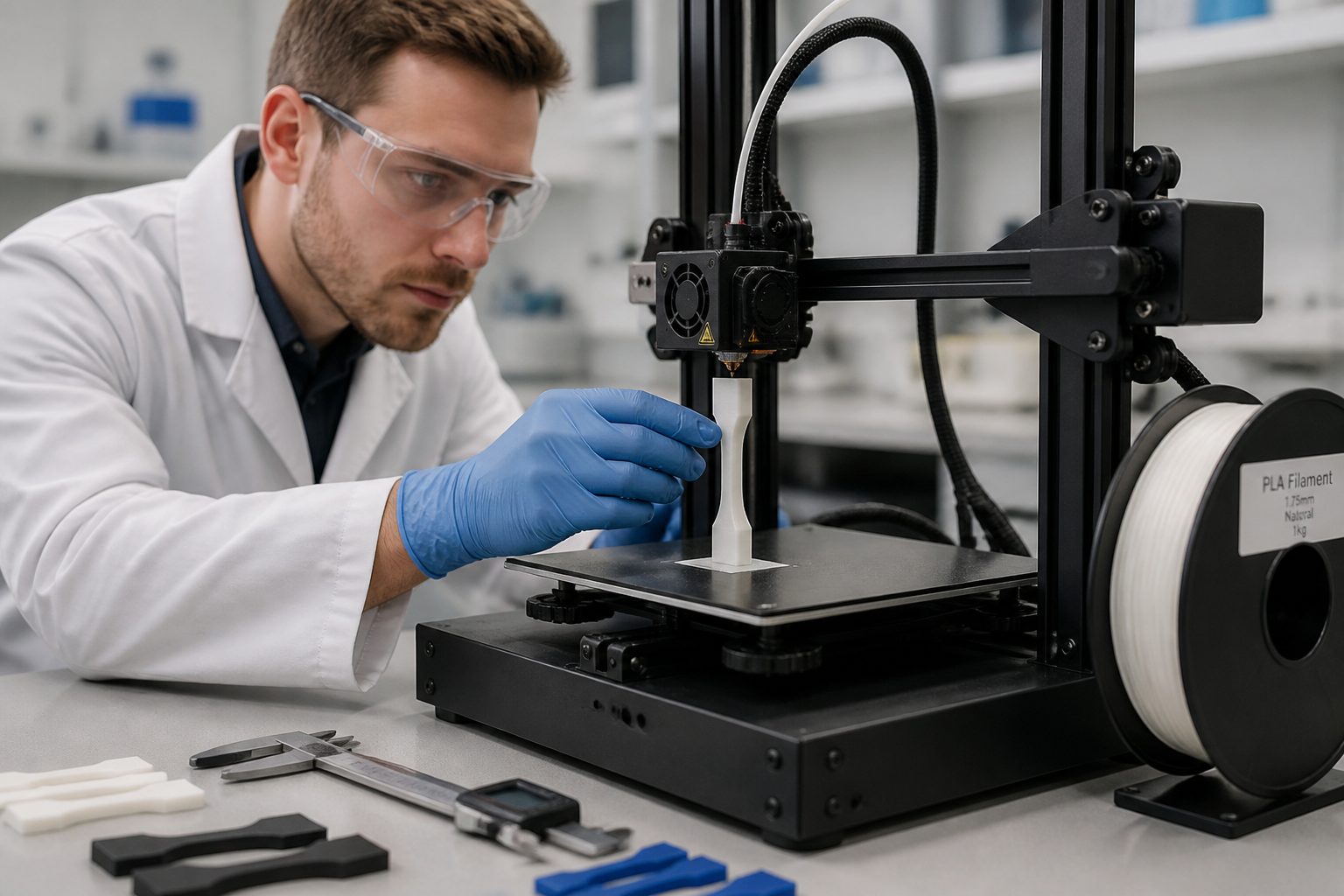
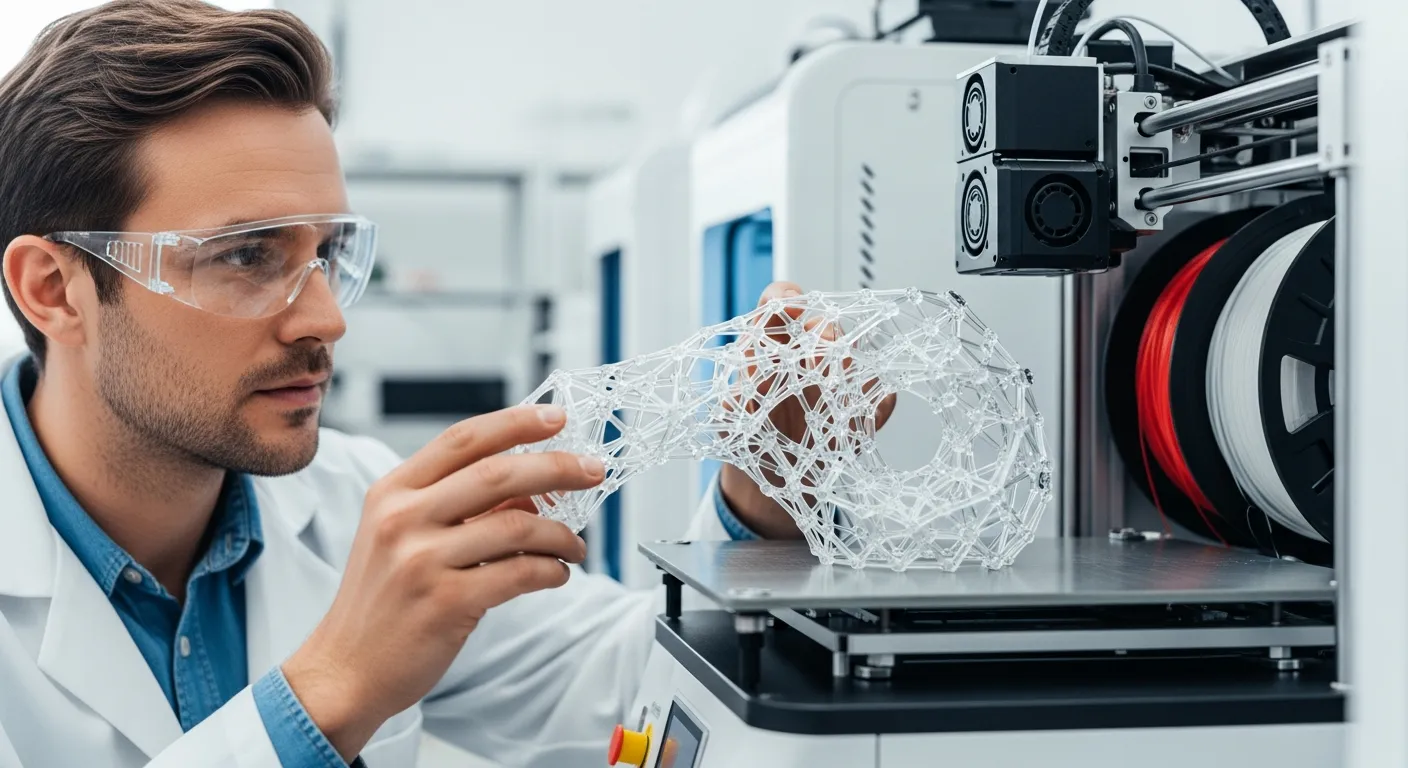
The ability to create customized products with intricate designs opens up new possibilities for innovation. It allows businesses to cater to niche markets and individual customer needs. This level of personalization was previously unattainable with conventional manufacturing techniques.
Furthermore, polymer additive manufacturing is driving advancements in materials science. Researchers are constantly developing new polymers with enhanced properties. These include increased strength, flexibility, and temperature resistance.
These advancements are further expanding the range of applications for 3D printed polymers. This is making them suitable for even more demanding environments and industries. The future of manufacturing is undoubtedly intertwined with the continued development and adoption of polymer additive manufacturing.
Fused Deposition Modeling (FDM): A Common Technique
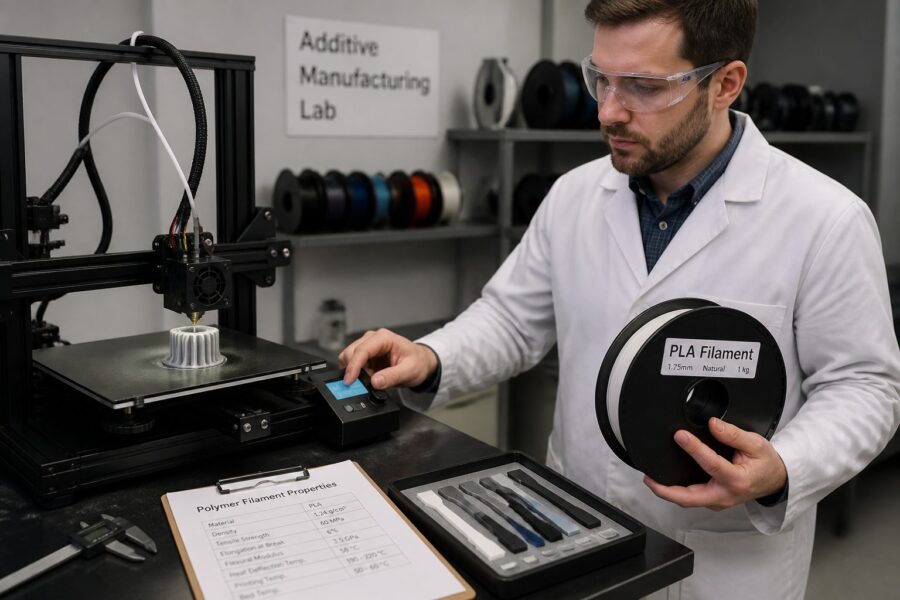
Fused Deposition Modeling, commonly known as FDM, is one of the most widely used polymer additive manufacturing techniques. It’s popular due to its simplicity, cost-effectiveness, and ease of use.
In FDM, a thermoplastic filament is fed through a heated nozzle. The nozzle melts the material and extrudes it onto a build platform, layer by layer, according to the digital model.
As each layer cools and solidifies, it bonds to the layer below. This creates a three-dimensional object. The process continues until the entire object is complete, resulting in a physical prototype or functional part.
FDM is particularly well-suited for rapid prototyping. It allows designers and engineers to quickly iterate on designs and test form, fit, and function. The materials used in FDM are typically thermoplastics, such as ABS, PLA, and nylon, each offering different mechanical properties and thermal resistance.
The accessibility of FDM technology has made it a favorite among hobbyists, educators, and small businesses. Desktop FDM printers are readily available at affordable prices. This allows individuals and organizations to experiment with 3D printing and create custom objects in their own homes or offices.
However, FDM also has its limitations. The surface finish of FDM-printed parts can be rough. This may require post-processing steps such as sanding or coating to achieve a smoother finish. The layer-by-layer construction can also result in anisotropic mechanical properties.
This means that the strength of the part may vary depending on the direction of the applied force. Despite these limitations, FDM remains a versatile and widely used technique in polymer additive manufacturing. Its simplicity and affordability make it an excellent choice for a wide range of applications.
Ongoing advancements in FDM technology are addressing some of these limitations. These advancements include improved nozzle designs, heated build platforms, and more sophisticated control systems. These improvements are leading to higher resolution prints and stronger, more isotropic parts.
Stereolithography (SLA): High-Resolution Printing
Stereolithography, or SLA, is another prominent polymer additive manufacturing technique. It excels at producing parts with high resolution and fine details. This method uses a liquid resin that is cured by a light source, typically a UV laser or projector.
The SLA process begins with a vat of liquid photopolymer resin. A UV laser traces the cross-section of the object onto the surface of the resin. The laser selectively cures and solidifies the resin, creating a single layer.
The build platform then moves down slightly. A new layer of liquid resin is exposed. The laser repeats the process, solidifying each layer until the entire object is formed.
SLA is known for its ability to produce parts with smooth surfaces and intricate geometries. It’s a great method for applications requiring precision and accuracy. Common materials used in SLA include epoxy resins and acrylate-based photopolymers, which offer a range of mechanical properties and chemical resistance.
One of the key advantages of SLA is its ability to create parts with exceptional surface finish. The liquid resin allows for extremely fine layer resolution. This results in parts that are virtually free of visible layer lines.
This makes SLA ideal for applications where aesthetics are important. Examples include jewelry, dental models, and prototypes for consumer products. However, SLA also has some drawbacks.
The materials used in SLA are typically more expensive than those used in FDM. SLA parts may also require more extensive post-processing. This includes removing support structures and curing the parts under UV light to fully harden the resin.
Despite these limitations, SLA remains a popular choice for applications that demand high resolution and smooth surfaces. Advancements in SLA technology are focused on developing new resins with improved mechanical properties. They are also working on increasing the build volume of SLA printers.
Selective Laser Sintering (SLS): Powder-Based Printing
Selective Laser Sintering, or SLS, is a powder-based polymer additive manufacturing technique. It’s used to create functional parts with good mechanical properties. SLS uses a laser to selectively fuse powder particles together, layer by layer.
The process begins with a bed of polymer powder. A laser scans the cross-section of the object, sintering the powder particles together to form a solid layer.
| Technique | Material Form | Resolution | Typical Materials |
|---|---|---|---|
| FDM | Filament | Medium | ABS, PLA, Nylon |
| SLA | Liquid Resin | High | Epoxy Resins, Acrylates |
| SLS | Powder | Medium-High | Nylon, Polystyrene |
| Material Jetting | Liquid Droplets | Very High | Acrylics, Polypropylene |
After each layer is sintered, the build platform lowers, and a new layer of powder is spread across the surface. The process repeats until the entire object is complete. Unfused powder supports the part during printing, eliminating the need for support structures.
One of the key advantages of SLS is its ability to create complex geometries without the need for support structures. The surrounding powder acts as a support material. This allows for the creation of intricate internal features and overhangs.
SLS is also known for producing parts with good mechanical properties. The sintering process fuses the powder particles together tightly. This results in parts that are strong and durable.
However, SLS also has its limitations. The surface finish of SLS-printed parts can be rough due to the powder-based process. Post-processing steps such as bead blasting or tumbling may be required to improve the surface finish.
The materials used in SLS are typically more expensive than those used in FDM. SLS printers are also more expensive than FDM printers. Despite these limitations, SLS remains a valuable technique for creating functional parts with complex geometries.
Ongoing research and development in SLS technology are focused on expanding the range of materials that can be used. They are also working on improving the accuracy and resolution of SLS printing.
Materials Used in Polymer 3D Printing
The choice of material is crucial in polymer 3D printing. It determines the final part’s properties, performance, and application suitability. A wide range of polymers are available for 3D printing.
These include thermoplastics, thermosets, and elastomers. Each offers unique characteristics and advantages.
Thermoplastics, such as ABS, PLA, and nylon, are commonly used in FDM. They offer a balance of strength, flexibility, and ease of printing. ABS is known for its durability and impact resistance, making it suitable for functional prototypes and end-use parts.
PLA, derived from renewable resources, is biodegradable and easy to print. Nylon offers high strength and chemical resistance, making it ideal for demanding applications. Thermosets, such as epoxy resins and acrylate-based photopolymers, are used in SLA.
The selection of materials is constantly expanding. New polymers are being developed to meet the specific needs of various industries. These new materials offer improved mechanical properties, thermal stability, and chemical resistance.
For example, high-performance polymers such as PEEK and PEI are being used in aerospace and medical applications. These materials offer exceptional strength and temperature resistance. This makes them suitable for demanding environments.
Elastomers, such as TPU and TPE, are used to create flexible and rubber-like parts. These materials are ideal for applications that require shock absorption or vibration damping.
The development of new materials is driving innovation in polymer additive manufacturing. This is enabling the creation of new products and applications that were previously impossible.
Key Considerations When Selecting Materials
Selecting the right material for polymer additive manufacturing involves several key considerations. These considerations ensure the final product meets the required specifications and performance criteria. Mechanical properties, such as tensile strength, elongation at break, and impact resistance, are critical for structural applications.
Thermal properties, such as glass transition temperature and heat deflection temperature, determine the material’s ability to withstand high temperatures. Chemical resistance is important for applications where the part will be exposed to chemicals or solvents. Printability, including ease of printing, warping, and shrinkage, affects the overall success of the 3D printing process.
Cost is always a factor. Different materials vary widely in price. Regulatory compliance may be necessary for certain applications, such as medical devices or food packaging. Material selection should be based on a thorough evaluation of these factors.
This thorough evaluation ensures the final product meets the required performance and regulatory standards. Proper material selection is essential for successful polymer additive manufacturing.
Another important consideration is the intended application of the part. For example, a part that will be used in a high-stress environment will require a material with high tensile strength and impact resistance. A part that will be exposed to chemicals will require a material with good chemical resistance.
The 3D printing technique used also plays a role in material selection. Some materials are better suited for certain 3D printing techniques than others. For example, ABS is commonly used in FDM, while epoxy resins are commonly used in SLA.
It’s important to consult with material suppliers and 3D printing experts to determine the best material for your specific application. They can provide guidance on material properties, printability, and cost.
By carefully considering all of these factors, you can ensure that you select the right material for your polymer additive manufacturing project. This will lead to a successful and high-quality final product.
Applications of 3D Printed Polymers
3D printed polymers are used in a wide range of applications. These applications span industries such as aerospace, automotive, healthcare, and consumer goods. The versatility of polymer additive manufacturing allows for the creation of customized solutions.
These solutions address specific needs and challenges in each sector. In the aerospace industry, 3D printed polymers are used to create lightweight components. These components include ducting, interior panels, and tooling.
- Aerospace components
- Automotive prototypes
- Medical implants
- Consumer goods packaging
- Custom tooling
In the automotive industry, polymer additive manufacturing is used for rapid prototyping and tooling. It’s also used for creating customized parts and components. In the healthcare sector, 3D printed polymers are used for creating personalized medical devices, surgical guides, and prosthetics.
The ability to create customized medical devices is revolutionizing patient care. 3D printed prosthetics can be tailored to the specific needs of each patient. This provides a better fit and improved functionality.
In the consumer goods sector, 3D printed polymers are used to create customized products and packaging. This allows companies to offer personalized products to their customers. It also reduces waste by only producing what is needed.
In the manufacturing industry, 3D printed polymers are used to create custom tooling and fixtures. This reduces lead times and costs associated with traditional manufacturing methods. It also allows for the creation of more complex and efficient tooling designs.
The applications of 3D printed polymers are constantly expanding. As the technology continues to evolve, we can expect to see even more innovative uses of this technology in the future.
Specific Examples of Polymer 3D Printing Applications
Let’s consider some specific examples of polymer 3D printing applications. In the consumer goods sector, 3D printed polymers are used for creating customized packaging and product designs. This allows for greater flexibility and creativity in product development.
In the manufacturing industry, polymer additive manufacturing is used for creating custom tooling and fixtures. This reduces lead times and costs associated with traditional manufacturing methods.
In the aerospace industry, companies like Boeing and Airbus use 3D printed polymer components. These components are used in aircraft interiors and structural parts. These components reduce weight and improve fuel efficiency.
In the medical field, companies like Stratasys and 3D Systems offer 3D printed polymer solutions. These solutions are used for creating surgical guides and implants. These solutions improve patient outcomes and reduce surgical times.
For example, 3D printed surgical guides allow surgeons to perform more precise and less invasive surgeries. This leads to faster recovery times and reduced complications for patients.
3D printed implants can be customized to the specific anatomy of each patient. This results in a better fit and improved functionality. This is particularly beneficial for patients who have undergone trauma or have congenital defects.
In the automotive industry, companies are using 3D printed polymers to create customized car parts and accessories. This allows car enthusiasts to personalize their vehicles to their exact specifications.
These are just a few examples of the many applications of polymer 3D printing. As the technology continues to advance, we can expect to see even more innovative uses of this technology in the future.
Advantages of Using Polymer 3D Printing
Polymer 3D printing offers numerous advantages over traditional manufacturing methods. These advantages include design freedom, customization, and rapid prototyping. Design freedom allows for the creation of complex geometries and intricate designs. These designs are difficult or impossible to achieve with traditional methods.
Customization enables the production of parts tailored to specific needs and requirements. This is particularly valuable in industries such as healthcare and aerospace. Rapid prototyping allows designers and engineers to quickly iterate on designs and test form, fit, and function.
This accelerates the product development cycle and reduces time to market. Cost savings are another significant advantage. Polymer additive manufacturing reduces material waste and eliminates the need for expensive tooling.
This makes it cost-effective for low-volume production runs and customized parts. On-demand manufacturing is also possible. Polymer additive manufacturing enables the production of parts only when needed.
Another significant advantage is the ability to create lightweight parts. Polymers are generally lighter than metals. This makes polymer 3D printing ideal for applications where weight reduction is critical, such as in the aerospace and automotive industries.
Polymer 3D printing also allows for the integration of multiple functionalities into a single part. For example, it’s possible to 3D print a part with integrated sensors or actuators. This reduces the number of components required and simplifies assembly.
The environmental benefits of polymer 3D printing are also becoming increasingly important. 3D printing reduces material waste and energy consumption compared to traditional manufacturing methods. This makes it a more sustainable manufacturing option.
These advantages are driving the adoption of polymer 3D printing across various industries. As the technology continues to improve and become more affordable, we can expect to see even wider adoption in the future.
Conclusion
Polymer additive manufacturing is a transformative technology. It’s revolutionizing how we design and manufacture products across various industries. With its ability to create complex geometries, customize parts, and accelerate product development, polymer 3D printing offers unparalleled opportunities for innovation and growth.
As the technology continues to evolve and new materials are developed, the applications of polymer additive manufacturing will only continue to expand. Embracing this technology will enable companies to stay competitive and meet the evolving needs of their customers.
Polymer additive manufacturing is here to stay. It’s reshaping the future of manufacturing.
The key to unlocking the full potential of polymer additive manufacturing lies in continued research and development. This includes the development of new materials, improved printing techniques, and more sophisticated software tools. By investing in these areas, we can further expand the capabilities of polymer 3D printing and unlock new possibilities for innovation.
Education and training are also crucial for the widespread adoption of polymer additive manufacturing. It’s important to train engineers, designers, and technicians on the principles and practices of polymer 3D printing. This will ensure that they have the skills and knowledge necessary to effectively utilize this technology.
Collaboration between industry, academia, and government is also essential for driving innovation in polymer additive manufacturing. By working together, we can accelerate the development and adoption of this transformative technology. This will lead to new products, new industries, and a more sustainable future.