
Polymer coatings are ubiquitous in modern life, providing essential protection and aesthetic enhancements to a wide array of materials and products. From the cars we drive to the packaging that keeps our food fresh, these coatings play a significant role in preserving the integrity and extending the lifespan of countless items.
Understanding the science behind polymer coatings and their diverse applications is crucial for engineers, manufacturers, and consumers alike. This article will explore the various types of polymer coatings, their application methods, key properties, and the industries that rely on them.
We’ll also discuss how to select the appropriate coating for a specific purpose, ensuring optimal performance and longevity. So, let’s begin this journey into the world of polymer coatings applications.
The Importance of Polymer Coatings
Polymer coatings are essential for a multitude of reasons, primarily due to their ability to protect surfaces from environmental damage. These coatings act as a barrier against moisture, UV radiation, chemicals, and physical abrasion, preventing corrosion, degradation, and wear.
This protection is particularly important for metal structures, which are susceptible to rust and corrosion, significantly impacting their structural integrity and lifespan. By applying a polymer coating, the underlying material is shielded from these harmful elements, extending its usability and reducing the need for frequent replacements or repairs.
Beyond protection, polymer coatings also provide aesthetic enhancements, allowing for a wide range of colors, textures, and finishes. This is especially important in industries where visual appeal is a key factor, such as automotive, consumer electronics, and architecture.
Furthermore, polymer coatings can impart specific functionalities to surfaces, such as improved adhesion, electrical conductivity, or antimicrobial properties. These functional coatings are increasingly in demand for specialized applications in healthcare, aerospace, and energy industries, expanding the scope and value of polymer coatings applications.
The economic impact of using polymer coatings should not be overlooked. By preventing degradation and extending the lifespan of products, these coatings contribute to significant cost savings over time.
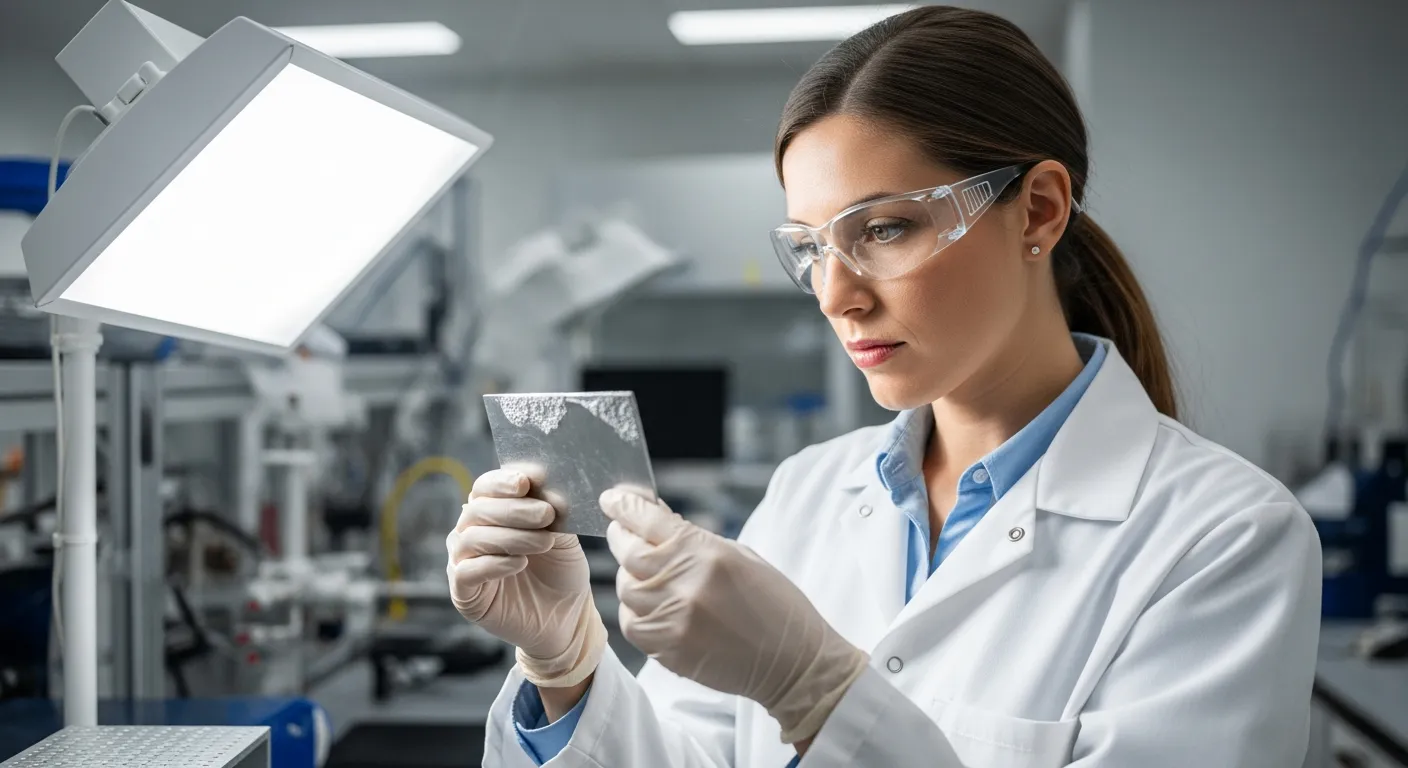
Consider the infrastructure of a city, where bridges and buildings are constantly exposed to the elements. Without effective polymer coatings, these structures would require frequent maintenance and repairs, leading to substantial financial burdens for taxpayers.
In the manufacturing sector, polymer coatings play a crucial role in ensuring product quality and reducing waste. By protecting products from damage during transportation and storage, these coatings help to minimize the number of defective items and improve overall efficiency.
Moreover, the development and application of polymer coatings create jobs and stimulate economic growth in related industries. From research and development to manufacturing and application, the polymer coatings sector provides employment opportunities for a diverse range of professionals.
Types of Polymer Coatings
There are numerous types of polymer coatings available, each with its own unique properties and suitability for different applications. Some of the most common types include acrylics, epoxies, polyurethanes, and fluoropolymers.
Acrylic coatings are known for their excellent weather resistance, UV stability, and color retention, making them ideal for outdoor applications such as automotive finishes and architectural coatings. Epoxy coatings, on the other hand, offer exceptional adhesion, chemical resistance, and mechanical strength, making them suitable for industrial applications such as floor coatings, pipelines, and marine coatings.
Polyurethane coatings are valued for their flexibility, abrasion resistance, and impact strength, making them a good choice for applications requiring durability and elasticity, such as furniture coatings, textile coatings, and flexible packaging. Fluoropolymer coatings, such as PTFE (Teflon), offer exceptional chemical resistance, non-stick properties, and high-temperature stability, making them ideal for applications in cookware, chemical processing equipment, and aerospace components.
In addition to these common types, there are also specialized polymer coatings such as silicones, alkyds, and vinyls, each offering specific advantages for niche applications. The selection of the appropriate polymer coating depends on the specific requirements of the application, including the desired properties, environmental conditions, and cost considerations.
Acrylics are generally cost-effective and easy to apply, making them a popular choice for general-purpose applications. However, they may not be as durable or chemical-resistant as other types of coatings.
Epoxies provide superior protection in harsh environments, but they can be more expensive and require careful surface preparation. Polyurethanes offer a good balance of properties, providing both durability and flexibility, but they may be susceptible to UV degradation over time.
Fluoropolymers are the most expensive option, but they offer unparalleled performance in extreme conditions, making them essential for specialized applications. Silicones are known for their heat resistance and flexibility, making them suitable for applications involving high temperatures or flexible substrates.
Alkyds are commonly used in paints and varnishes due to their good adhesion and gloss, while vinyls are often used in wall coverings and flooring due to their durability and water resistance. Understanding the specific properties of each type of polymer coating is crucial for selecting the right one for a particular application.
Application Methods for Polymer Coatings
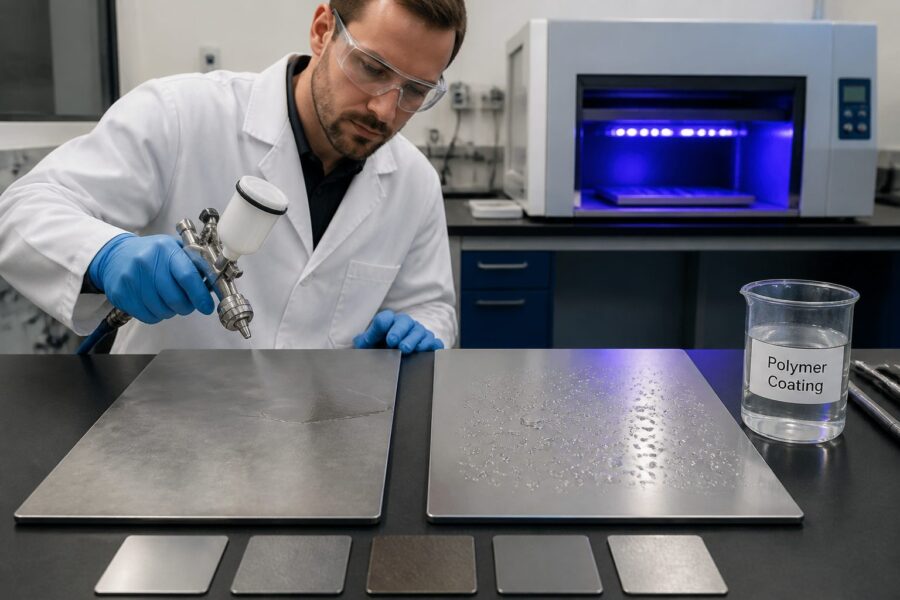
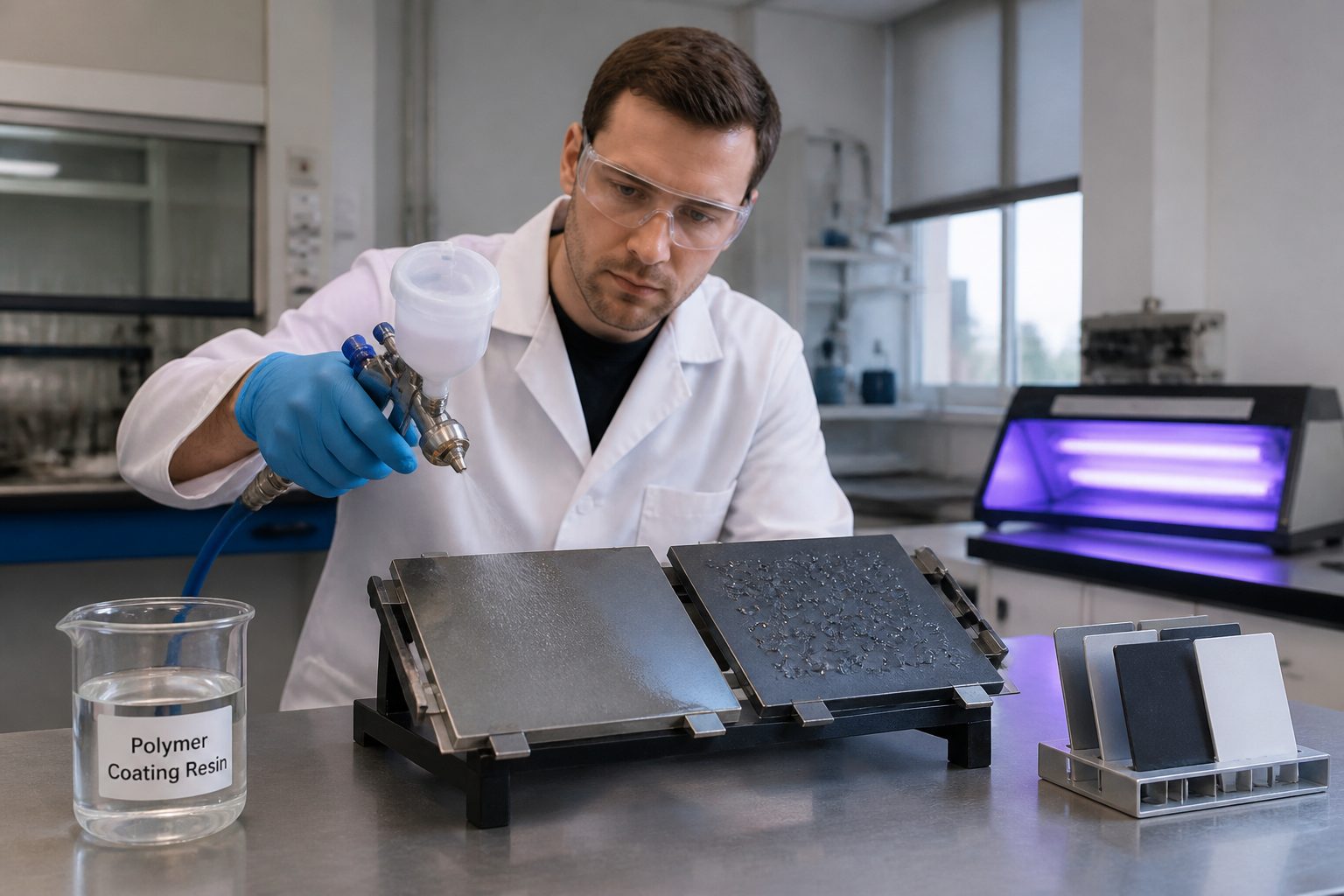
The method used to apply polymer coatings can significantly impact the final performance and appearance of the coating. Various application techniques are available, each with its own advantages and limitations.
Common application methods include spraying, brushing, rolling, dipping, and powder coating. Let’s explore some of these in more detail.
| Application Method | Description | Advantages | Disadvantages |
|---|---|---|---|
| Spraying | Atomizing the coating material and propelling it onto the surface. | Fast, efficient, suitable for complex shapes. | Can produce overspray, requires ventilation. |
| Brushing | Applying the coating with a brush. | Simple, low-cost, suitable for small areas. | Slow, can leave brush marks, limited to simple shapes. |
| Rolling | Applying the coating with a roller. | Faster than brushing, suitable for large flat surfaces. | Can leave roller marks, limited to simple shapes. |
| Dipping | Immersing the object in a coating bath. | Uniform coating, suitable for high-volume production. | Limited to objects that can be immersed, potential for drips. |
| Powder Coating | Applying a dry powder electrostatically and then curing it with heat. | Durable, solvent-free, environmentally friendly. | Requires specialized equipment, limited to heat-resistant materials. |
Spraying is a versatile method that can be used with a wide range of coating materials and substrates, but it requires careful control to minimize overspray and ensure uniform coverage. Brushing and rolling are simple, low-cost methods suitable for small areas and DIY projects, but they can be time-consuming and may not produce the same level of finish as other methods.
Dipping is ideal for coating small, intricate parts in large quantities, but it may not be suitable for large or complex objects. Powder coating offers excellent durability and environmental benefits, but it requires specialized equipment and is limited to materials that can withstand high temperatures.
The choice of application method also depends on the viscosity and solids content of the coating material. High-viscosity coatings may be difficult to spray or brush, while low-solids coatings may require multiple coats to achieve the desired thickness.
Surface preparation is another critical factor that can affect the performance of the coating. Proper cleaning, degreasing, and priming are essential for ensuring good adhesion and preventing premature failure.
In some cases, surface treatments such as sandblasting or chemical etching may be necessary to improve adhesion. The application environment also plays a role, as temperature, humidity, and air quality can affect the drying and curing process.
It is important to follow the manufacturer’s instructions carefully to ensure optimal results. Proper training and equipment are also essential for achieving a high-quality finish.
Properties of Effective Polymer Coatings
An effective polymer coating should possess a combination of properties that enable it to perform its intended function adequately. These properties can be broadly categorized into mechanical, chemical, and physical characteristics.
Mechanical properties include hardness, flexibility, abrasion resistance, and impact strength, which determine the coating’s ability to withstand physical stresses and wear. Chemical properties include resistance to solvents, acids, bases, and other chemicals, which dictate the coating’s ability to protect the underlying material from chemical attack.
Physical properties include adhesion, gloss, color retention, and weather resistance, which influence the coating’s appearance and long-term durability. Adhesion is a critical property, as it determines the coating’s ability to bond to the substrate and resist delamination or peeling.
Weather resistance is also important for outdoor applications, as it affects the coating’s ability to withstand UV radiation, moisture, and temperature changes without degrading or discoloring. Balancing these properties is crucial for achieving optimal performance and longevity in a given application, and careful consideration should be given to the specific requirements and environmental conditions.
Hardness is a measure of the coating’s resistance to indentation or scratching. A harder coating will be more resistant to abrasion and wear.
Flexibility is the coating’s ability to bend or deform without cracking or breaking. A flexible coating is important for applications where the substrate may be subject to bending or flexing.
Impact strength is the coating’s resistance to sudden impacts or blows. A high impact strength is important for applications where the coating may be subject to impact from objects or debris.
Chemical resistance is the coating’s ability to withstand exposure to various chemicals without degrading or dissolving. This is particularly important in industrial environments where coatings may be exposed to harsh chemicals.
Applications of Polymer Coatings Across Industries
Polymer coatings find extensive use across a wide range of industries, each with its own specific needs and requirements. The automotive industry relies heavily on polymer coatings for protecting car bodies from corrosion, scratches, and UV radiation, as well as for providing aesthetic appeal.
In the construction industry, polymer coatings are used to protect steel structures, concrete surfaces, and roofing materials from weathering, chemical attack, and abrasion. The packaging industry utilizes polymer coatings to enhance the barrier properties of packaging films, preventing moisture and oxygen from reaching the contents and extending shelf life.
- Automotive: Corrosion protection, aesthetic finishes
- Construction: Weatherproofing, structural protection
- Packaging: Barrier properties, food safety
- Aerospace: High-performance coatings for extreme conditions
- Healthcare: Antimicrobial coatings, biocompatibility
The aerospace industry employs high-performance polymer coatings to protect aircraft components from extreme temperatures, chemical exposure, and abrasion, ensuring safety and reliability. In the healthcare industry, polymer coatings are used to create antimicrobial surfaces on medical devices and equipment, reducing the risk of infection.
In the marine industry, polymer coatings are essential for protecting ships and offshore structures from corrosion caused by saltwater and marine organisms. The electronics industry uses polymer coatings to insulate electronic components, protect them from moisture and contaminants, and improve their performance.
The furniture industry utilizes polymer coatings to enhance the appearance and durability of furniture, protecting it from scratches, stains, and wear. The textile industry uses polymer coatings to improve the water resistance, stain resistance, and wrinkle resistance of fabrics.
The energy industry relies on polymer coatings to protect pipelines, storage tanks, and other infrastructure from corrosion and chemical attack. The applications of polymer coatings are vast and continue to expand as new technologies and materials are developed.
Functional Polymer Coatings: Beyond Protection
While protective and decorative coatings serve important purposes, functional polymer coatings take the technology a step further. These coatings are engineered to provide specific functionalities beyond basic protection and aesthetics.
Examples include self-healing coatings, which can repair themselves after being damaged, and self-cleaning coatings, which repel dirt and water. Conductive coatings are used in electronics to create conductive pathways or to shield devices from electromagnetic interference.
Antimicrobial coatings are increasingly used in healthcare settings to inhibit the growth of bacteria and viruses on surfaces, reducing the spread of infections. Anti-fog coatings are applied to lenses and windshields to prevent condensation and improve visibility.
The development of functional polymer coatings is a rapidly growing field, with new applications emerging constantly. These advanced coatings offer exciting possibilities for improving the performance, safety, and sustainability of a wide range of products and systems.
Self-healing coatings can extend the lifespan of products by automatically repairing minor scratches and damages, reducing the need for repairs or replacements. Self-cleaning coatings can reduce maintenance costs by keeping surfaces clean and free of dirt and grime.
Conductive coatings are essential for many electronic devices, enabling them to function properly. Antimicrobial coatings can help to prevent the spread of infections in hospitals, schools, and other public places.
Anti-fog coatings can improve safety in vehicles and other applications where clear visibility is essential. The possibilities for functional polymer coatings are endless, and ongoing research is focused on developing new and innovative applications.
The Role of Nanotechnology in Polymer Coatings
Nanotechnology plays a crucial role in enhancing the properties and performance of polymer coatings. By incorporating nanoparticles into polymer matrices, it is possible to create coatings with improved mechanical strength, scratch resistance, UV protection, and other desirable characteristics.
For example, adding nanoparticles of titanium dioxide (TiO2) to a polymer coating can significantly enhance its UV resistance, preventing degradation and discoloration caused by sunlight. Nanoparticles of silica (SiO2) can improve the hardness and abrasion resistance of a coating, making it more resistant to scratches and wear.
Furthermore, nanotechnology enables the creation of self-cleaning coatings by incorporating nanoparticles that create a hydrophobic surface, causing water to bead up and roll off, carrying away dirt and contaminants. The use of nanotechnology in polymer coatings is a rapidly evolving field, with ongoing research focused on developing new and innovative applications.
However, it is important to consider the potential environmental and health impacts of nanoparticles, ensuring that they are used safely and responsibly. Overall, nanotechnology offers tremendous potential for enhancing the properties and performance of polymer coatings, but careful consideration must be given to the risks and benefits.
Nanoparticles can also be used to create coatings with improved thermal stability, allowing them to withstand high temperatures without degrading. The incorporation of nanoparticles can also improve the barrier properties of polymer coatings, preventing the diffusion of gases and liquids through the coating.
Nanotechnology can also be used to create coatings with improved electrical conductivity, making them suitable for use in electronic devices. The use of nanotechnology in polymer coatings is a complex and multidisciplinary field, requiring expertise in chemistry, materials science, and engineering.
Ongoing research is focused on developing new and innovative nanoparticles with tailored properties for specific applications. The potential benefits of nanotechnology in polymer coatings are enormous, but it is important to proceed with caution and ensure that the technology is used safely and responsibly.
Environmental Considerations and Sustainable Polymer Coatings
Traditional polymer coatings often contain volatile organic compounds (VOCs) and other hazardous substances that can pose environmental and health risks. As a result, there is growing demand for more sustainable polymer coatings that minimize these risks.
Waterborne coatings, powder coatings, and high-solids coatings are examples of more environmentally friendly alternatives to traditional solvent-based coatings. Waterborne coatings use water as the primary solvent, reducing VOC emissions.
Powder coatings are applied as a dry powder and then cured with heat, eliminating the need for solvents altogether. High-solids coatings contain a higher proportion of solids and a lower proportion of solvents, reducing VOC emissions.
In addition to reducing VOC emissions, sustainable polymer coatings can also be made from renewable resources, such as plant-based oils and resins. These bio-based coatings offer a more sustainable alternative to traditional petroleum-based coatings, reducing our reliance on fossil fuels.
The use of sustainable polymer coatings can also reduce waste and improve energy efficiency. Powder coatings, for example, produce very little waste, as any overspray can be collected and reused.
Waterborne coatings can be applied at lower temperatures than solvent-based coatings, reducing energy consumption. The development of sustainable polymer coatings is a key priority for the coatings industry, and ongoing research is focused on developing new and innovative materials and processes.
Consumers are also increasingly demanding more sustainable products, which is driving the demand for sustainable polymer coatings. Governments are also implementing regulations to reduce VOC emissions and promote the use of sustainable materials.
Selecting the Right Polymer Coating
Choosing the right polymer coating for a specific application requires careful consideration of several factors. These include the substrate material, the desired properties, the environmental conditions, and the cost.
First, it’s important to consider the substrate material and its compatibility with the coating. Some coatings may adhere well to certain materials but not to others.
Next, think about the properties you need the coating to have, such as hardness, flexibility, chemical resistance, and weather resistance. Consider the environmental conditions the coating will be exposed to, including temperature, humidity, UV radiation, and chemical exposure.
Finally, factor in the cost of the coating, including the material cost, application cost, and expected lifespan. Evaluating these factors will help you narrow down your options and select the polymer coating that best meets your needs.
It’s also important to consider the application method and the equipment required. Some coatings may require specialized equipment or application techniques.
Consider the long-term performance and maintenance requirements of the coating. Some coatings may require more frequent maintenance or repairs than others.
Consult with coating suppliers or experts to get recommendations and advice. They can help you assess your needs and select the best coating for your application.
Always test the coating on a small area before applying it to the entire surface. This will help you ensure that the coating adheres properly and provides the desired properties.
Conclusion
Polymer coatings are indispensable materials that provide protection, aesthetic enhancement, and functional properties to a wide range of products and surfaces. Understanding the different types of polymer coatings, their application methods, key properties, and applications is essential for making informed decisions and selecting the right coating for a specific purpose.
As technology advances, new and innovative polymer coatings are constantly being developed, offering improved performance, sustainability, and functionality. By staying informed about the latest developments in polymer coating technology, engineers, manufacturers, and consumers can harness the full potential of these versatile materials.
The future of polymer coatings lies in the development of more sustainable, functional, and high-performance materials. Nanotechnology, bio-based materials, and self-healing technologies are just a few of the areas that are driving innovation in the field.
By embracing these advancements, we can create a world where products last longer, perform better, and have a minimal impact on the environment. Polymer coatings will continue to play a vital role in shaping the future of materials science and engineering.