
Adhesive bonding has become an increasingly important method for joining materials in a wide range of industries. From aerospace to automotive, and even in everyday household applications, adhesive bonding techniques offer a versatile and efficient alternative to traditional joining methods like welding, riveting, or screwing.
This comprehensive guide will explore the various aspects of adhesive bonding, providing a thorough understanding of its principles, applications, and best practices. We will cover everything from the different types of adhesives available to the critical steps involved in surface preparation, application, and curing.
Whether you are an engineer looking to optimize your manufacturing processes or a DIY enthusiast seeking to improve your bonding skills, this article will equip you with the knowledge you need to achieve strong, durable, and reliable adhesive bonds. Understanding the nuances of adhesive joining can significantly enhance the performance and longevity of your products and projects.
What is Adhesive Bonding?
Adhesive bonding is a process of joining two or more materials together using an adhesive substance. This method relies on the adhesive’s ability to create a strong bond between the surfaces, distributing stress and providing structural integrity.
Unlike mechanical fasteners that concentrate stress at specific points, adhesive bonding distributes the load more evenly across the bonded area. This can lead to improved fatigue resistance and overall structural performance, especially in applications where weight reduction is a priority.
The effectiveness of adhesive bonding depends on several factors, including the type of adhesive used, the materials being bonded, the surface preparation techniques employed, and the environmental conditions. Proper selection and application of adhesives are crucial for achieving a reliable and long-lasting bond.
Adhesive bonding offers several advantages over traditional joining methods, such as the ability to join dissimilar materials, reduce stress concentrations, and improve aesthetics by eliminating visible fasteners. However, it also has limitations, including the need for careful surface preparation and the potential for degradation in certain environments.
Types of Adhesives
Adhesives are broadly classified into two main categories: structural and non-structural. Structural adhesives are designed to bear significant loads and provide long-term durability, while non-structural adhesives are typically used for less demanding applications where strength is not the primary concern.
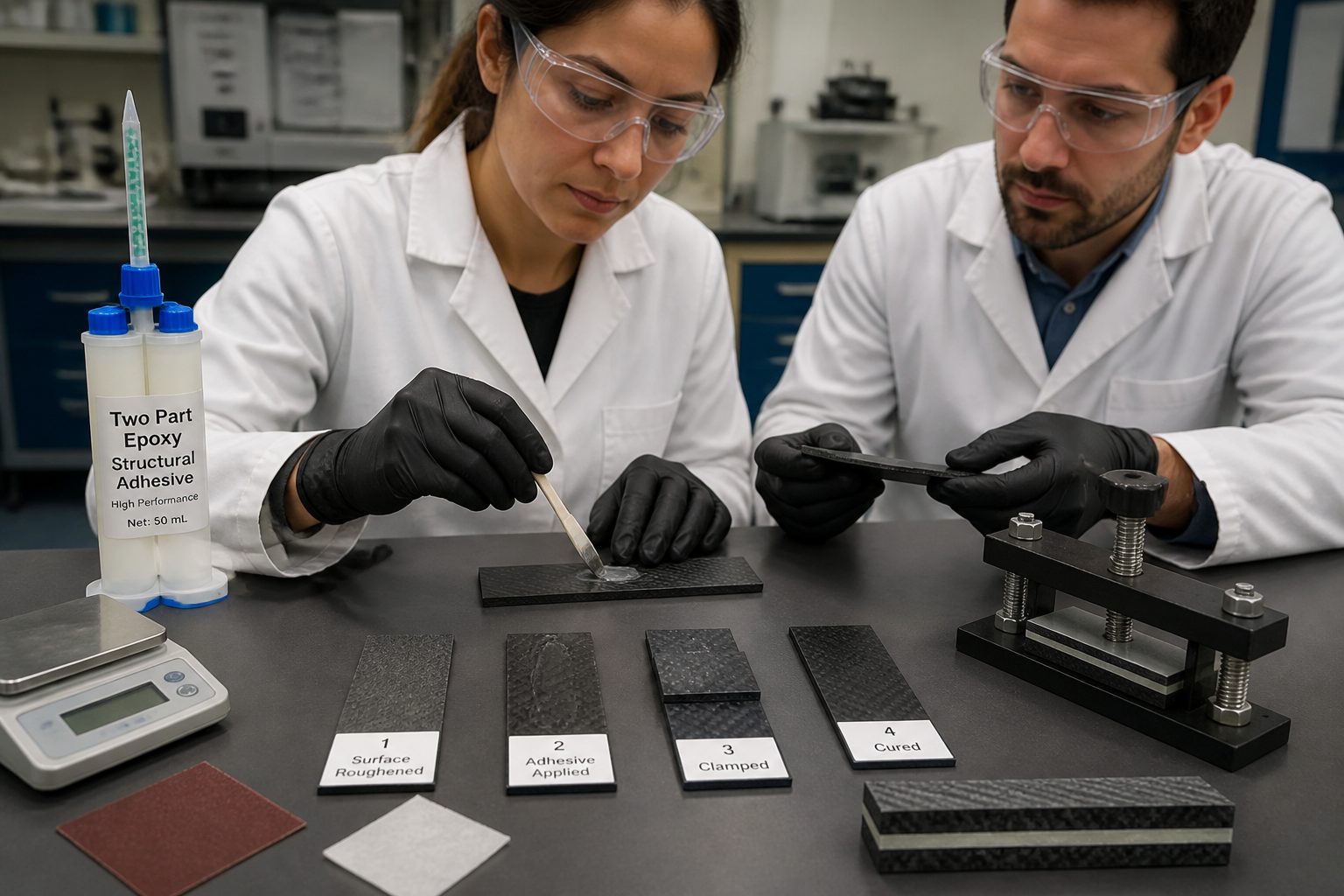
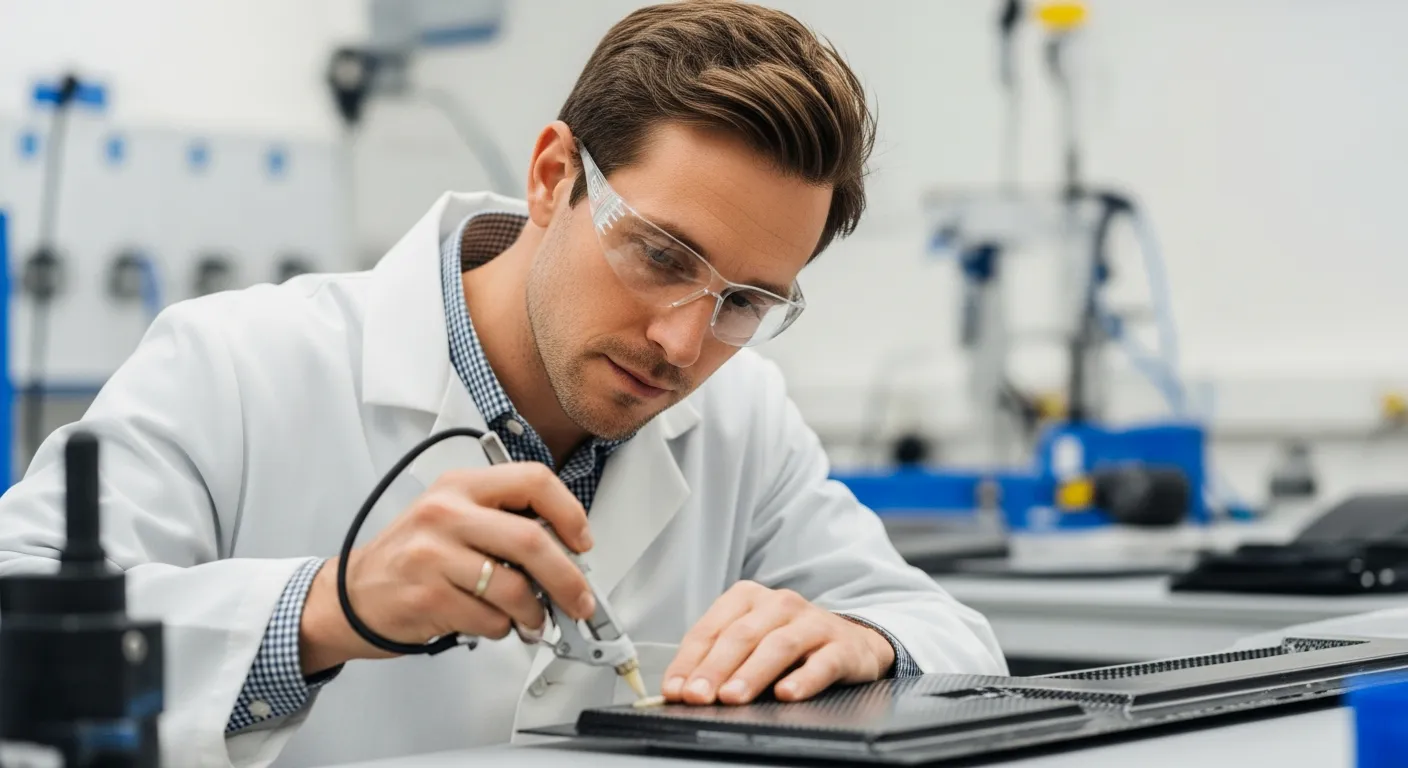
Within these categories, there are several different types of adhesives, each with its own unique properties and applications. Understanding these differences is essential for selecting the right adhesive for a specific bonding task, ensuring optimal performance and reliability.
Epoxy adhesives are known for their high strength, excellent chemical resistance, and good adhesion to a wide range of materials. They are commonly used in aerospace, automotive, and construction applications where structural integrity is paramount.
Acrylic adhesives offer faster curing times and better impact resistance than epoxies, making them suitable for high-speed assembly processes. They also exhibit good adhesion to plastics and metals, making them versatile for various industrial applications.
Polyurethane adhesives are flexible and offer good vibration damping, making them ideal for applications where movement or shock absorption is required. They are often used in the automotive industry for bonding glass and body panels.
Cyanoacrylate adhesives, also known as “super glues,” are fast-curing, single-component adhesives that provide strong bonds on small surfaces. They are commonly used in electronics assembly and for quick repairs in household applications.
Comparing Common Adhesive Types
Selecting the right adhesive for your project depends heavily on the materials you’re joining and the demands of the application. Each type of adhesive offers a unique set of strengths and weaknesses.
Consider factors like bond strength, curing time, environmental resistance, and application method when making your choice. A well-informed decision ensures a durable and reliable bond.
| Adhesive Type | Key Features | Typical Applications | Advantages | Limitations |
|---|---|---|---|---|
| Epoxy | High strength, chemical resistance | Aerospace, automotive, construction | Excellent bond strength, durable | Longer curing time, requires mixing |
| Acrylic | Fast curing, impact resistance | High-speed assembly, plastics bonding | Quick setting, good adhesion to plastics | Lower strength than epoxy, odor |
| Polyurethane | Flexible, vibration damping | Automotive, glass bonding | Good flexibility, vibration absorption | Moisture sensitive, lower temperature resistance |
| Cyanoacrylate | Fast curing, single-component | Electronics, quick repairs | Very fast setting, easy to apply | Low strength, poor impact resistance |
| Silicone | Flexible, temperature resistance | Sealing, gasketing, electronics | Excellent temperature resistance, flexible | Low strength, difficult to bond |
Surface Preparation for Adhesive Bonding
Surface preparation is a critical step in adhesive bonding, as it directly affects the strength and durability of the bond. Proper surface preparation ensures that the adhesive can effectively wet and adhere to the substrate material.
The primary goals of surface preparation are to remove contaminants, increase the surface area for bonding, and improve the surface energy of the substrate. These steps promote better adhesion and a stronger, more reliable joint.
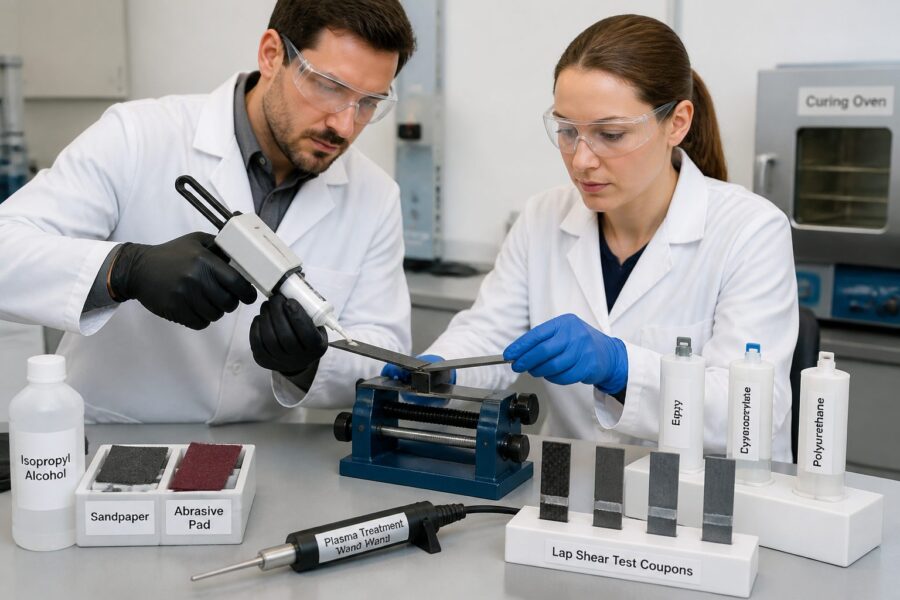
Cleaning is essential for removing dirt, grease, oil, and other contaminants that can interfere with adhesion. Solvents like isopropyl alcohol or acetone are commonly used to degrease surfaces, but it’s important to choose a solvent that is compatible with the substrate material.
Abrasion, such as sanding or grit blasting, increases the surface area and creates a mechanical key for the adhesive to grip. The roughness of the surface should be controlled to avoid creating stress concentrations or damaging the substrate.
Chemical treatments, such as etching or anodizing, can alter the surface chemistry of the substrate, improving its surface energy and promoting better adhesion. These treatments are often used on metals like aluminum and titanium to enhance bond strength and corrosion resistance.
Primers can be applied to the surface after cleaning and abrasion to further enhance adhesion and protect the bond from environmental degradation. Primers provide a chemical bridge between the substrate and the adhesive, improving bond durability and resistance to moisture and temperature changes.
Applying Adhesives Effectively
The method of applying the adhesive is another critical factor in achieving a strong and durable bond. The adhesive must be applied evenly and in the correct thickness to ensure proper wetting and contact with the substrate surfaces.
Different application methods are suitable for different types of adhesives and bonding scenarios. The choice of application method depends on factors such as the viscosity of the adhesive, the size and shape of the bonding area, and the desired production rate.
Manual application methods, such as using a brush, roller, or spatula, are suitable for small-scale bonding operations and for applying adhesives to complex shapes. These methods require skill and attention to ensure even coverage and avoid air entrapment.
Automated dispensing systems, such as robotic dispensing or screen printing, are used for high-volume production and for applying adhesives with precise control. These systems can improve efficiency, reduce waste, and ensure consistent bond quality.
Film adhesives are pre-cured adhesive layers that are applied to the substrate and then activated by heat and pressure. They offer uniform thickness and are suitable for bonding large, flat surfaces in aerospace and automotive applications.
Regardless of the application method, it’s important to follow the manufacturer’s instructions regarding adhesive thickness, open time, and working time. These parameters affect the wetting, flow, and bonding characteristics of the adhesive.
Ensuring Proper Adhesive Application
Achieving a strong and reliable adhesive bond requires careful attention to the application process. Consistency and precision are key to maximizing the adhesive’s potential.
By following best practices and understanding the nuances of each application method, you can significantly improve the quality and longevity of your bonded joints. This attention to detail translates to enhanced performance and reduced risk of failure.
- Use the correct applicator for the adhesive type
- Apply adhesive in a consistent, even layer
- Avoid air entrapment during application
- Adhere to the recommended open and working times
- Ensure proper alignment of bonded parts
- Use appropriate clamping or fixturing during curing
Curing and Setting Processes
Curing is the process by which an adhesive hardens and develops its full strength. The curing process involves chemical reactions that cross-link the adhesive molecules, forming a solid network structure.
Different adhesives require different curing methods, depending on their chemical composition and application requirements. Understanding the curing process is essential for achieving optimal bond strength and durability.
Room temperature curing adhesives, such as cyanoacrylates and some epoxies, cure at ambient temperatures without the need for external heat. These adhesives are convenient for many applications, but they may have longer curing times and lower ultimate strength compared to heat-cured adhesives.
Heat-cured adhesives, such as many epoxies and acrylics, require elevated temperatures to initiate and accelerate the curing process. Heat curing can significantly reduce curing times and improve bond strength, but it requires specialized equipment and careful temperature control.
Moisture-cured adhesives, such as polyurethanes and silicones, cure by reacting with moisture in the air. These adhesives are often used in sealing and gasketing applications where exposure to humidity is unavoidable.
UV-cured adhesives cure when exposed to ultraviolet light. They are commonly used in electronics assembly and medical device manufacturing for their fast curing times and precise control.
Optimizing the Curing Process
Achieving a fully cured adhesive bond is essential for maximizing its strength and durability. Factors such as temperature, humidity, and exposure time play crucial roles in the curing process.
By carefully controlling these parameters, you can ensure that the adhesive reaches its full potential, resulting in a reliable and long-lasting bond. Proper curing is an investment in the overall quality and performance of your bonded assembly.
For heat-cured adhesives, maintaining the recommended temperature profile is critical. Use calibrated ovens or heating blankets to ensure uniform heating and avoid overheating, which can degrade the adhesive.
For moisture-cured adhesives, ensure adequate ventilation to allow moisture to reach the adhesive. In dry environments, consider using humidifiers to increase the humidity level and accelerate curing.
For UV-cured adhesives, use the correct wavelength and intensity of UV light. Ensure that the light reaches all areas of the bond and that the exposure time is sufficient to achieve full cure.
Always follow the adhesive manufacturer’s recommendations for curing conditions and times. Deviations from these recommendations can compromise the bond strength and durability.
Advantages and Limitations of Adhesive Bonding
Adhesive bonding offers numerous advantages over traditional joining methods, making it a popular choice in many industries. These advantages include the ability to join dissimilar materials, distribute stress evenly, and reduce weight.
However, adhesive bonding also has limitations that must be considered when selecting a joining method. These limitations include the need for careful surface preparation, the potential for environmental degradation, and the difficulty of disassembling bonded joints.
One of the key advantages of adhesive bonding is its ability to join dissimilar materials, such as metals, plastics, and composites. Traditional joining methods like welding are often unsuitable for these materials due to differences in melting points and thermal expansion coefficients.
Adhesive bonding distributes stress more evenly across the bonded area compared to mechanical fasteners, which concentrate stress at specific points. This can improve fatigue resistance and reduce the risk of failure under cyclic loading.
Adhesive bonding can reduce weight by eliminating the need for heavy fasteners and by allowing the use of thinner, lighter materials. This is particularly important in aerospace and automotive applications where weight reduction can improve fuel efficiency and performance.
However, adhesive bonds can be susceptible to degradation in certain environments, such as high temperatures, humidity, or exposure to chemicals. Proper selection of adhesives and surface treatments is essential for ensuring long-term durability in these conditions.
Addressing the Challenges of Adhesive Bonding
While adhesive bonding offers significant advantages, it’s important to acknowledge and address its inherent challenges. Overcoming these limitations is key to unlocking the full potential of this versatile joining method.
By understanding the potential pitfalls and implementing appropriate mitigation strategies, you can ensure that your adhesive bonds are strong, durable, and reliable. This proactive approach minimizes the risk of failure and maximizes the benefits of adhesive joining.
Careful surface preparation is crucial to ensure proper adhesion. Develop and follow standardized procedures for cleaning, abrasion, and chemical treatment to remove contaminants and create a suitable bonding surface.
Select adhesives that are compatible with the materials being bonded and that can withstand the expected environmental conditions. Consider factors such as temperature, humidity, chemical exposure, and UV radiation when choosing an adhesive.
Implement quality control measures to monitor the bonding process and ensure that adhesives are applied correctly and cured properly. Use non-destructive testing methods to verify bond integrity and detect any defects.
Design bonded joints to minimize stress concentrations and maximize the bonded area. Use finite element analysis (FEA) to optimize joint geometry and predict stress distributions under load.
Conclusion
Adhesive bonding techniques represent a powerful and versatile approach to joining materials, offering numerous advantages over traditional methods. From improved stress distribution to the ability to bond dissimilar materials, adhesive bonding has become indispensable in various industries.
By understanding the different types of adhesives, mastering surface preparation techniques, and optimizing the curing process, you can achieve strong, durable, and reliable bonds. As technology advances, adhesive bonding will continue to evolve and find new applications in innovative designs and manufacturing processes.