
In an era defined by environmental consciousness, the development and utilization of sustainable materials have become paramount. Among these, biodegradable polymers stand out as a promising alternative to conventional plastics, offering a pathway towards reducing plastic waste and mitigating its harmful effects on the environment.
This article explores the fascinating world of biodegradable polymers, examining their synthesis, properties, applications, and the challenges associated with their widespread adoption. Understanding the nuances of biodegradable polymer synthesis is crucial for creating materials that not only perform well but also break down naturally after their intended use.
Let’s consider how these materials can contribute to a more sustainable future. By focusing on advancements in biodegradable polymer synthesis, we can pave the way for innovative solutions that address the pressing environmental concerns related to plastic pollution.
The Need for Biodegradable Polymers
The pervasive use of conventional plastics has led to significant environmental problems, including pollution of oceans, landfills, and natural habitats. Traditional plastics, derived from petroleum, persist in the environment for hundreds or even thousands of years, leading to accumulation and detrimental effects on ecosystems.
The urgent need for sustainable alternatives has driven research and development in the field of biodegradable polymers. These materials offer a solution by breaking down into natural substances, such as water, carbon dioxide, and biomass, through the action of microorganisms.
The shift towards biodegradable polymers is not merely an academic exercise; it represents a fundamental change in how we approach material science and waste management. By embracing these innovative materials, we can reduce our reliance on fossil fuels and minimize the ecological footprint associated with plastic production and disposal.
Furthermore, the adoption of biodegradable polymers aligns with the principles of a circular economy, where materials are designed to be reused or returned to the environment safely. This approach is essential for creating a more sustainable and resilient future.
The environmental consequences of plastic pollution are far-reaching, affecting marine life, soil quality, and even human health. Microplastics, tiny fragments of plastic debris, are ingested by marine animals, entering the food chain and potentially posing risks to human consumers.
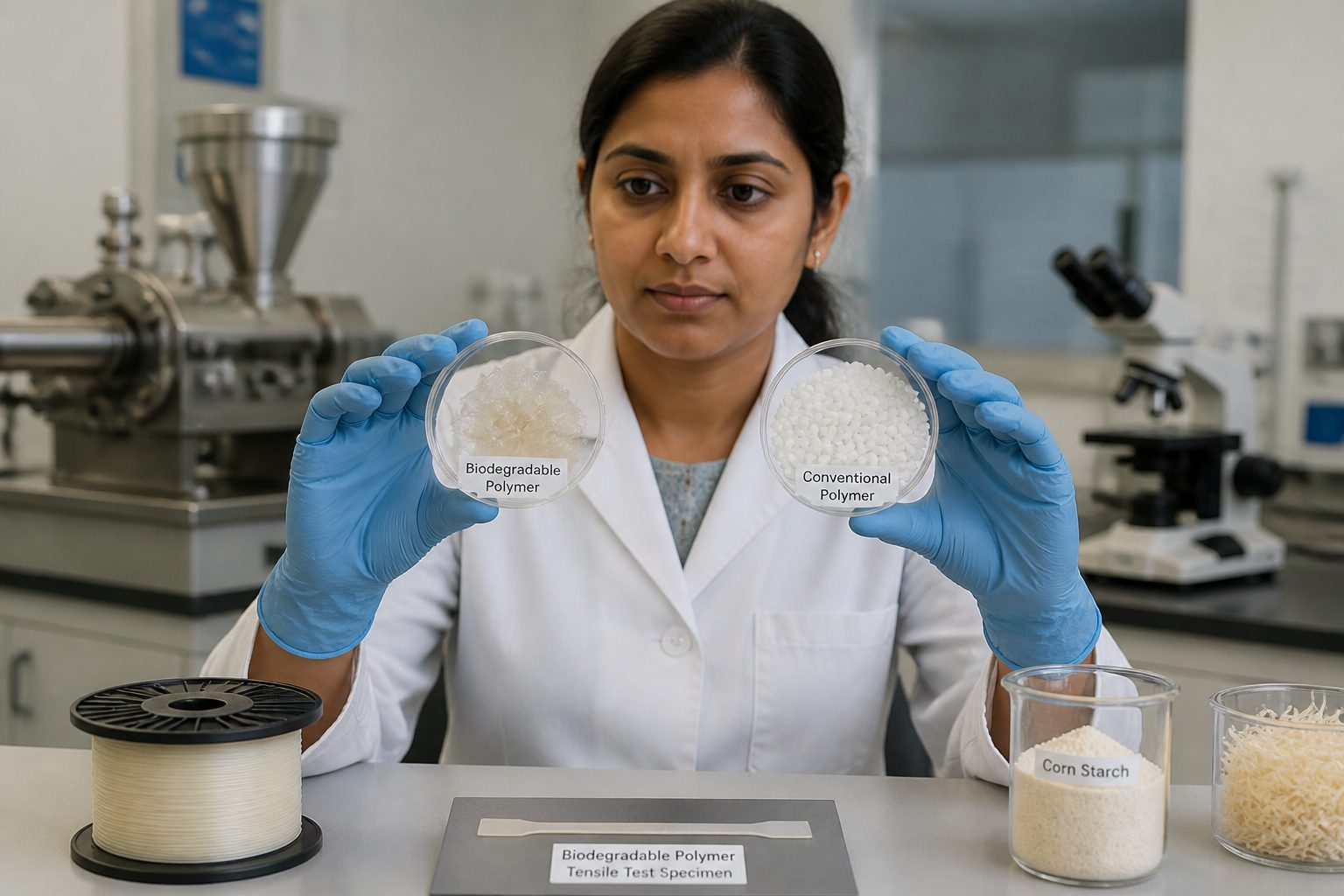

Landfills are overflowing with plastic waste, contributing to soil and water contamination. The sheer volume of plastic waste generated globally underscores the urgency of finding viable alternatives.
Biodegradable polymers offer a pathway to mitigate these environmental problems by providing materials that can decompose naturally. This decomposition process reduces the accumulation of plastic waste and minimizes its long-term impact on the environment.
The development and adoption of biodegradable polymers are crucial for achieving a more sustainable and environmentally responsible approach to material usage. By transitioning to these materials, we can protect our planet and ensure a healthier future for generations to come.
Types of Biodegradable Polymers
Biodegradable polymers encompass a wide range of materials derived from both natural and synthetic sources. These polymers are categorized based on their origin, chemical structure, and biodegradation mechanism.
Understanding the different types of biodegradable polymers is crucial for selecting the appropriate material for a specific application. Each type possesses unique properties that influence its performance, biodegradability, and overall suitability for various uses.
One prominent category consists of naturally derived polymers, such as starch-based polymers, cellulose, and chitosan. Starch-based polymers are particularly attractive due to their abundance, low cost, and ease of processing, making them suitable for packaging and agricultural applications.
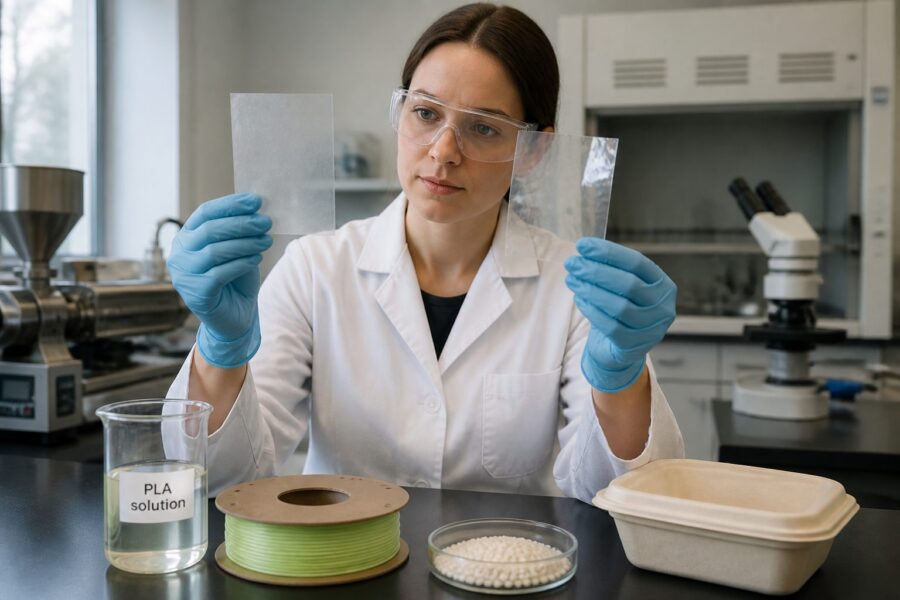
Another significant class includes synthetic biodegradable polymers, such as polylactic acid (PLA), polyhydroxyalkanoates (PHA), and polycaprolactone (PCL). PLA, derived from renewable resources like corn starch or sugarcane, has gained popularity in packaging, textiles, and biomedical applications due to its good mechanical properties and biocompatibility.
Cellulose, the main structural component of plant cell walls, is another abundant natural polymer. It can be modified chemically to produce biodegradable films, fibers, and coatings.
Chitosan, derived from chitin found in crustacean shells, exhibits antimicrobial properties and is used in food packaging and biomedical applications. These naturally derived polymers offer sustainable alternatives to petroleum-based plastics.
Among synthetic biodegradable polymers, PCL is known for its flexibility and biodegradability in various environments. It’s often used in biomedical applications, such as drug delivery systems and tissue engineering scaffolds.
The diverse range of biodegradable polymers allows for tailored solutions to address specific application needs. Selecting the right type of biodegradable polymer is essential for optimizing performance and ensuring environmental compatibility.
Synthesis of Biodegradable Polymers
The synthesis of biodegradable polymers involves various chemical and biological processes, each tailored to produce materials with specific properties and characteristics. Understanding these synthesis methods is essential for controlling the polymer’s molecular weight, structure, and ultimately, its biodegradability.
The choice of synthesis method depends on the type of biodegradable polymer being produced, as well as the desired end-use application. For example, the synthesis of PLA typically involves ring-opening polymerization of lactide monomers, while PHA production relies on bacterial fermentation processes.
| Polymer Type | Synthesis Method | Key Features |
|---|---|---|
| PLA | Ring-opening polymerization of lactide | Good mechanical properties, biocompatible |
| PHA | Bacterial fermentation | Biodegradable in various environments, versatile |
| Starch-based polymers | Grafting, blending, or cross-linking | Low cost, abundant, easily processable |
| Cellulose-based polymers | Chemical modification of cellulose | Renewable, biodegradable, film-forming |
Ring-opening polymerization (ROP) is a versatile technique for synthesizing various biodegradable polymers, including PLA, PCL, and polyglycolic acid (PGA). This method involves the ring-opening of cyclic monomers, such as lactide or caprolactone, to form linear polymer chains.
Bacterial fermentation is a biological process used to produce PHAs, which are polyesters synthesized by microorganisms. The bacteria are cultivated under specific conditions to accumulate PHA granules within their cells.
Chemical modification of natural polymers, such as cellulose and starch, can enhance their properties and processability. These modifications can involve esterification, etherification, or cross-linking reactions.
The synthesis methods employed for biodegradable polymers are continuously being refined to improve efficiency, reduce costs, and enhance material properties. Advances in catalysis, fermentation technology, and chemical modification are driving innovation in this field.
PLA: A Promising Biodegradable Polymer
Polylactic acid, commonly known as PLA, is a biodegradable and compostable polymer derived from renewable resources. Its synthesis involves the polymerization of lactic acid, which can be produced from the fermentation of sugars like glucose or corn starch.
PLA has garnered significant attention as a sustainable alternative to conventional petroleum-based plastics. Its versatility, combined with its biodegradability, makes it suitable for a wide range of applications.
The synthesis of PLA typically begins with the production of lactic acid through bacterial fermentation. This lactic acid is then converted into lactide, a cyclic dimer, which undergoes ring-opening polymerization to form PLA.
The properties of PLA can be tailored by controlling the polymerization conditions and the ratio of L- and D-lactide isomers. High molecular weight PLA exhibits good mechanical strength and thermal stability, making it suitable for packaging, fibers, and even some engineering applications.
PLA’s biodegradability depends on environmental conditions, such as temperature and humidity. It typically degrades in industrial composting facilities where temperatures are high enough to facilitate the breakdown process.
While PLA offers numerous advantages, it also has some limitations, including its relatively low heat resistance and brittleness. Researchers are actively working to improve PLA’s properties through blending, copolymerization, and the addition of reinforcing agents.
PLA is used in a wide array of applications, including food packaging, disposable tableware, textiles, and biomedical implants. Its versatility and biodegradability make it a promising material for replacing conventional plastics in many sectors.
The increasing demand for sustainable materials is driving the growth of the PLA market. As production costs decrease and material properties improve, PLA is expected to play an increasingly important role in reducing plastic waste and promoting a circular economy.
PHA: A Biodegradable Polymer from Bacteria
Polyhydroxyalkanoates, or PHAs, are a family of biodegradable polymers synthesized by microorganisms, including bacteria, as energy storage materials. These polymers are accumulated within the microbial cells and can be extracted for various applications.
PHA production offers a sustainable route to biodegradable plastics, as it utilizes renewable resources and reduces reliance on fossil fuels. The properties of PHAs can be tailored by selecting different microorganisms and substrates, leading to a diverse range of materials with varying mechanical and thermal characteristics.
The bacterial synthesis of PHA involves cultivating microorganisms under specific conditions, such as nutrient limitation or excess carbon source. These conditions trigger the accumulation of PHA within the cells.
After the fermentation process, the PHA is extracted from the microbial cells using solvents or mechanical disruption methods. The extracted PHA can then be processed into films, fibers, or molded products for various applications, including packaging, agriculture, and biomedical devices.
PHAs are biodegradable in a wide range of environments, including soil, seawater, and compost. This versatility makes them suitable for applications where rapid degradation is desired.
The properties of PHAs can be fine-tuned by controlling the type of monomer incorporated into the polymer chain. Different monomers result in PHAs with varying mechanical strength, flexibility, and degradation rates.
PHA production can utilize a variety of renewable feedstocks, including sugars, vegetable oils, and even waste materials. This makes PHA production a sustainable and environmentally friendly process.
The cost of PHA production remains a challenge, but ongoing research is focused on developing more efficient fermentation and extraction methods. As production costs decrease, PHA is expected to become more competitive with conventional plastics.
Starch-Based Polymers: A Cost-Effective Solution
Starch-based polymers represent a cost-effective and readily available class of biodegradable materials derived from plant sources. Starch, a polysaccharide composed of glucose units, is abundant in various crops, including corn, potatoes, and rice.
The use of starch as a raw material for polymer production offers several advantages, including low cost, renewability, and biodegradability. However, native starch often exhibits poor mechanical properties and high water sensitivity, limiting its direct use in many applications.
To overcome these limitations, starch is typically modified through various techniques, such as grafting, blending, or cross-linking. Grafting involves attaching synthetic polymer chains to the starch backbone, improving its mechanical strength and water resistance.
Blending starch with other biodegradable polymers, such as PLA or PCL, can also enhance its properties and processability. Cross-linking involves creating chemical bonds between starch molecules, increasing its structural integrity and reducing its water solubility.
Thermoplastic starch (TPS) is a modified form of starch that can be processed using conventional plastic processing techniques. TPS is produced by mixing starch with plasticizers, such as glycerol or water, and heating the mixture to disrupt the starch granules.
Starch-based polymers are used in a variety of applications, including packaging, agricultural films, and disposable tableware. Their low cost and biodegradability make them attractive for single-use applications.
The water sensitivity of starch-based polymers remains a challenge, but researchers are developing new modification techniques to improve their water resistance. These techniques include the use of hydrophobic additives and the development of novel cross-linking agents.
Starch-based polymers offer a sustainable and cost-effective alternative to conventional plastics in many applications. As technology advances, their properties are expected to improve, further expanding their use in various sectors.
Factors Affecting Biodegradation Rate
The rate at which a biodegradable polymer breaks down in the environment is influenced by a variety of factors, including the polymer’s chemical structure, molecular weight, and crystallinity. Environmental conditions, such as temperature, humidity, and the presence of microorganisms, also play a significant role.
Understanding these factors is crucial for designing biodegradable polymers that degrade at a predictable rate and under specific environmental conditions. This knowledge is essential for ensuring that these materials effectively reduce plastic waste and minimize their environmental impact.
The chemical structure of a biodegradable polymer determines its susceptibility to enzymatic or hydrolytic degradation. Polymers with readily hydrolyzable bonds, such as ester or amide linkages, tend to degrade faster than those with more stable bonds.
Higher molecular weight polymers generally degrade more slowly than lower molecular weight polymers due to their increased chain entanglement and reduced surface area. Crystalline regions within a polymer matrix are also more resistant to degradation than amorphous regions.
Temperature plays a crucial role in biodegradation, as microbial activity and enzymatic reactions are temperature-dependent. Higher temperatures generally accelerate biodegradation, while lower temperatures slow it down.
Humidity is also an important factor, as water is essential for hydrolysis and microbial growth. Sufficient moisture levels are necessary for microorganisms to break down the polymer chains.
The presence of microorganisms, such as bacteria and fungi, is essential for biodegradation. These microorganisms secrete enzymes that break down the polymer chains into smaller molecules, which they can then consume.
The pH of the environment can also affect biodegradation, as some enzymes are more active at specific pH levels. Understanding these factors is crucial for designing biodegradable polymers that degrade effectively in the intended environment.
Applications of Biodegradable Polymers
Biodegradable polymers have found diverse applications across various industries, ranging from packaging and agriculture to biomedical and consumer goods. Their ability to degrade naturally after use makes them an attractive alternative to conventional plastics in many applications.
The use of biodegradable polymers is particularly appealing in single-use applications, where the material is discarded shortly after its intended purpose. This helps to reduce the accumulation of plastic waste in landfills and natural environments.
In the packaging industry, biodegradable polymers like PLA and starch-based materials are used to produce food containers, films, and cushioning materials. These biodegradable packaging materials offer a sustainable alternative to traditional plastic packaging, reducing the environmental impact of food and product distribution.
In agriculture, biodegradable polymers are used to create mulch films, controlled-release fertilizers, and plant pots. These biodegradable agricultural products break down in the soil, eliminating the need for removal and disposal, and reducing the environmental burden associated with conventional plastic agricultural films.
In the biomedical field, biodegradable polymers are used to create sutures, drug delivery systems, and tissue engineering scaffolds. These materials degrade safely within the body, eliminating the need for surgical removal.
Biodegradable polymers are also finding applications in consumer goods, such as disposable diapers, compostable bags, and personal care products. These applications offer consumers a more sustainable alternative to conventional plastic products.
The increasing demand for sustainable materials is driving innovation in the development of new applications for biodegradable polymers. As material properties improve and production costs decrease, biodegradable polymers are expected to play an increasingly important role in various industries.
The versatility of biodegradable polymers allows for tailored solutions to address specific application needs. Selecting the right type of biodegradable polymer is essential for optimizing performance and ensuring environmental compatibility in each application.
Advantages of Biodegradable Polymers
Biodegradable polymers offer several advantages over traditional plastics, making them a more sustainable and environmentally friendly choice. These advantages include reduced reliance on fossil fuels, lower greenhouse gas emissions, and decreased accumulation of plastic waste.
By utilizing renewable resources and breaking down naturally after use, biodegradable polymers contribute to a more circular and sustainable economy. This helps minimize our environmental footprint and promotes responsible resource management.
- Reduced plastic waste in landfills and oceans
- Lower carbon footprint compared to conventional plastics
- Utilization of renewable resources
- Decreased dependence on fossil fuels
- Potential for composting and soil enrichment
The reduced accumulation of plastic waste is a significant advantage of biodegradable polymers. Traditional plastics can persist in the environment for hundreds or thousands of years, contributing to pollution and harming wildlife.
Biodegradable polymers, on the other hand, break down into natural substances, reducing the long-term impact on the environment. The lower carbon footprint of biodegradable polymers is another key advantage.
The production of conventional plastics relies heavily on fossil fuels, which contribute to greenhouse gas emissions. Biodegradable polymers can be derived from renewable resources, such as corn starch or sugarcane, reducing the dependence on fossil fuels and lowering the carbon footprint.
The potential for composting and soil enrichment is another benefit of biodegradable polymers. Some biodegradable polymers can be composted, breaking down into nutrient-rich compost that can be used to improve soil quality.
Challenges in Biodegradable Polymer Development
Despite their numerous advantages, biodegradable polymers face several challenges that hinder their widespread adoption. These challenges include higher production costs, limited mechanical properties, and specific degradation requirements.
Addressing these challenges is crucial for unlocking the full potential of biodegradable polymers and accelerating their integration into various industries. Overcoming these hurdles requires ongoing research and development efforts focused on improving material properties, reducing production costs, and enhancing biodegradation rates.
The higher production costs of biodegradable polymers compared to conventional plastics often limit their competitiveness in the market. Developing more efficient and cost-effective synthesis methods is essential for making biodegradable polymers more accessible to consumers and businesses.
The mechanical properties of some biodegradable polymers, such as PLA and starch-based materials, may not meet the requirements of certain applications. Improving the mechanical strength, flexibility, and durability of biodegradable polymers is necessary for expanding their use in demanding applications.
The specific degradation requirements of some biodegradable polymers can also be a challenge. Some biodegradable polymers require specific environmental conditions, such as high temperatures or the presence of specific microorganisms, to degrade effectively.
Ensuring that biodegradable polymers degrade properly in real-world conditions is essential for realizing their environmental benefits. Another challenge is the lack of standardized testing methods for biodegradability.
Developing standardized testing methods would help to ensure that biodegradable polymers meet specific degradation requirements. Overcoming these challenges requires a collaborative effort involving researchers, industry, and policymakers.
By addressing these challenges, we can unlock the full potential of biodegradable polymers and accelerate the transition towards a more sustainable and circular economy. This transition will require continued investment in research and development, as well as supportive policies and regulations.
Future Trends in Biodegradable Polymers
The field of biodegradable polymers is constantly evolving, with ongoing research and development efforts focused on improving material properties, reducing production costs, and expanding their applications. Several promising trends are shaping the future of biodegradable polymers, including the development of novel synthesis methods, the exploration of new renewable resources, and the creation of advanced composite materials.
These advancements hold the potential to overcome current limitations and unlock new opportunities for biodegradable polymers in various industries. By investing in research and innovation, we can accelerate the transition towards a more sustainable and circular economy.
One exciting trend is the development of bio-based monomers and polymers derived from non-food sources, such as algae, agricultural waste, and carbon dioxide. These novel feedstocks offer a sustainable alternative to traditional renewable resources, reducing the environmental impact of polymer production.
Another promising area is the creation of biodegradable polymer composites, which combine biodegradable polymers with natural fibers, such as cellulose, hemp, or flax. These composites offer enhanced mechanical properties, improved biodegradability, and reduced cost, making them suitable for a wide range of applications.
The development of advanced processing techniques, such as 3D printing and electrospinning, is also expanding the possibilities for biodegradable polymers. These techniques allow for the creation of complex structures and customized materials with tailored properties.
The integration of nanotechnology into biodegradable polymers is another emerging trend. Nanoparticles can be used to enhance the mechanical properties, barrier properties, and biodegradability of biodegradable polymers.
The development of closed-loop recycling systems for biodegradable polymers is also gaining momentum. These systems aim to collect and recycle biodegradable polymers, reducing waste and promoting a circular economy.
The future of biodegradable polymers is bright, with ongoing research and innovation driving the development of new materials, processes, and applications. By embracing these advancements, we can create a more sustainable and environmentally responsible future.
Conclusion
Biodegradable polymers represent a vital step towards a more sustainable future, offering a promising solution to the environmental challenges posed by conventional plastics. Their ability to break down naturally after use reduces plastic waste and minimizes the harmful effects on ecosystems.
Continued research and development in biodegradable polymer synthesis are essential for improving their properties, reducing production costs, and expanding their applications. By embracing these innovative materials, we can pave the way for a cleaner, healthier planet for future generations.