
Modern construction faces intense pressure to innovate. Demands for stronger, more durable, and sustainable building materials are constantly increasing. This is where the integration of high performance fibers in construction emerges as a game-changer.
These advanced materials offer unparalleled opportunities to enhance structural integrity and longevity. They also allow for designs that were previously impossible.
This article explores the transformative potential of high performance fibers in construction. We will examine their applications in structural reinforcement, seismic resistance, and overall building material enhancement.
The Demands of Modern Construction
The construction industry is under immense pressure to deliver projects that are not only cost-effective but also sustainable and resilient. Buildings must withstand increasingly severe weather events and seismic activity, demanding materials with superior strength and durability. Resource efficiency and environmental impact are also critical considerations, pushing the industry to adopt eco-friendly solutions.
These challenges require a shift from traditional building materials to innovative alternatives. High performance fibers offer a promising path toward meeting these demands.
Aging infrastructure presents another significant challenge. Existing structures require rehabilitation and reinforcement to extend their lifespan and ensure safety.
High performance fibers in construction can be used to strengthen existing concrete and masonry, providing a cost-effective alternative to complete replacement. This approach reduces waste and minimizes disruption, contributing to a more sustainable construction practice.
Furthermore, the increasing urbanization and population density necessitate taller and more complex building designs. These designs require materials capable of handling greater loads and stresses. High-performance fibers provide the necessary strength and stiffness to enable these ambitious projects.
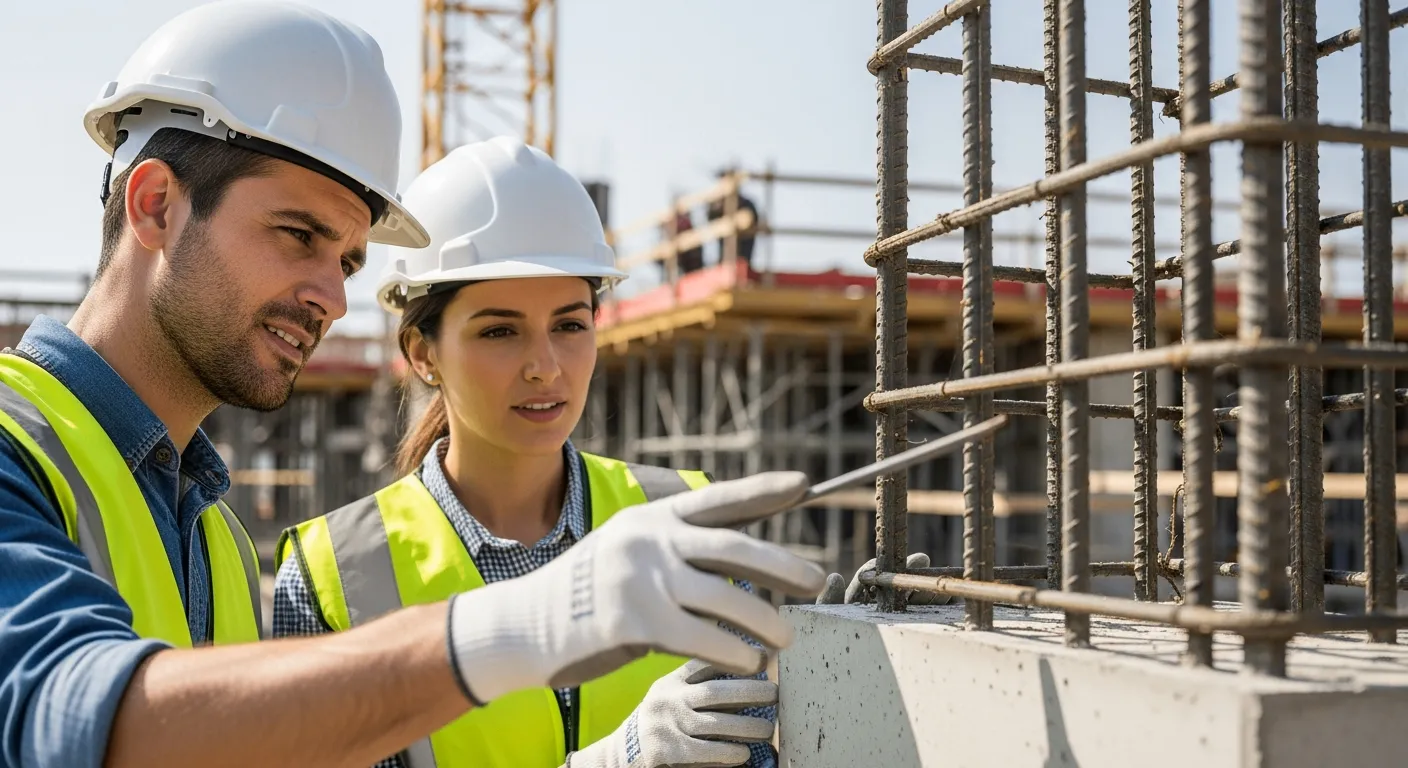
The need for rapid construction is also a driving force behind the adoption of high-performance fibers. These materials can often be prefabricated and quickly assembled on-site, reducing construction time and labor costs. This is particularly valuable in fast-paced urban environments where minimizing disruption is crucial.
Beyond the immediate demands of construction, there’s a growing emphasis on life-cycle assessment. This involves evaluating the environmental impact of a building throughout its entire lifespan, from material extraction to demolition. High-performance fibers contribute to a lower life-cycle impact due to their durability and reduced need for maintenance and replacement.
Finally, the aesthetic considerations of modern architecture are also playing a role. High-performance fibers can be incorporated into building designs to create visually stunning and innovative structures. They allow for greater design freedom and the creation of unique architectural forms.
High-Performance Fibers: An Overview
High-performance fibers are a class of materials engineered to exhibit exceptional mechanical properties. These properties include high tensile strength, stiffness, and resistance to environmental degradation.
Unlike traditional materials like steel, high performance fibers in construction offer a superior strength-to-weight ratio. They also offer enhanced corrosion resistance.
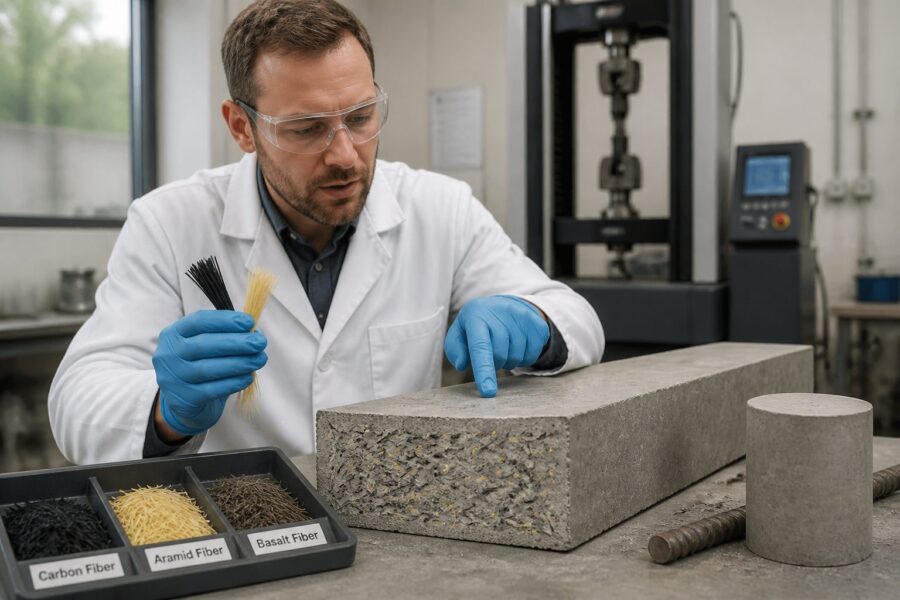
Common types of high-performance fibers include carbon fiber, aramid fiber (such as Kevlar), and ultra-high-molecular-weight polyethylene (UHMWPE). Each type possesses unique characteristics that make it suitable for specific construction applications.
Carbon fiber, for example, is known for its exceptional strength and stiffness, making it ideal for reinforcing concrete structures. Aramid fibers, like Kevlar, offer high impact resistance, making them suitable for applications requiring energy absorption. UHMWPE fibers provide excellent abrasion resistance and are often used in marine construction.
Glass fiber is another commonly used high-performance fiber, particularly in precast concrete and cladding panels. It offers a good balance of strength, stiffness, and cost-effectiveness. Glass fiber reinforced polymer (GFRP) is a popular alternative to steel in certain applications.
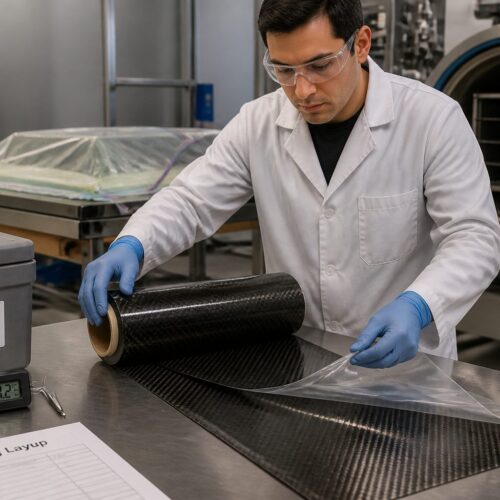
The manufacturing processes for high-performance fibers vary depending on the material. Carbon fiber is typically produced by heating precursor fibers, such as polyacrylonitrile (PAN), at high temperatures in an inert atmosphere. This process carbonizes the fibers, resulting in a material with exceptional strength and stiffness.
Aramid fibers, like Kevlar, are produced through a complex chemical process involving the polymerization of aromatic polyamides. The resulting fibers are highly resistant to impact and abrasion. They are often used in protective gear and ballistic applications.
UHMWPE fibers are produced by drawing a highly concentrated solution of polyethylene through a spinneret. This process aligns the polymer chains, resulting in a fiber with exceptional strength and abrasion resistance. These fibers are often used in ropes, cables, and marine applications.
The selection of the appropriate high-performance fiber depends on the specific requirements of the application. Factors to consider include the required strength, stiffness, impact resistance, environmental conditions, and cost.
Fiber Reinforced Concrete
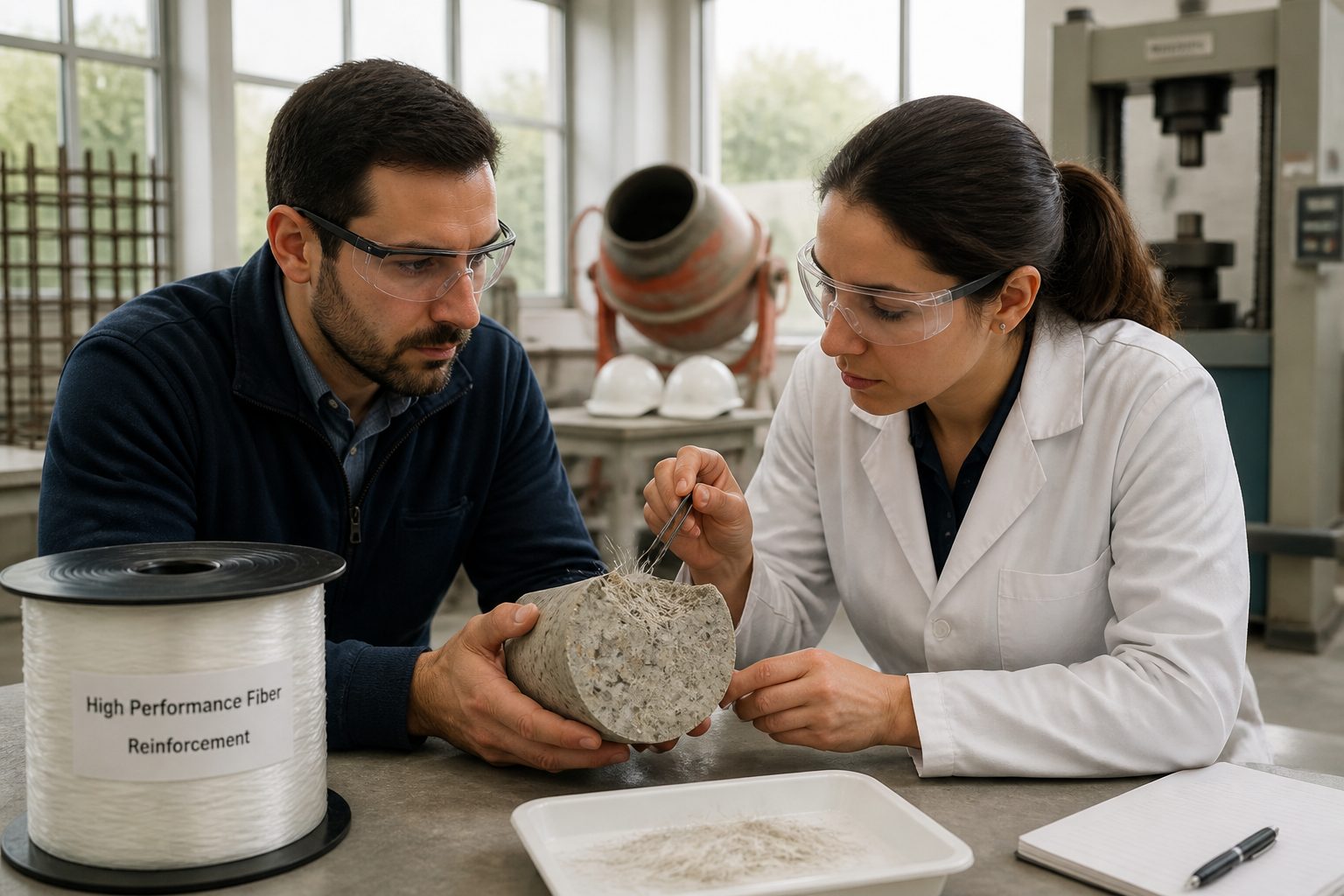
Fiber reinforced concrete (FRC) is a composite material that incorporates high performance fibers into a concrete matrix. This integration significantly enhances the mechanical properties of the concrete.
The fibers act as reinforcement, distributing stress and preventing crack propagation. This results in increased tensile strength, flexural strength, and impact resistance compared to conventional concrete.
| Fiber Type | Tensile Strength (MPa) | Young’s Modulus (GPa) | Typical Application |
|---|---|---|---|
| Carbon Fiber | 4,000 – 7,000 | 200 – 400 | Structural reinforcement, bridge decks |
| Aramid Fiber (Kevlar) | 3,000 – 3,600 | 60 – 130 | Blast resistance, impact protection |
| UHMWPE | 2,300 – 3,500 | 80 – 120 | Marine structures, abrasion resistance |
| Glass Fiber | 2,000 – 4,000 | 70 – 90 | Precast concrete, cladding panels |
FRC can be tailored to meet specific performance requirements by selecting the appropriate fiber type, content, and orientation. For example, adding a higher percentage of carbon fiber will increase the concrete’s tensile strength.
The addition of fibers also improves the concrete’s resistance to shrinkage cracking. This is particularly important in large concrete structures where shrinkage can lead to significant cracking and reduced durability. FRC helps to control these cracks and maintain the integrity of the structure.
FRC is also more durable than conventional concrete in harsh environments. The fibers help to prevent the ingress of water and other corrosive substances, protecting the concrete from degradation. This makes FRC a suitable material for marine structures, bridges, and other infrastructure exposed to harsh conditions.
The workability of FRC can be affected by the addition of fibers. Higher fiber contents can make the concrete more difficult to mix, place, and finish. Special mixing and placing techniques may be required to ensure proper consolidation and avoid fiber clumping.
The cost of FRC is generally higher than conventional concrete due to the added cost of the fibers. However, the improved performance and durability of FRC can often justify the higher cost, especially in applications where long-term performance is critical.
Different types of fibers are used in FRC depending on the desired properties. Steel fibers are commonly used for improving the tensile strength and ductility of concrete. Synthetic fibers, such as polypropylene and nylon, are used for controlling shrinkage cracking and improving impact resistance. Natural fibers, such as sisal and hemp, are also being explored as sustainable alternatives.
Using Fibers for Structural Reinforcement
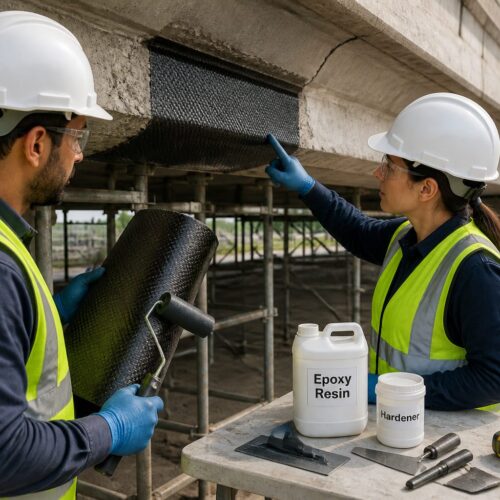
High performance fibers in construction are increasingly used for structural reinforcement of concrete and masonry structures. Fiber-reinforced polymer (FRP) composites are commonly employed in this application.
FRP composites consist of high-strength fibers embedded in a polymer matrix. These composites can be applied to the surface of existing structures to increase their load-bearing capacity and extend their service life.
One common technique is the use of FRP wraps to reinforce concrete columns. The wraps confine the concrete, increasing its compressive strength and preventing premature failure.
FRP laminates can also be bonded to the underside of concrete beams and slabs to increase their flexural capacity. This is particularly useful for strengthening bridges and parking garages.
The use of FRP composites offers several advantages over traditional steel reinforcement. FRP materials are lightweight, corrosion-resistant, and can be easily installed with minimal disruption.
The application process for FRP composites typically involves surface preparation, adhesive application, and fiber placement. The surface of the concrete or masonry structure must be cleaned and roughened to ensure proper bonding. An adhesive is then applied to the surface, followed by the placement of the FRP composite.
The fibers in the FRP composite are typically oriented in the direction of the primary stress. For example, in column wrapping, the fibers are oriented circumferentially to provide confinement. In beam strengthening, the fibers are oriented longitudinally to resist bending.
The polymer matrix in the FRP composite serves to protect the fibers from environmental damage and to transfer stress between the fibers. Common polymer matrices include epoxy, polyester, and vinyl ester resins.
The design of FRP reinforcement systems requires careful consideration of the material properties, loading conditions, and environmental factors. Engineers must ensure that the FRP composite is properly bonded to the substrate and that it can withstand the applied loads without failure.
FRP composites can also be used to repair damaged concrete structures. Cracks and spalls can be filled with epoxy and then reinforced with FRP wraps or laminates. This can restore the structural integrity of the damaged member and prevent further deterioration.
Applications in Seismic Resistance
Seismic resistance is a critical consideration in construction, especially in regions prone to earthquakes. High performance fibers in construction play a vital role in enhancing the seismic performance of structures.
FRP composites can be used to strengthen existing buildings to withstand seismic forces. They also prevent collapse during an earthquake.
One approach is to wrap columns and beams with FRP composites to increase their ductility and energy absorption capacity. This allows the structure to deform without collapsing.
Another application is the use of FRC in shear walls. The fibers improve the shear strength and ductility of the walls, enhancing their ability to resist lateral loads during an earthquake.
- Column wrapping for increased confinement
- Beam strengthening for enhanced flexural capacity
- Shear wall reinforcement for improved lateral load resistance
- Connection detailing for ductile behavior
- Retrofitting existing structures for seismic resilience
These techniques help to mitigate the risk of structural damage and loss of life during seismic events. They also make buildings more resilient.
In seismic design, ductility is a key factor. Ductility refers to the ability of a structure to deform significantly without losing its load-carrying capacity. FRP composites can enhance the ductility of concrete members by providing confinement and preventing brittle failure.
The use of FRP composites in seismic retrofitting is particularly beneficial for older buildings that were not designed to meet current seismic codes. These buildings are often vulnerable to damage or collapse during earthquakes. FRP retrofitting can significantly improve their seismic performance and protect occupants.
The design of FRP seismic retrofit systems requires careful consideration of the building’s structural characteristics, the expected seismic forces, and the desired performance level. Engineers must also consider the compatibility of the FRP composite with the existing building materials.
In addition to FRP composites, other high-performance fiber-based materials are also used in seismic resistance. These include fiber-reinforced polymers (FRPs) for connections and joints, and high-damping rubber bearings reinforced with fibers for base isolation.
Base isolation is a technique that involves separating the building from the ground using flexible bearings. This reduces the amount of seismic force transmitted to the building, protecting it from damage. Fiber-reinforced rubber bearings provide the necessary flexibility and damping to effectively isolate the building.
Benefits of High-Performance Fibers
The integration of high performance fibers in construction offers a wide range of benefits. These benefits span from improved structural performance to enhanced sustainability.
The superior strength-to-weight ratio of these fibers allows for lighter and more efficient structural designs. This reduces material consumption and construction costs.
The corrosion resistance of high performance fibers also leads to longer service life and reduced maintenance requirements. Structures reinforced with these materials are less susceptible to degradation from environmental factors.
The use of high performance fibers in construction promotes sustainable building practices. It also reduces the environmental impact of construction projects.
FRP composites are lightweight and can be manufactured using recycled materials. This contributes to a circular economy and reduces waste.
Beyond the direct structural benefits, high-performance fibers offer advantages in terms of design flexibility. The ability to create complex shapes and lightweight structures opens up new possibilities for architectural expression.
The reduced weight of structures using high-performance fibers can also lead to lower foundation costs. This is particularly beneficial in areas with poor soil conditions where heavier structures would require more extensive and expensive foundations.
The durability of high-performance fibers translates to lower life-cycle costs. The reduced need for maintenance and repairs over the lifespan of a structure can significantly offset the initial higher material costs.
The use of high-performance fibers can also improve the safety of construction projects. The lighter weight of these materials makes them easier to handle and install, reducing the risk of accidents and injuries.
Finally, the aesthetic appeal of high-performance fiber-reinforced structures can be a significant benefit. The smooth, clean lines and modern appearance of these structures can enhance the overall visual impact of a building or infrastructure project.
Case Studies and Examples
Several real-world projects demonstrate the successful application of high performance fibers in construction. These case studies showcase the versatility and effectiveness of these materials in various scenarios.
The Millau Viaduct in France, for example, utilizes high-strength concrete reinforced with steel and high performance fibers. This design allows the bridge to span great distances and withstand extreme weather conditions.
In seismic retrofitting projects, FRP composites have been used to strengthen bridges and buildings in earthquake-prone regions. These projects have significantly improved the seismic resilience of these structures.
The use of FRC in precast concrete elements has also gained popularity. This allows for the creation of lightweight and durable building components with improved structural performance.
These examples illustrate the potential of high performance fibers in construction to address complex engineering challenges. They also pave the way for more innovative and sustainable building practices.
The Storstrøm Bridge in Denmark is another notable example of high-performance fiber application. This bridge utilizes ultra-high-performance concrete (UHPC) reinforced with steel fibers in its deck. The UHPC provides exceptional durability and reduces the need for maintenance, extending the bridge’s service life.
The use of carbon fiber reinforced polymer (CFRP) in the repair and strengthening of the I-40 bridge over the Mississippi River in Memphis, Tennessee, demonstrates the effectiveness of FRP composites in infrastructure rehabilitation. The CFRP wraps were used to strengthen the steel girders and extend the bridge’s service life.
The Burj Khalifa in Dubai, the world’s tallest building, utilizes high-strength concrete reinforced with steel fibers in its core. The fibers enhance the concrete’s strength and ductility, allowing the building to withstand extreme wind loads and seismic forces.
The use of glass fiber reinforced concrete (GFRC) in the cladding panels of many modern buildings demonstrates the aesthetic versatility of high-performance fibers. GFRC panels can be molded into complex shapes and textures, providing architects with greater design freedom.
These case studies highlight the diverse applications of high-performance fibers in construction, ranging from bridges and buildings to infrastructure rehabilitation and architectural cladding. They demonstrate the potential of these materials to improve the performance, durability, and sustainability of construction projects.
Challenges and Considerations
Despite the numerous benefits, the use of high performance fibers in construction also presents some challenges. These challenges need to be addressed to ensure widespread adoption.
The initial cost of high performance fibers can be higher compared to traditional materials. However, the long-term benefits, such as reduced maintenance and extended service life, can offset this initial investment.
The design and installation of FRP composites require specialized knowledge and expertise. Engineers and contractors need to be properly trained to ensure the correct application of these materials.
The long-term durability of FRP composites in harsh environments also needs further investigation. More research is needed to fully understand the effects of UV exposure, temperature variations, and chemical exposure on the performance of these materials.
Standardization and code development are also crucial for promoting the use of high performance fibers in construction. Clear guidelines and specifications are needed to ensure consistent quality and performance.
Another challenge is the lack of readily available data on the long-term performance of high-performance fibers in specific applications. This makes it difficult for engineers to accurately predict the service life of structures reinforced with these materials.
The environmental impact of manufacturing high-performance fibers is also a concern. The production of carbon fiber, for example, is energy-intensive and can generate significant greenhouse gas emissions. Efforts are underway to develop more sustainable manufacturing processes.
The disposal of FRP composites at the end of their service life is another challenge. These materials are difficult to recycle and often end up in landfills. Research is being conducted to develop more effective recycling methods.
The fire resistance of FRP composites is also a concern. Some polymer matrices are flammable and can release toxic fumes when burned. Fire-retardant additives can be used to improve the fire resistance of FRP composites, but this can increase their cost.
The compatibility of FRP composites with other building materials is also an important consideration. The different thermal expansion coefficients of FRP composites and concrete can lead to stress concentrations and debonding. Careful selection of materials and adhesives is necessary to ensure compatibility.
Future Trends and Innovations
The field of high performance fibers in construction is constantly evolving. Ongoing research and development efforts are leading to new innovations and applications.
One emerging trend is the development of bio-based high-performance fibers. These fibers are derived from renewable resources and offer a more sustainable alternative to traditional synthetic fibers.
Another area of innovation is the use of nanotechnology to enhance the properties of high performance fibers. Nanoparticles can be incorporated into the fiber matrix to improve strength, stiffness, and durability.
The integration of sensors into FRP composites is also gaining traction. These sensors can monitor the structural health of a building in real time, providing early warning of potential problems.
The use of 3D printing technology with high performance fiber-reinforced materials opens up new possibilities for construction. This allows for the creation of complex and customized structural elements with high precision and efficiency.
Self-healing concrete is another exciting area of research. This involves incorporating microcapsules containing healing agents into the concrete mix. When cracks form, the microcapsules rupture, releasing the healing agents and repairing the damage.
The development of new and improved adhesives for bonding FRP composites to concrete is also an ongoing effort. Stronger and more durable adhesives are needed to ensure the long-term performance of FRP reinforcement systems.
The use of artificial intelligence (AI) and machine learning (ML) to optimize the design and performance of high-performance fiber-reinforced structures is also gaining attention. AI and ML algorithms can be used to analyze large datasets and identify patterns that can improve the efficiency and effectiveness of these materials.
The development of new and improved methods for recycling FRP composites is also a priority. This includes chemical recycling, thermal recycling, and mechanical recycling techniques.
The use of drones and other robotic systems for the inspection and repair of high-performance fiber-reinforced structures is also an emerging trend. Drones can be used to visually inspect structures and identify areas of damage. Robotic systems can be used to perform repairs in difficult-to-reach locations.
Conclusion
High performance fibers in construction are revolutionizing the way we design and build structures. Their superior strength, durability, and sustainability make them an ideal solution for meeting the demands of modern construction.
From structural reinforcement to seismic resistance, these materials offer a wide range of applications. They also improve the performance and longevity of buildings.
While challenges remain, ongoing research and development efforts are paving the way for even more innovative uses of high performance fibers in construction. The future of construction looks stronger and more sustainable with these advanced materials.
By embracing these technologies, the construction industry can build safer, more resilient, and more environmentally friendly structures. It can also set the stage for a more sustainable future.
The continued development and adoption of high-performance fibers will depend on addressing the challenges related to cost, standardization, and long-term performance. Further research and development, coupled with education and training, are crucial for realizing the full potential of these materials.
The construction industry must also embrace a collaborative approach, involving engineers, architects, contractors, and material suppliers, to effectively integrate high-performance fibers into building designs and construction practices. This collaboration will ensure that these materials are used safely and effectively, maximizing their benefits.
Ultimately, the widespread adoption of high-performance fibers in construction will contribute to a more sustainable and resilient built environment. These materials offer the potential to reduce the environmental impact of construction, extend the service life of structures, and improve the safety and performance of buildings.
As the world’s population continues to grow and urbanization increases, the demand for sustainable and resilient infrastructure will only intensify. High-performance fibers offer a promising solution for meeting these challenges and building a better future.
The future of construction is undoubtedly intertwined with the continued innovation and application of high-performance fibers. By embracing these advanced materials, the construction industry can create a more sustainable, resilient, and aesthetically pleasing built environment for generations to come.