
In the world of materials science, elastomers stand out for their remarkable ability to stretch and return to their original shape. These rubber materials are essential components in countless products, providing flexibility and durability where rigid materials fall short. From the tires on our cars to the seals in our appliances, elastomers play a critical role in modern life.
Understanding elastomers properties applications is key to appreciating their versatility. This article will explore the defining characteristics of elastomers, their diverse types, and their widespread applications across various industries, particularly in automotive and construction.
We will also touch on other notable uses of these elastic polymers, highlighting their importance in everyday life. Let’s begin our exploration of these fascinating materials and their impact on the world around us.
What are Elastomers?
Elastomers are polymers that exhibit elasticity, meaning they can undergo significant deformation under stress and return to their original shape upon the removal of that stress. This unique behavior sets them apart from other materials like metals and ceramics, which tend to deform permanently or break under similar conditions.
The term “elastomer” is derived from “elastic polymer,” reflecting their ability to regain their shape after stretching. Rubber materials are a common example, but the category includes a wide range of synthetic and natural substances with similar properties.
At a molecular level, elastomers consist of long polymer chains that are cross-linked together. These cross-links act as anchors, preventing the chains from sliding past one another when the material is stretched.
When stress is applied, the polymer chains extend, but the cross-links ensure that they return to their original configuration once the stress is removed. This is what gives elastomers their characteristic elasticity and makes them so useful in a variety of applications.
The arrangement of these polymer chains and cross-links is crucial to understanding elastomer behavior. The density of cross-linking can be adjusted to tailor the material’s properties for specific purposes.
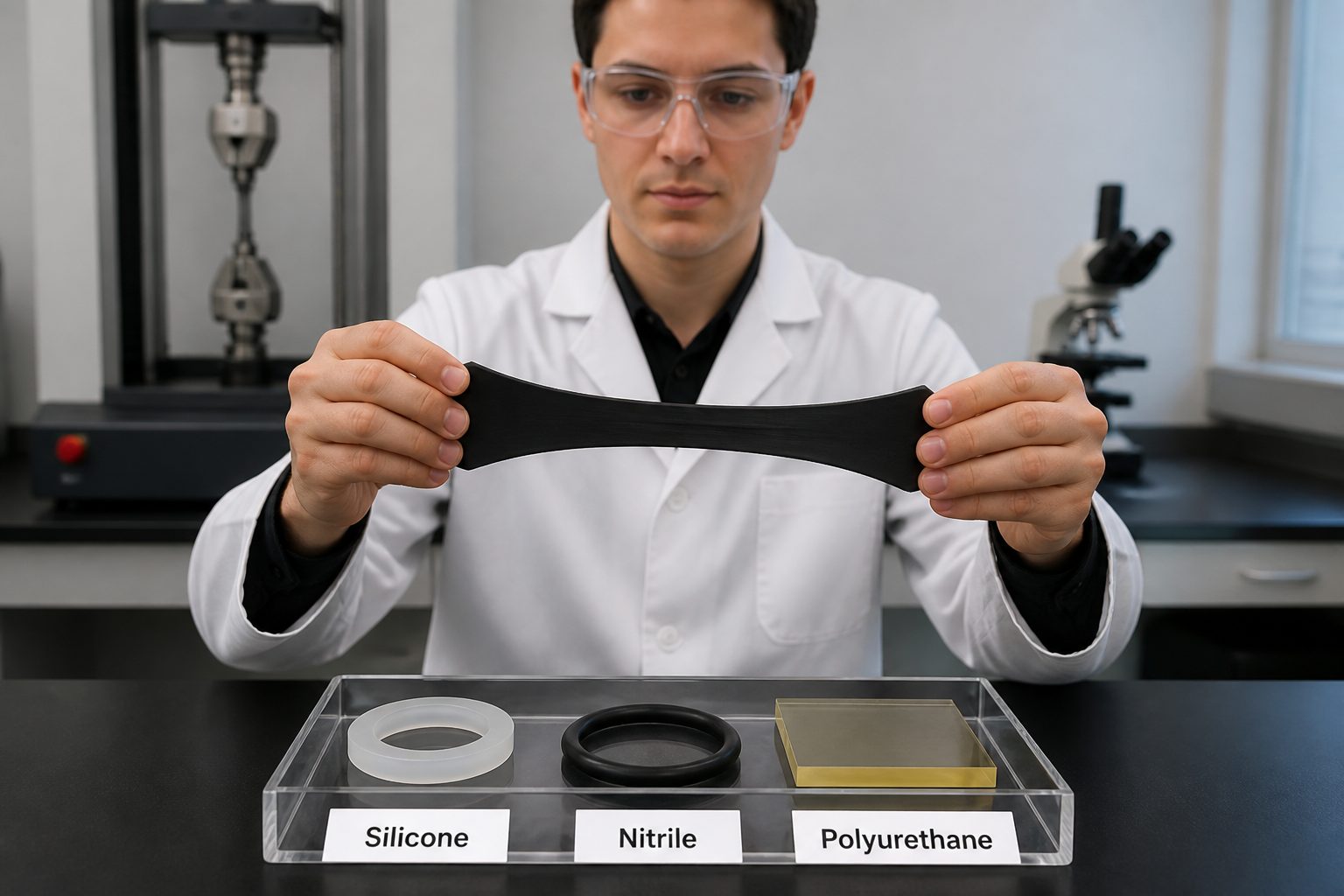
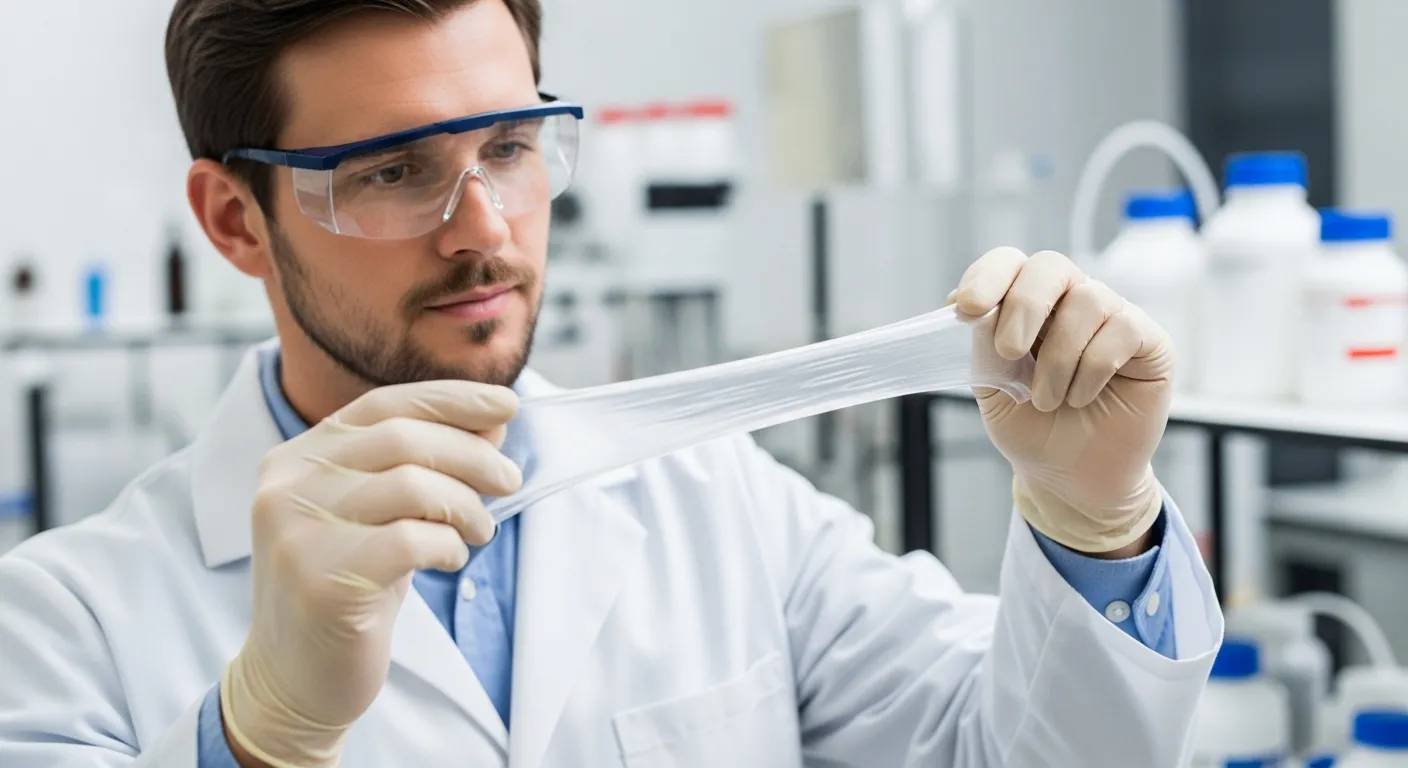
For example, a higher cross-link density typically results in a stiffer and more resilient elastomer. Conversely, a lower cross-link density leads to a softer and more flexible material.
It’s important to note that while elastomers can undergo significant deformation, they are not infinitely stretchable. Exceeding the material’s elastic limit can result in permanent deformation or even failure.
Therefore, careful consideration must be given to the expected stresses and strains when selecting an elastomer for a particular application. Understanding these fundamental aspects of elastomer structure and behavior is essential for effective material selection and design.
Key Properties of Elastomers
Several key properties define the behavior and usefulness of elastomers. These include elasticity, resilience, tensile strength, and elongation at break, among others.
Elasticity, as mentioned earlier, is the ability to return to the original shape after deformation. Resilience refers to the ability of an elastomer to recover quickly from deformation, minimizing energy loss in the process.
Tensile strength measures the maximum stress an elastomer can withstand before breaking, indicating its durability. Elongation at break, on the other hand, indicates how much an elastomer can stretch before it fractures.
Other important properties include hardness, tear resistance, and resistance to environmental factors like temperature, chemicals, and UV radiation. These properties collectively determine the suitability of an elastomer for a specific application, influencing its performance and lifespan.
Hardness is often measured using a Shore durometer, which provides a numerical value indicating the material’s resistance to indentation. Tear resistance is crucial in applications where the elastomer may be subjected to cuts or punctures.
The operating temperature range is also a critical consideration, as some elastomers become brittle at low temperatures or degrade at high temperatures. Chemical resistance is essential in environments where the elastomer may come into contact with oils, solvents, or other corrosive substances.
UV resistance is important for outdoor applications, as prolonged exposure to sunlight can cause degradation and loss of elasticity. The specific combination of properties required will vary depending on the intended use of the elastomer.
For instance, a tire requires high tensile strength, abrasion resistance, and elasticity, while a seal may prioritize chemical resistance and low compression set. Understanding the interplay between these properties is key to selecting the right elastomer for the job.
Types of Elastomers
Elastomers can be broadly classified into two main categories: natural rubber and synthetic rubber. Natural rubber is derived from the latex sap of rubber trees, while synthetic rubbers are produced through chemical processes.
Each type offers a unique set of properties, making them suitable for different applications. Here’s a closer look at some common types of elastomers:
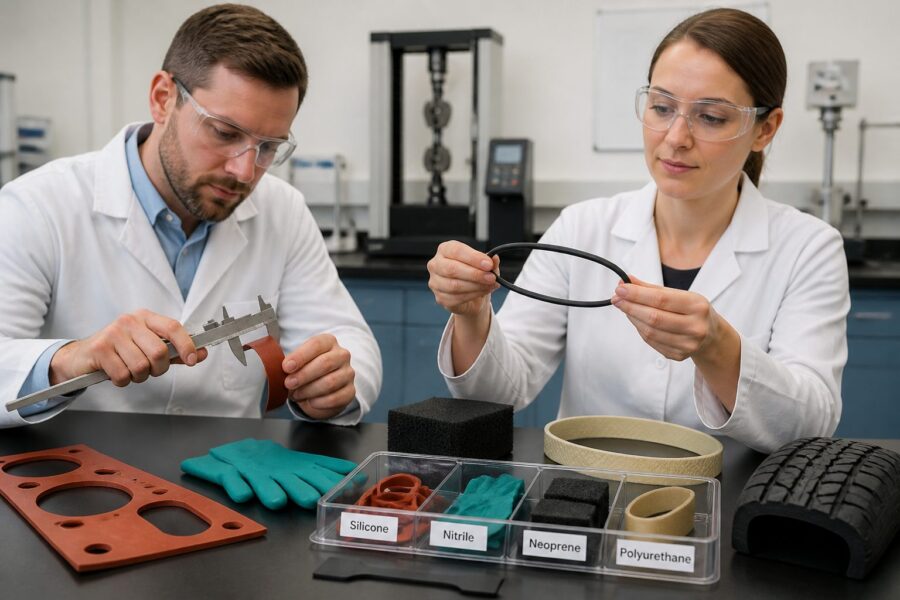
| Type of Elastomer | Common Uses | Key Properties |
|---|---|---|
| Natural Rubber | Tires, seals, adhesives | High elasticity, good tear resistance |
| Styrene-Butadiene Rubber (SBR) | Tires, shoe soles, gaskets | Good abrasion resistance, cost-effective |
| Nitrile Rubber (NBR) | Hoses, seals, O-rings | Excellent oil and chemical resistance |
| Silicone Rubber | Seals, medical devices, cookware | High-temperature resistance, biocompatibility |
| Polyurethane Rubber | Foam, coatings, adhesives | High abrasion resistance, versatility |
Natural rubber is prized for its high elasticity and tear resistance, making it ideal for tires and other demanding applications. Synthetic rubbers like SBR offer a balance of properties and cost-effectiveness, making them suitable for a wide range of uses.
Beyond the elastomers listed above, there are many other specialized types available. These include chloroprene rubber (Neoprene), known for its resistance to ozone, weathering, and oil; ethylene propylene diene monomer rubber (EPDM), valued for its excellent resistance to heat, ozone, and weathering; and fluoroelastomers (FKM), which offer exceptional resistance to chemicals, high temperatures, and fuels.
Thermoplastic elastomers (TPEs) are another important category, combining the properties of both thermoplastics and elastomers. TPEs can be repeatedly softened by heating and hardened by cooling, making them easier to process and recycle compared to traditional thermoset elastomers.
The choice of elastomer depends heavily on the specific requirements of the application, considering factors such as temperature, chemical exposure, mechanical stress, and cost. Consulting with a materials expert can help to identify the optimal elastomer for a given application.
Elastomer Selection Criteria
Choosing the right elastomer for a specific application involves careful consideration of several factors. These include the operating environment, the required mechanical properties, and the cost.
If the elastomer will be exposed to harsh chemicals or extreme temperatures, a material with high resistance to these conditions is essential. Similarly, if the application requires high tensile strength or tear resistance, the elastomer must meet these mechanical demands.
Cost is always a factor, and the optimal choice often involves balancing performance requirements with budget constraints. It’s also important to consider the long-term performance and durability of the elastomer, as a cheaper material that fails prematurely can end up being more expensive in the long run.
Ultimately, the selection process involves a thorough evaluation of the application’s needs and a careful comparison of the properties of different elastomers. Consulting with a materials expert can also be beneficial in making the right choice.
A detailed understanding of the application’s requirements is paramount. This includes identifying the specific chemicals the elastomer will be exposed to, the temperature range it will operate within, and the mechanical stresses it will need to withstand.
Consideration should also be given to the expected lifespan of the product and the potential consequences of elastomer failure. In critical applications, such as those in the aerospace or medical industries, the reliability of the elastomer is of utmost importance.
Once the application requirements are clearly defined, a thorough comparison of the properties of different elastomers can be undertaken. This may involve reviewing technical datasheets, conducting laboratory testing, or consulting with elastomer manufacturers.
It’s also important to consider the processing requirements of the elastomer, as some materials may be more difficult to mold or extrude than others. The selection process should be a collaborative effort involving engineers, designers, and materials experts to ensure that the optimal elastomer is chosen for the application.
Applications in Automotive Industry
The automotive industry relies heavily on elastomers for a wide range of components, from tires to seals. Elastomers provide the necessary flexibility, durability, and resistance to harsh conditions required for safe and reliable vehicle operation.
Tires are perhaps the most well-known application of elastomers in the automotive industry. Natural rubber and synthetic rubbers like SBR are used in tire construction to provide grip, durability, and resistance to wear and tear.
Seals and hoses are another critical application, ensuring that fluids and gases are contained within the engine and other systems. Nitrile rubber (NBR) is often used for these components due to its excellent resistance to oil and fuel.
Other automotive applications of elastomers include vibration dampeners, gaskets, and various interior components. These materials help to reduce noise and vibration, improve comfort, and enhance the overall performance and safety of vehicles.
Engine mounts, suspension bushings, and body mounts all utilize elastomers to absorb vibrations and reduce noise transmission into the passenger cabin. These components contribute significantly to the overall ride comfort and handling of the vehicle.
Elastomers are also used in various under-the-hood components, such as belts, hoses, and seals, which are exposed to extreme temperatures and harsh chemicals. The reliability of these components is crucial for ensuring the proper functioning of the engine and other critical systems.
In recent years, there has been increasing interest in using bio-based elastomers in automotive applications to reduce the environmental impact of vehicle production. These materials offer a more sustainable alternative to traditional synthetic rubbers and can help to reduce the carbon footprint of the automotive industry.
The automotive industry is constantly seeking new and improved elastomers to meet the ever-increasing demands for performance, durability, and sustainability. As vehicle technology continues to evolve, elastomers will play an increasingly important role in shaping the future of transportation.
Applications in Construction
Elastomers play a vital role in the construction industry, providing solutions for sealing, insulation, and structural support. Their ability to withstand environmental factors and provide flexibility makes them essential for various building applications.
Sealants and adhesives are a common application, used to create airtight and watertight seals in windows, doors, and other building components. Silicone rubber and polyurethane are often used for these purposes due to their excellent adhesion and weather resistance.
- Roofing membranes for waterproofing
- Expansion joints for bridges and buildings
- Vibration isolation pads for machinery
- Seismic bearings for earthquake resistance
- Hoses and seals for plumbing systems
These materials help to protect buildings from water damage, reduce noise and vibration, and improve structural integrity. Their durability and long-term performance make them a valuable asset in the construction industry.
Elastomeric roofing membranes provide a durable and waterproof barrier against the elements, protecting buildings from water damage and extending their lifespan. These membranes are typically made from modified bitumen or synthetic rubbers and are designed to withstand extreme temperatures, UV radiation, and other environmental factors.
Expansion joints are used in bridges and buildings to accommodate thermal expansion and contraction, preventing cracking and structural damage. Elastomeric expansion joints provide a flexible and watertight seal that can withstand significant movement.
Vibration isolation pads are used to reduce noise and vibration from machinery and equipment, improving the comfort and safety of building occupants. These pads are typically made from natural rubber or synthetic elastomers and are designed to absorb vibrations and prevent them from being transmitted through the building structure.
Seismic bearings are used in earthquake-resistant buildings to isolate the structure from ground motion, reducing the risk of damage during an earthquake. These bearings are typically made from layers of steel and elastomer and are designed to absorb energy and reduce the forces transmitted to the building.
Applications in Medical Field
The medical field benefits significantly from the unique properties of elastomers, particularly silicone rubber. Its biocompatibility, flexibility, and resistance to sterilization make it ideal for various medical devices and applications.
Silicone rubber is used in implants, tubing, seals, and various other medical components. Its inert nature ensures that it does not react with body tissues, minimizing the risk of adverse reactions.
Other elastomers, such as latex and thermoplastic elastomers (TPEs), are used in gloves, catheters, and other disposable medical products. These materials provide the necessary barrier protection and flexibility for healthcare professionals.
The development of new and improved elastomers continues to drive innovation in the medical field, leading to better patient outcomes and improved healthcare delivery. The demand for biocompatible and durable materials ensures that elastomers will remain a crucial component of medical technology.
Silicone implants are widely used in reconstructive surgery and cosmetic procedures due to their biocompatibility and ability to mimic natural tissue. These implants are available in a variety of shapes and sizes and can be used to restore or enhance the appearance of various body parts.
Elastomeric tubing is used in a wide range of medical applications, including intravenous fluid delivery, drug delivery, and drainage systems. The flexibility and biocompatibility of these tubes make them ideal for use in contact with body fluids and tissues.
Elastomeric seals are used in medical devices and equipment to prevent leakage and maintain sterility. These seals are typically made from silicone rubber or other biocompatible elastomers and are designed to withstand repeated sterilization cycles.
The medical field is constantly seeking new and improved elastomers to meet the evolving needs of healthcare providers and patients. Research is focused on developing materials with enhanced biocompatibility, improved mechanical properties, and greater resistance to sterilization.
Other Notable Applications
Beyond the automotive, construction, and medical industries, elastomers find applications in a wide array of other fields. Their versatility and unique properties make them indispensable in many everyday products and specialized applications.
In consumer goods, elastomers are used in shoe soles, sporting equipment, and household appliances. Their flexibility, durability, and resistance to wear and tear make them ideal for these applications.
Industrial applications include conveyor belts, seals, and vibration dampeners in machinery. Elastomers help to improve efficiency, reduce noise, and extend the lifespan of equipment.
Elastomers are also used in aerospace, marine, and other specialized industries where high-performance materials are required. Their ability to withstand extreme conditions and provide reliable performance makes them essential for critical applications.
In the footwear industry, elastomers are used in shoe soles to provide cushioning, support, and traction. The specific type of elastomer used will depend on the intended use of the shoe, with different materials offering varying levels of durability, flexibility, and grip.
Sporting equipment, such as balls, protective gear, and athletic shoes, often incorporates elastomers to enhance performance and safety. These materials provide cushioning, shock absorption, and impact resistance, helping athletes to perform at their best while minimizing the risk of injury.
Household appliances, such as washing machines, refrigerators, and dishwashers, utilize elastomers in seals, hoses, and vibration dampeners. These components help to ensure the reliable and efficient operation of the appliance, reducing noise and vibration and preventing leaks.
In the aerospace industry, elastomers are used in seals, gaskets, and vibration isolators to withstand extreme temperatures, pressures, and vibrations. These materials are critical for ensuring the safety and reliability of aircraft and spacecraft.
Future Trends in Elastomer Technology
The field of elastomer technology is constantly evolving, with ongoing research and development focused on improving performance, sustainability, and cost-effectiveness. Several key trends are shaping the future of these versatile materials.
One trend is the development of bio-based elastomers, derived from renewable resources rather than petroleum. These materials offer a more sustainable alternative to traditional synthetic rubbers, reducing the environmental impact of elastomer production.
Another trend is the development of advanced elastomer composites, incorporating fillers and reinforcements to enhance specific properties. These composites can offer improved strength, durability, and resistance to environmental factors.
Additionally, research is focused on developing self-healing elastomers that can repair damage autonomously, extending the lifespan of products and reducing waste. These advancements promise to further expand the applications of elastomers and enhance their role in various industries.
The use of nanotechnology in elastomer development is also gaining traction. Nanoparticles can be incorporated into elastomers to enhance their mechanical properties, improve their resistance to degradation, and impart new functionalities, such as electrical conductivity.
Additive manufacturing, also known as 3D printing, is opening up new possibilities for the design and fabrication of elastomeric components. This technology allows for the creation of complex geometries and customized materials, enabling the development of innovative products with enhanced performance.
The development of smart elastomers that can respond to external stimuli, such as temperature, pressure, or electric fields, is another exciting area of research. These materials have the potential to be used in a wide range of applications, including sensors, actuators, and adaptive structures.
As environmental concerns continue to grow, the development of sustainable and recyclable elastomers will become increasingly important. Research is focused on developing new materials that can be easily recycled or biodegraded, reducing the environmental impact of elastomer products.
Conclusion
Elastomers are a class of materials with remarkable elasticity and versatility, finding applications in countless products across various industries. Their unique properties, including elasticity, resilience, and resistance to environmental factors, make them essential components in everything from tires to medical devices.
Understanding elastomers properties applications is crucial for engineers and designers seeking to create durable, reliable, and high-performing products. As technology continues to advance, the development of new and improved elastomers will undoubtedly play a key role in shaping the future of materials science and engineering.
The ongoing research and development efforts in the field of elastomer technology promise to yield even more innovative and sustainable materials in the years to come. These advancements will further expand the applications of elastomers and enhance their role in addressing some of the world’s most pressing challenges.
From reducing our reliance on fossil fuels to improving healthcare outcomes, elastomers are poised to play a critical role in shaping a more sustainable and prosperous future. Their unique combination of properties and versatility makes them an indispensable material for a wide range of applications.
As we continue to explore the potential of these remarkable materials, we can expect to see even more innovative and groundbreaking applications emerge in the years ahead. The future of elastomers is bright, and their impact on our world will only continue to grow.