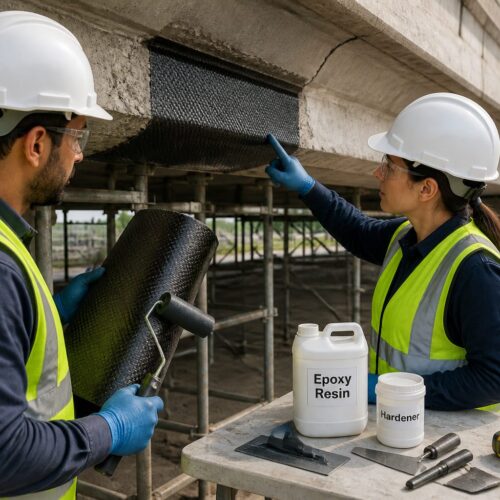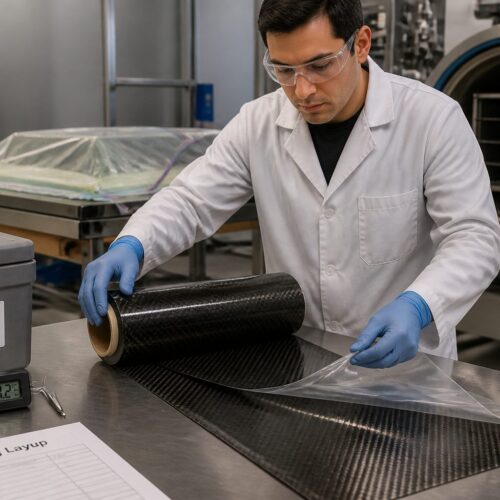

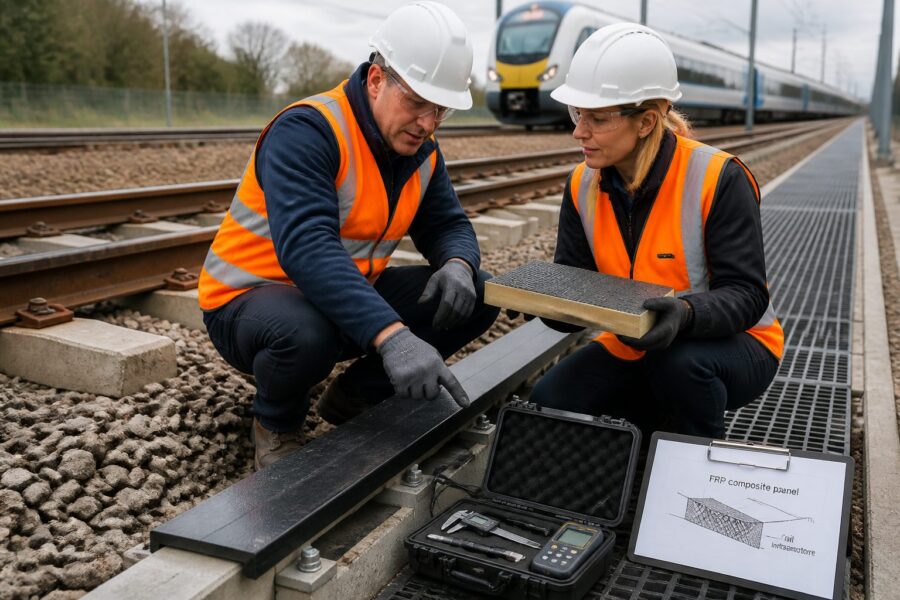
Modern transportation infrastructure faces immense pressure to perform under increasing loads and environmental stresses. Engineers are constantly seeking materials that offer superior performance, longevity, and ease of installation. Fiber reinforced polymers railway infrastructure solutions are emerging as a powerful answer to these complex demands.
These advanced composites, combining high-strength fibers with durable polymer matrices, deliver a unique blend of properties traditional materials simply cannot match. Their ability to withstand corrosion, reduce weight, and extend service life makes them incredibly attractive for upgrading our rail and road networks. We are seeing a real shift in how these critical systems are designed and built.
The push for sustainability and efficiency means every component must deliver maximum value over its lifetime. This article explores how fiber reinforced polymers railway infrastructure applications are revolutionizing construction across various elements of our transportation systems. From track components to bridge decks, FRPs offer compelling advantages that are reshaping the industry’s future.
Focusing on the practical implementation of `FRP railway sleepers composites` and `composite bridge decks transportation`, we will examine the tangible benefits and real-world successes. Understanding the science behind these `lightweight FRP transit structures` is key to appreciating their transformative impact. This material science is delivering significant improvements right where they are needed most.
Why Transportation Infrastructure Demands Lightweight Materials
The constant movement of people and goods places enormous stress on our transportation networks. Heavy traditional materials like steel and concrete contribute significantly to these structural loads, which limits design flexibility and increases maintenance needs. Reducing overall weight offers a cascade of benefits, from lower fuel consumption in vehicles to less wear on bridges and tunnels.
Lighter components also simplify logistics and accelerate construction timelines. Imagine installing a bridge deck section that weighs a fraction of its concrete counterpart; this reduces the need for massive cranes and extensive road closures. These efficiencies translate directly into cost savings and reduced disruption for commuters.
Existing infrastructure, often decades old, was not designed for today’s traffic volumes and speeds. Introducing `lightweight FRP transit structures` allows engineers to upgrade capacity without completely rebuilding entire sections. This approach extends the life of valuable assets, pushing back the need for costly full replacements.
Corrosion is another relentless enemy of traditional materials, especially in harsh environments like coastal areas or tunnels. Steel components rust, concrete spalls, and repairs become a continuous, expensive cycle. FRPs are inherently resistant to chemical degradation and moisture, which makes them ideal for these challenging locations.
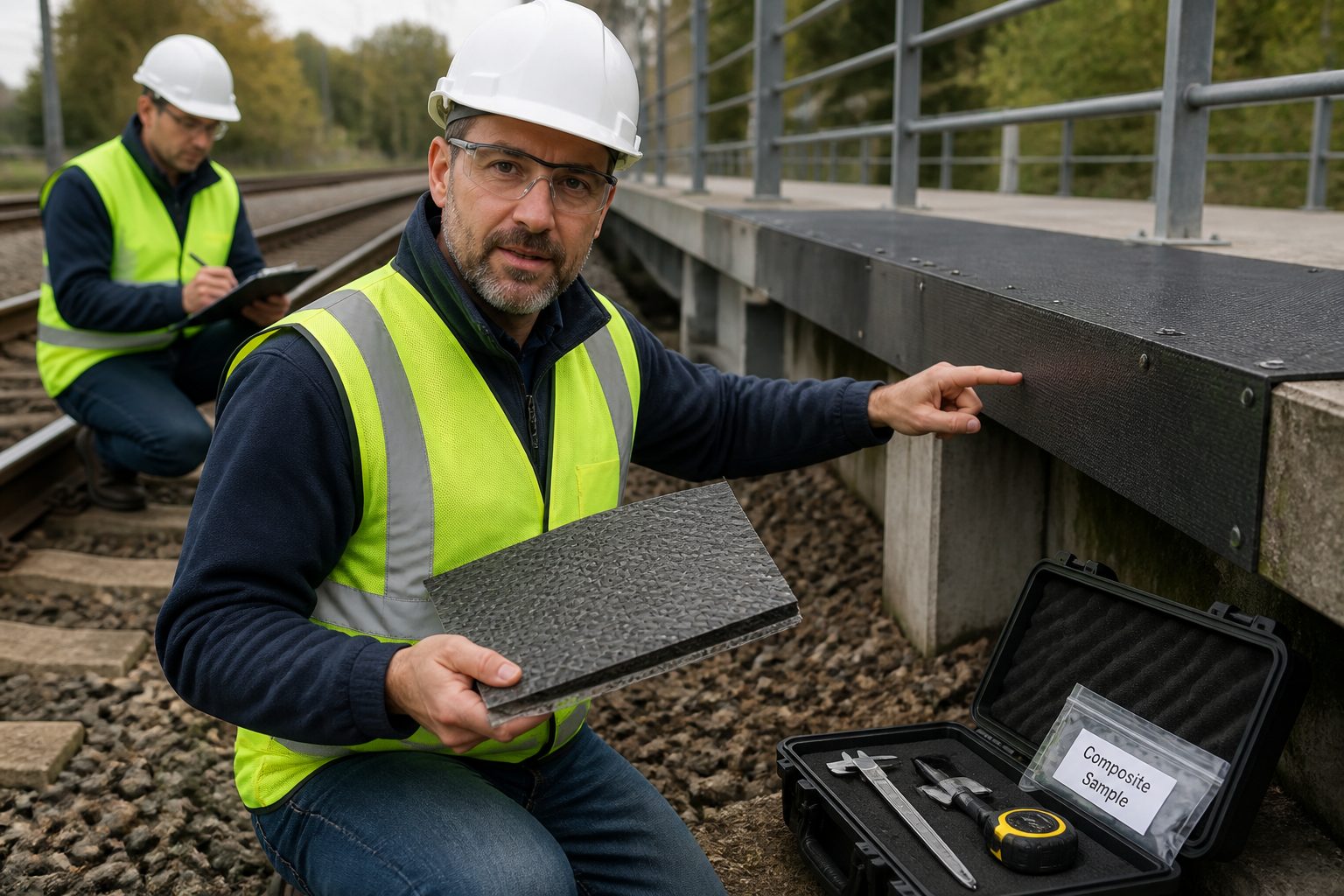
The demand for materials that offer both strength and resilience without the added bulk is higher than ever before. Engineers are looking for solutions that can withstand dynamic loading and extreme temperatures over long periods. Fiber reinforced polymers railway infrastructure projects directly benefit from these material properties.
Fuel efficiency is a major driver for the adoption of lightweight materials in rolling stock itself. While this article focuses on static infrastructure, the underlying principle of mass reduction applies across the entire transportation ecosystem. Every kilogram saved contributes to a greener, more economical operation.
Furthermore, the seismic performance of structures is greatly improved with lighter components. Reduced mass means lower inertial forces during an earthquake, which can lead to significantly less damage and faster recovery times. This is a powerful advantage in earthquake-prone regions around the globe.
The ease of handling and installation for `lightweight FRP transit structures` also improves worker safety. Less heavy lifting and fewer specialized equipment needs mean a safer construction site. This operational benefit is often underestimated but truly impactful.
Ultimately, transportation infrastructure demands lightweight materials to meet the twin challenges of sustainability and increased performance. Fiber reinforced polymers are perfectly positioned to fulfill this critical need. Their unique properties address many of the limitations inherent in older construction methods.
FRP Rail Sleepers: Replacing Timber and Concrete
Rail sleepers, also known as railroad ties, are fundamental components of any track system, providing support for the rails and maintaining their correct gauge. Historically, these have been made from timber or concrete, each with inherent limitations. `FRP railway sleepers composites` offer a compelling alternative that addresses many of these drawbacks directly.
Timber sleepers are susceptible to rot, insect infestation, and require chemical treatment like creosote, which raises environmental concerns. Concrete sleepers are extremely heavy, making installation more difficult, and they can be prone to cracking under repeated impact loads. The benefits of `FRP railway sleepers composites` are clear when you compare their properties.
| Feature | Timber Sleepers | Concrete Sleepers | FRP Railway Sleepers Composites |
|---|---|---|---|
| Weight | Moderate (around 70 kg) | Very Heavy (around 250-300 kg) | Light (around 50-80 kg) |
| Lifespan | 15-25 years | 30-50 years | 50+ years |
| Maintenance Needs | High (rot, splitting, re-gauging) | Medium (cracking, abrasion) | Low (minimal degradation) |
| Environmental Impact | Deforestation, toxic treatments | High energy consumption, CO2 emissions | Recyclability improving, inert |
| Electrical Insulation | Good | Poor | Excellent |
| Installation Ease | Moderate | Difficult (due to weight) | Easy |
| Vibration Damping | Good | Poor | Good |
Composite Bridge Decks for Rail and Road Applications
Bridge decks are a critical element of transportation infrastructure, supporting the direct loads from vehicles and trains. Traditional materials like reinforced concrete and steel have long been the standard, but they come with significant weight, susceptibility to corrosion, and complex installation processes. `Composite bridge decks transportation` solutions are changing this paradigm significantly.
These advanced decks leverage the high strength-to-weight ratio of FRPs, drastically reducing the dead load on bridge superstructures. This weight reduction means that existing bridge foundations can often support increased traffic loads without needing extensive and costly reinforcement. It also allows for longer spans or more slender designs in new construction.
One of the most compelling advantages of `composite bridge decks transportation` is their outstanding corrosion resistance. Unlike steel, which rusts when exposed to moisture and de-icing salts, FRPs remain unaffected, leading to significantly longer service lives and reduced maintenance costs. This durability is a game-changer for infrastructure projects.
Installation speed also sees a dramatic improvement with FRP decks. These sections can be prefabricated off-site and then rapidly deployed, often in a matter of hours or days, minimizing traffic disruption. This rapid installation capability is particularly valuable in urban areas or on busy transit routes.
The modular nature of FRP bridge deck panels simplifies logistics and construction planning. Large sections can be manufactured under controlled conditions, ensuring consistent quality and performance. This approach reduces on-site labor and the associated safety risks.
Furthermore, FRP decks exhibit excellent fatigue resistance, a crucial property for structures subjected to millions of load cycles from passing vehicles and trains. They do not suffer from the same fatigue crack propagation issues as steel, which contributes to their extended lifespan. This makes them a reliable long-term investment.
The material’s inherent resistance to chemical attack also makes it suitable for environments where traditional materials might quickly degrade. Think about bridges over industrial waterways or those exposed to harsh chemical spills; FRPs maintain their integrity. This resilience is a key factor in their growing adoption.
Acoustic properties are another often-overlooked benefit, as FRPs can offer better vibration damping than concrete or steel, potentially reducing noise pollution. This is especially relevant for bridges in residential areas. Quieter infrastructure contributes to a better quality of life for nearby communities.
The ability to integrate sensors directly into the composite material for real-time structural health monitoring is also a significant advancement. This allows for proactive maintenance and better informed decision-making regarding asset management. Understanding the structure’s condition in real-time prevents unexpected failures.
Ultimately, `composite bridge decks transportation` solutions offer a superior combination of longevity, ease of installation, and environmental resilience compared to conventional materials. Their use is expanding rapidly as engineers recognize these profound advantages. This shift represents a modernization of bridge design and construction practices.
FRP Structural Profiles in Station and Platform Construction
Railway stations and platforms are high-traffic areas requiring robust, durable, and safe construction materials. Traditional steel and concrete elements often present challenges related to weight, corrosion, and electrical conductivity, especially in electrified rail environments. Fiber reinforced polymers railway infrastructure applications extend to structural profiles for these vital transit hubs.
FRP structural profiles, such as beams, columns, and decking, provide an excellent alternative for platform extensions, station canopies, and pedestrian bridges. Their lightweight nature simplifies installation, particularly in congested urban settings where heavy machinery access is limited. This means less disruption and faster project completion.
The inherent non-conductive properties of FRPs are a major safety advantage in electrified railway systems. Using FRPs minimizes the risk of stray current interference and accidental electrical contact, protecting both passengers and maintenance personnel. This safety feature is absolutely essential for modern rail networks.
Corrosion resistance is another significant benefit, especially for outdoor platforms exposed to weather elements, de-icing salts, and even graffiti cleaning agents. Unlike painted steel, which requires regular recoating, FRP profiles maintain their aesthetic and structural integrity with minimal upkeep. This leads to substantial long-term maintenance savings.
FRPs also offer design flexibility, allowing for complex geometries and custom shapes that might be difficult or expensive to achieve with traditional materials. This enables architects to create more modern, aesthetically pleasing, and functional station designs. The ability to mold and shape these components opens up new architectural possibilities.
The use of `lightweight FRP transit structures` in platform construction also reduces the load on existing foundations. This is particularly useful when upgrading older stations where the original foundations might not be able to support additional heavy structures. It allows for expansion without costly foundation work.
Fire safety is a primary concern in public spaces, and FRP profiles can be manufactured with integrated fire retardant resins. These specialized composites meet stringent fire safety codes, ensuring passenger safety in the event of an emergency. This engineering allows FRPs to be used confidently in enclosed spaces.
Speed of fabrication and assembly also contributes to the efficiency of using FRP structural profiles. Components can be factory-produced to exact specifications, arriving on-site ready for quick assembly. This reduces construction schedules and minimizes public inconvenience.
Their durability against impact, from luggage trolleys to accidental bumps, ensures that station elements remain intact and functional for longer. This resilience against everyday wear and tear is important for high-traffic environments. It means less frequent repairs and a better passenger experience.
Overall, FRP structural profiles deliver a blend of safety, longevity, and aesthetic appeal for modern railway stations and platforms. Their integration into `lightweight FRP transit structures` represents a forward-thinking approach to urban infrastructure development. This technology is truly enhancing the functionality and appearance of our public transport spaces.
Durability Testing and Long-Term Performance Data
Implementing new materials like fiber reinforced polymers railway infrastructure components requires rigorous testing to ensure long-term performance and safety. Engineers must confidently predict how these materials will behave under decades of harsh environmental exposure and continuous dynamic loading. This commitment to thorough evaluation is paramount for critical infrastructure.
Extensive laboratory and field testing provides the essential data needed to validate FRP designs and material specifications. Understanding how these composites react to various stressors allows for their safe and effective deployment across diverse applications. This scientific backing builds trust in the material’s capabilities.
- Accelerated weathering tests for UV degradation
- Fatigue cycling assessments under simulated traffic loads
- Impact resistance evaluations for accidental damage
- Fire retardancy ratings for public safety compliance
- Creep and stress relaxation studies over extended periods
- Moisture absorption measurements in humid environments
- Chemical exposure resistance against industrial agents
- Freeze-thaw cycle performance for cold climates
- Static and dynamic load capacity verification
- Bonding strength evaluations for hybrid structures
Case Studies: FRP in Active Railway Networks Worldwide
The theoretical advantages of fiber reinforced polymers are compelling, but their real value shines through in practical applications within active railway networks. Around the globe, various countries are adopting these advanced materials to address specific infrastructure challenges. These real-world examples demonstrate the tangible benefits of fiber reinforced polymers railway infrastructure solutions.
In the United States, several states have successfully deployed `composite bridge decks transportation` on both rail and highway bridges. For instance, a project in Pennsylvania replaced a deteriorated concrete deck with an FRP alternative, significantly reducing installation time and extending the bridge’s expected lifespan. This upgrade minimized disruption to a busy corridor.
Japan, a leader in high-speed rail, has explored FRPs for various applications, including lightweight train components and structural elements in station upgrades. Their rigorous safety standards demand materials that offer exceptional performance and reliability. This demonstrates the trust placed in FRP technology for high-stakes environments.
European railway networks have also seen considerable integration of FRP technology, particularly for `FRP railway sleepers composites`. Countries like the UK and Germany have piloted and then expanded the use of composite sleepers in challenging sections of track, such as tunnels and bridges, where traditional materials face severe environmental degradation. The performance has been consistently positive.
One notable case in the Netherlands involved the replacement of timber bridge decks on canal crossings with FRP panels. The project achieved a dramatic reduction in dead weight, preserving the structural integrity of historical bridge foundations. This application highlights the versatility of FRPs in sensitive environments.
Australia has utilized `lightweight FRP transit structures` for pedestrian overpasses and platform extensions in its growing urban rail systems. The ease of construction and resistance to harsh coastal conditions made FRPs an ideal choice for these expansions. This helped accelerate development in rapidly expanding metropolitan areas.
In Canada, FRP solutions are being considered for remote northern railway lines where extreme temperature fluctuations and challenging logistics make traditional construction difficult. The durability and lower maintenance requirements of FRPs offer a promising solution for maintaining these remote but vital links. This addresses unique geographical challenges.
A specific example from the UK involves the use of FRP footbridges at various railway stations. These bridges are installed quickly, often overnight, causing minimal disruption to rail services. Their non-conductive nature and corrosion resistance are key benefits in the electrified network. This showcases FRPs as a smart, practical choice.
These case studies collectively prove that fiber reinforced polymers railway infrastructure applications are not just theoretical concepts. They are practical, proven solutions that deliver significant operational and financial benefits. The global adoption underscores a growing confidence in these advanced composite materials.
The success stories are continually growing, providing a strong evidence base for wider implementation. Each new project builds on the experience and data from previous ones, refining best practices and expanding the scope of what is possible. This iterative process drives continuous improvement and innovation.
Conclusion
The evolution of transportation infrastructure demands innovative materials that can meet the challenges of increased loads, environmental degradation, and the need for greater efficiency. Fiber reinforced polymers railway infrastructure solutions are proving to be a transformative force in this arena. They offer a compelling blend of strength, durability, and lightweight properties.
From the robust `FRP railway sleepers composites` that replace their timber and concrete predecessors, to the rapidly deployable `composite bridge decks transportation` systems, FRPs are redefining construction standards. These materials are not just alternatives; they are often superior choices that deliver tangible long-term value. Their benefits extend across the entire lifecycle of an asset.
The adoption of `lightweight FRP transit structures` in stations and platforms further illustrates the versatility and safety advantages of these composites. Their non-conductive and corrosion-resistant nature makes them ideal for modern, electrified networks. This provides a safer and more resilient environment for passengers and operators alike.
Extensive durability testing and a growing body of real-world case studies from active railway networks worldwide affirm the reliability and performance of FRPs. These materials are not only meeting but often exceeding the expectations set by traditional construction materials. This is a testament to the rigorous engineering and material science behind them.
The future of fiber reinforced polymers railway infrastructure looks incredibly promising as engineers continue to push the boundaries of material science and application. As we strive for more sustainable, efficient, and resilient transportation systems, FRPs will undoubtedly play an even greater role. This ongoing innovation will shape the networks of tomorrow.
Embracing these advanced composite materials means investing in infrastructure that is built to last longer, require less maintenance, and perform better under pressure. It represents a forward-thinking approach to modernizing our essential transportation arteries. The shift towards FRPs is a smart move for the long haul.
Ultimately, the advantages of fiber reinforced polymers, in terms of weight reduction, corrosion resistance, and accelerated construction, are too significant to ignore. They are paving the way for a new era of infrastructure development. This technology is set to deliver continued improvements across the sector.