
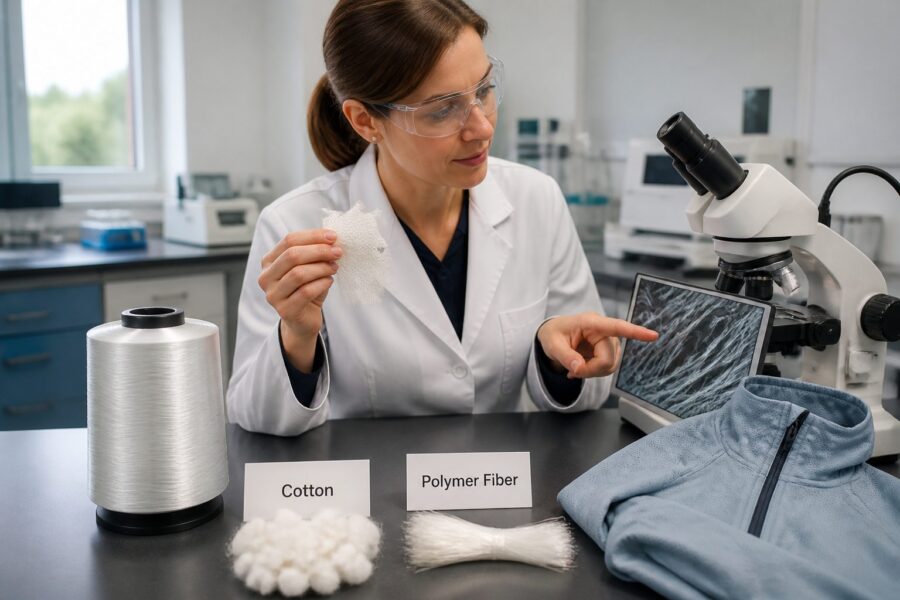
Clothing has come a long way from simple animal hides. Today, much of what we wear is a product of advanced material science. This article will examine the fascinating world of polymer fibers in clothing.
We will look at how these materials are engineered for performance, comfort, and sustainability. It will also explore the science behind these fabrics and what the future holds for textile technology.
Forget plain old cotton, the future of fashion and function lies in understanding polymer fibers. These are the unsung heroes of our modern wardrobes.
The Evolution of Clothing Materials
For millennia, humans relied on natural fibers like cotton, linen, and wool. These materials served basic needs for protection and warmth.
The 20th century brought a revolution with the advent of synthetic polymer fibers. Nylon, the first commercially successful synthetic fiber, appeared in the 1930s.
This invention changed clothing forever, offering properties that natural fibers simply couldn’t match. Suddenly, fabrics could be more durable, water-resistant, and easier to care for.
Further advancements led to the development of polyester, acrylic, and other synthetic materials. These quickly became staples in the textile industry.
Today, we see a blend of natural and synthetic fibers in clothing. These are combined to maximize comfort, performance, and longevity.
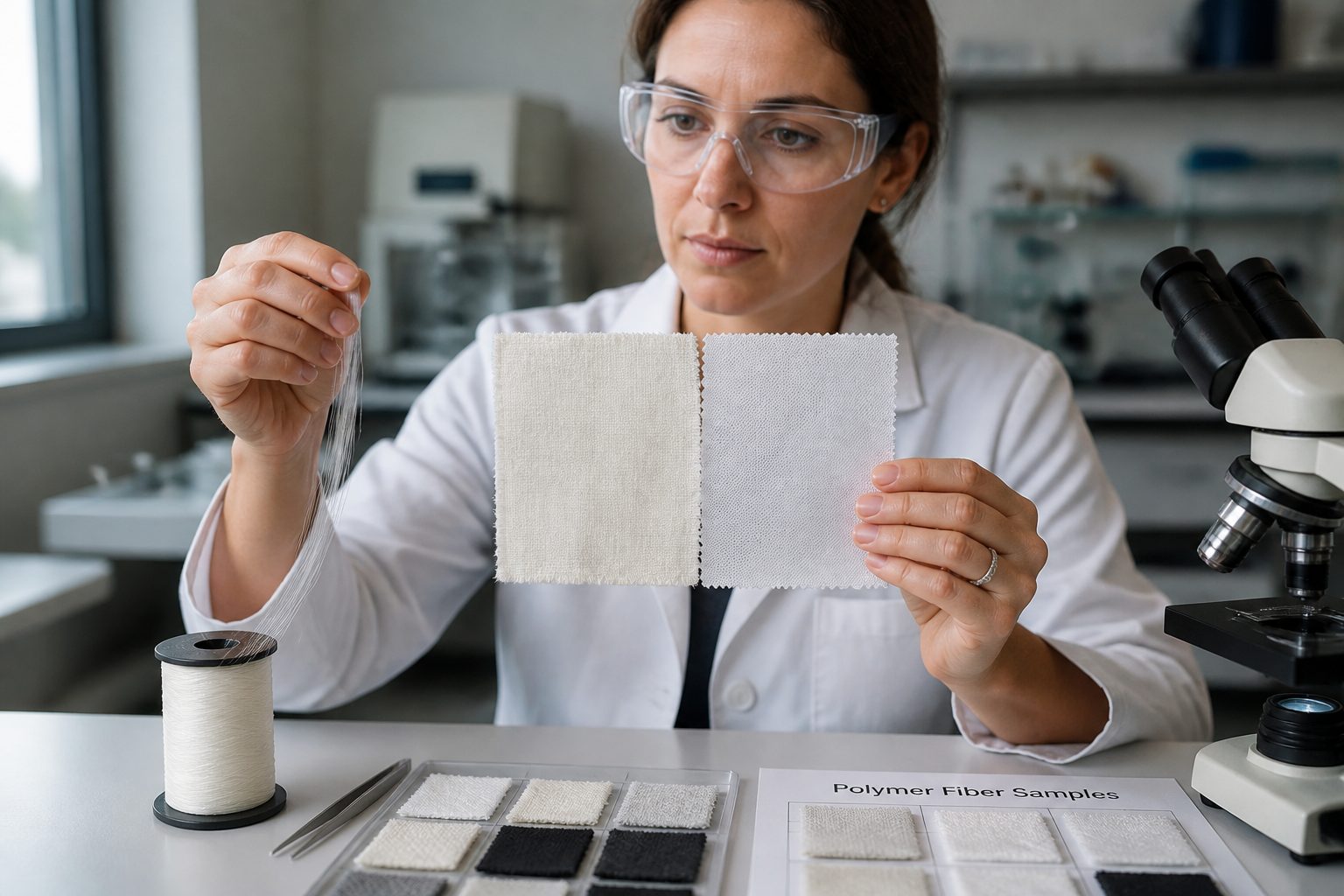

Common Polymer Fibers in Clothing
Polyester is arguably the most ubiquitous polymer fiber in clothing today. It’s known for its strength, wrinkle resistance, and affordability.
Polyester is used in everything from shirts and pants to outerwear and bedding. Its versatility makes it a favorite among manufacturers.
Nylon is another popular synthetic fiber. It is valued for its high strength and elasticity.
Nylon is often used in hosiery, swimwear, and activewear where durability and stretch are important. It can withstand a lot of wear and tear.
Acrylic fibers are known for their wool-like feel and warmth. They are often used in sweaters, blankets, and other cold-weather garments.
Differentiating Fiber Properties
Each of these polymer fibers brings unique properties to clothing. Understanding these differences is key to choosing the right fabric for a specific purpose.
For example, polyester’s low absorbency makes it ideal for quick-drying activewear. Nylon’s elasticity makes it suitable for compression garments.
| Fiber Type | Key Properties | Common Applications |
|---|---|---|
| Polyester | Strong, wrinkle-resistant, hydrophobic | Shirts, pants, outerwear |
| Nylon | Elastic, durable, water-resistant | Hosiery, swimwear, activewear |
| Acrylic | Soft, warm, bulky | Sweaters, blankets, linings |
| Spandex | Highly elastic, lightweight | Activewear, shapewear, swimwear |
The textile industry is constantly innovating to create new and improved polymer fibers. These are designed to meet the evolving needs of consumers.
Applications in Activewear
Activewear has greatly benefited from the development of polymer fibers. Performance fabrics made from these materials enhance athletic performance.
Polyester and nylon are commonly used in activewear for their moisture-wicking properties. These fabrics draw sweat away from the skin, keeping athletes dry and comfortable.
Spandex, also known as elastane, is another essential polymer fiber in activewear. Its exceptional elasticity allows for a full range of motion.
These fabrics are often engineered with specific properties like UV protection and antimicrobial treatments. This makes them ideal for outdoor activities and intense workouts.
The use of polymer fibers in activewear has led to significant improvements in athletic apparel. This has allowed athletes to perform at their best.
The Science Behind Moisture-Wicking
Moisture-wicking is a critical feature in performance fabrics. It relies on the principles of capillary action and fabric construction.
Polymer fibers like polyester and nylon are hydrophobic, meaning they repel water. However, the fabric’s structure creates tiny channels that draw moisture away from the skin.
This process is enhanced by the fiber’s surface area and the tightness of the weave. The greater the surface area, the more moisture can be wicked away.
Specialized finishes can also be applied to fabrics to further enhance their moisture-wicking capabilities. These finishes increase the fabric’s ability to spread moisture.
Ultimately, moisture-wicking fabrics keep you dry and comfortable. They do this by moving sweat to the outer layer of the fabric where it can evaporate.
Using Fibers for Enhanced Comfort
Beyond performance, polymer fibers play a significant role in enhancing comfort. Softness, breathability, and temperature regulation are all influenced by the choice of fiber.
Microfibers, which are extremely fine polymer fibers, create fabrics with a luxurious feel. These materials are often used in bedding and high-end apparel.
The breathability of a fabric is determined by its ability to allow air to pass through. Certain polymer fiber structures promote better airflow.
For example, fabrics with open weaves or textured surfaces tend to be more breathable. This helps to regulate body temperature and prevent overheating.
Textile engineers are constantly developing new ways to enhance the comfort of clothing. They do this by manipulating the properties of polymer fibers.
The Environmental Impact of Polymer Fibers
The production and disposal of polymer fibers have significant environmental implications. Many synthetic fibers are derived from petroleum, a non-renewable resource.
The manufacturing process can be energy-intensive and generate harmful emissions. Additionally, the disposal of synthetic textiles contributes to landfill waste.
Microfiber pollution is another growing concern. Synthetic fabrics shed tiny plastic fibers during washing, which end up in waterways and oceans.
These microfibers can harm aquatic life and potentially enter the human food chain. Addressing these environmental challenges is crucial for the future of the textile industry.
However, the industry is actively exploring more sustainable alternatives. These include recycled polymer fibers and bio-based materials.
Sustainable Alternatives and Recycling
Recycled polyester, made from plastic bottles, is gaining popularity as a more sustainable option. This reduces the demand for virgin petroleum and diverts plastic waste from landfills.
Bio-based polymers, derived from renewable resources like corn or sugarcane, offer another promising alternative. These materials have the potential to reduce the carbon footprint of textile production.
- Recycle old clothing
- Choose garments made from recycled fibers
- Wash synthetic clothing in a laundry bag to capture microfibers
- Support brands committed to sustainable practices
- Look for certifications like GOTS or Oeko-Tex
Recycling textile waste is also becoming more prevalent. Innovative technologies are being developed to break down old fabrics into their raw materials.
Future Trends in Textile Fibers
The future of textile fibers is likely to be driven by sustainability and technological advancements. We can expect to see more widespread use of recycled and bio-based materials.
Smart textiles, which integrate electronic components into fabrics, are also gaining traction. These fabrics can monitor vital signs, regulate temperature, and even change color.
Nanotechnology is another area of innovation. This allows scientists to modify fibers at the molecular level to enhance their properties.
Self-cleaning fabrics, antimicrobial textiles, and enhanced durability are all possibilities. The convergence of material science and technology will continue to shape the future of clothing.
Polymer fibers will continue to evolve. They will offer new possibilities for performance, comfort, and sustainability in the years to come.
Smart Textiles and Nanotechnology
Smart textiles represent a new frontier in clothing technology. These fabrics integrate sensors, actuators, and communication devices.
Imagine clothing that can monitor your heart rate, track your location, or adjust to changing weather conditions. This is the promise of smart textiles.
Nanotechnology plays a crucial role in enhancing the properties of textile fibers. By manipulating materials at the nanoscale, scientists can create fabrics with unique characteristics.
For example, nanoparticles can be embedded in fibers to create self-cleaning fabrics. These repel dirt and stains, reducing the need for frequent washing.
Nanotechnology can also be used to create fabrics with enhanced UV protection. This protects the wearer from harmful sun exposure.
The Role of Textile Technology in Fashion
Textile technology is not just about performance and function; it also influences fashion trends. New materials and manufacturing techniques enable designers to create innovative and stylish garments.
3D printing is emerging as a potential game-changer in the fashion industry. This allows designers to create complex and customized clothing designs.
Sustainable fashion is also gaining momentum. Consumers are increasingly demanding eco-friendly clothing options.
This is driving the development of new materials and production methods that minimize environmental impact. The fashion industry is responding to these demands by embracing sustainable practices.
The intersection of textile technology and fashion is creating exciting new possibilities. These will allow for more creative, functional, and sustainable clothing options.
Conclusion
Polymer fibers have revolutionized the clothing industry. They have paved the way for performance fabrics, enhanced comfort, and innovative designs.
As we move forward, sustainability will be a key driver of innovation. This is leading to the development of more eco-friendly materials and production methods.
The future of clothing is likely to be shaped by smart textiles and nanotechnology. These will offer new levels of functionality and customization.
By understanding the science behind polymer fibers, we can make informed choices about the clothes we wear. We can also support a more sustainable and innovative textile industry.
“` Draft rewrite:Clothing has come a long way from just animal hides. Now, a lot of what we wear comes from material science.
This article looks at the science of polymer fibers in clothing. It’s about how they make fabrics better, more comfy, and less harmful to the planet.
Forget cotton, polymer fibers are the real stars in our closets. They’re the reason our clothes can do so much.
How Clothing Materials Changed
For ages, people used cotton, linen, and wool for clothes. These were good enough for basic protection and warmth.
But then came the 20th century and synthetic polymer fibers. Nylon showed up in the 1930s and changed everything.
Suddenly, fabrics could do things natural fibers couldn’t. They could be tougher, resist water better, and be easier to clean.
Polyester and acrylic joined the party, and they became staples in the textile world. Now we mix natural and synthetic fibers.
This mixing is done to get the best of both worlds. We want comfort, performance, and clothes that last.
Common Polymer Fibers in Clothes
Polyester is probably the most common polymer fiber we wear. It’s strong, doesn’t wrinkle easily, and is cheap.
You find it in shirts, pants, jackets, and even bedding. It’s versatile, so manufacturers love it.
Nylon is another big one, known for being strong and stretchy. It’s in stockings, swimsuits, and workout gear.
It can take a beating and keep on going. Acrylic feels like wool and keeps you warm.
It’s in sweaters, blankets, and anything you want to be cozy. These fibers do different things.
What Makes Fibers Different
Knowing what each fiber does helps you pick the right clothes. Polyester doesn’t soak up water, which is great for workout clothes.
Nylon stretches, so it’s good for tight-fitting clothes. Each fiber has its strength.
| Fiber Type | Key Properties | Common Applications |
|---|---|---|
| Polyester | Strong, wrinkle-resistant, hydrophobic | Shirts, pants, outerwear |
| Nylon | Elastic, durable, water-resistant | Hosiery, swimwear, activewear |
| Acrylic | Soft, warm, bulky | Sweaters, blankets, linings |
| Spandex | Highly elastic, lightweight | Activewear, shapewear, swimwear |
The textile industry keeps making new and better fibers. They want to meet our changing needs.
Activewear Benefits
Activewear has gotten a huge boost from polymer fibers. These fabrics help athletes perform better.
Polyester and nylon wick away sweat, keeping you dry. Spandex lets you move freely.
These fabrics can also block UV rays and kill bacteria. They’re great for workouts and outdoor fun.
Polymer fibers have made activewear much better. Athletes can now push themselves harder.
It’s all about staying comfortable and performing at your peak. That’s what these fibers do.
How Sweat-Wicking Works
Sweat-wicking is important for workout clothes. It’s all about how the fabric is made.
Polyester and nylon push water away, but the fabric has tiny channels. These channels pull sweat away from your skin.
The more surface area the fiber has, the better it wicks. Special coatings can also help.
These coatings make the fabric spread moisture better. Sweat-wicking fabrics keep you dry and comfy.
They move sweat to the outside of the fabric, where it can dry quickly. It’s a simple idea that works well.
More Comfort with Fibers
Polymer fibers also make clothes more comfortable. They affect how soft, breathable, and warm clothes are.
Microfibers are super fine and make fabrics feel luxurious. They’re used in fancy bedding and clothes.
Breathability lets air flow through the fabric. Some fiber structures allow more air to pass.
Open weaves and textured surfaces are more breathable. They help you stay cool and avoid overheating.
Textile engineers keep finding ways to make clothes more comfortable. They tweak the fibers to make them better.
Environmental Impact
Making and getting rid of polymer fibers hurts the environment. Many synthetic fibers come from petroleum, which isn’t renewable.
Making these fibers uses a lot of energy and makes pollution. Also, throwing away synthetic clothes adds to landfill waste.
Microfiber pollution is another problem. Synthetic fabrics shed tiny plastic fibers when washed.
These fibers end up in the water and can harm sea life. We need to find ways to fix these problems.
The industry is looking for greener options, like recycled and plant-based fibers. These could help a lot.
Greener Choices and Recycling
Recycled polyester, made from plastic bottles, is becoming popular. It cuts down on new petroleum use and reduces plastic waste.
Plant-based polymers come from things like corn and sugarcane. They could lower the carbon footprint of making clothes.
- Recycle old clothing
- Choose garments made from recycled fibers
- Wash synthetic clothing in a laundry bag to capture microfibers
- Support brands committed to sustainable practices
- Look for certifications like GOTS or Oeko-Tex
Recycling old clothes is also on the rise. New tech breaks down fabrics into raw materials.
What’s Next for Fibers
The future of fibers will be about being green and using new tech. Expect more recycled and plant-based stuff.
Smart textiles, with electronics in the fabric, are also coming. These can track your health, change temperature, and even change color.
Nanotechnology is another area to watch. It lets scientists change fibers at the tiny level.
Self-cleaning fabrics and super strong materials are possible. Material science and tech will keep changing clothes.
Polymer fibers will keep getting better. They’ll give us new ways to make clothes that perform, feel good, and are good for the planet.
Smart Textiles and Nano-Power
Smart textiles are the next big thing in clothes. They have sensors and devices built right in.
Imagine clothes that check your heart rate or change with the weather. That’s what smart textiles can do.
Nanotechnology helps make fibers do amazing things. By changing materials at the tiny level, we get new features.
Nanoparticles can make fabrics clean themselves. They push away dirt and stains, so you wash them less.
Nanotech can also add UV protection to fabrics. This keeps you safe from the sun.
Textile Tech in Fashion
Textile tech isn’t just about performance. It also changes what’s stylish.
New materials and ways of making things let designers get creative. 3D printing could be a game-changer.
It lets designers make complex and custom clothes. Green fashion is also getting big.
People want eco-friendly clothes, so companies are making them. The fashion world is going green.
Textile tech and fashion are coming together to make cool new things. We’ll get clothes that are more creative, useful, and sustainable.
Conclusion
Polymer fibers have changed clothes forever. They’ve made fabrics that perform better, feel better, and look better.
Being sustainable is key for the future. We need to make clothes in a way that’s good for the planet.
Smart textiles and nanotechnology will take things even further. They’ll give us clothes that do more and fit better.
By learning about polymer fibers, we can choose our clothes wisely. We can also support a clothing industry that’s better for everyone.
What makes the below so obviously AI generated? * Too tidy: perfect paragraph lengths, predictable transitions * Too neutral: no real opinions or specific examples * Copula avoidance: “serves as”, “is becoming” instead of just “is” * Overly comprehensive: tries to cover every angle instead of focusing Now make it not obviously AI generated.Clothing used to be simple: animal hides or maybe some rough linen. Now it’s all material science, and honestly, it’s kind of amazing.
This article dives into the world of polymer fibers in your clothes. Forget cotton; these are the materials that actually matter.
They’re what make your workout gear wick sweat and your jeans last longer than they should. Let’s see what they’re all about.
How Clothing Got Modern
For thousands of years, it was cotton, wool, or linen. Good enough to cover up and keep (mostly) warm.
Then BAM, 20th century, and suddenly we have synthetic polymer fibers. Nylon showed up in the 30s, and the game changed.
Suddenly, fabrics could do things nature never intended. They could be super tough, shrug off water, and not wrinkle if you looked at them wrong.
Polyester and acrylic piled on, and now synthetics are everywhere. We mix them with natural fibers these days, trying to get the best of both worlds.
But honestly, the synthetics are carrying most of the weight. They just do more.
The Usual Suspects: Polymer Fibers
Polyester is the heavyweight champ. It’s strong, it’s wrinkle-resistant, and it’s cheap as dirt.
You’ll find it in everything from dress shirts to outdoor gear. It’s the workhorse of the textile world.
Nylon is the stretchy, tough guy. Think stockings, swimsuits, and anything that needs to cling and last.
Acrylic is your cozy friend, pretending to be wool. Sweaters, blankets, that kind of thing.
Spandex is… well, you know what spandex does. It lets you move, for better or worse.
Why These Fibers Win
Each fiber brings something different to the party. Polyester doesn’t absorb water, making it perfect for workout clothes that don’t stay soggy.
Nylon’s stretch is why your leggings don’t rip when you squat. It’s all about picking the right fiber for the job.
| Fiber Type | Key Properties | Common Applications |
|---|---|---|
| Polyester | Strong, wrinkle-resistant, hydrophobic | Shirts, pants, outerwear |
| Nylon | Elastic, durable, water-resistant | Hosiery, swimwear, activewear |
| Acrylic | Soft, warm, bulky | Sweaters, blankets, linings |
| Spandex | Highly elastic, lightweight | Activewear, shapewear, swimwear |
The textile industry is constantly cooking up new and improved fibers. They’re chasing better performance and lower costs.
Activewear: Where Polymers Shine
Activewear is where polymer fibers really strut their stuff. These fabrics make a real difference in how you perform.
Polyester and nylon pull sweat away from your skin, which is huge. Spandex lets you bend and stretch without restriction.
Some even have UV protection built in, which is great for outdoor workouts. It’s not just about looking good; it’s about feeling good while you sweat.
Polymer fibers have seriously upped the activewear game. They let you push harder and stay comfortable longer.
Anyone who’s run a marathon in a cotton t-shirt knows what I’m talking about. Polymers are a lifesaver.
The Magic of Moisture-Wicking
Moisture-wicking is the key to comfortable workouts. It’s all about how the fabric is engineered.
Polyester and nylon don’t like water, but the fabric has tiny channels that act like straws. These channels suck sweat away from your skin.
The more surface area the fiber has, the better it wicks. Some fabrics even have special coatings to boost this effect.
Basically, these fabrics grab sweat and spread it out so it can evaporate faster. That’s why you stay drier and more comfortable.
It’s a simple trick, but it makes a world of difference. No one wants to feel like they’re swimming in their own sweat.
Comfort Beyond Performance
Polymer fibers aren’t just about performance; they also make clothes feel better. Think softness, breathability, and temperature control.
Microfibers are super-duper fine, making fabrics feel almost velvety. That’s what gives high-end bedding and clothes that luxurious touch.
Breathability is all about letting air flow through the fabric. Some fiber structures are better at this than others.
Looser weaves and textured surfaces tend to be more breathable. They