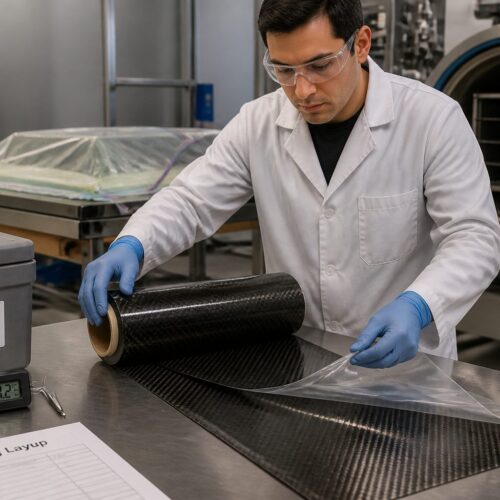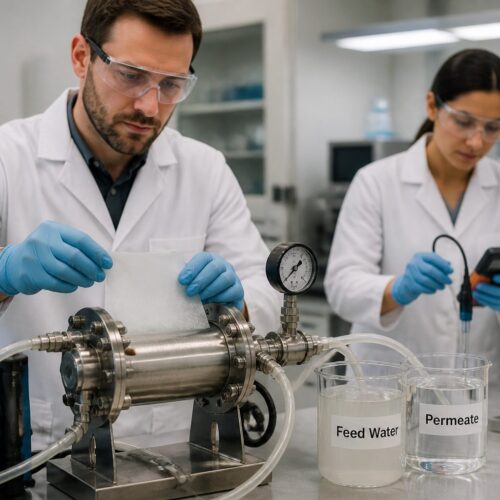

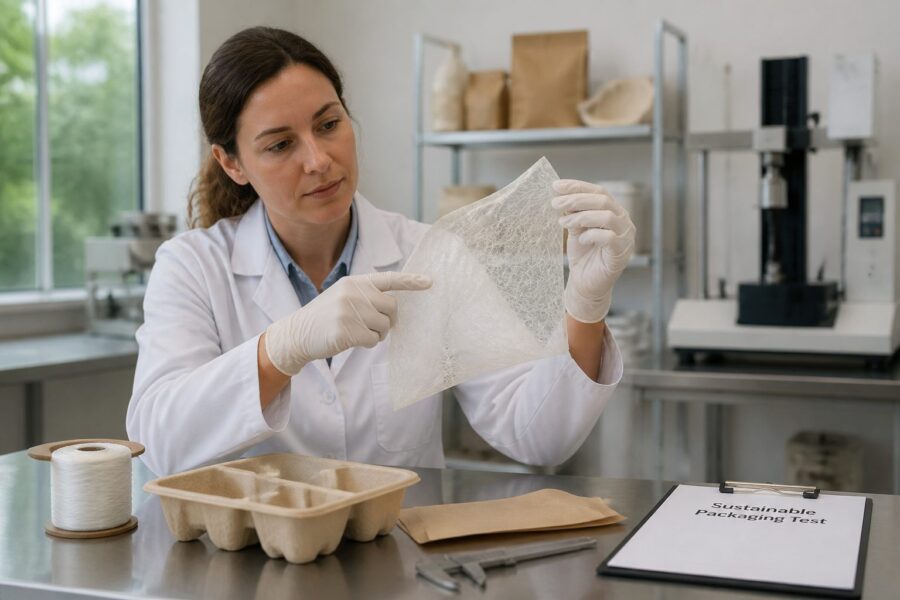
The world is grappling with an escalating packaging waste crisis, demanding innovative and sustainable solutions. Traditional packaging materials, often derived from fossil fuels, contribute significantly to environmental pollution.
Polymer fibers in packaging offer a promising avenue towards creating eco-friendly and efficient packaging solutions. They present a viable alternative to conventional, less sustainable materials.
This article will explore the transformative role of polymer fibers in packaging, highlighting their potential to revolutionize the industry. We will delve into the various aspects of these materials and their impact on the environment.
We will examine how these materials can address the pressing need for sustainable packaging, reduce environmental impact, and enhance packaging performance. The focus will be on understanding the benefits and applications of polymer fibers.
From biodegradable options to strength-enhancing applications, polymer fibers are paving the way for a more sustainable future. They offer a range of possibilities for creating eco-conscious packaging.
By understanding the science and engineering behind these materials, we can unlock their full potential and drive the adoption of eco-conscious packaging practices. This knowledge is crucial for making informed decisions about packaging materials.
The Need for Sustainable Packaging
The current packaging industry relies heavily on non-renewable resources, leading to significant environmental concerns. Plastic waste, in particular, accumulates in landfills and oceans, causing long-term ecological damage.
The excessive use of plastic is contributing to a global environmental crisis. We need to find ways to reduce our reliance on these harmful materials.
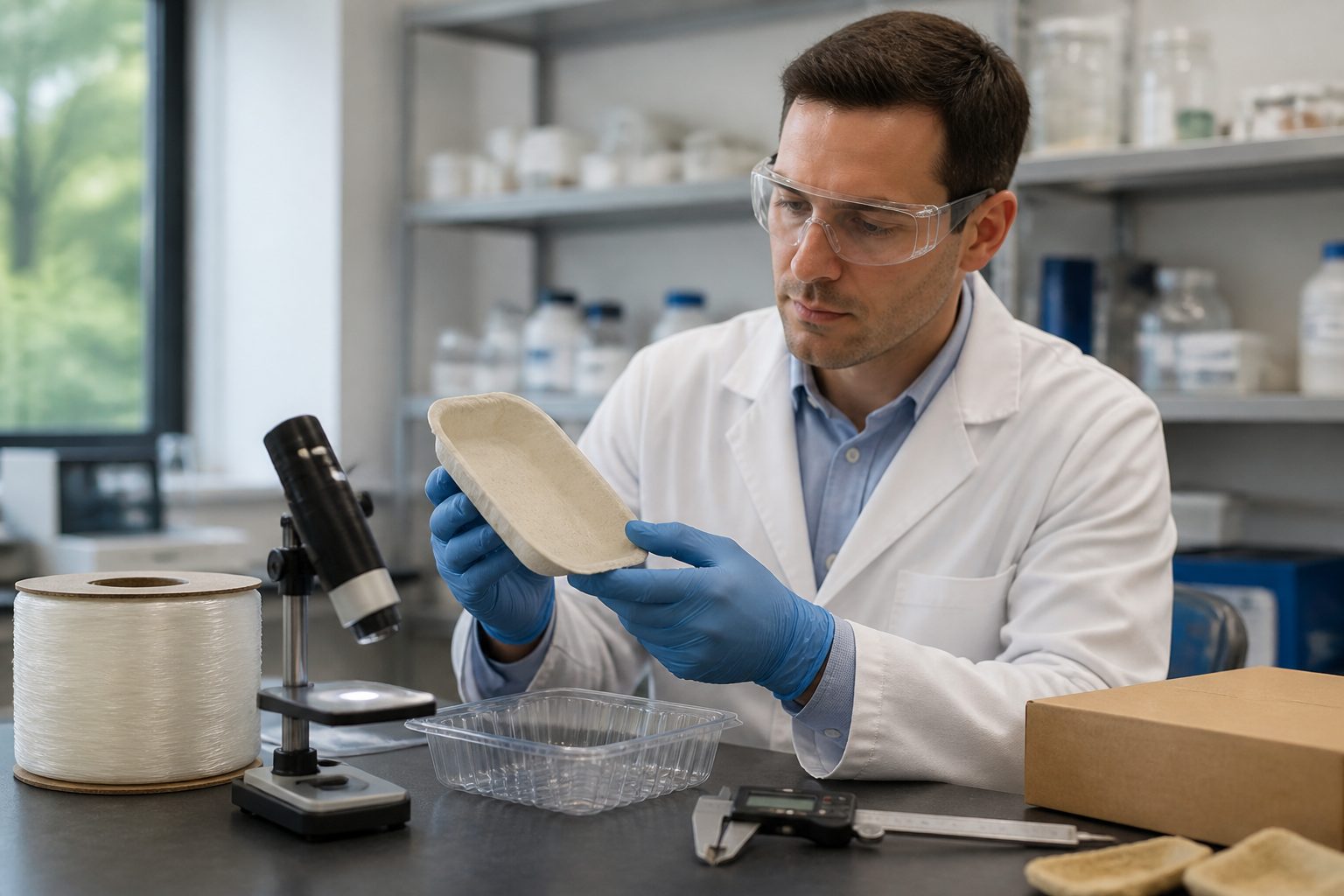

This unsustainable trajectory necessitates a shift towards more environmentally friendly packaging alternatives. We must explore and adopt materials that are less harmful to the planet.
Sustainable packaging is not just a trend; it’s a necessity for the health of our planet. The future depends on our ability to create a circular economy.
Consumers are increasingly aware of the environmental impact of packaging and are actively seeking sustainable options. This growing demand is driving industries to explore and adopt eco-friendly packaging solutions.
People are becoming more conscious of their purchasing decisions and their impact on the environment. Companies are responding by offering more sustainable products and packaging.
The pressure is on to reduce our carbon footprint and embrace circular economy principles. We need to move away from a linear “take-make-dispose” model.
A circular economy focuses on reducing waste and reusing materials. This approach is essential for creating a sustainable future.
Legislative bodies worldwide are also responding with stricter regulations on packaging waste. These regulations aim to promote recycling, reduce single-use plastics, and encourage the use of biodegradable materials.
Governments are implementing policies to encourage sustainable packaging practices. These regulations are designed to protect the environment and promote responsible consumption.
Companies must adapt to these changes to remain compliant and competitive in the market. Businesses that embrace sustainability will be better positioned for long-term success.
Failing to comply with environmental regulations can result in fines and damage to a company’s reputation. It’s crucial to stay informed and adapt to the evolving landscape.
The need for sustainable packaging is not just an environmental imperative but also a business opportunity. Companies that prioritize sustainability can enhance their brand image and attract environmentally conscious consumers.
Consumers are more likely to support companies that are committed to sustainability. A strong environmental reputation can be a significant competitive advantage.
Ignoring this shift could lead to negative consequences for both the environment and a business’s bottom line. Companies that fail to adapt risk losing customers and facing regulatory penalties.
Sustainability is no longer a niche concern; it’s a core business imperative. Companies that prioritize sustainability will thrive in the long run.
Polymer Fibers in Packaging Materials
Polymer fibers offer a versatile platform for creating sustainable packaging materials with diverse properties. These fibers can be derived from both synthetic and natural sources, each with unique advantages.
The versatility of polymer fibers allows for a wide range of applications in packaging. They can be tailored to meet specific needs and requirements.
Understanding the different types of polymer fibers is crucial for selecting the right material for specific packaging applications. Each type has its own set of characteristics and benefits.
Choosing the appropriate polymer fiber is essential for optimizing packaging performance and sustainability. Careful consideration should be given to the specific application.
Synthetic polymer fibers, such as polyethylene (PE) and polypropylene (PP), are widely used due to their low cost and excellent mechanical properties. However, their non-biodegradable nature poses significant environmental challenges.
The affordability and durability of synthetic polymers have made them popular in packaging. However, their environmental impact is a major concern.
Innovations in bio-based synthetic polymers are addressing these issues. Researchers are developing more sustainable alternatives to traditional synthetic polymers.
Bio-based synthetic polymers offer a compromise between the performance of traditional synthetics and the sustainability of natural polymers. These materials are a promising area of research.
Natural polymer fibers, like cellulose and starch, offer biodegradability and renewability. These fibers can be extracted from various sources, including wood, cotton, and agricultural waste.
The biodegradability and renewability of natural polymers make them an attractive option for sustainable packaging. They offer a way to reduce our reliance on fossil fuels.
The use of natural fibers aligns with the principles of a circular economy and reduces reliance on fossil fuels. They can be composted or broken down naturally in the environment.
Natural fibers offer a closed-loop system where materials are reused and recycled. This approach is essential for creating a sustainable future.
The properties of polymer fibers can be tailored through various processing techniques to meet specific packaging requirements. Techniques like electrospinning and melt blowing can create fibers with controlled diameters and orientations.
Processing techniques play a crucial role in determining the final properties of polymer fibers. They allow for the creation of materials with specific characteristics.
This allows for the design of packaging materials with enhanced strength, barrier properties, and biodegradability. The ability to tailor these properties is a key advantage of polymer fibers.
By controlling the properties of polymer fibers, we can create packaging that is both functional and sustainable. This is essential for meeting the demands of the modern market.
Applications in Food Packaging
Food packaging is a critical application area where polymer fibers can make a significant impact. Maintaining food safety and extending shelf life are primary concerns in this sector.
The food industry relies heavily on packaging to protect and preserve its products. Polymer fibers offer a way to do this sustainably.
Polymer fiber-based packaging offers solutions to these challenges while promoting sustainability. It provides a way to reduce food waste and environmental impact.
Sustainable food packaging is essential for reducing the environmental footprint of the food industry. Polymer fibers are a promising solution.
Active packaging, incorporating antimicrobial or antioxidant agents within the polymer fiber matrix, can inhibit microbial growth and prevent food spoilage. This approach extends the shelf life of perishable goods and reduces food waste.
Active packaging enhances the functionality of food packaging. It helps to keep food fresh and safe for longer periods.
Active packaging is a game changer for the food industry. It offers a way to reduce food waste and improve food safety.
By reducing food waste, active packaging can help to conserve resources and reduce greenhouse gas emissions. This is a significant benefit for the environment.
| Packaging Type | Polymer Fiber | Benefits |
|---|---|---|
| Meat Packaging | Chitosan fibers | Antimicrobial, extends shelf life |
| Fruit Packaging | Cellulose fibers | Biodegradable, maintains humidity |
| Dairy Packaging | PLA fibers | Compostable, reduces plastic use |
| Snack Packaging | Starch fibers | Renewable, environmentally friendly |
Using Fibers to Improve Packaging Strength
One of the key advantages of polymer fibers is their ability to enhance the mechanical properties of packaging materials. By incorporating fibers into a polymer matrix, the strength and durability of the packaging can be significantly improved.
Enhanced strength and durability are crucial for protecting goods during transportation and storage. Polymer fibers offer a way to achieve this sustainably.
This is crucial for protecting goods during transportation and storage. Stronger packaging reduces the risk of damage and waste.
Protecting goods during transit is essential for maintaining their value and reducing losses. Polymer fibers can help to achieve this.
Composite materials, consisting of polymer fibers embedded in a matrix, offer a high strength-to-weight ratio. These materials can replace heavier, less sustainable options in various packaging applications.
The high strength-to-weight ratio of composite materials makes them ideal for packaging. They offer a way to reduce material usage and weight.
The use of composite materials is a smart move for the environment. It reduces the overall environmental footprint of packaging.
By replacing heavier materials with lightweight composites, we can reduce transportation costs and emissions. This is a significant benefit for the environment.
The orientation of polymer fibers within the matrix also plays a crucial role in determining the mechanical properties. Aligning the fibers in the direction of applied stress maximizes the strength of the packaging.
Fiber orientation is a key factor in determining the mechanical performance of packaging. Careful alignment can significantly improve strength.
Controlling fiber orientation is a key aspect of packaging design. It allows for the creation of packaging that is tailored to specific needs.
By optimizing fiber orientation, we can create packaging that is both strong and lightweight. This is essential for sustainable packaging design.
Nanofibers, with their exceptionally high surface area and strength, offer even greater potential for reinforcing packaging materials. Incorporating nanofibers can lead to significant improvements in tensile strength, stiffness, and impact resistance.
Nanofibers offer a cutting-edge solution for reinforcing packaging materials. Their unique properties can significantly improve performance.
Nanofibers are a promising area of research for packaging applications. They have the potential to revolutionize the industry.
The use of nanofibers can lead to the creation of packaging that is both strong and lightweight. This is essential for sustainable packaging design.
Barrier Properties of Polymer Fibers
Protecting packaged goods from external elements, such as moisture, oxygen, and light, is essential for maintaining their quality and extending their shelf life. Polymer fibers can be engineered to provide excellent barrier properties, preventing degradation and spoilage.
Effective barrier properties are crucial for preserving the quality and safety of packaged goods. Polymer fibers offer a way to achieve this sustainably.
Effective barrier properties are crucial for food and pharmaceutical packaging. They help to prevent spoilage and degradation.
By providing a barrier against external elements, polymer fibers can help to extend the shelf life of products. This reduces waste and improves efficiency.
Coating polymer fibers with barrier materials, such as aluminum oxide or silicon dioxide, can significantly enhance their impermeability. These coatings create a protective layer that prevents the diffusion of gases and liquids.
Barrier coatings enhance the ability of polymer fibers to protect packaged goods. They create a protective layer that prevents permeation.
Barrier coatings are a common technique for improving packaging performance. They are widely used in the food and pharmaceutical industries.
By using barrier coatings, we can create packaging that is both effective and sustainable. This is essential for meeting the demands of the modern market.
The density and alignment of polymer fibers also contribute to their barrier properties. Densely packed fibers create a tortuous path for permeating molecules, reducing their ability to penetrate the packaging.
Fiber density and alignment play a crucial role in determining barrier performance. Densely packed fibers offer greater protection.
Fiber alignment is a critical factor in barrier performance. It affects the ability of molecules to permeate the packaging.
By controlling fiber density and alignment, we can create packaging with enhanced barrier properties. This is essential for protecting packaged goods.
Nanocomposites, incorporating nanoscale fillers within the polymer fiber matrix, offer enhanced barrier properties due to the increased surface area and tortuosity. These materials can effectively block the passage of gases and liquids, providing superior protection for packaged goods.
Nanocomposites offer a cutting-edge solution for enhancing barrier properties. Their unique structure provides superior protection.
Nanocomposites are a cutting-edge solution for barrier packaging. They offer a way to create packaging that is both effective and sustainable.
By using nanocomposites, we can create packaging that is both strong and lightweight. This is essential for sustainable packaging design.
Biodegradable Polymer Fibers
Biodegradable polymer fibers offer a sustainable alternative to traditional plastics, addressing the growing concern of plastic waste accumulation. These fibers can break down naturally in the environment, reducing their long-term impact.
Biodegradable polymers offer a way to reduce our reliance on traditional plastics. They break down naturally in the environment.
Biodegradable materials are essential for a circular economy. They can be composted or broken down naturally in the environment.
By using biodegradable materials, we can reduce the amount of waste that ends up in landfills and oceans. This is essential for protecting the environment.
Polylactic acid (PLA) is a well-known biodegradable polymer derived from renewable resources, such as corn starch. PLA fibers can be used in various packaging applications, including food containers and films.
PLA is a popular choice for eco-friendly packaging. It is derived from renewable resources and is biodegradable.
PLA is a popular choice for eco-friendly packaging. It offers a way to reduce our reliance on fossil fuels.
By using PLA, we can create packaging that is both functional and sustainable. This is essential for meeting the demands of the modern market.
- Composting at home
- Industrial composting facilities
- Anaerobic digestion
- Soil burial
- Marine environments
Cellulose-based fibers, derived from wood pulp or cotton, are also biodegradable and compostable. These fibers can be processed into various packaging materials, offering a sustainable alternative to plastic films and foams.
Cellulose fibers are a versatile option for green packaging. They can be used in a variety of applications.
Cellulose fibers are a versatile option for green packaging. They offer a way to reduce our reliance on fossil fuels.
By using cellulose fibers, we can create packaging that is both functional and sustainable. This is essential for meeting the demands of the modern market.
Challenges and Opportunities
Despite the numerous advantages of polymer fibers in packaging, several challenges need to be addressed to facilitate their widespread adoption. Cost, performance, and scalability are key considerations.
Addressing these challenges is crucial for unlocking the full potential of polymer fibers. Overcoming these hurdles will pave the way for widespread adoption.
Overcoming these hurdles will unlock the full potential of polymer fiber-based packaging. It will allow for the creation of a more sustainable packaging industry.
By addressing these challenges, we can create a more sustainable future. This is essential for protecting the environment and ensuring a healthy planet.
The cost of producing polymer fibers, especially biodegradable ones, can be higher than that of traditional plastics. However, as demand increases and production processes become more efficient, costs are expected to decrease.
Cost is a major barrier to the widespread adoption of polymer fibers. However, costs are expected to decrease as production scales up.
Economies of scale will drive down the cost of green packaging. This will make it more competitive with traditional plastics.
By investing in research and development, we can reduce the cost of polymer fibers and make them more accessible to businesses. This is essential for promoting sustainability.
The performance of polymer fibers, particularly in terms of barrier properties and mechanical strength, needs to be further improved to meet the demands of various packaging applications. Research and development efforts are focused on enhancing these properties through innovative materials and processing techniques.
Performance is another key challenge that needs to be addressed. Polymer fibers need to be as strong and durable as traditional plastics.
Innovation is key to improving packaging performance. Researchers are working to develop new materials and processing techniques.
By investing in research and development, we can improve the performance of polymer fibers and make them more suitable for a wider range of applications. This is essential for promoting sustainability.
Scaling up the production of polymer fibers to meet the growing demand for sustainable packaging requires significant investment in infrastructure and technology. Collaboration between industry, academia, and government is essential to overcome these challenges and accelerate the transition to eco-friendly packaging.
Scalability is a major challenge that needs to be addressed. We need to be able to produce polymer fibers on a large scale to meet demand.
Collaboration is key to scaling up production. Industry, academia, and government need to work together.
By working together, we can overcome the challenges of scaling up production and accelerate the transition to eco-friendly packaging. This is essential for creating a sustainable future.
The Future of Sustainable Packaging
The future of packaging is undoubtedly intertwined with sustainability. Polymer fibers are poised to play a central role in this transformation. Continuous innovation and collaboration will drive the development of even more advanced and eco-friendly packaging solutions.
The future is green for packaging. Sustainability will be a key driver of innovation and development.
The packaging industry is undergoing a major transformation. Polymer fibers are at the forefront of this change.
By embracing sustainability, we can create a more environmentally friendly and responsible packaging industry. This is essential for protecting the planet and ensuring a healthy future.
Smart packaging, incorporating sensors and indicators, will provide real-time information on the condition of packaged goods. This technology can reduce food waste and improve supply chain efficiency.
Smart packaging offers a way to improve efficiency and reduce waste. It provides real-time information on the condition of packaged goods.
Smart packaging is the next frontier for the packaging industry. It has the potential to revolutionize the way we package and transport goods.
By using smart packaging, we can create a more efficient and sustainable supply chain. This is essential for reducing our environmental footprint.
Edible packaging, made from biodegradable polymer fibers, offers a completely waste-free solution for certain applications. These materials can be consumed along with the food, eliminating the need for disposal.
Edible packaging offers a completely waste-free solution. It eliminates the need for disposal.
Edible packaging is a revolutionary concept. It has the potential to transform the way we package and consume food.
By using edible packaging, we can eliminate waste and reduce our environmental footprint. This is essential for creating a sustainable future.
The integration of artificial intelligence (AI) and machine learning (ML) can optimize packaging design and material selection. AI and ML algorithms can analyze vast amounts of data to identify the most sustainable and cost-effective packaging solutions.
AI will transform the packaging industry. It can optimize design and material selection.
AI and ML algorithms can analyze vast amounts of data to identify the most sustainable solutions. This will help to reduce waste and improve efficiency.
By using AI and ML, we can create a more efficient and sustainable packaging industry. This is essential for protecting the planet and ensuring a healthy future.
Conclusion
Polymer fibers in packaging represent a significant step towards creating a more sustainable future. Their versatility, biodegradability, and ability to enhance packaging performance make them a promising alternative to traditional plastics.
Polymer fibers offer a way to reduce our reliance on traditional plastics. They are a promising alternative for sustainable packaging.
Embracing these materials is essential for reducing environmental impact and meeting the growing demand for eco-friendly packaging. It is a crucial step towards a more sustainable future.
By adopting polymer fibers, we can create a more environmentally responsible packaging industry. This is essential for protecting the planet and ensuring a healthy future.
By continuing to innovate and collaborate, we can unlock the full potential of polymer fibers and revolutionize the packaging industry. The journey towards sustainable packaging requires a collective effort from industry, consumers, and policymakers.
Innovation and collaboration are key to unlocking the full potential of polymer fibers. It requires a collective effort from all stakeholders.
The journey towards sustainable packaging requires a collective effort from industry, consumers, and policymakers. We all have a role to play.
By working together, we can create a more sustainable and responsible packaging industry. This is essential for protecting the planet and ensuring a healthy future.
Together, we can create a greener and more sustainable world. It is our responsibility to protect the planet for future generations.
Let’s work together to create a more sustainable future for all. It is our collective responsibility to protect the environment.